







Question: Explain/Expound the given discussions below and provide it's importance. SUNK COSTS AND OPPORTUNITY COSTS When estimating the incremental cash flows associated with a proposed invest-
Explain/Expound the given discussions below and provide it's importance.
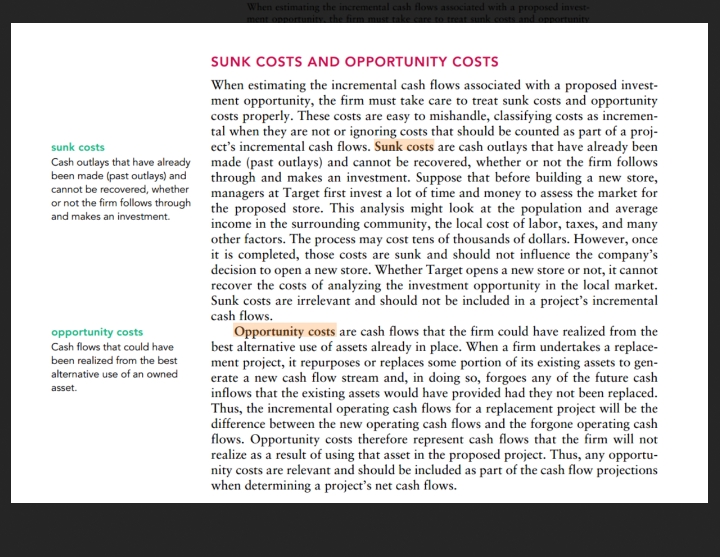
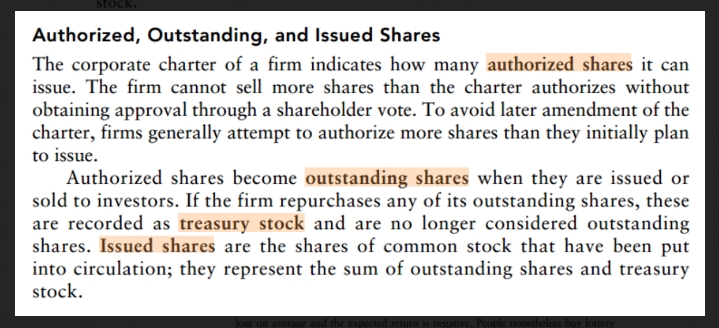
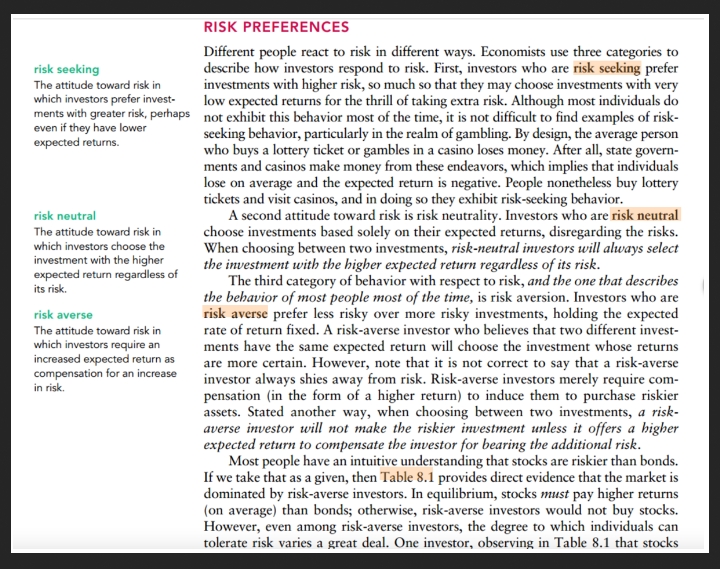
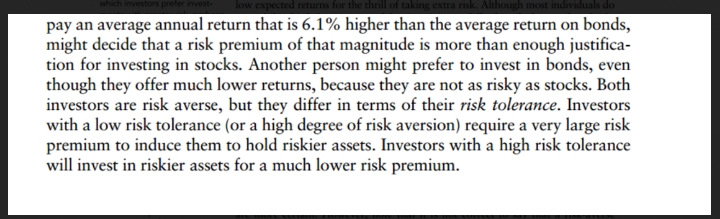
SUNK COSTS AND OPPORTUNITY COSTS When estimating the incremental cash flows associated with a proposed invest- ment opportunity, the firm must take care to treat sunk costs and opportunity costs properly. These costs are easy to mishandle, classifying costs as incremen tal when they are not or ignoring costs that should be counted as part of a proj- sunk costs ect's incremental cash flows. Sunk costs are cash outlays that have already been Cash outlays that have already made (past outlays) and cannot be recovered, whether or not the firm follows been made (past outlays) and through and makes an investment. Suppose that before building a new store, cannot be recovered, whether managers at Target first invest a lot of time and money to assess the market for or not the firm follows through and makes an investment. the proposed store. This analysis might look at the population and average income in the surrounding community, the local cost of labor, taxes, and many other factors. The process may cost tens of thousands of dollars. However, once it is completed, those costs are sunk and should not influence the company's decision to open a new store. Whether Target opens a new store or not, it cannot recover the costs of analyzing the investment opportunity in the local market. Sunk costs are irrelevant and should not be included in a project's incremental cash flows. opportunity costs Opportunity costs are cash flows that the firm could have realized from the Cash flows that could have best alternative use of assets already in place. When a firm undertakes a replace- been realized from the best ment project, it repurposes or replaces some portion of its existing assets to gen- alternative use of an owned crate a new cash flow stream and, in doing so, forgoes any of the future cash asset. inflows that the existing assets would have provided had they not been replaced. Thus, the incremental operating cash flows for a replacement project will be the difference between the new operating cash flows and the forgone operating cash flows. Opportunity costs therefore represent cash flows that the firm will not realize as a result of using that asset in the proposed project. Thus, any opportu nity costs are relevant and should be included as part of the cash flow projections when determining a project's net cash flows.Authorized. Outstanding, and Issued Shares The corporate charter of a rm indicates how many authorized shares it can issue. The firm cannot sell more shares than the charter authorizes without obtaining approval through a shareholder vote. To avoid later amendment of the charter, rms generally attempt to authorize more shares than they initially plan to issue. Authorized shares become outstanding shares when they are issued or sold to investors. If the firm repurchases any of its outstanding shares, these are recorded as treasury stock and are no longer considered outstanding shares. Issued shares are the shares of common stock that have been put into circulation; they represent the sum of outstanding shares and treasury stock. RISK PREFERENCES Different people react to risk in different ways. Economists use three categories to risk seeking describe how investors respond to risk. First, investors who are risk seeking prefer The attitude toward risk in investments with higher risk, so much so that they may choose investments with very which investors prefer invest- low expected returns for the thrill of taking extra risk. Although most individuals do ments with greater risk, perhaps not exhibit this behavior most of the time, it is not difficult to find examples of risk- even if they have lower expected returns. seeking behavior, particularly in the realm of gambling. By design, the average person who buys a lottery ticket or gambles in a casino loses money. After all, state govern- ments and casinos make money from these endeavors, which implies that individuals lose on average and the expected return is negative. People nonetheless buy lottery tickets and visit casinos, and in doing so they exhibit risk-seeking behavior. risk neutral A second attitude toward risk is risk neutrality. Investors who are risk neutral The attitude toward risk in choose investments based solely on their expected returns, disregarding the risks. which investors choose the When choosing between two investments, risk-neutral investors will always select investment with the higher expected return regardless of the investment with the higher expected return regardless of its risk. its risk. The third category of behavior with respect to risk, and the one that describes the behavior of most people most of the time, is risk aversion. Investors who are risk averse risk averse prefer less risky over more risky investments, holding the expected The attitude toward risk in rate of return fixed. A risk-averse investor who believes that two different invest- which investors require an ments have the same expected return will choose the investment whose returns increased expected return as are more certain. However, note that it is not correct to say that a risk-averse compensation for an increase in risk. investor always shies away from risk. Risk-averse investors merely require com- pensation (in the form of a higher return) to induce them to purchase riskier assets. Stated another way, when choosing between two investments, a risk- averse investor will not make the riskier investment unless it offers a higher expected return to compensate the investor for bearing the additional risk. Most people have an intuitive understanding that stocks are riskier than bonds. If we take that as a given, then Table 8.1 provides direct evidence that the market is dominated by risk-averse investors. In equilibrium, stocks must pay higher returns (on average) than bonds; otherwise, risk-averse investors would not buy stocks. However, even among risk-averse investors, the degree to which individuals can tolerate risk varies a great deal. One investor, observing in Table 8.1 that stockspay an average annual return that is 6.1% higher than the average return on bonds, might decide that a risk premium of that magnitude is more than enough justica- tion for investing in stocks. Another person might prefer to invest in bonds, even though they offer much lower returns, because they are not as risky as stocks. Both investors are risk averse, but they differ in terms of their risk tolerance. Investors with a low risk tolerance {or a high degree of risk aversion} require a very large risk premium to induce them to hold riskier assers. Investors with a high risk tolerance will invest in riskier assets for a much lower risk premium
Step by Step Solution
There are 3 Steps involved in it

Get step-by-step solutions from verified subject matter experts
 Study Help