







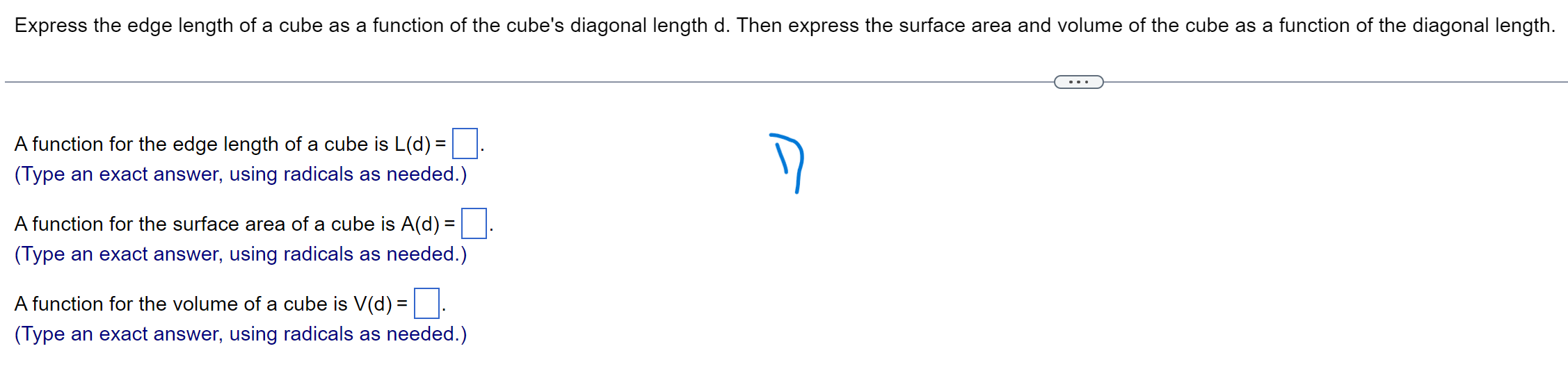
Question: Express the edge length of a cube as a function of the cube's diagonal length d. Then express the surface area and volume of the
![=]. (Type an exact answer, using radicals as needed.)Let f(x) = x](https://dsd5zvtm8ll6.cloudfront.net/si.experts.images/questions/2024/10/671b6ca6b16d5_534671b6ca663047.jpg)
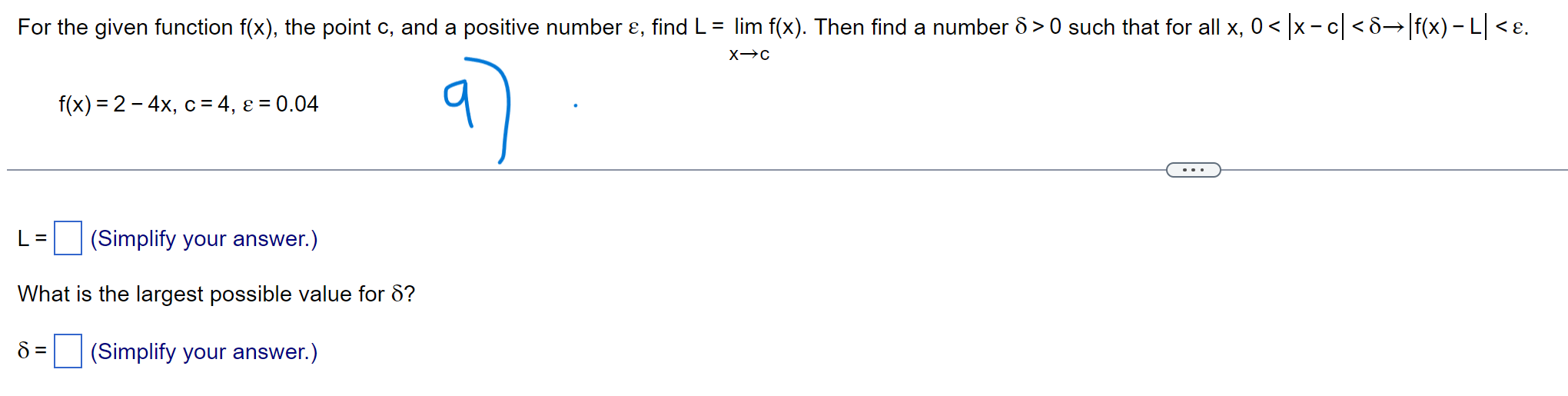
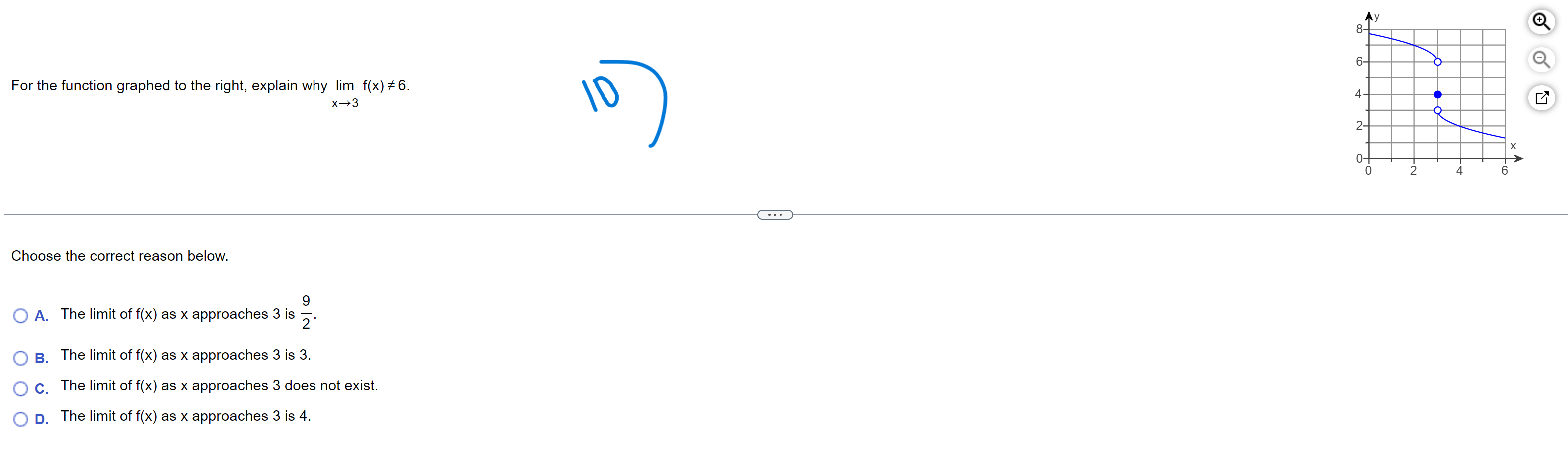
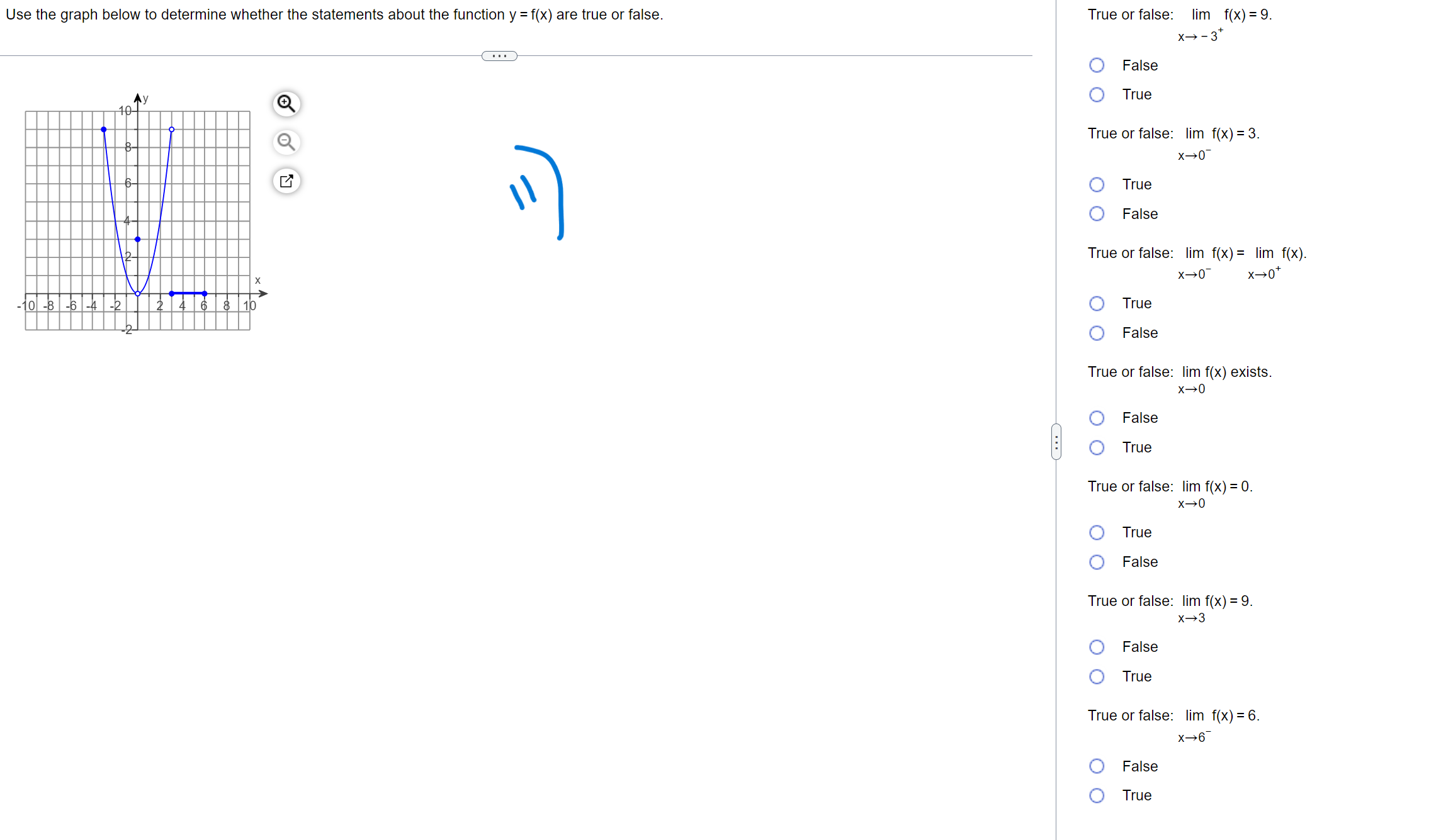
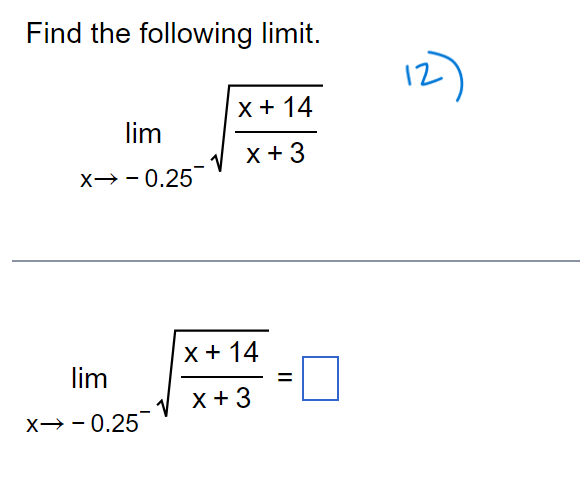
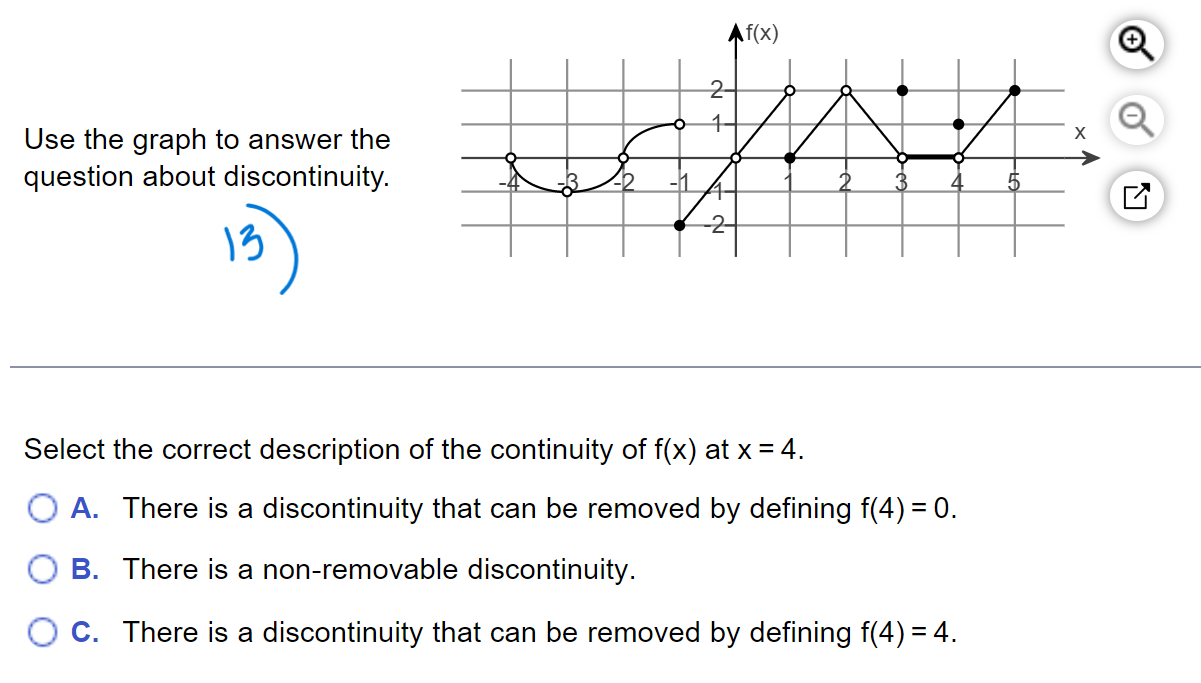
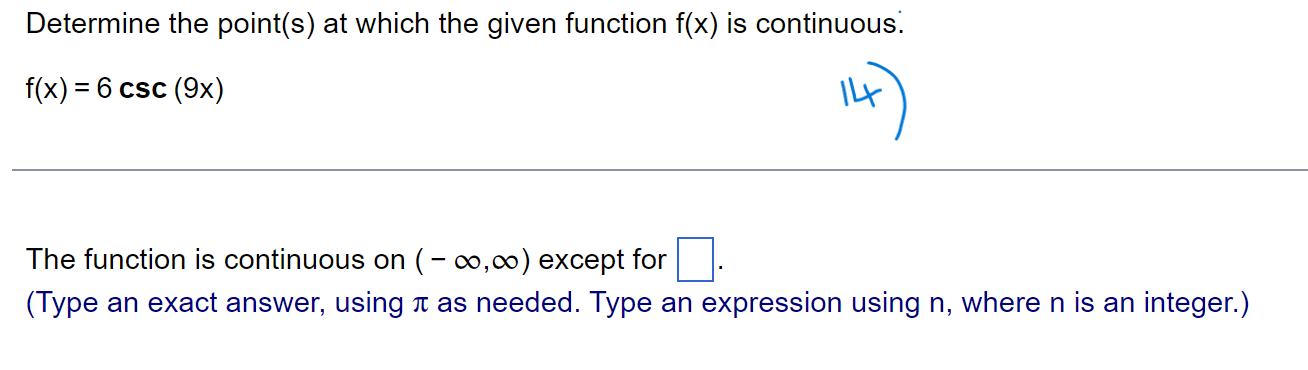
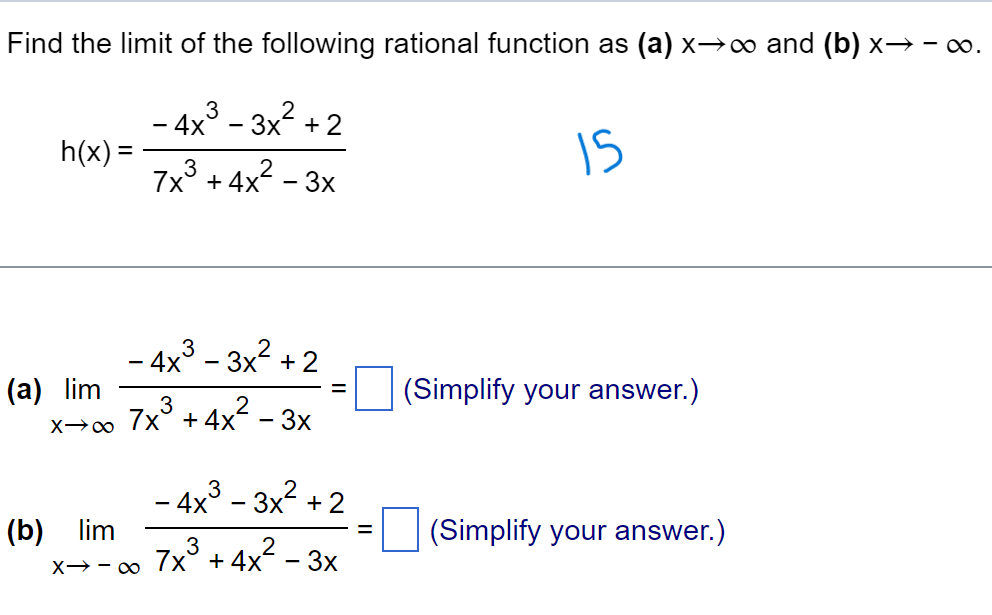
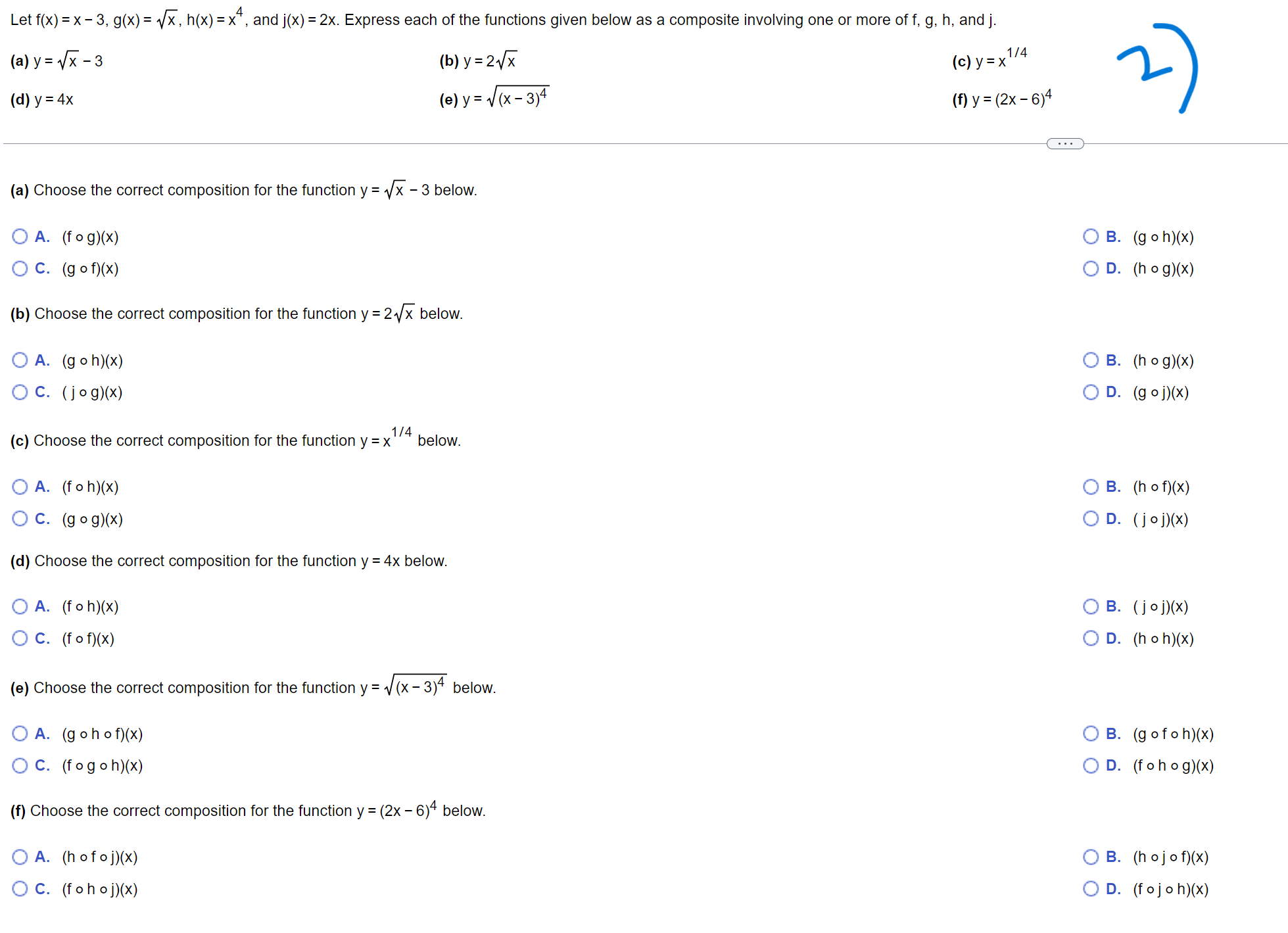
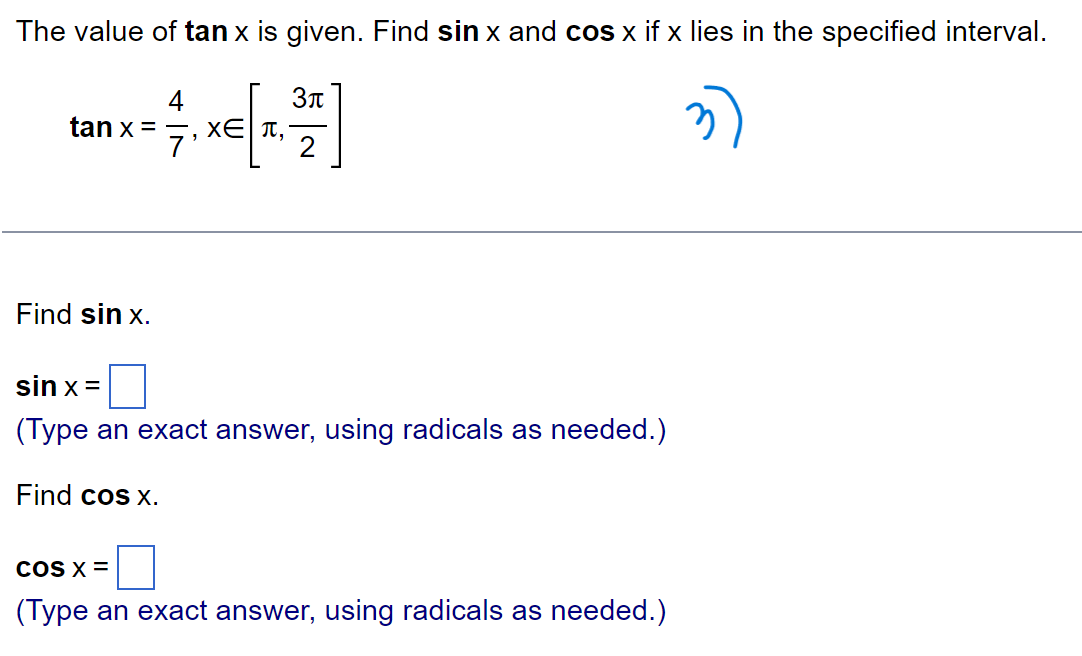
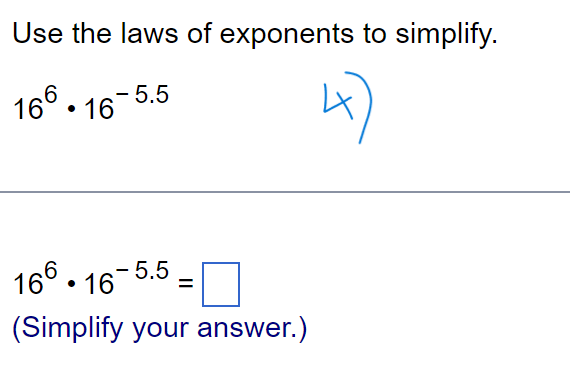
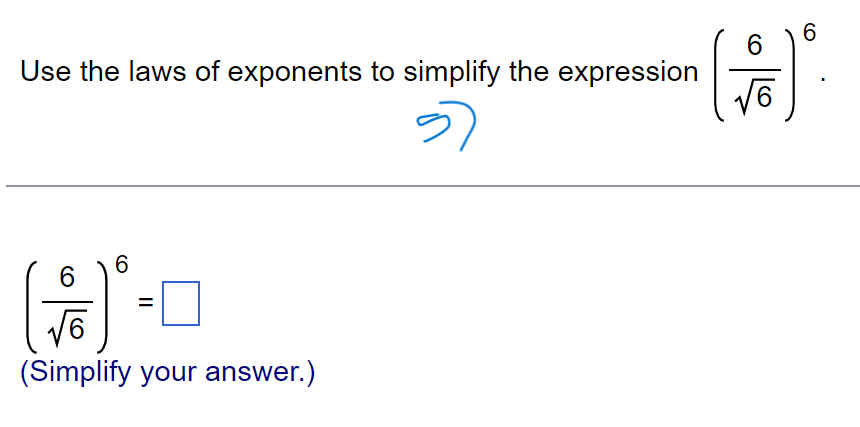
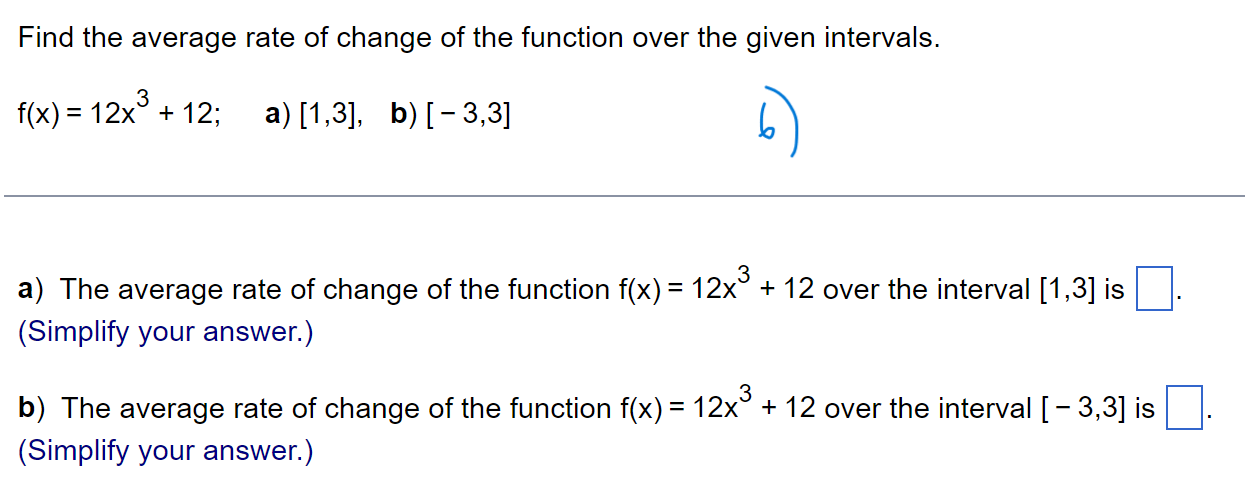
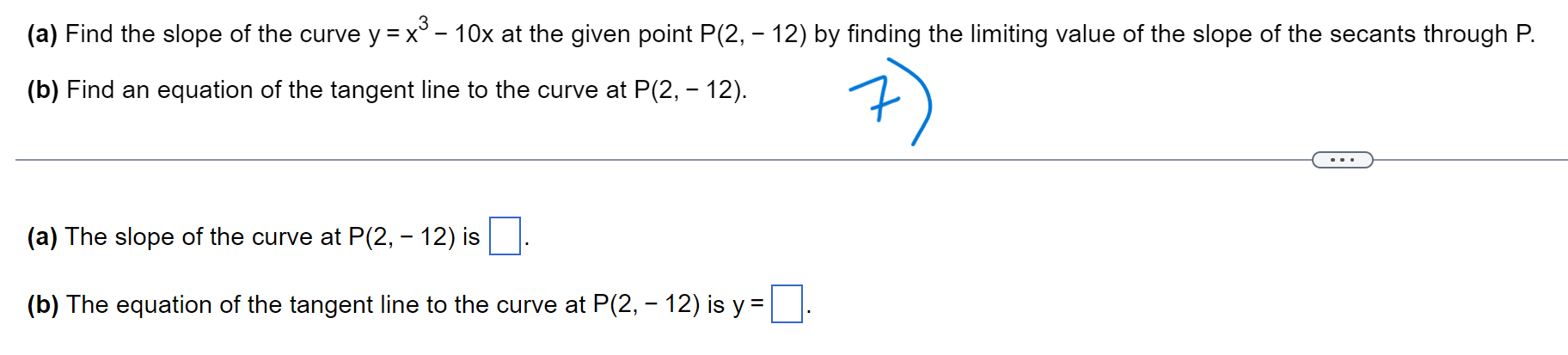
Express the edge length of a cube as a function of the cube's diagonal length d. Then express the surface area and volume of the cube as a function of the diagonal length. A function for the edge length of a cube is L(d) = (Type an exact answer, using radicals as needed.) A function for the surface area of a cube is A(d) = (Type an exact answer, using radicals as needed.) A function for the volume of a cube is V(d) =]. (Type an exact answer, using radicals as needed.)Let f(x) = x - 3, g(x) = \\x, h(x) = x", and j(x) = 2x. Express each of the functions given below as a composite involving one or more of f, g, h, and j. (a) y = 1x - 3 (b ) y = 21x (c) y= x 1/4 (d) y = 4x (e) y = (x- 3)4 (f) y = (2x - 6)4 (a) Choose the correct composition for the function y = Vx - 3 below. OA. (fog)(x) O B. (g oh) (x) O c. (g of) (x) O D. (hog)(x) (b) Choose the correct composition for the function y = 2 1x below. OA. (go h) (x) O B. (hog) (x) O c. (jog)(x) O D. (goj) (x) (c) Choose the correct composition for the function y = x * below. O A. (foh) (x) O B. (h of) (x ) O c. (gog)(x) OD. (joj)(x) (d) Choose the correct composition for the function y = 4x below. O A. (foh) (x) O B. (joj)(x) O c. (f of) (x ) O D. (hoh) (x) (e) Choose the correct composition for the function y = v (x - 3)4 below. O A. (goh of) (x) O B. (g ofoh) (x) O C. (fogoh)(x) OD. (fohog) (x) (f) Choose the correct composition for the function y = (2x - 6)4 below. O A. (hofoj)(x) O B. (hojof) (x) O c. (fohoj)(x) OD. (fojoh)(x)The value of tan x is given. Find sin x and cos x if x lies in the specified interval. 4 tan x = =, XE I, 2 Find sin x. sin x = (Type an exact answer, using radicals as needed. ) Find cos x. COS X = (Type an exact answer, using radicals as needed.)Use the laws of exponents to simplify. 165 -16'5'5 DO 165 - 165'5 =D (Simplify your answer.) Use the laws of exponents to simplify the expression (Simplify your answer.) Find the average rate of change of the function over the given intervals. f(x)=12x3+12; a)[1,3], b)[3.3] Q a) The average rate of change of the function f(x) = 12x3 + 12 over the interval [1,3] is D. (Simplify your answer.) b) The average rate of change of the function f(x) = 12x3 + 12 over the interval [ 3,3] is D. (Simplify your answer.) (a) Find the slope of the curve y = x3 10x at the given point P(2, 12) by finding the limiting value of the slope of the secants through P. (b) Find an equation of the tangent line to the curve at P(2, 12). Q (a) The slope of the curve at P(2, 12) is El. (b) The equation of the tangent line to the curve at F'(2. - 12) is y = Cl. \fFor the given function f(x), the point c. and a positive number 8, find L = lim f(X). Then find a number 6 > 0 such that for all x, O |f(x) - LI C f(x)=24x,c=4,=0.04 q L = (Simplify your answer.) What is the largest possible value for 6? 8 = (Simplify your answer.) For the function graphed to the right, explain why Iim f(x)6. x43 9,0 I?" Choose the correct reason below. 9 Q A. The limit of f(x) as x approaches 3 is E. C; B. The limit of f(x) as x approaches 3 is 3. Q C. The limit of f(x) as x approaches 3 does not exist. 0 D. The limit of f(x) as x approaches 3 is 4. Use he graph below 0 determine whether the statements about the function y = f(x) are true or false. pp True or false: 0 False 0 True True or false: 0 True 0 False True or false: 0 True 0 False True or false: 0 False 0 True True or false: 0 True 0 False True or false: 0 False 0 True True or false: 0 False 0 True lim f(x) = 9. x>3 lim f(x)= lim f(x). + x>O x>O lim f(x) exists. x>O lim f(x) = o. x>O lim f(x) = 9. x>3 Find the following limit. 12 X + 14 lim X+3 X- - 0.25 x + 14 lim E X+3 X- - 0.25Use the graph to answer the question about discontinuity. a Select the correct description of the continuity of f(x) at x = 4. 11:? A. There is a discontinuity that can be removed by defining f(4) = 0. {:5 B. There is a non-removable discontinuity. 11:? C. There is a discontinuity that can be removed by defining f(4) =4. Determine the point(s) at which the given function f(x) is continuous. f(x) = 6 csc (9x) 14 The function is continuous on ( - co, co ) except for (Type an exact answer, using it as needed. Type an expression using n, where n is an integer.)Find the limit of the following rational function as (a) x- co and (b) x- - co. - 4x - 3x + 2 h (x) : 15 7x3 + 4x- - 3x -4x3 - 3x2+2 (a) lim = Simplify your answer.) X-+0 7x+ 4x 2 -3x - 4x3 - 3x2 + 2 (b) lim Simplify your answer.) X - - 00 7x+ 4x2 - 3x
Step by Step Solution
There are 3 Steps involved in it

Get step-by-step solutions from verified subject matter experts
 Study Help