







Question: Figure 1: Six-Step Process Figure 2: H-M-L (High Medium Low) Risk Matric A formal, comprehensive project risk plan allows the project manager to be proactive
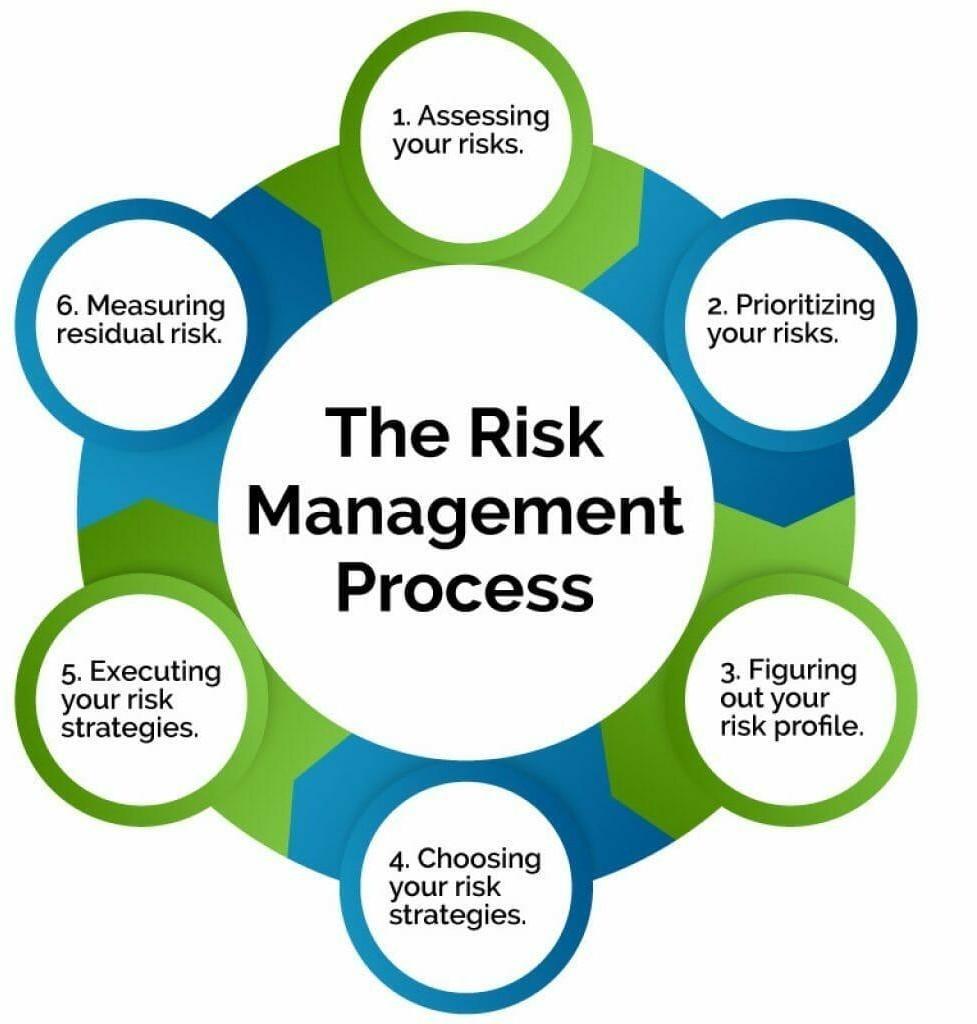
Figure 1: Six-Step Process
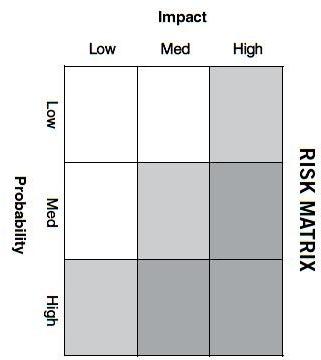
Figure 2: H-M-L (High Medium Low) Risk Matric
A formal, comprehensive project risk plan allows the project manager to be proactive regarding the innumerable things that can and do go wrong with a project.
Project risk management begins early in the life cycle. A clear understanding of the risks that face the project must be established. The Six-Step Process is a common and practical approach to establishing the project risk plan. This process should not be created in a vacuum and typically involves a great deal of research and collaboration with the project team.
Choose one of your current or recent projects, and practice the Six-Step Process (Figure 1). Make a list of potential risks to the project and prioritize each utilizing H-M-L or a simple metric-based scale (Figure 2). Pick any three risks and establish:
Preventive measures.
Contingencies.
Trigger points.
Two or three bullet points for each should suffice.
Two or three bullet points for each should suffice.
Step by Step Solution
There are 3 Steps involved in it

Get step-by-step solutions from verified subject matter experts
 Study Help