







Question: figure 7.3 is not needed to work this out. U5. Section 4.A of this chapter discussed mixing in the battle-of-the-sexes game between Holmes and Watson.
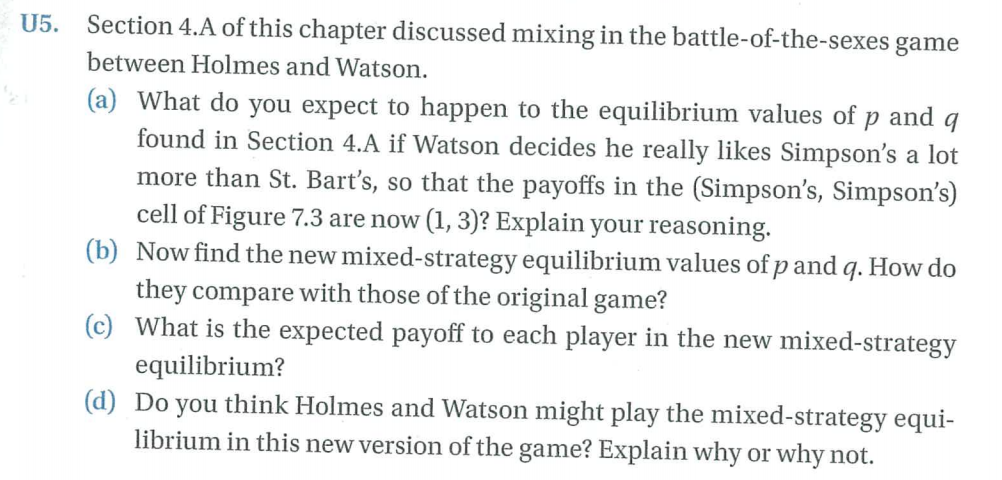
figure 7.3 is not needed to work this out.
U5. Section 4.A of this chapter discussed mixing in the battle-of-the-sexes game between Holmes and Watson. (a) What do you expect to happen to the equilibrium values of p and 9 found in Section 4.A if Watson decides he really likes Simpson's a lot more than St. Bart's, so that the payoffs in the (Simpson's, Simpson's) cell of Figure 7.3 are now (1, 3)? Explain your reasoning. (b) Now find the new mixed-strategy equilibrium values of p and q. How do they compare with those of the original game? (C) What is the expected payoff to each player in the new mixed-strategy equilibrium? (d) Do you think Holmes and Watson might play the mixed-strategy equi- librium in this new version of the game? Explain why or why not. U5. Section 4.A of this chapter discussed mixing in the battle-of-the-sexes game between Holmes and Watson. (a) What do you expect to happen to the equilibrium values of p and 9 found in Section 4.A if Watson decides he really likes Simpson's a lot more than St. Bart's, so that the payoffs in the (Simpson's, Simpson's) cell of Figure 7.3 are now (1, 3)? Explain your reasoning. (b) Now find the new mixed-strategy equilibrium values of p and q. How do they compare with those of the original game? (C) What is the expected payoff to each player in the new mixed-strategy equilibrium? (d) Do you think Holmes and Watson might play the mixed-strategy equi- librium in this new version of the game? Explain why or why notStep by Step Solution
There are 3 Steps involved in it
1 Expert Approved Answer
Step: 1 Unlock

Question Has Been Solved by an Expert!
Get step-by-step solutions from verified subject matter experts
Step: 2 Unlock
Step: 3 Unlock
 Study Help