Question: First , please find an article you find interesting using the PPCC Learning Commons EBSCO database. Summary (one half page) In your own words, summarize
First, please find an article you find interesting using the PPCC Learning Commons EBSCO database.
Summary (one half page) In your own words, summarize the main points of the article. If you quote directly from the article be sure to use quotation marks and note the pages in parentheses, e.g., (pp. 34 35).
Critique (one half page)
Do you agree or disagree with the authors point of view on the topic, and more importantly, why do you agree or disagree? Use the Pro/Con method to explain. Given your business knowledge gained through the text, lecture, and discussion, determine if the authors main point should be viewed as inductive and which as deductive. Can the conclusion be confidently made with certainty? (Deductive) Or should the conclusion be qualified as highly likely or at least probable, but less than certain? (Inductive)
Tie-in: (one Full page)
Where and how do the points discussed in the article tie-in or relate to the ideas and concepts discussed in our textbook? You may additionally tie-in the article to your career plans. Carefully consider the tie-in connection when you are selecting your article. Be specific and cite the text chapters and key phrases (use bold print) you reference. Discuss fully. {example: relates to our text (Ch. 5; Hostile Takeovers) }
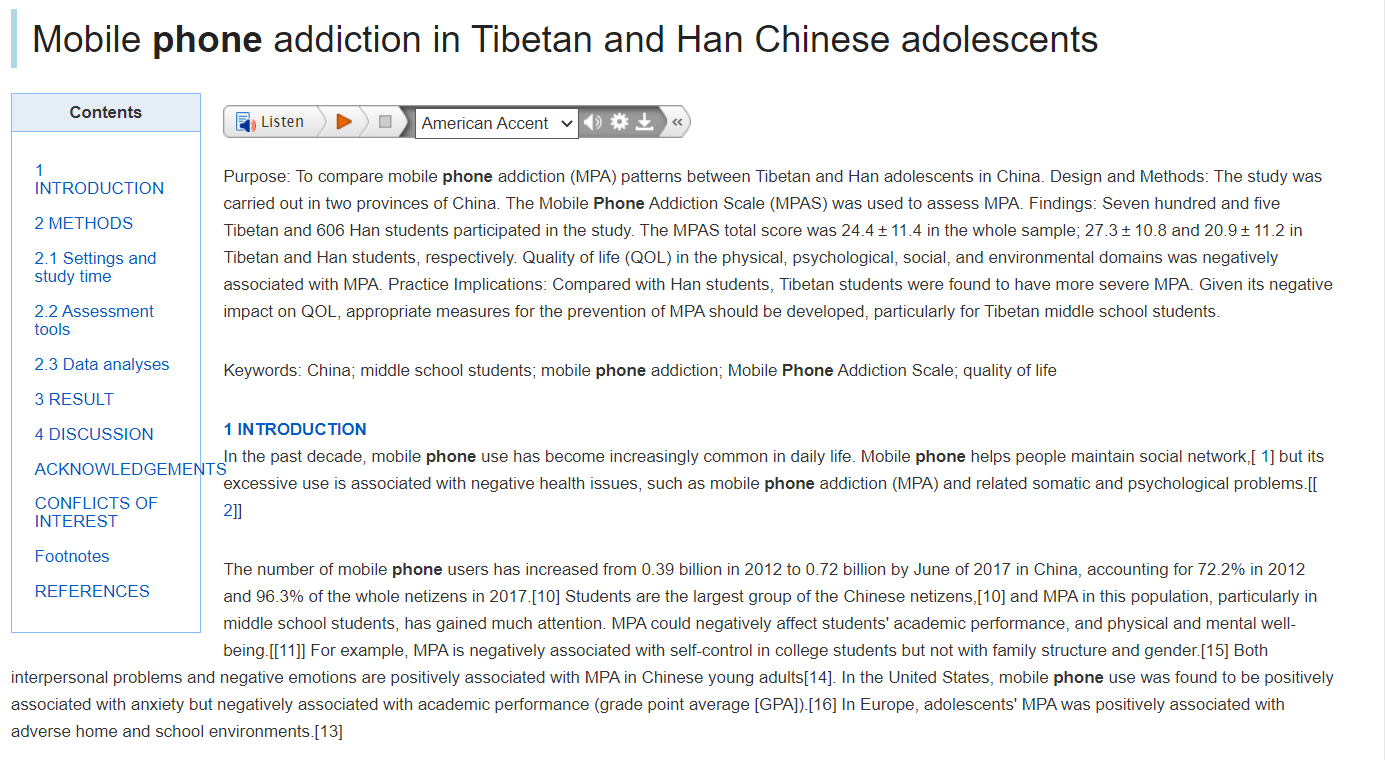
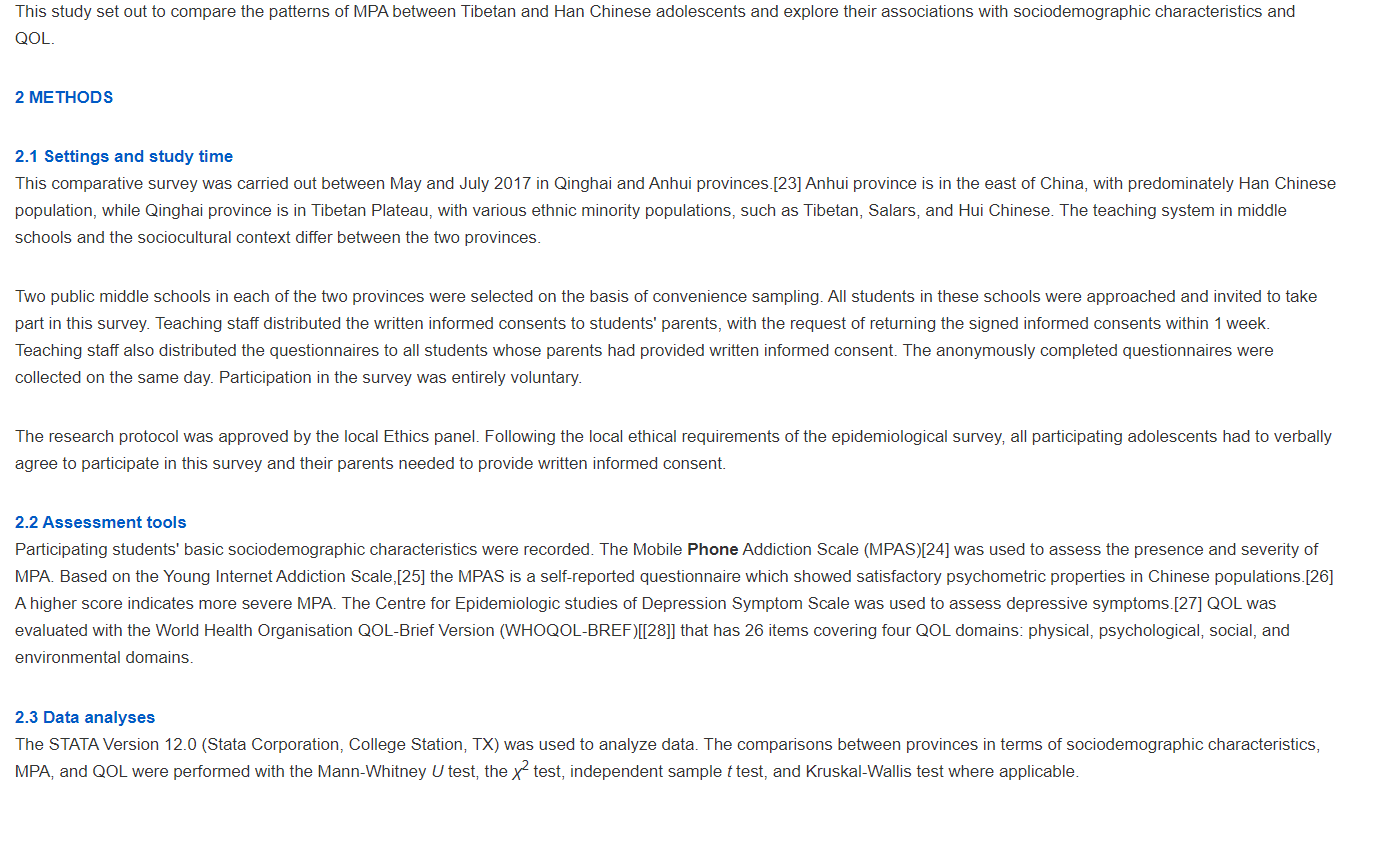
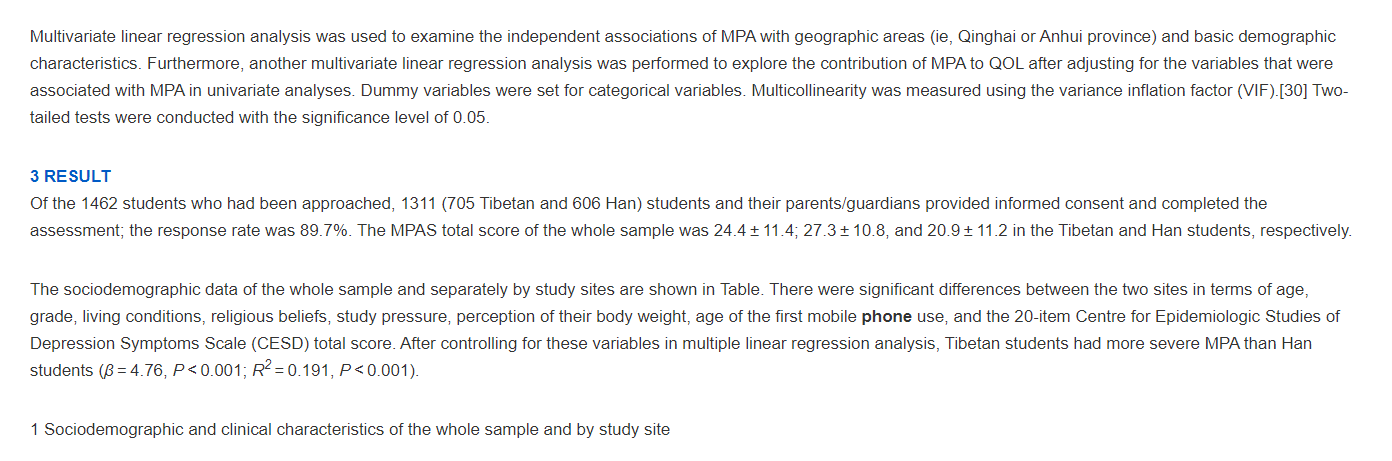
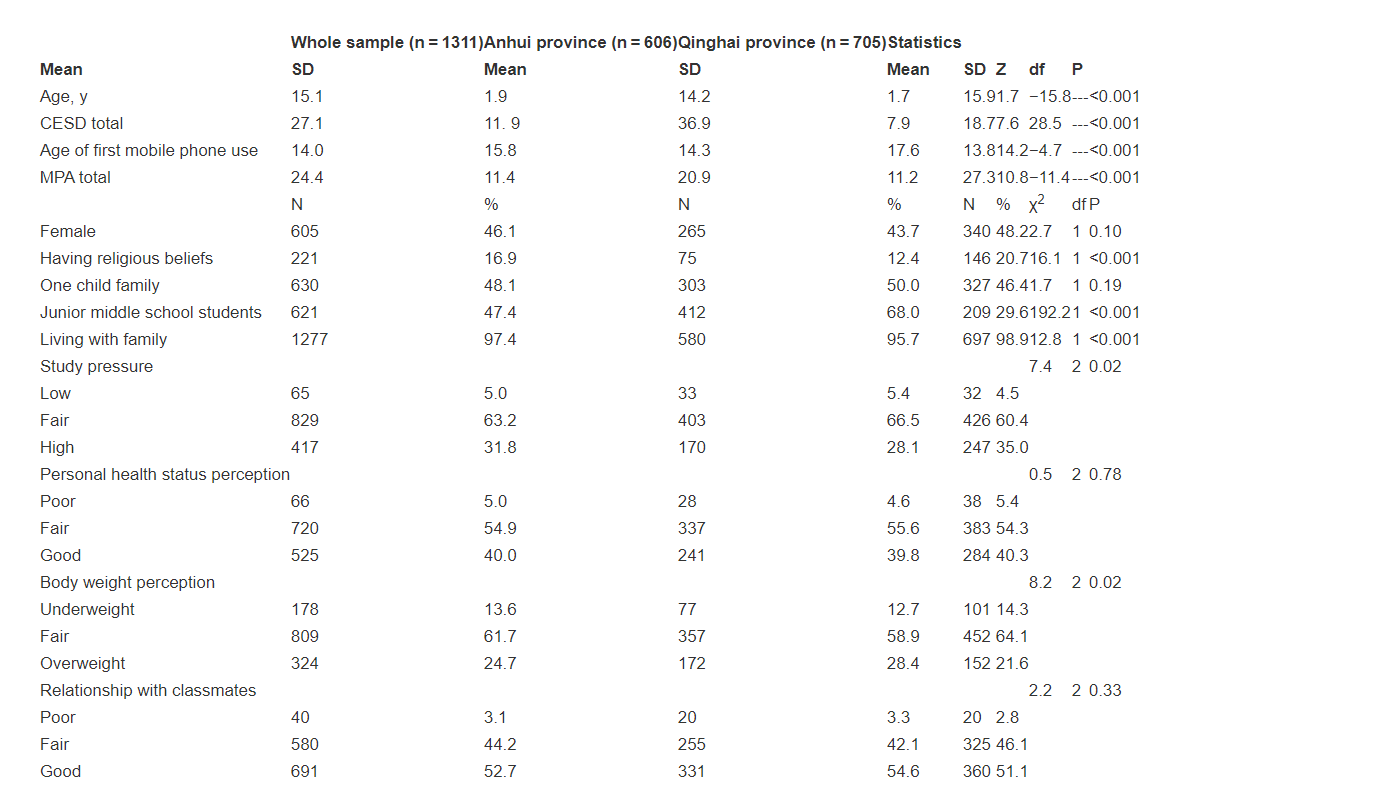
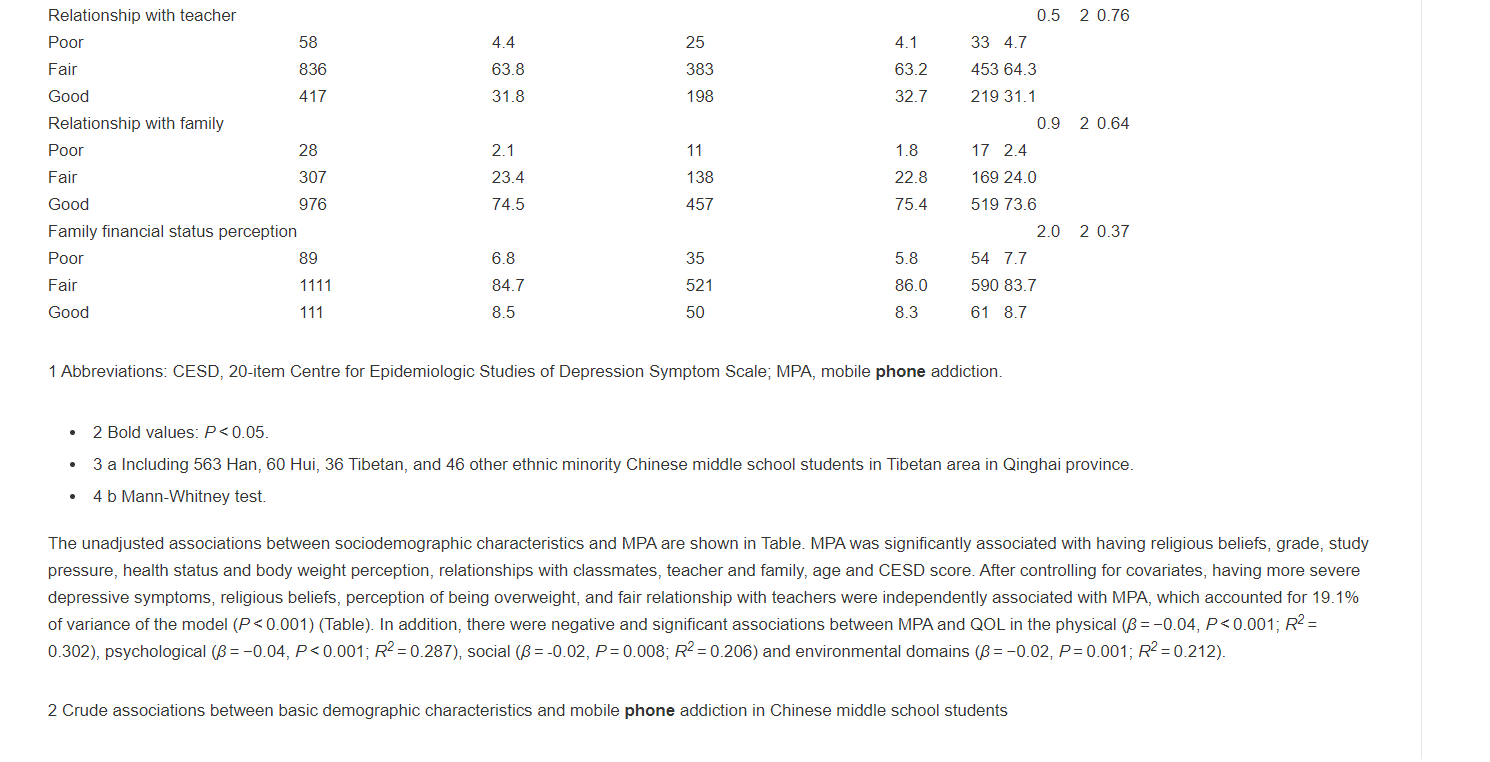
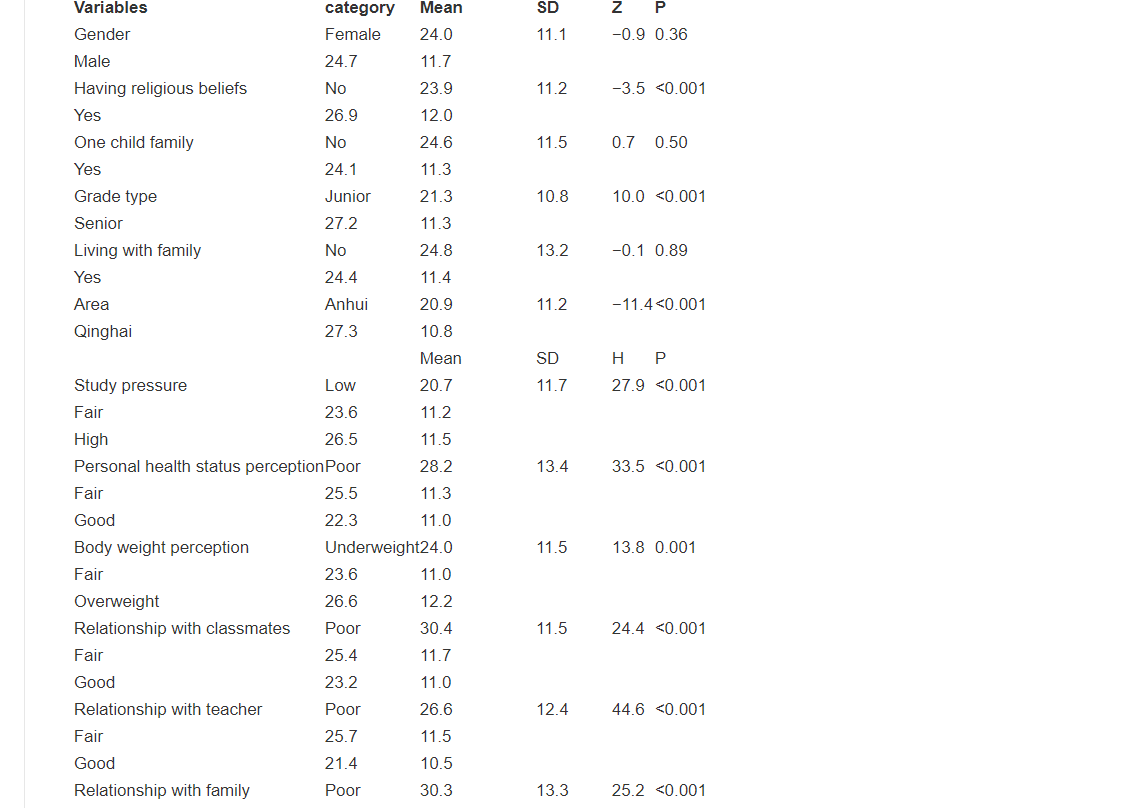
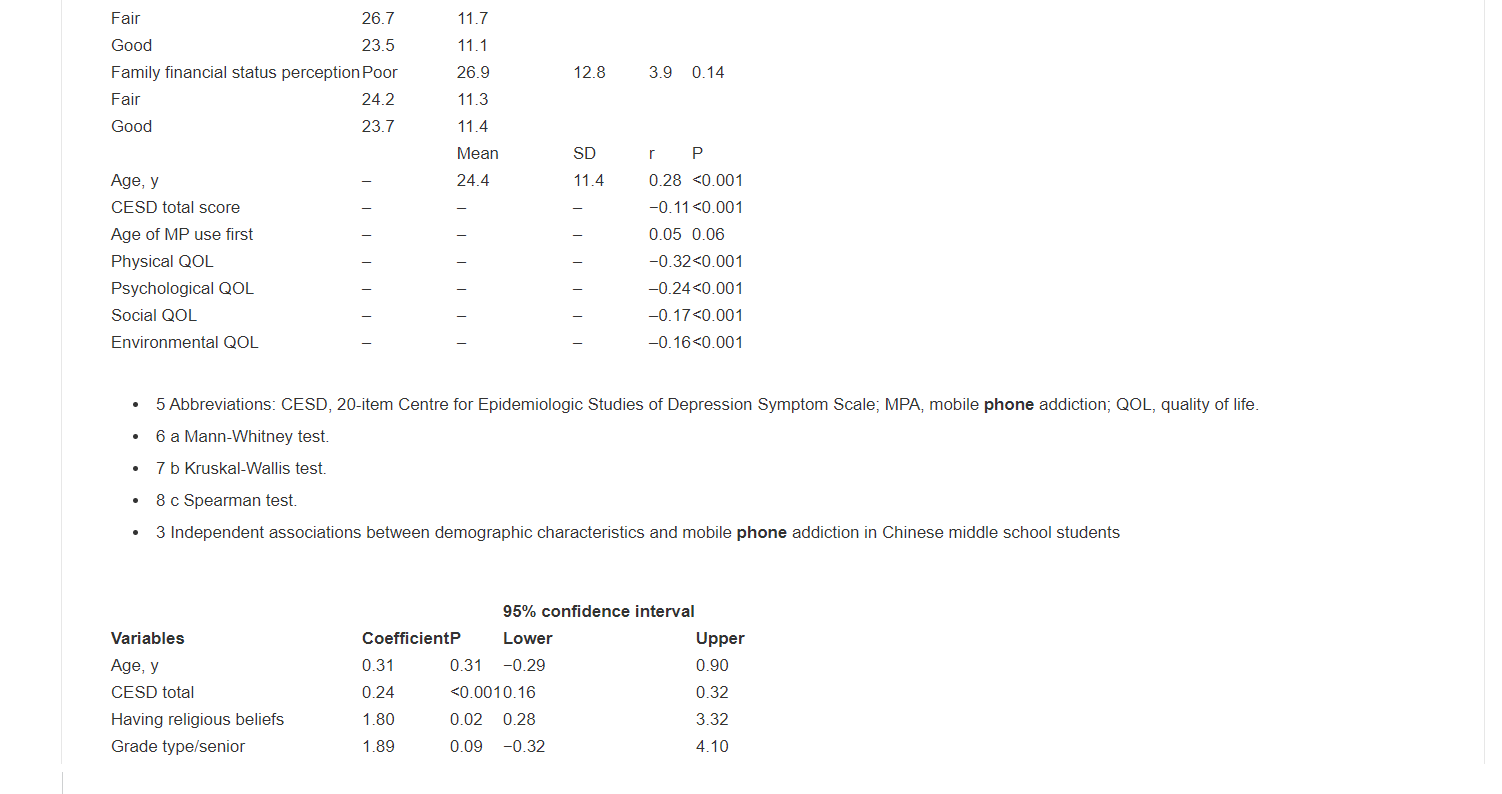
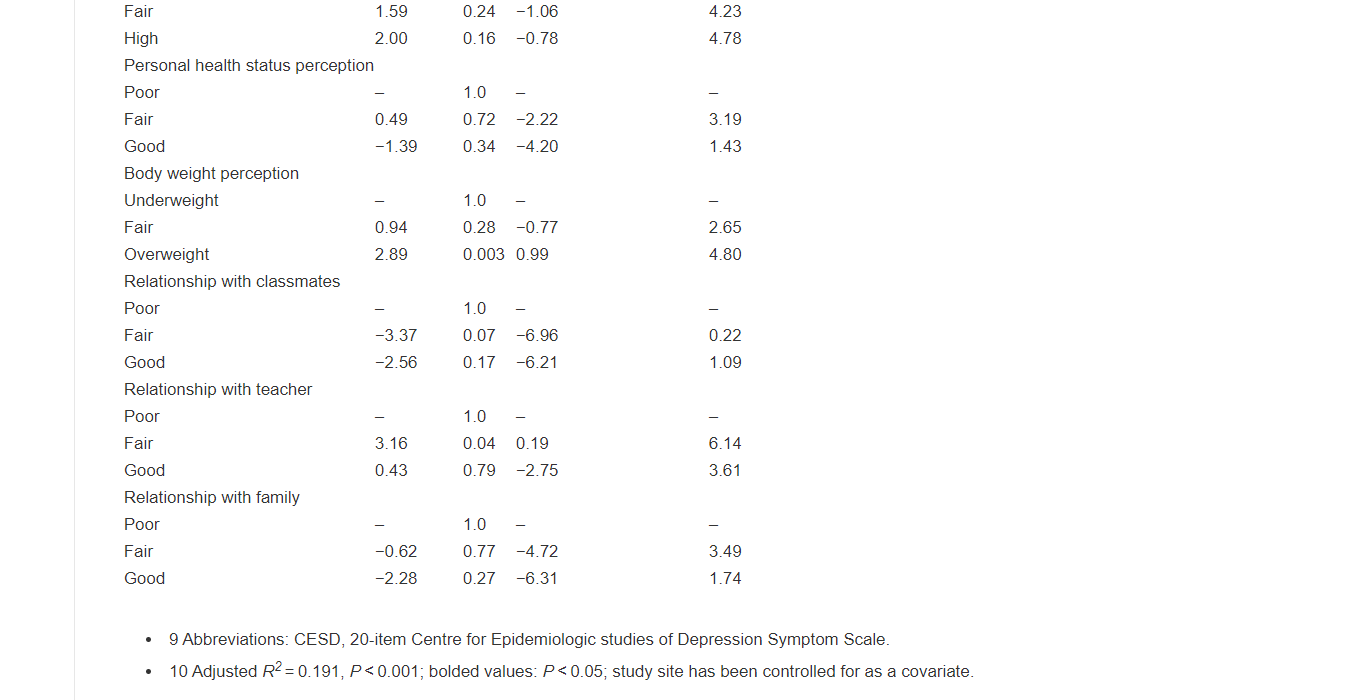
Mobile phone addiction in Tibetan and Han Chinese adolescents Contents Listen American Accent v) * 1 INTRODUCTION 2 METHODS Purpose: To compare mobile phone addiction (MPA) patterns between Tibetan and Han adolescents in China. Design and Methods: The study was carried out in two provinces of China. The Mobile Phone Addiction Scale (MPAS) was used to assess MPA. Findings: Seven hundred and five Tibetan and 606 Han students participated in the study. The MPAS total score was 24.4+11.4 in the whole sample; 27.3+10.8 and 20.9+ 11.2 in Tibetan and Han students, respectively. Quality of life (QOL) in the physical, psychological, social, and environmental domains was negatively associated with MPA. Practice Implications: Compared with Han students, Tibetan students were found to have more severe MPA. Given its negative impact on QOL, appropriate measures for the prevention of MPA should be developed, particularly for Tibetan middle school students. 2.1 Settings and study time 2.2 Assessment tools 2.3 Data analyses Keywords: China; middle school students, mobile phone addiction, Mobile Phone Addiction Scale, quality of life 3 RESULT 4 DISCUSSION 1 INTRODUCTION In the past decade, mobile phone use has become increasingly common in daily life. Mobile phone helps people maintain social network, [ 1] but its ACKNOWLEDGEMENTS excessive use is associated with negative health issues, such as mobile phone addiction (MPA) and related somatic and psychological problems.[[ CONFLICTS OF 2]] INTEREST Footnotes The number of mobile phone users has increased from 0.39 billion in 2012 to 0.72 billion by June of 2017 in China, accounting for 72.2% in 2012 REFERENCES and 96.3% of the whole netizens in 2017.[10] Students are the largest group of the Chinese netizens, [10] and MPA in this population, particularly in middle school students, has gained much attention. MPA could negatively affect students' academic performance, and physical and mental well- being.[[11]] For example, MPA is negatively associated with self-control in college students but not with family structure and gender.[15] Both interpersonal problems and negative emotions are positively associated with MPA in Chinese young adults[14]. In the United States, mobile phone use was found to be positively associated with anxiety but negatively associated with academic performance (grade point average [GPA]).[16] In Europe, adolescents' MPA was positively associated with adverse home and school environments.[13] This study set out to compare the patterns of MPA between Tibetan and Han Chinese adolescents and explore their associations with sociodemographic characteristics and QOL. 2 METHODS 2.1 Settings and study time This comparative survey was carried out between May and July 2017 in Qinghai and Anhui provinces.[23] Anhui province is in the east of China, with predominately Han Chinese population, while Qinghai province is in Tibetan Plateau, with various ethnic minority populations, such as Tibetan, Salars, and Hui Chinese. The teaching system in middle schools and the sociocultural context differ between the two provinces. Two public middle schools in each of the two provinces were selected on the basis of convenience sampling. All students in these schools were approached and invited to take part in this survey. Teaching staff distributed the written informed consents to students' parents, with the request of returning the signed informed consents within 1 week. Teaching staff also distributed the questionnaires to all students whose parents had provided written informed consent. The anonymously completed questionnaires were collected on the same day. Participation in the survey was entirely voluntary. The research protocol was approved by the local Ethics panel. Following the local ethical requirements of the epidemiological survey, all participating adolescents had to verbally agree to participate in this survey and their parents needed to provide written informed consent. 2.2 Assessment tools Participating students' basic sociodemographic characteristics were recorded. The Mobile Phone Addiction Scale (MPAS)[24] was used to assess the presence and severity of MPA. Based on the Young Internet Addiction Scale, [25] the MPAS is a self-reported questionnaire which showed satisfactory psychometric properties in Chinese populations.[26] A higher score indicates more severe MPA. The Centre for Epidemiologic studies of Depression Symptom Scale was used to assess depressive symptoms.[27] QOL was evaluated with the World Health Organisation QOL-Brief Version (WHOQOL-BREF)[[28]] that has 26 items covering four QOL domains: physical, psychological, social, and environmental domains. 2.3 Data analyses The STATA Version 12.0 (Stata Corporation, College Station, TX) was used to analyze data. The comparisons between provinces in terms of sociodemographic characteristics, MPA, and QOL were performed with the Mann-Whitney U test, the x test, independent sample t test, and Kruskal-Wallis test where applicable. Multivariate linear regression analysis was used to examine the independent associations of MPA with geographic areas (ie, Qinghai or Anhui province) and basic demographic characteristics. Furthermore, another multivariate linear regression analysis was performed to explore the contribution of MPA to QOL after adjusting for the variables that were associated with MPA in univariate analyses. Dummy variables were set for categorical variables. Multicollinearity was measured using the variance inflation factor (VIF).[30] Two- tailed tests were conducted with the significance level of 0.05. 3 RESULT Of the 1462 students who had been approached, 1311 (705 Tibetan and 606 Han) students and their parents/guardians provided informed consent and completed the assessment; the response rate was 89.7%. The MPAS total score of the whole sample was 24.4 11.4; 27.310.8, and 20.9 + 11.2 in the Tibetan and Han students, respectively. The sociodemographic data of the whole sample and separately by study sites are shown in Table. There were significant differences between the two sites in terms of age, grade, living conditions, religious beliefs, study pressure, perception of their body weight, age of the first mobile phone use, and the 20-item Centre for Epidemiologic Studies of Depression Symptoms Scale (CESD) total score. After controlling for these variables in multiple linear regression analysis, Tibetan students had more severe MPA than Han students (B = 4.76, P









 Study Help