







Question: For (t) = 4 3e, find '(1), f'(0), and f'(1). NOTE: Round your answers to three decimal places. '(1) = y 4 t -4
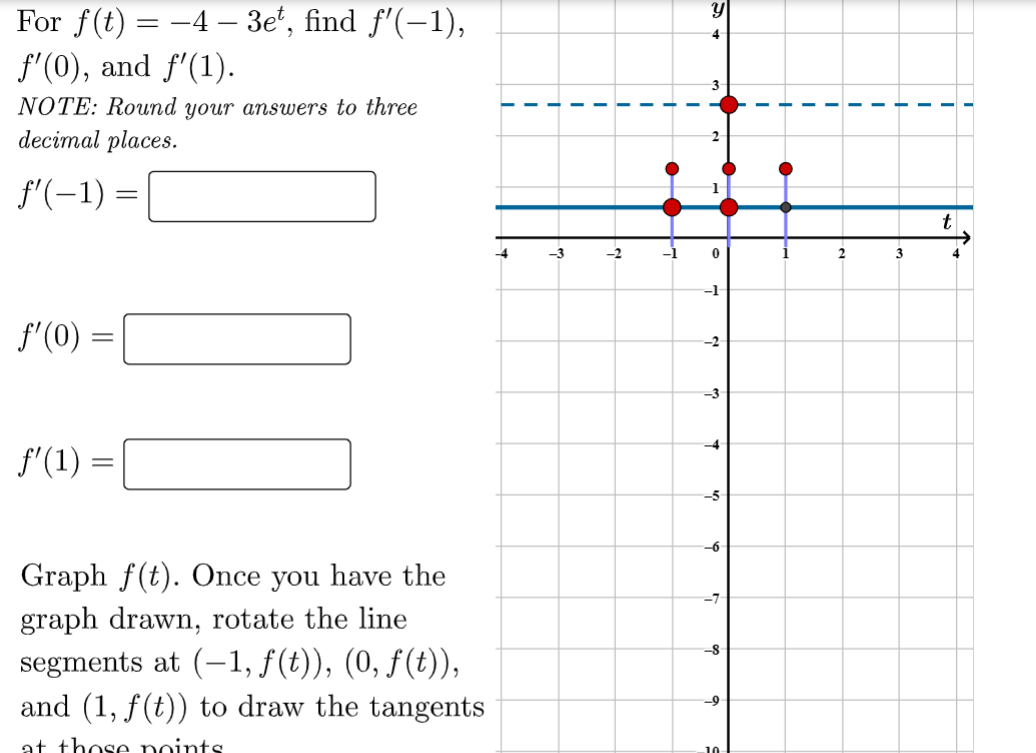
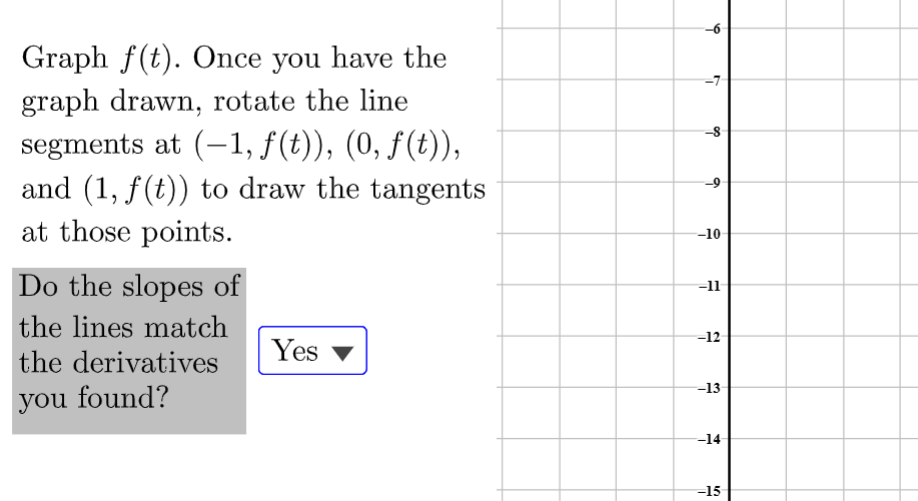
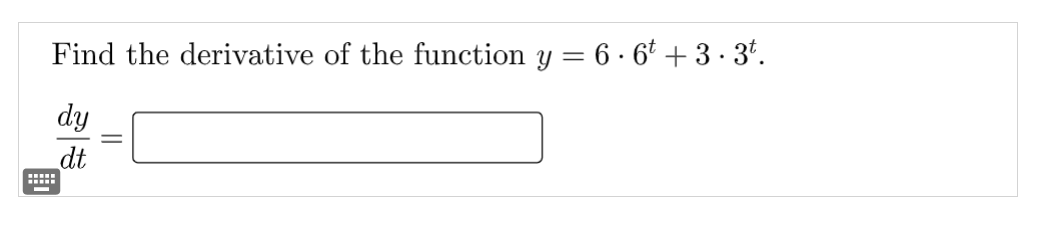
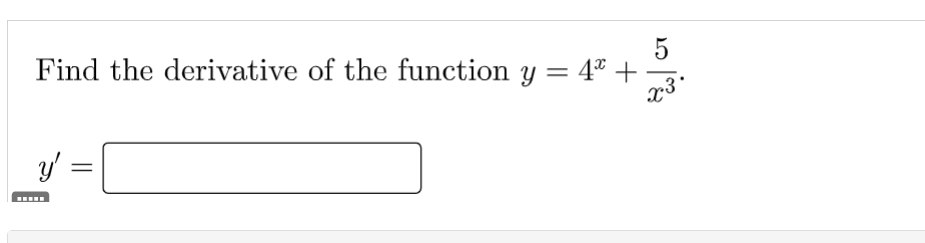
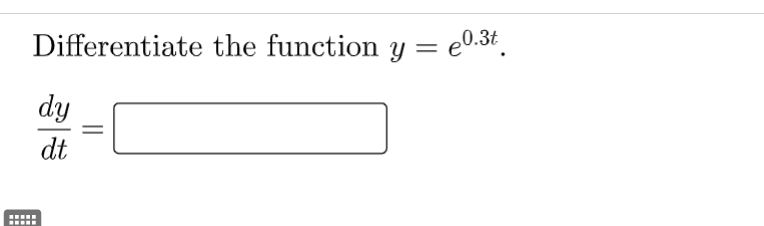
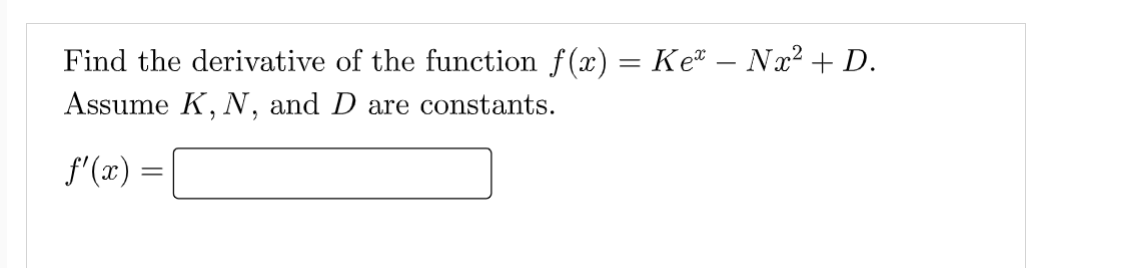
For (t) = 4 3e, find '(1), f'(0), and f'(1). NOTE: Round your answers to three decimal places. '(1) = y 4 t -4 -3 -2 -1 0 2 3 4 -1 f'(0) f'(1) = Graph f(t). Once you have the graph drawn, rotate the line segments at (1, (t)), (0, (t)), and (1, f(t)) to draw the tangents at those points. -2 -3 -4 -5 -6 -7 9 -9- 10 Graph f(t). Once you have the graph drawn, rotate the line segments at (-1, (t)), (0, (t)), and (1, f(t)) to draw the tangents at those points. Do the slopes of the lines match the derivatives you found? Yes -6 -7 19. -10 -11 -12 -13 -14 -15 - Find the derivative of the function y = 6.6 +3.3t. dy dt Find the derivative of the function y = = 4x + y' = = 5 Differentiate the function y = 0.3t dy dt Find the derivative of the function f(x) = Ke Nx + D. Assume K, N, and D are constants. f'(x) =
Step by Step Solution
There are 3 Steps involved in it

Get step-by-step solutions from verified subject matter experts
 Study Help