



Question: For the following queries, when appropriate, limit the query result to give the exact answer (i.e. do not provide a table of results and rely
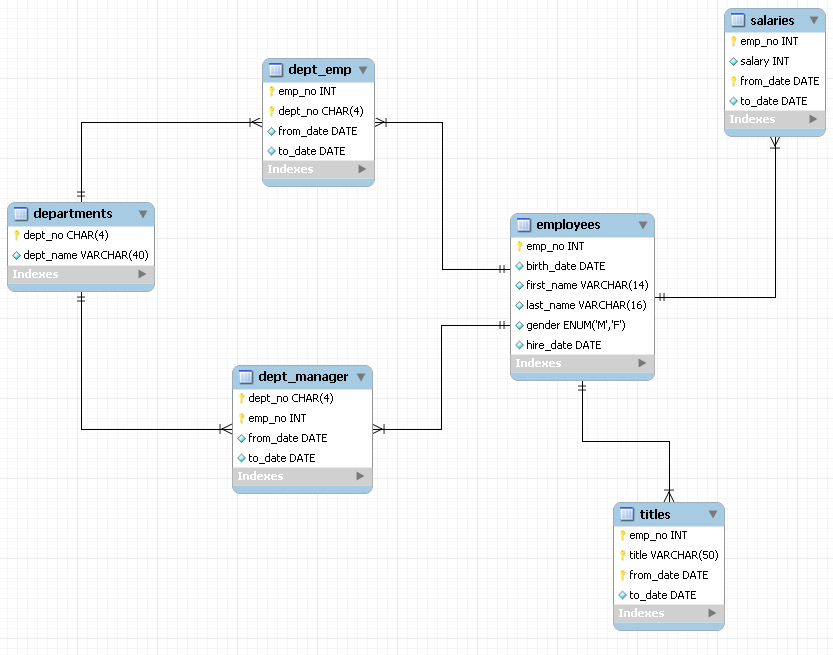
For the following queries, when appropriate, limit the query result to give the exact answer (i.e. do not provide a table of results and rely on user interpretation).
3- Give the above employees title and salary history including the from_date, to_date, title, and salary for each unique record in the salary table.
5- Which department has the highest average salary?
6- Which department currently has the largest number of employees?
7- Georgi Facello has just become the manager for the Development Department. Update the database to reflect this change.
9- Insert a new employee into the database with the following information
birth_date: 01/01/1977
first_name: John
last_name: Smith
gender: M
hire_date: 2013/09/12
title: Senior Engineer
from_date: 2013/09/12
to_date: present (how is this represented in the database?)
salary: 105000
from_date: 2013/09/12
to_date: present
He is the current manager of the Research Department.
NOTE: I post this yestarday and someone answer question no 1,2,4 and 8 but his answer for 3,5,6,7, and were wrong. I execute them but there is somthing wrong in quiries.
salaries emp_no INT salary INT from_date DATE to_date DATE dept-emp emp_no INT ? dept_no CHAR(4) ofron_date DATE to_date DATE departments dept_no CHAR(4) dept_name WARCHAR(40) employees emp_no INT birth_date DATE first_name VARCHAR(14) last-name VARCHAR(16) gender ENUM(M,F) hire_date DATE dept_manager ? dept_no CHAR(4) emp_no INT from_date DATE to_date DATE titles emp-no INT title VARCHAR(50) from_date DATE to_date DATE
Step by Step Solution
There are 3 Steps involved in it

Get step-by-step solutions from verified subject matter experts