







Question: Foundations Of Computer Science (COP 3014) The copyable functions will be at the bottom. Provide .cpp files and .h files in C++ 1) Here are
Foundations Of Computer Science (COP 3014)
The copyable functions will be at the bottom.
Provide .cpp files and .h files in C++
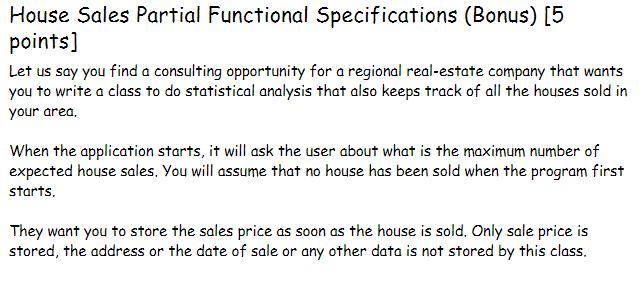
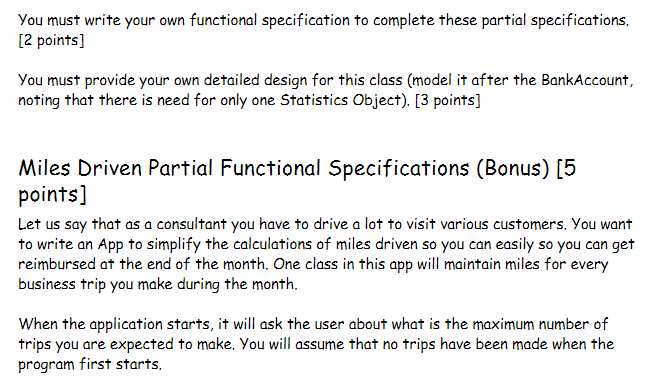
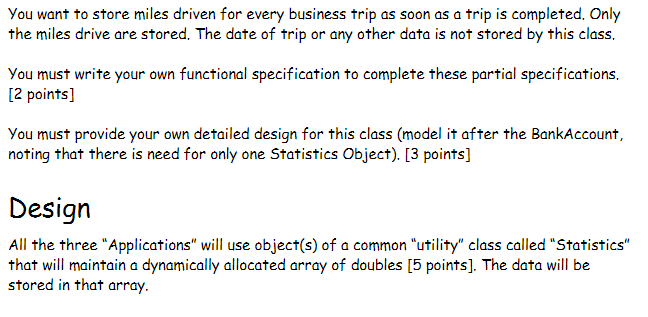
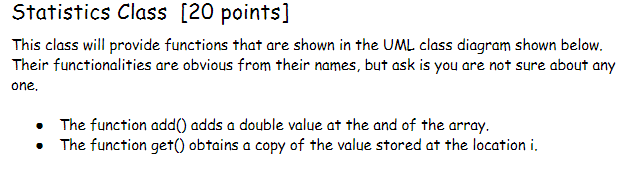

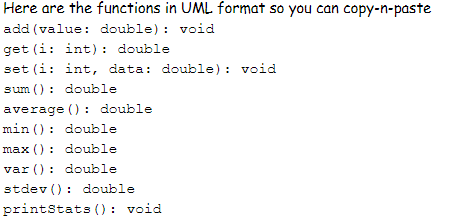

1) Here are the functions in UML format so you can copy-n-paste
add(value: double): void
get(i: int): double
set(i: int, data: double): void
sum(): double
average(): double
min(): double
max(): double
var(): double
stdev(): double
printStats(): void
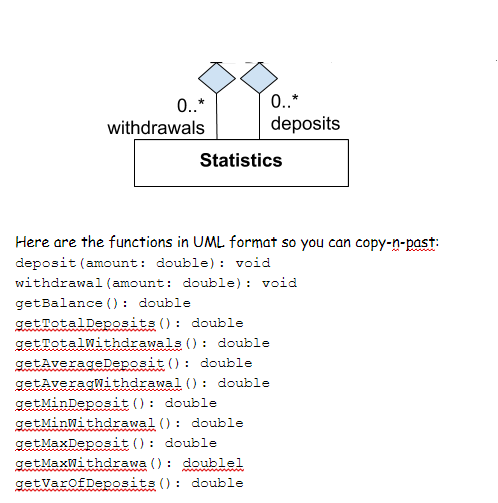
2)Here are the functions in UML format so you can copy-n-past:
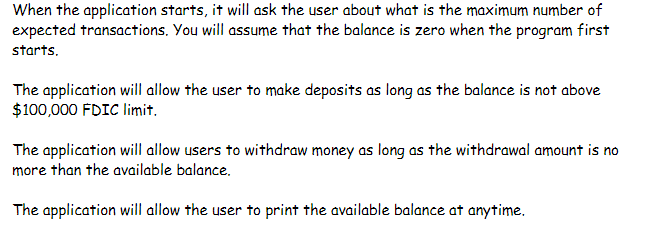
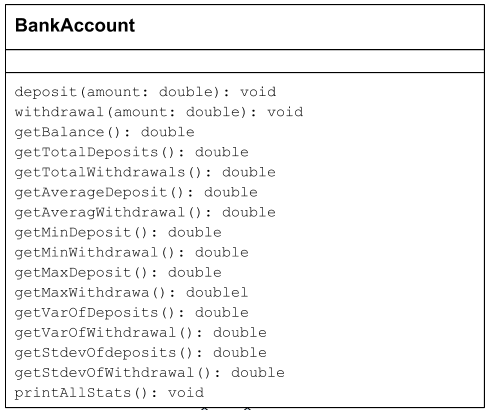
deposit(amount: double): void
withdrawal(amount: double): void
getBalance(): double
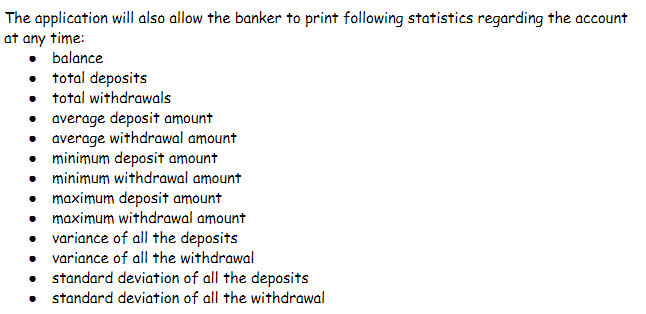
getTotalDeposits(): double
getTotalWithdrawals(): double
getAverageDeposit(): double
getAveragWithdrawal(): double
getMinDeposit(): double
getMinWithdrawal(): double
getMaxDeposit(): double
getMaxWithdrawa(): doublel
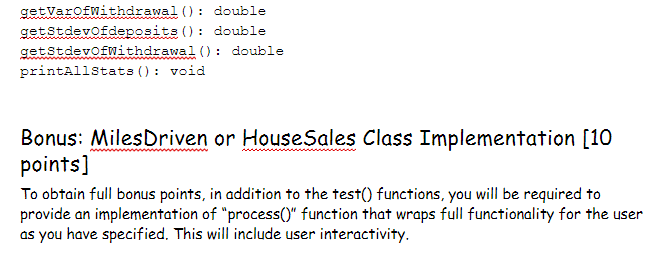
getVarOfDeposits(): double
getVarOfWithdrawal(): double
getStdevOfdeposits(): double
getStdevOfWithdrawal(): double
printAllStats(): void
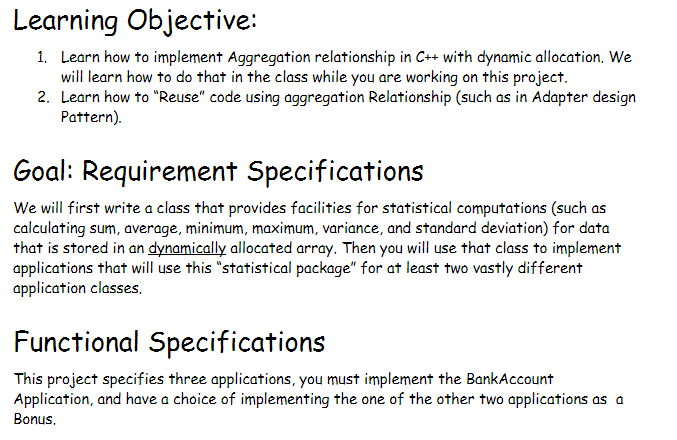
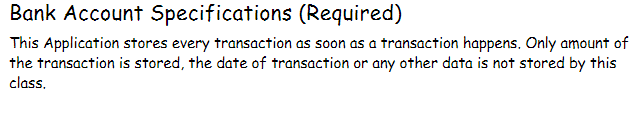
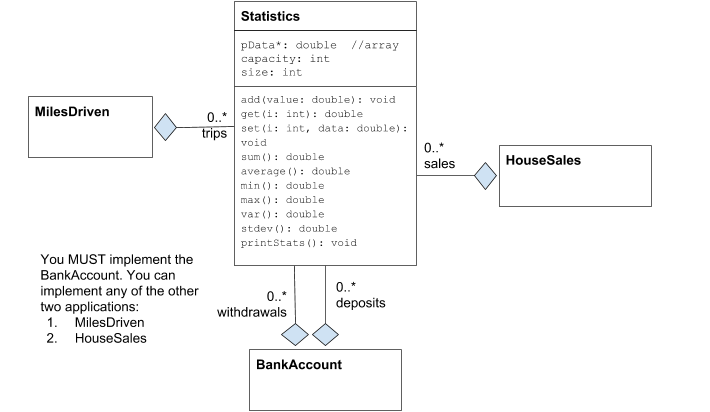
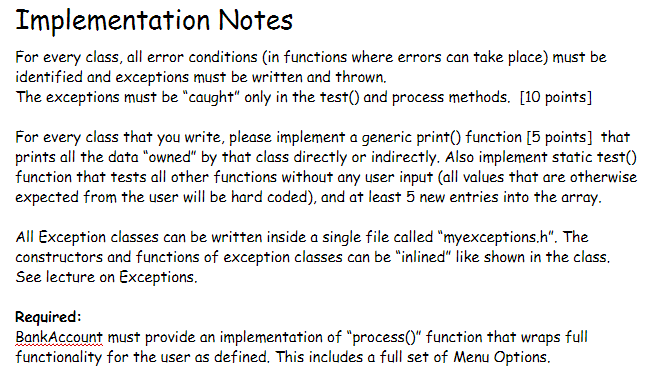
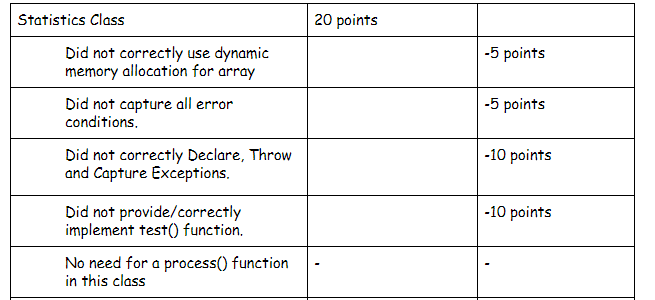
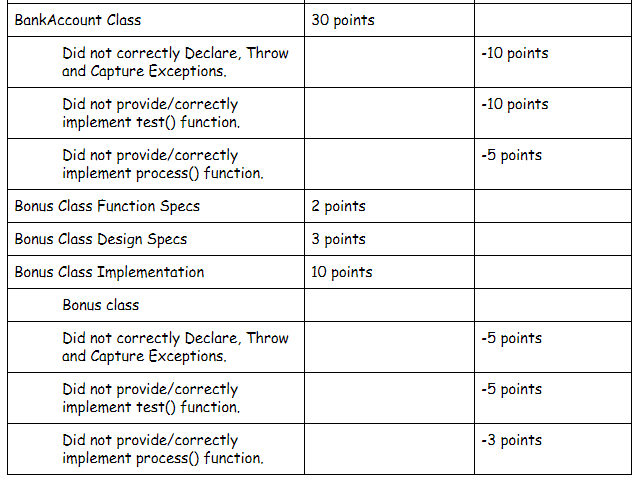
Learning Objective: 1. Learn how to implement Aggregation relationship in C+with dynamic allocation. We will learn how to do that in the class while you are working on this project. 2. Learn how to "Reuse" code using aggregation Relationship (such as in Adapter design Pattern) Goal: Requirement Specifications We will first write a class that provides facilities for statistical computations (such as calculating sum, average, minimum, maximum, variance, and standard deviation) for data that is stored in an dynamically allocated array. Then you will use that class to implement applications that will use this "statistical package" for at least two vastly different application classes. Functional Specifications This project specifies three applications, you must implement the BankAccount Application, and have a choice of implementing the one of the other two applications as a Bonus Learning Objective: 1. Learn how to implement Aggregation relationship in C+with dynamic allocation. We will learn how to do that in the class while you are working on this project. 2. Learn how to "Reuse" code using aggregation Relationship (such as in Adapter design Pattern) Goal: Requirement Specifications We will first write a class that provides facilities for statistical computations (such as calculating sum, average, minimum, maximum, variance, and standard deviation) for data that is stored in an dynamically allocated array. Then you will use that class to implement applications that will use this "statistical package" for at least two vastly different application classes. Functional Specifications This project specifies three applications, you must implement the BankAccount Application, and have a choice of implementing the one of the other two applications as a Bonus
Step by Step Solution
There are 3 Steps involved in it

Get step-by-step solutions from verified subject matter experts
 Study Help