







Question: From the information provided below, do you think the Convention People's Party's government has done more than any other regiment in promoting the development of
From the information provided below, do you think the Convention People's Party's government has done more than any other regiment in promoting the development of Industrial Relations in Ghana? Discuss
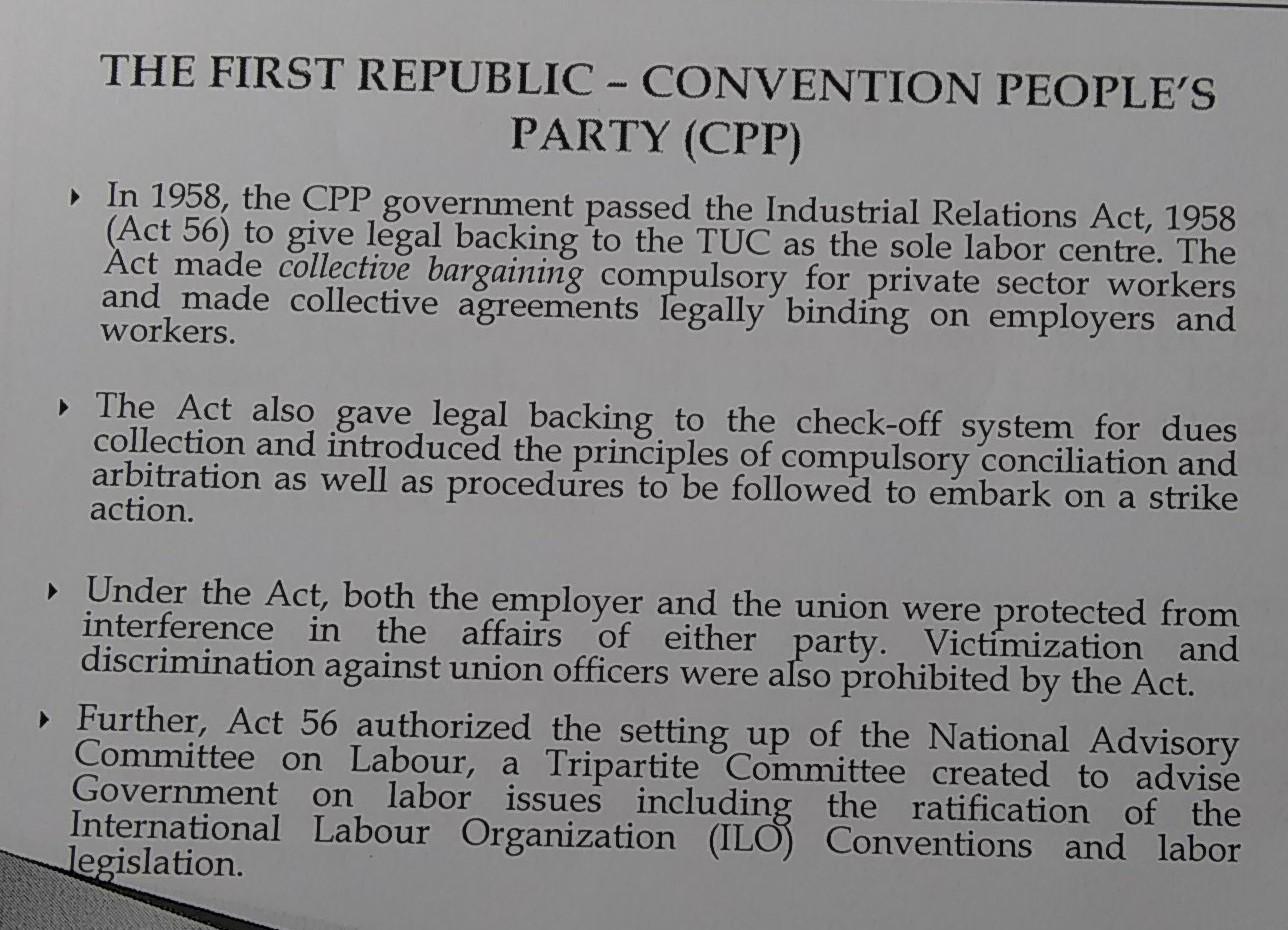
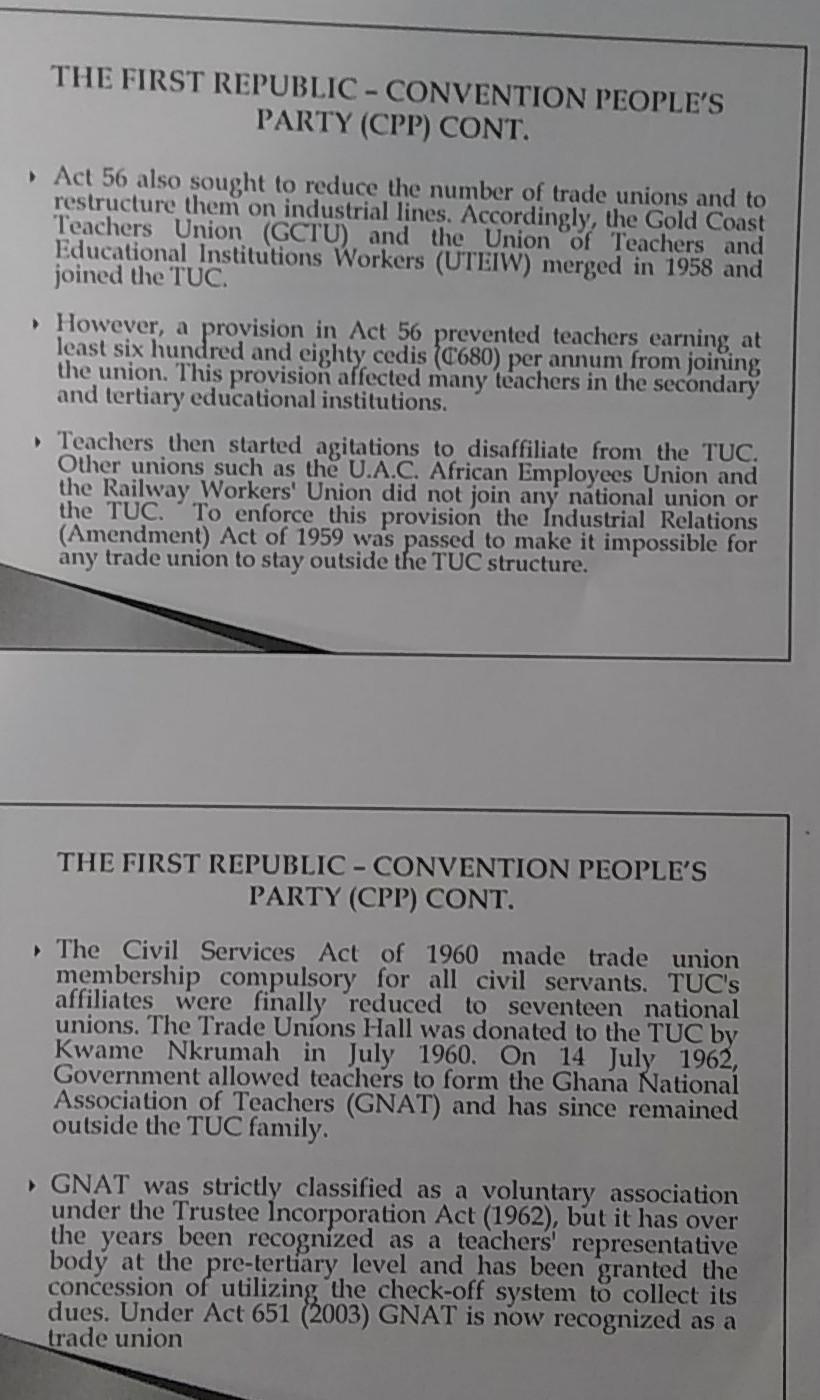
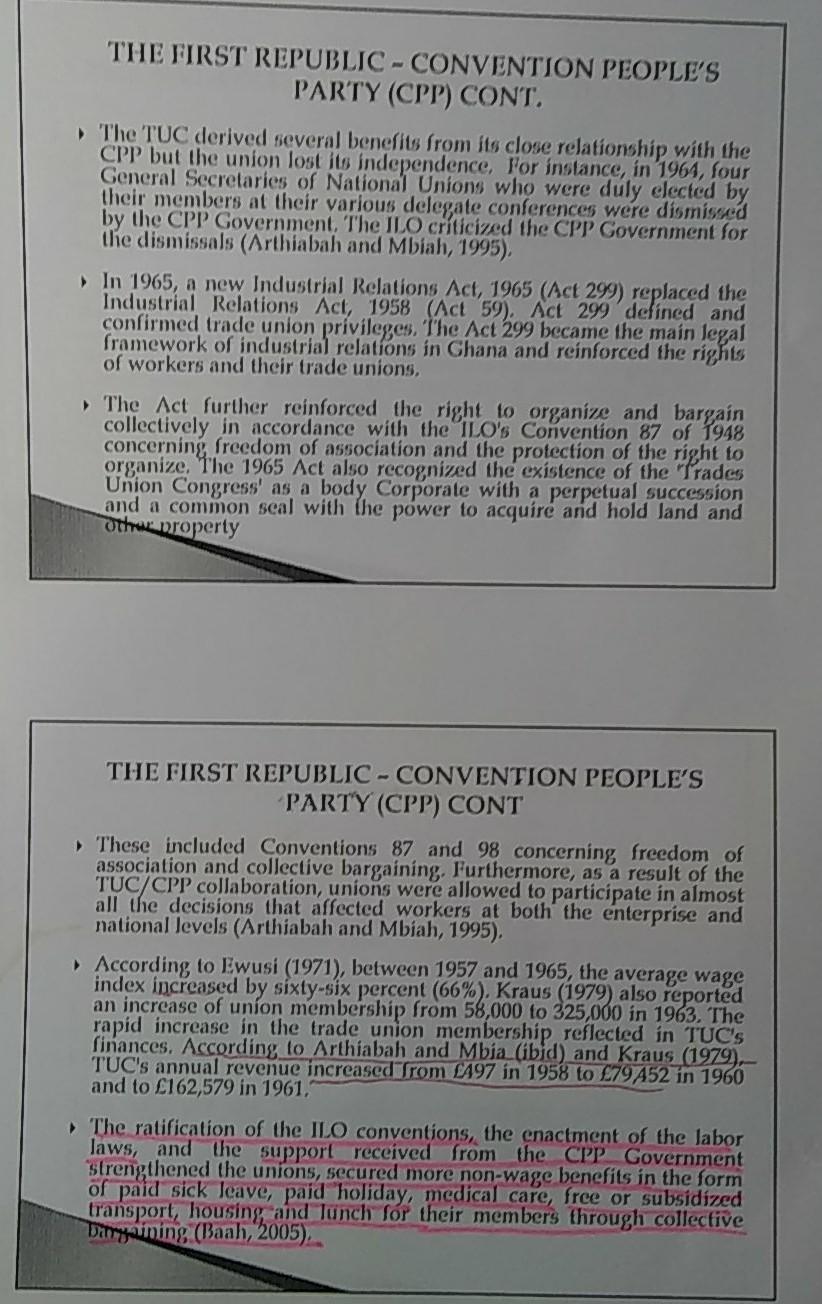
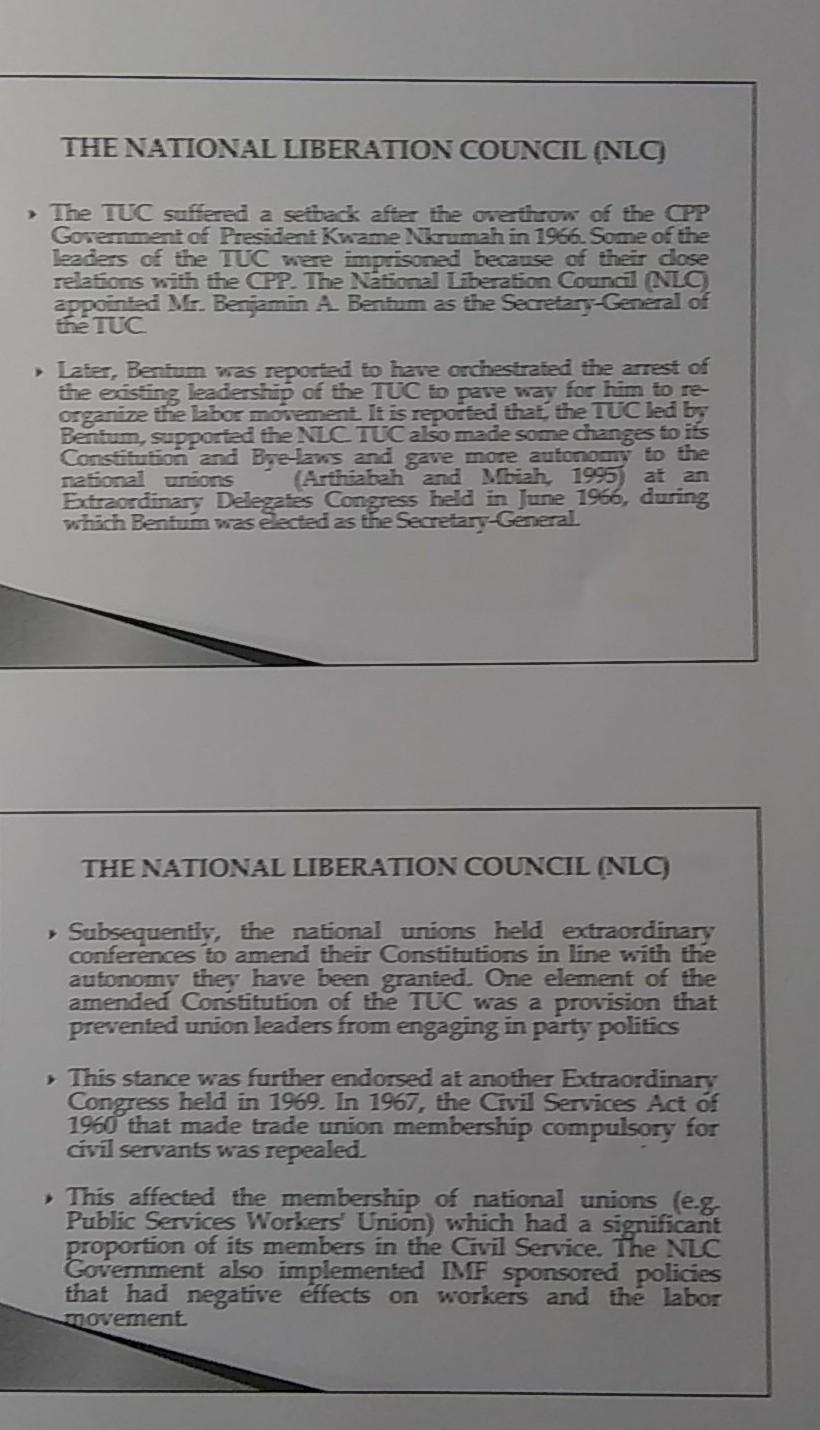
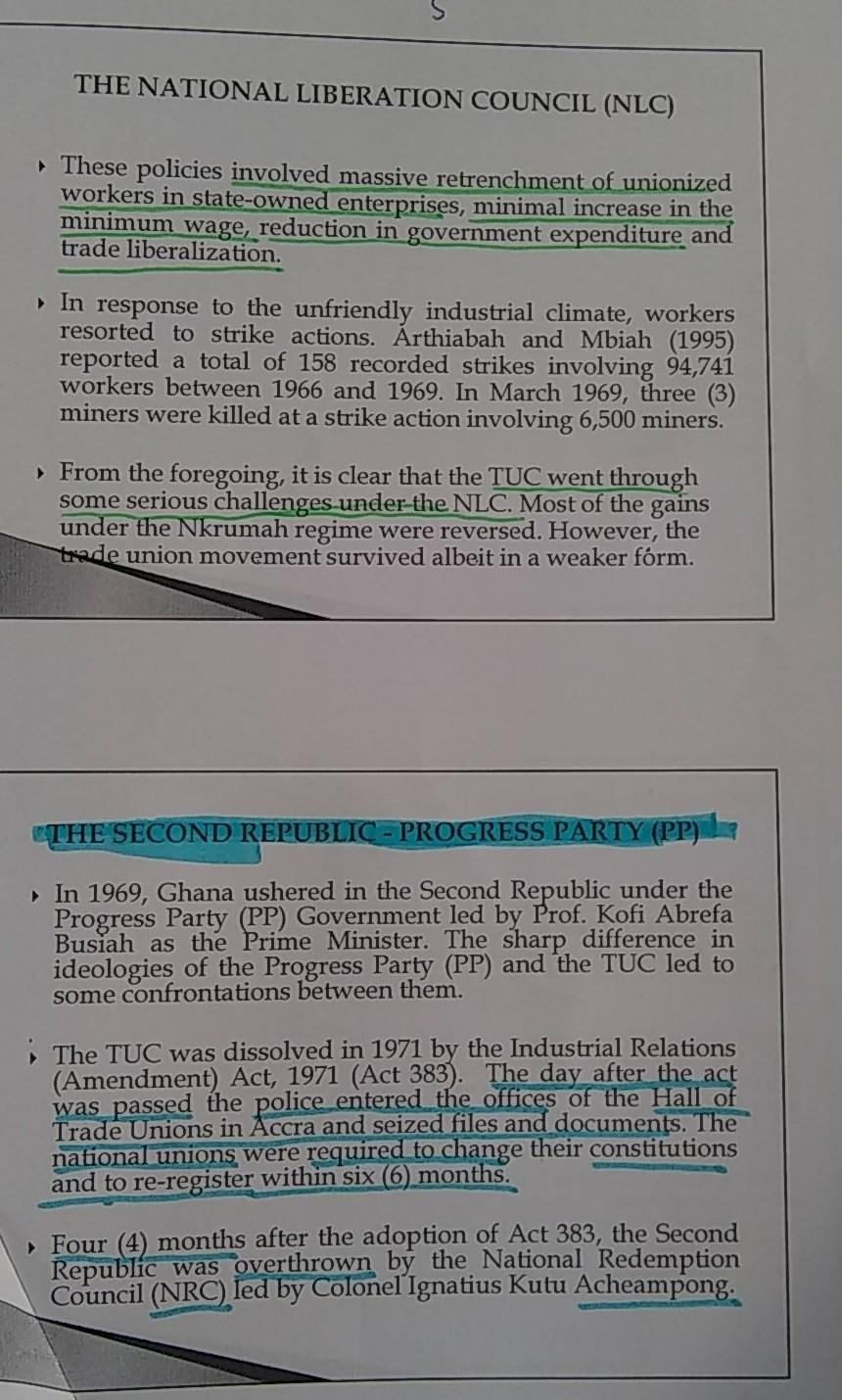
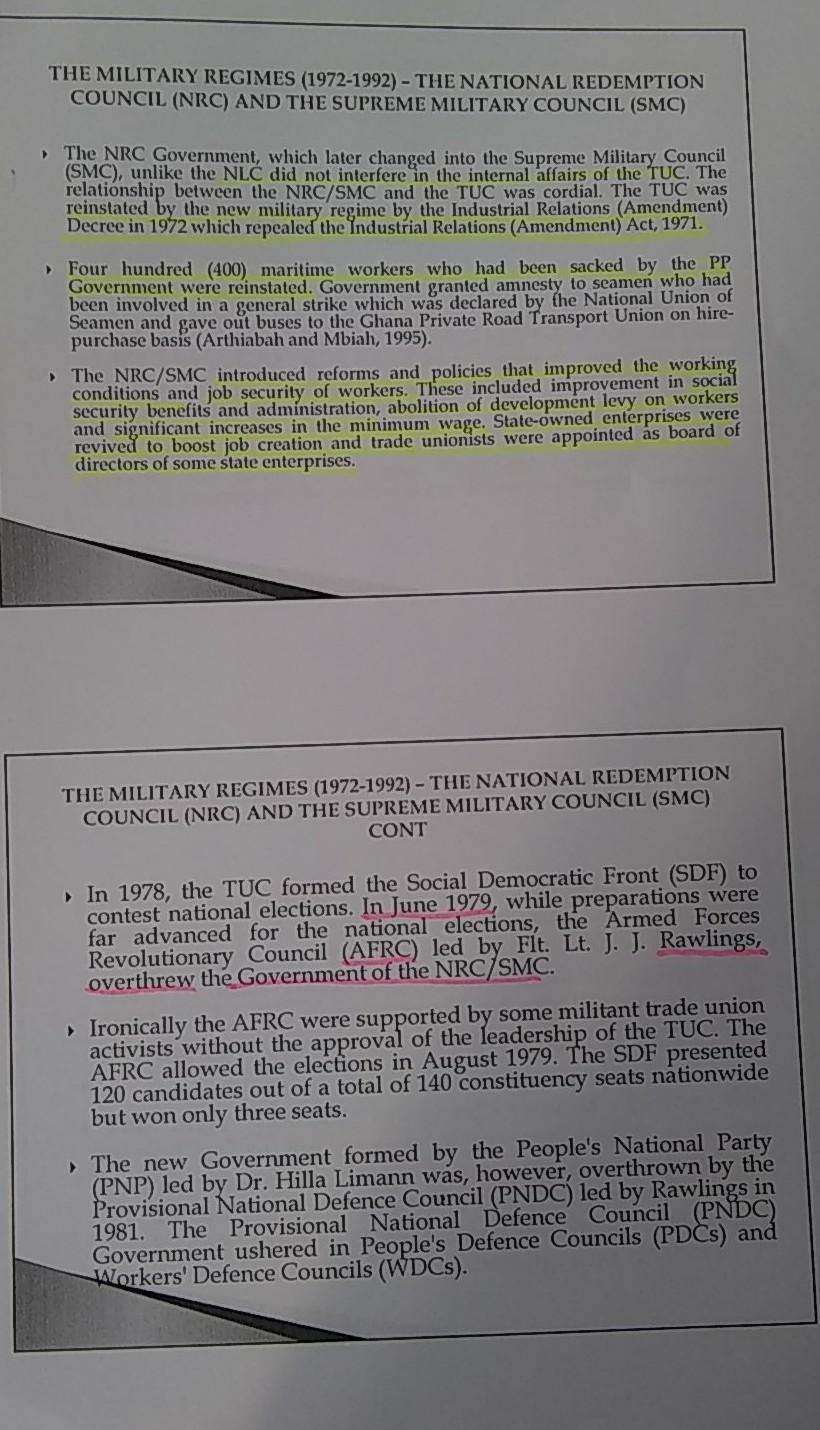
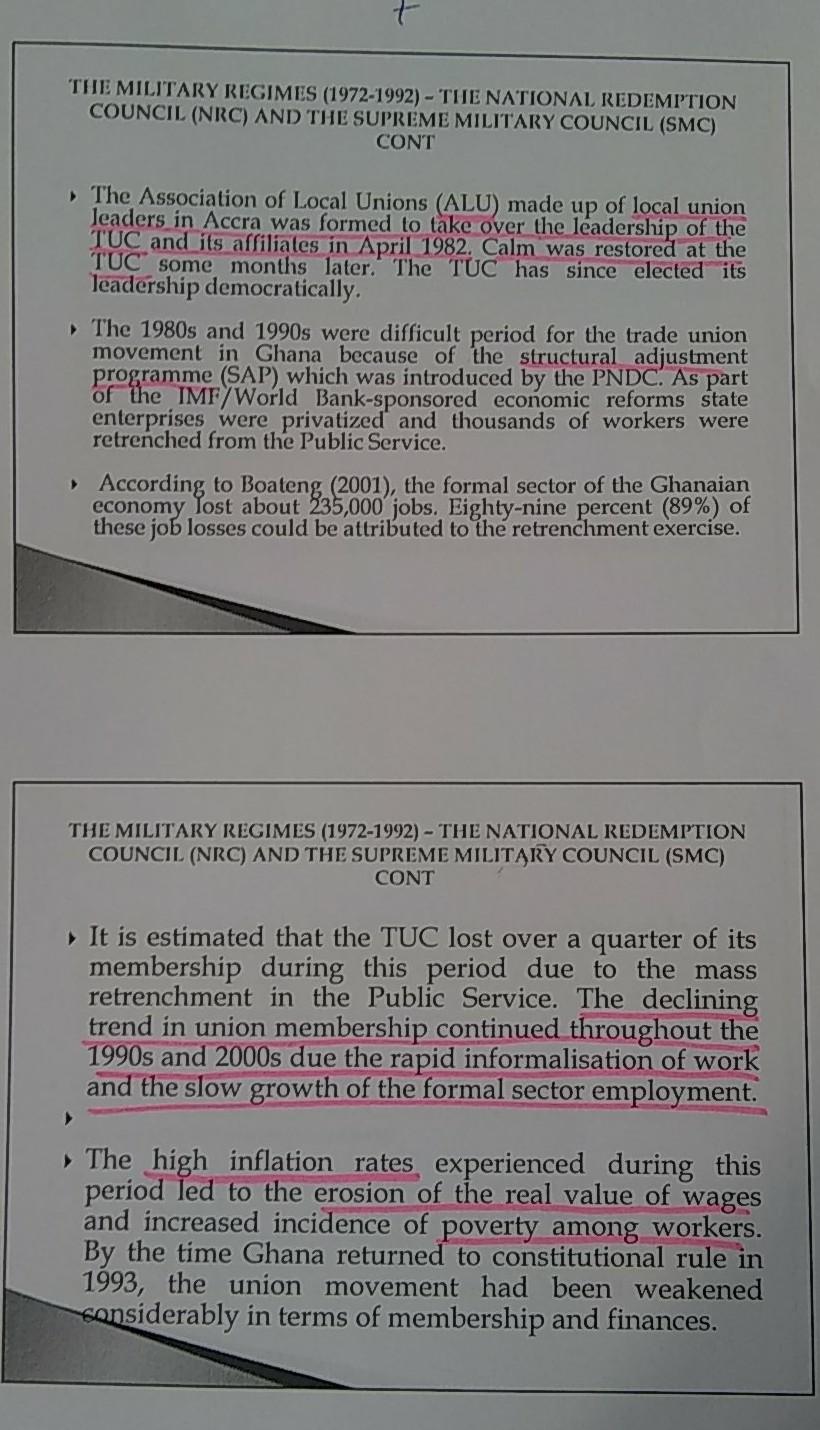
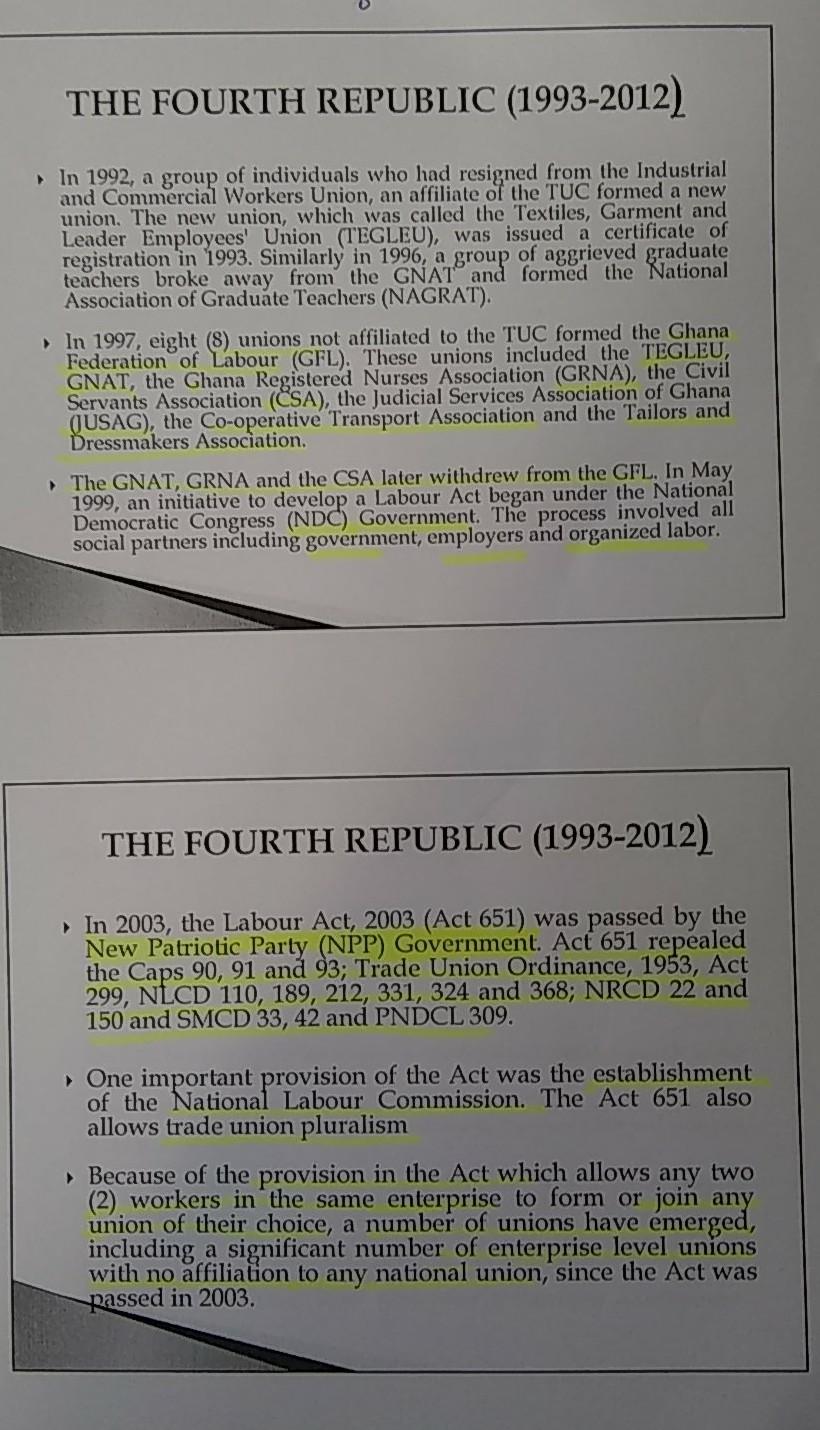
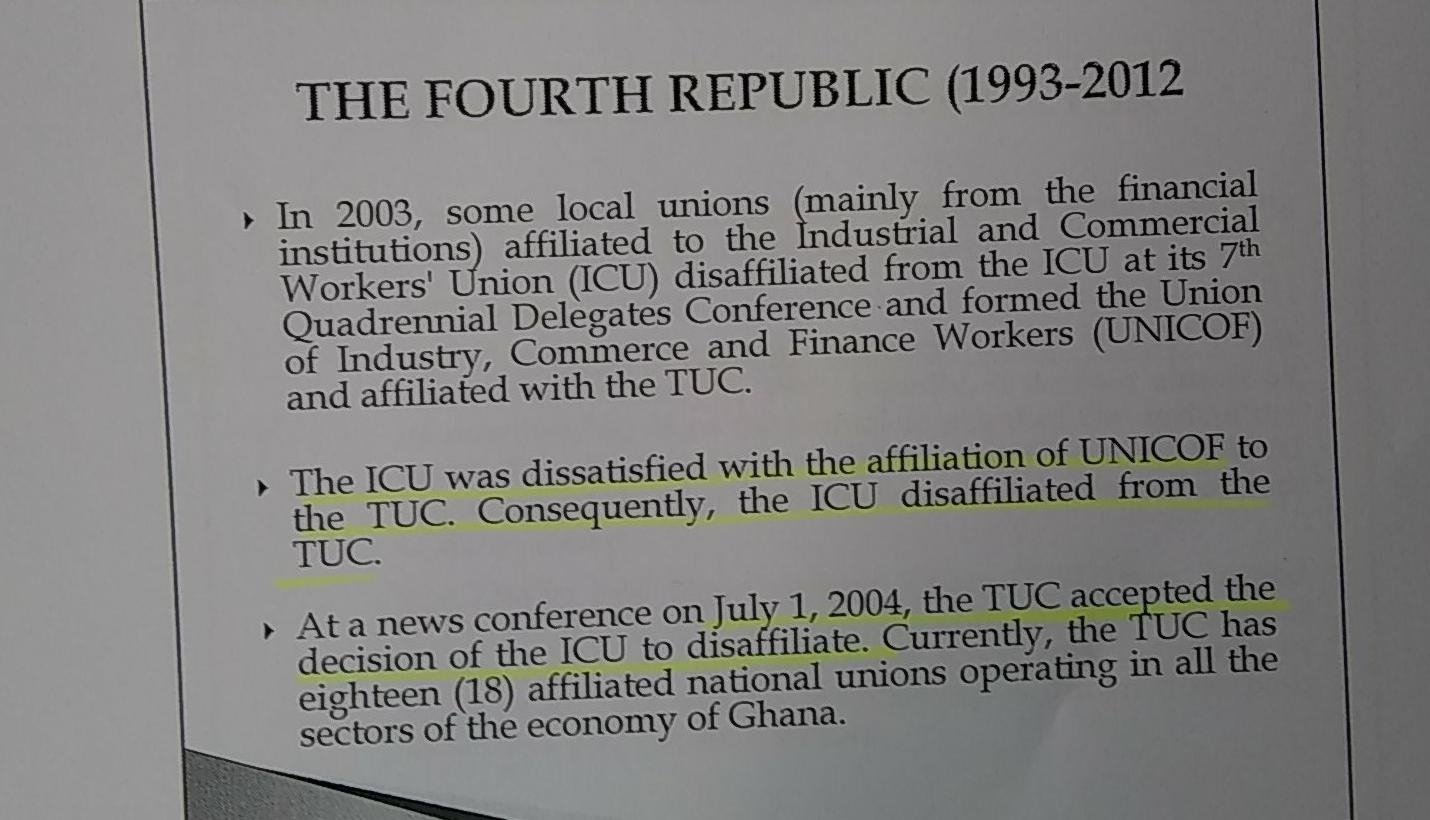
THE FIRST REPUBLIC - CONVENTION PEOPLE'S PARTY (CPP) In 1958, the CPP government passed the Industrial Relations Act, 1958 (Act 56) to give legal backing to the TUC as the sole labor centre. The Act made collective bargaining compulsory for private sector workers and made collective agreements legally binding on employers and workers. The Act also gave legal backing to the check-off system for dues collection and introduced the principles of compulsory conciliation and arbitration as well as procedures to be followed to embark on a strike action. Under the Act, both the employer and the union were protected from interference in the affairs of either party. Victimization and discrimination against union officers were also prohibited by the Act. Further, Act 56 authorized the setting up of the National Advisory Committee on Labour, a Tripartite Committee created to advise Government on labor issues including the ratification of the International Labour Organization (ILO) Conventions and labor legislation. THE FIRST REPUBLIC - CONVENTION PEOPLE'S PARTY (CPP) CONT. Act 56 also sought to reduce the number of trade unions and to restructure them on industrial lines. Accordingly, the Gold Coast Teachers Union (GCTU) and the Union of Teachers and Educational Institutions Workers (UTEIW) merged in 1958 and joined the TUC However, a provision in Act 56 prevented teachers earning at least six hundred and eighty cedis (C680) per annum from joining the union. This provision affected many teachers in the secondary and tertiary educational institutions. Teachers then started agitations to disaffiliate from the TUC. Other unions such as the U.A.C. African Employees Union and the Railway Workers' Union did not join any national union or the TUC. To enforce this provision the Industrial Relations (Amendment) Act of 1959 was passed to make it impossible for any trade union to stay outside the TUC structure. THE FIRST REPUBLIC - CONVENTION PEOPLE'S PARTY (CPP) CONT. The Civil Services Act of 1960 made trade union membership compulsory for all civil servants. TUC'S affiliates were finally reduced to seventeen national unions. The Trade Unions Hall was donated to the TUC by Kwame Nkrumah in July 1960. On 14 July 1962, Government allowed teachers to form the Ghana National Association of Teachers (GNAT) and has since remained outside the TUC family. GNAT was strictly classified as a voluntary association under the Trustee Incorporation Act (1962), but it has over the years been recognized as a teachers' representative body at the pre-tertiary level and has been granted the concession of utilizing the check-off system to collect its dues. Under Act 651 (2003) GNAT is now recognized as a trade union THE FIRST REPUBLIC - CONVENTION PEOPLE'S PARTY (CPP) CONT. The TUC derived several benefits from its close relationship with the CPP but the union lost its independence. For instance, in 1964, four General Secretaries of National Unions who were duly elected by their members at their various delegate conferences were dismissed by the CPP Government. The ILO criticized the CPP Government for the dismissals (Arthiabah and Mbiah, 1995), In 1965, a new Industrial Relations Act, 1965 (Act 299) replaced the Industrial Relations Act, 1958 (Act 59), Act 299 defined and confirmed trade union privileges. The Act 299 became the main legal framework of industrial relations in Ghana and reinforced the rights of workers and their trade unions, The Act further reinforced the right to organize and bargain collectively in accordance with the ILO's Convention 87 of 1948 concerning freedom of association and the protection of the right to organize. The 1965 Act also recognized the existence of the Trades Union Congress' as a body Corporate with a perpetual succession and a common seal with the power to acquire and hold land and other property THE FIRST REPUBLIC - CONVENTION PEOPLE'S PARTY (CPP) CONT These included Conventions 87 and 98 concerning freedom of association and collective bargaining. Furthermore, as a result of the TUC/CPP collaboration, unions were allowed to participate in almost all the decisions that affected workers at both the enterprise and national levels (Arthiabah and Mbiah, 1995), According to Ewusi (1971), between 1957 and 1965, the average wage index increased by sixty-six percent (66%) Kraus (1979) also reported an increase of unon membership from 58,000 to 325,000 in 1963. The rapid increase in the trade union membership reflected in TUC's finances. According to Arthiabah and Mbia (ibid) and Kraus (1979), TUC's annual revenue increased from 1997 in 1958 to 79A52 in 1960 and to 162,579 in 1961, The ratification of the ILO conventions, the enactment of the labor laws, and the support received from the CPP Government Strengthened the unions, secured more non-wage benefits in the form of paid sick leave, paid holiday, medical care, free or subsidized transport, housing and lunch for their members through collective Daryatining (Baah, 2005), THE NATIONAL LIBERATION COUNCIL (NLC The TUC suffered a setback after the orcheow of the CPP Government of President Kwame Nirumah in 1966. Some of the leaders of the TUC Wee imprisoned because of their dose relacions in the CPP. The National Liberation Council (NLC appointed Ms. Benjamin A Bebam as the Secretar-General of TCC Later, Bentum was reported to here orchestrated the arrest of the existing leadership of the TUC to pare way for him to re- organize the labe morement. It is reported that the TUC led by Bentum, supported the NLC TUC also made some changes to its Constitution and Bye-laws and gave more autonomy to the national wnions (Arthiabah and Moriah, 1995) at an Extraordinary Delegates Congress held in June 1966, during which Bentum was eected as the Secretary-General THE NATIONAL LIBERATION COUNCIL (NLC Subsequently, the national unions held extraordinary conferences to amend their Constitutions in line with the autonomy thes have been granted. One element of the amended Constitution of the TUC was a provision that prevented union leaders from engaging in party politics This stance was further endorsed at another Extraordinary Congress held in 1969. In 1967, the Civil Services Act of 1960 that made trade union membership compulsory for civil servants was repealed. This affected the membership of national unions (eg Public Services Workers Union) which had a significant proportion of its members in the Civil Service. The NLC Government also implemented IMF sponsored policies that had negative effects on workers and the labor ovement THE NATIONAL LIBERATION COUNCIL (NLC) These policies involved massive retrenchment of unionized workers in state-owned enterprises, minimal increase in the minimum wage, reduction in government expenditure and trade liberalization. In response to the unfriendly industrial climate, workers resorted to strike actions. Arthiabah and Mbiah (1995) reported a total of 158 recorded strikes involving 94,741 workers between 1966 and 1969. In March 1969, three (3) miners were killed at a strike action involving 6,500 miners. From the foregoing, it is clear that the TUC went through some serious challenges under the NLC. Most of the gains under the Nkrumah regime were reversed. However, the trade union movement survived albeit in a weaker form. THE SECOND REPUBLIC - PROGRESS PARTY (PP) In 1969, Ghana ushered in the Second Republic under the Progress Party (PP) Government led by Prof. Kofi Abrefa Busiah as the Prime Minister. The sharp difference in ideologies of the Progress Party (PP) and the TUC led to some confrontations between them. The TUC was dissolved in 1971 by the Industrial Relations (Amendment) Act, 1971 (Act 383). The day after the act was passed the police entered the offices of the Hall of Trade Unions in Accra and seized files and documents. The national unions were required to change their constitutions and to re-register within six (6 months. Four (4) months after the adoption of Act 383, the Second Republic was overthrown by the National Redemption Council (NRC) led by Colonel Ignatius Kutu Acheampong. THE MILITARY REGIMES (1972-1992) - THE NATIONAL REDEMPTION COUNCIL (NRC) AND THE SUPREME MILITARY COUNCIL (SMC) The NRC Government, which later changed into the Supreme Military Council (SMC), unlike the NLC did not interfere in the internal affairs of the TUC. The relationship between the NRC/SMC and the TUC was cordial. The TUC was reinstated by the new military regime by the Industrial Relations (Amendment) Decree in 1972 which repealed the Industrial Relations (Amendment) Act, 1971. Four hundred (400) maritime workers who had been sacked by the PP Government were reinstated. Government granted amnesty to seamen who had been involved in a general strike which was declared by the National Union of Seamen and gave out buses to the Ghana Private Road Transport Union on hire- purchase basis (Arthiabah and Mbiah, 1995). The NRC/SMC introduced reforms and policies that improved the working conditions and job security of workers. These included improvement in social security benefits and administration, abolition of development levy on workers and significant increases in the minimum wage. State-owned enterprises were revived to boost job creation and trade unionists were appointed as board of directors of some state enterprises. THE MILITARY REGIMES (1972-1992) - THE NATIONAL REDEMPTION COUNCIL (NRC) AND THE SUPREME MILITARY COUNCIL (SMC) CONT In 1978, the TUC formed the Social Democratic Front (SDF) to contest national elections. In June 1979, while preparations were far advanced for the national elections, the Armed Forces Revolutionary Council (AFRC) led by Flt. Lt. J. J. Rawlings, overthrew the Government of the NRC/SMC. Ironically the AFRC were supported by some militant trade union activists without the approval of the leadership of the TUC. The AFRC allowed the elections in August 1979. The SDF presented 120 candidates out of a total of 140 constituency seats nationwide but won only three seats. The new Government formed by the People's National Party (PNP) led by Dr. Hilla Limann was, however, overthrown by the Provisional National Defence Council (PNDC) led by Rawlings in 1981. The Provisional National Defence Council (PNDC) Government ushered in People's Defence Councils (PDCs) and Workers' Defence Councils (WDCs). + THE MILITARY REGIMES (1972-1992) - THE NATIONAL REDEMPTION COUNCIL (NRC) AND THE SUPREME MILITARY COUNCIL (SMC) CONT The Association of Local Unions (ALU) made up of local union leaders in Accra was formed to take over the leadership of the TUC and its affiliates in April 1982. Calm was restored at the TUC some months later. The TUC has since elected its leadership democratically. The 1980s and 1990s were difficult period for the trade union movement in Ghana because of the structural adjustment programme (SAP) which was introduced by the PNDC. As part of the IMF/World Bank-sponsored economic reforms state enterprises were privatized and thousands of workers were retrenched from the Public Service. According to Boateng (2001), the formal sector of the Ghanaian economy lost about 235,000 jobs. Eighty-nine percent (89%) of these job losses could be attributed to the retrenchment exercise. THE MILITARY REGIMES (1972-1992) - THE NATIONAL REDEMPTION COUNCIL (NRC) AND THE SUPREME MILITARY COUNCIL (SMC) CONT It is estimated that the TUC lost over a quarter of its membership during this period due to the mass retrenchment in the Public Service. The declining trend in union membership continued throughout the 1990s and 2000s due the rapid informalisation of work and the slow growth of the formal sector employment. The high inflation rates experienced during this period led to the erosion of the real value of wages and increased incidence of poverty among workers. By the time Ghana returned to constitutional rule in 1993, the union movement hac been weakened sonsiderably in terms of membership and finances. THE FOURTH REPUBLIC (1993-2012) In 1992, a group of individuals who had resigned from the Industrial and Commercial Workers Union, an affiliate of the TUC formed a new union. The new union, which was called the Textiles, Garment and Leader Employees' Union (TEGLEU), was issued a certificate of registration in 1993. Similarly in 1996, a group of aggrieved graduate teachers broke away from the GNAT and formed the National Association of Graduate Teachers (NAGRAT). In 1997, eight (8) unions not affiliated to the TUC formed the Ghana Federation of Labour (GFL). These unions included the TEGLEU, GNAT, the Ghana Registered Nurses Association (GRNA), the Civil Servants Association (CSA), the Judicial Services Association of Ghana QUSAG), the Co-operative Transport Association and the Tailors and Dressmakers Association. The GNAT, GRNA and the CSA later withdrew from the GFL. In May 1999, an initiative to develop a Labour Act began under the National Democratic Congress (NDC) Government. The process involved all social partners including government, employers and organized labor. THE FOURTH REPUBLIC (1993-2012) In 2003, the Labour Act, 2003 (Act 651) was passed by the New Patriotic Party (NPP) Government. Act 651 repealed the Caps 90, 91 and 93; Trade Union Ordinance, 1953, Act 299, NLCD 110, 189, 212, 331, 324 and 368; NRCD 22 and 150 and SMCD 33, 42 and PNDCL 309. One important provision of the Act was the establishment of the National Labour Commission. The Act 651 also allows trade union pluralism Because of the provision in the Act which allows any two (2) workers in the same enterprise to form or join any union of their choice, a number of unions have emerged, including a significant number of enterprise level unions with no affiliation to any national union, since the Act was passed in 2003. THE FOURTH REPUBLIC (1993-2012 In 2003, some local unions (mainly from the financial institutions) affiliated to the Industrial and Commercial Workers' Union (ICU) disaffiliated from the ICU at its 7th Quadrennial Delegates Conference and formed the Union of Industry, Commerce and Finance Workers (UNICOF) and affiliated with the TUC. The ICU was dissatisfied with the affiliation of UNICOF to the TUC. Consequently, the ICU disaffiliated from the TUC. At a news conference on July 1, 2004, the TUC accepted the decision of the ICU to disaffiliate. Currently, the TUC has eighteen (18) affiliated national unions operating in all the sectors of the economy of Ghana
Step by Step Solution
There are 3 Steps involved in it
1 Expert Approved Answer
Step: 1 Unlock

Question Has Been Solved by an Expert!
Get step-by-step solutions from verified subject matter experts
Step: 2 Unlock
Step: 3 Unlock
 Study Help