



Question: Given the information from the textbook: Exhibit 13-5 Key Financial Ratios Ratio Definition Analyzing Firm Profitability Gross profit Gross profit on sales percentage Net sales
Given the information from the textbook:
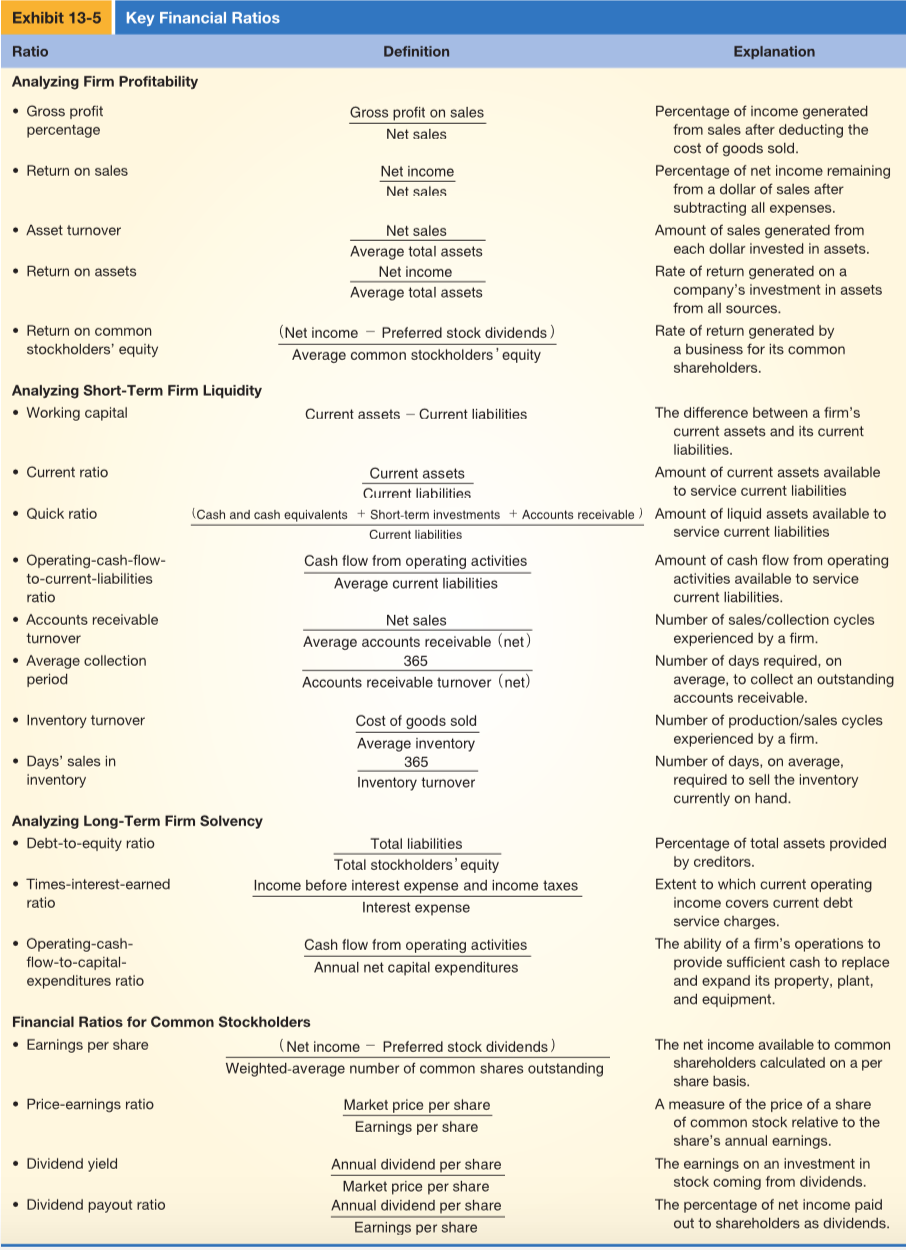
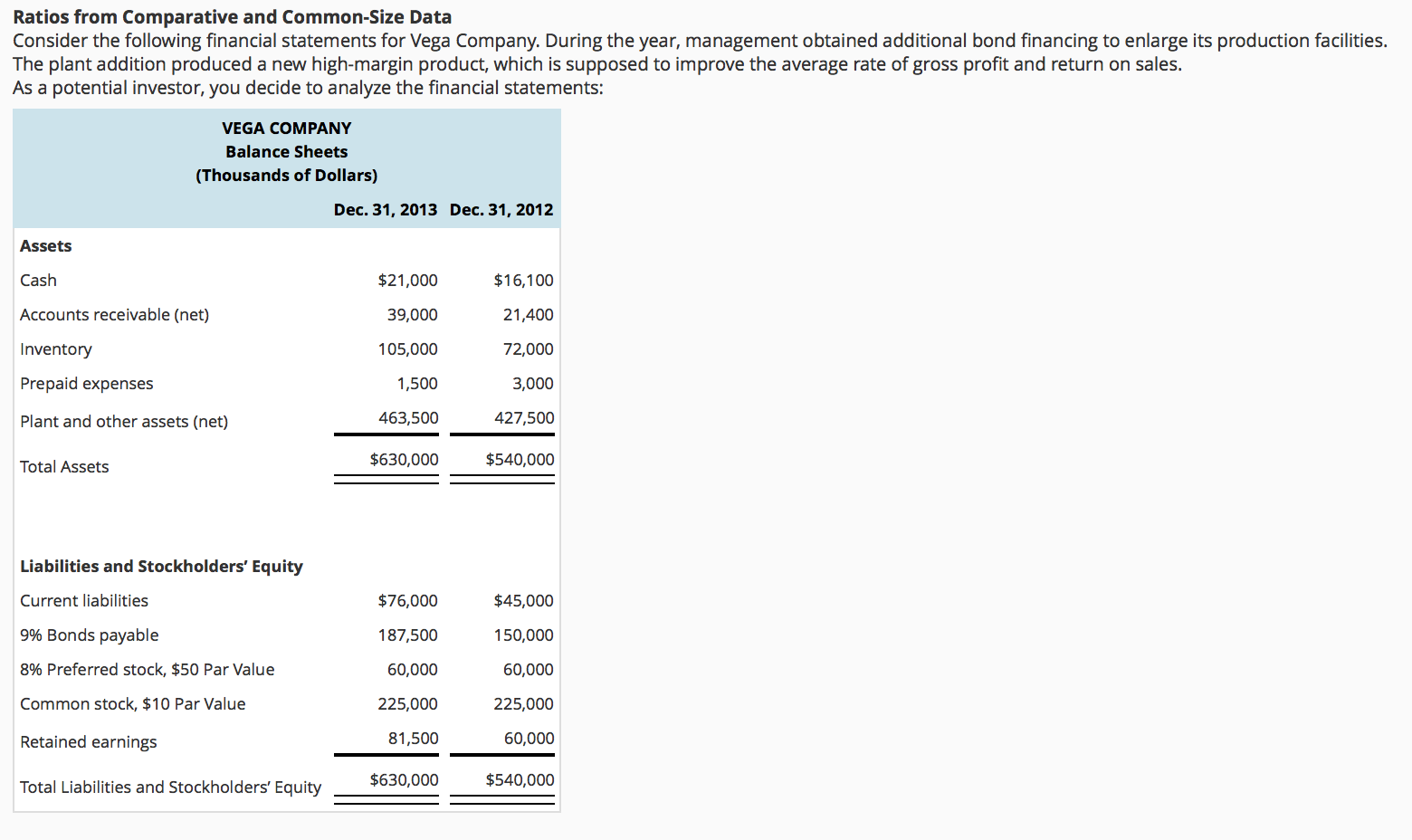
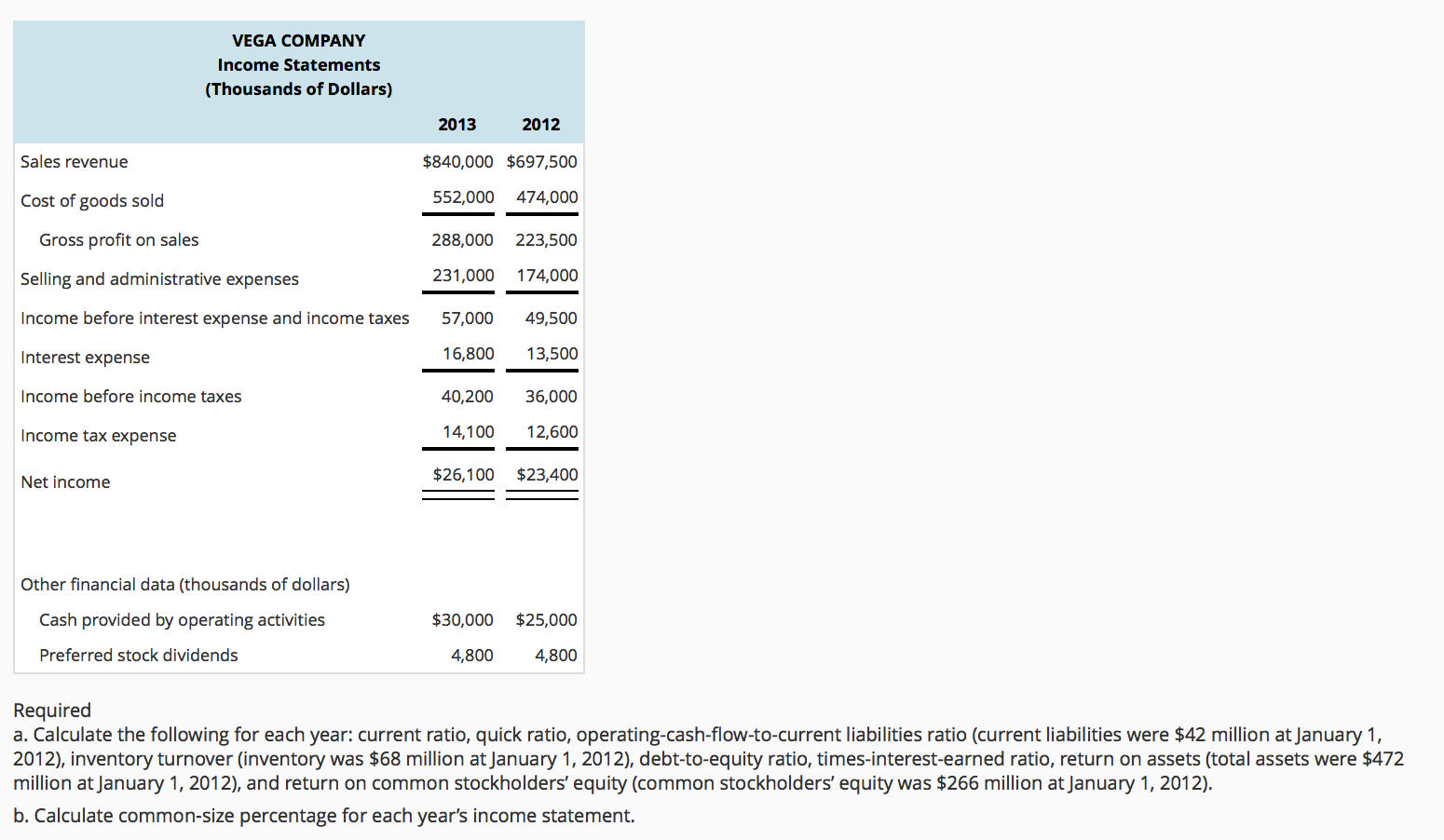
Exhibit 13-5 Key Financial Ratios Ratio Definition Analyzing Firm Profitability Gross profit Gross profit on sales percentage Net sales Return on sale Net income Net sales Asset turnover Net sales Average total assets Return on assets Net income Average total assets Return on common Net income Preferred stock dividends stockholders' equity Average common stockholders' equity Analyzing Short-Term Firm Liquidity Current assets Current liabilities Working capital Current ratio Current assets Current abi AS (Cash and cash equivalents Quick ratio Short-term investments Acco s receivable un Curren abilities Operating cash-flow Cash flow from operating activities to-current-liabilities Average current liabilities ratio Accounts receivable Net sales turnover Average accounts receivable (net Average collection 365 period Accounts receivable turnover net Inventory turnover Cost of goods sold Average inventory Days' sales in 365 inventory Inventory turnover Analyzing Long-Term Firm Solvency Debt-to-equity ratio Total abilities Total stockholders' equity Times-interest-earned ncome before interest expense and income taxes ratio Interest expense Operating cash Cash flow from operating activities flow-to-capital Annual net capital expenditures expenditures ratio Financial Ratios for Common Stockholders (Net income Preferred stock dividends) Earnings per share Weighted-average number of common shares outstanding Price-earnings ratio Market price per share Earnings per share Dividend yield Annual dividend per share Market price per share Dividend payout ratio Annual dividend per share Earnings per share Explanation Percentage of income generated from sales after deducting the cost of goods sold Percentage of net income remaining from a dollar of sales after subtracting all expenses. Amount of sales generated from each dollar invested in assets. Rate of return generated on a company's investment in assets from all sources Rate of return generated by a business for its common shareholders The difference between a firm's current assets and its current abilities, Amount of current assets available to service current liabiliti Amount of liquid assets available to ervice current liabilitie Amount of cash flow from operating activities available to service current liabilities. Number of sales/collection cycles experienced by a firm Number of days required, on average, to collect an outstanding accounts receivable. Number of production/sales cycles experienced by a firm Number of days, on average required to sell the inventory currently on hand Percentage of total assets provided by creditors. Extent to which current operating income covers current debt service charges The ability of a firm's operations to provide sufficient cash to replace and expand its property, plant and equipment The net income available to common shareholders calculated on a per share basis A measure of the price of a share of common stock relative to the share's annual earnings The earnings on an investment in tock coming from dividends The percentage of net income paid out to shareholders as dividends
Step by Step Solution
There are 3 Steps involved in it

Get step-by-step solutions from verified subject matter experts