Question: HELP ME OUT PLEASE!!!! CASE STUDY Check the below-attached screenshots to understand the case. Energy Drinks at Prairie Pharmacy 1.The Executive Summary 2.Summary of Important
HELP ME OUT PLEASE!!!!
CASE STUDY
Check the below-attached screenshots to understand the case.
Energy Drinks at Prairie Pharmacy
1.The Executive Summary 2.Summary of Important Facts 3.The Problem Statement
4.Analysis Regardless of what approach you decide to take in the analysis (SWOT or 4Ps), I would recommend that you look at each of the 4 alternatives and describe the Advantages (Pros) and Disadvantages (Cons) of each and after each alternative state if as consultants you would: Accept Reject On-Hold (Parking Lot)
5.Recommendations
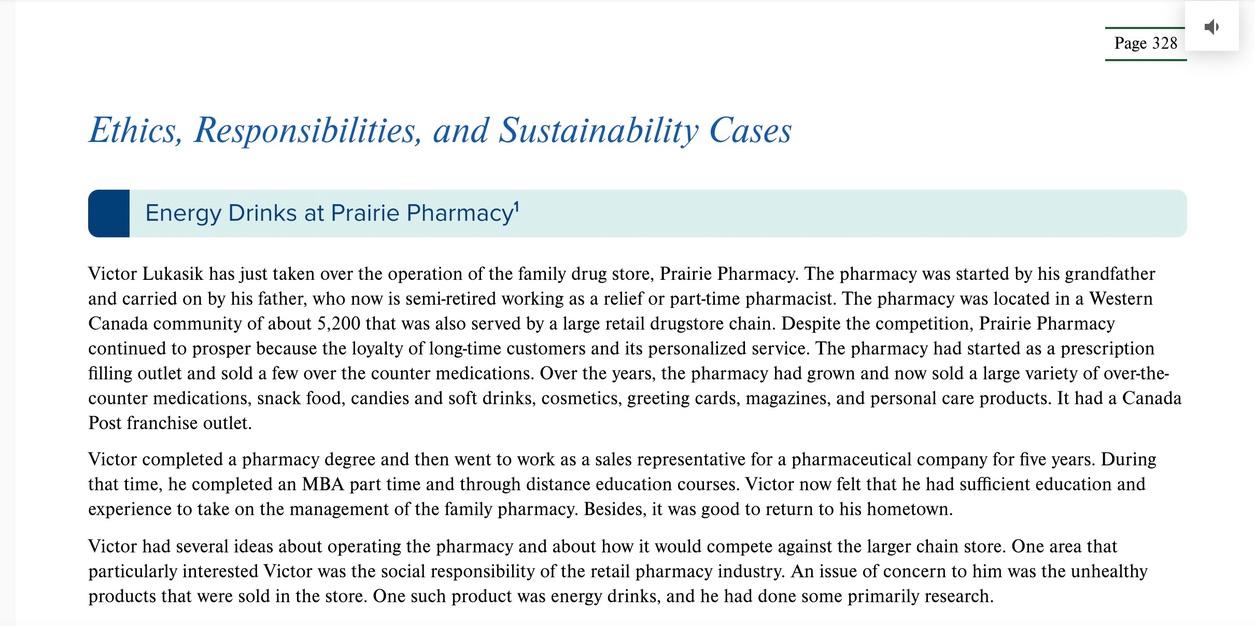
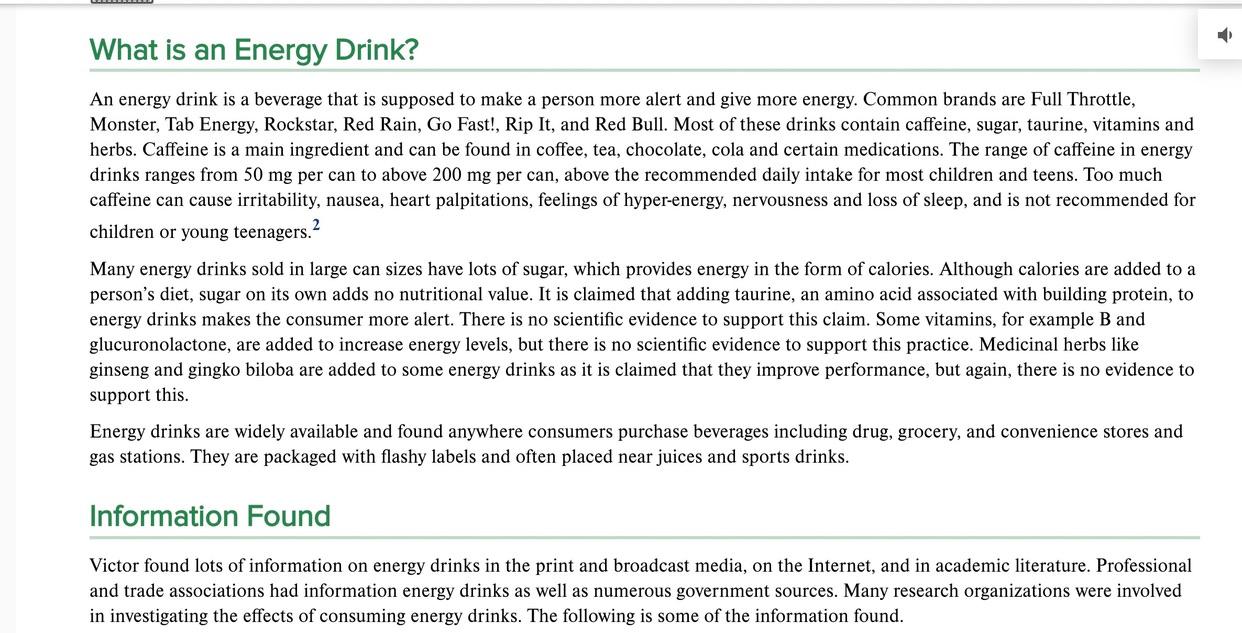
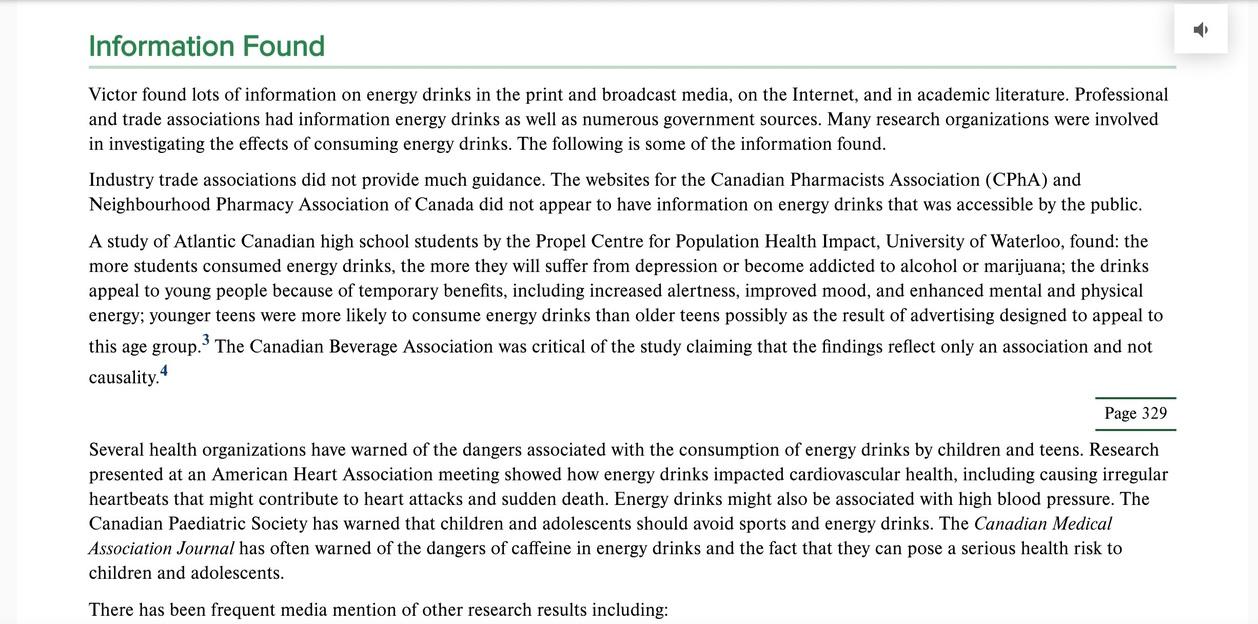
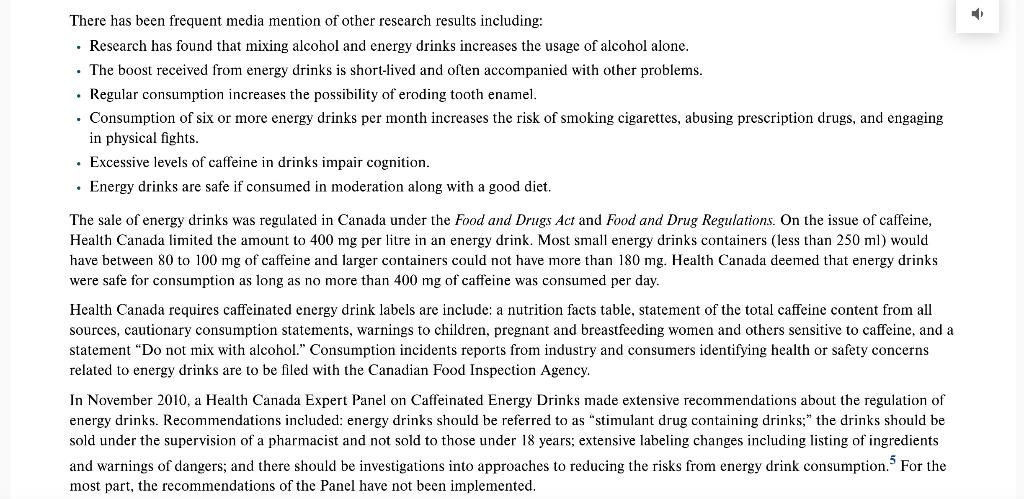
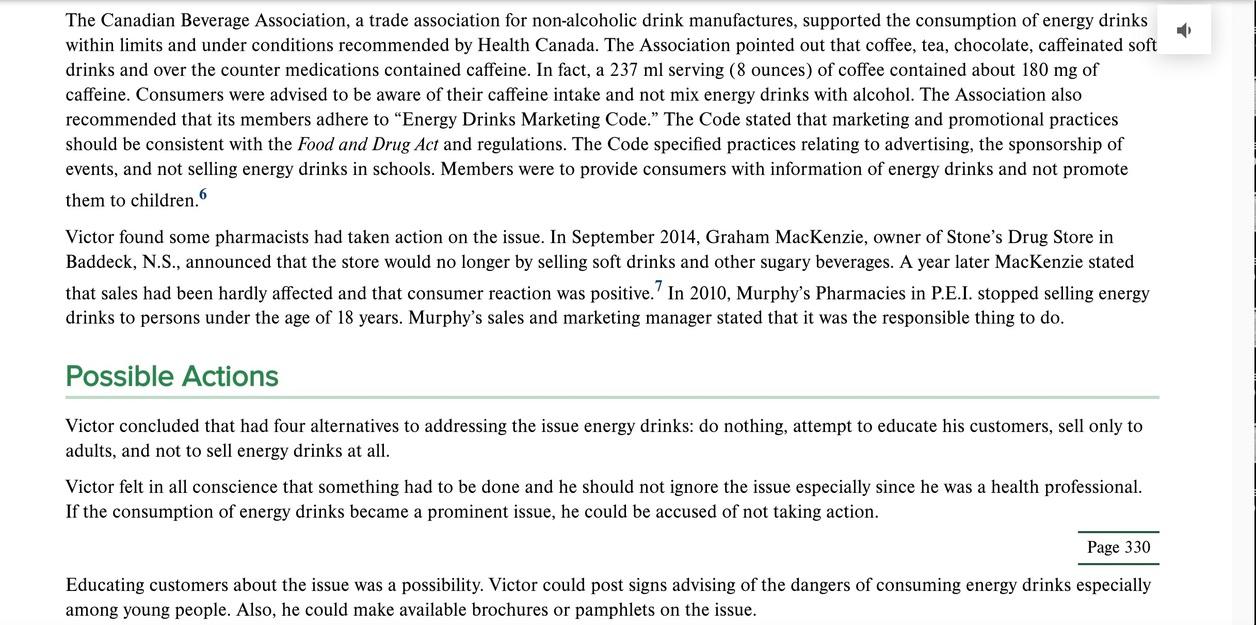
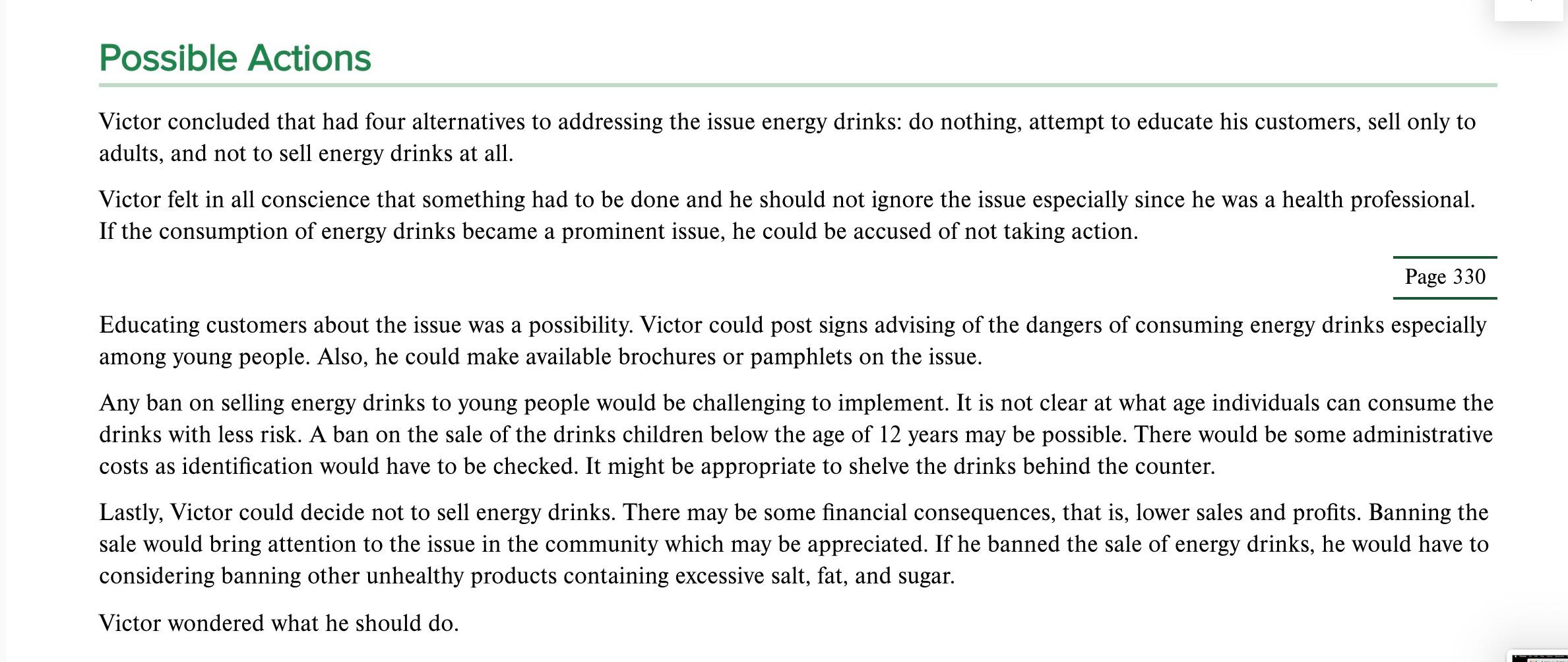
Page 328 Ethics, Responsibilities, and Sustainability Cases Energy Drinks at Prairie Pharmacy Victor Lukasik has just taken over the operation of the family drug store, Prairie Pharmacy. The pharmacy was started by his grandfather and carried on by his father, who now is semi-retired working as a relief or part-time pharmacist. The pharmacy was located in a Western Canada community of about 5,200 that was also served by a large retail drugstore chain. Despite the competition, Prairie Pharmacy continued to prosper because the loyalty of long-time customers and its personalized service. The pharmacy had started as a prescription filling outlet and sold a few over the counter medications. Over the years, the pharmacy had grown and now sold a large variety of over-the- counter medications, snack food, candies and soft drinks, cosmetics, greeting cards, magazines, and personal care products. It had a Canada Post franchise outlet. Victor completed a pharmacy degree and then went to work as a sales representative for a pharmaceutical company for five years. During that time, he completed an MBA part time and through distance education courses. Victor now felt that he had sufficient education and experience to take on the management of the family pharmacy. Besides, it was good to return to his hometown. Victor had several ideas about operating the pharmacy and about how it would compete against the larger chain store. One area that particularly interested Victor was the social responsibility of the retail pharmacy industry. An issue of concern to him was the unhealthy products that were sold in the store. One such product was energy drinks, and he had done some primarily research. What is an Energy Drink? An energy drink is a beverage that is supposed to make a person more alert and give more energy. Common brands are Full Throttle, Monster, Tab Energy, Rockstar, Red Rain, Go Fast!, Rip It, and Red Bull. Most of these drinks contain caffeine, sugar, taurine, vitamins and herbs. Caffeine is a main ingredient and can be found in coffee, tea, chocolate, cola and certain medications. The range of caffeine in energy drinks ranges from 50 mg per can to above 200 mg per can, above the recommended daily intake for most children and teens. Too much caffeine can cause irritability, nausea, heart palpitations, feelings of hyper-energy, nervousness and loss of sleep, and is not recommended for children or young teenagers.? Many energy drinks sold in large can sizes have lots of sugar, which provides energy in the form of calories. Although calories are added to a person's diet, sugar on its own adds no nutritional value. It is claimed that adding taurine, an amino acid associated with building protein, to energy drinks makes the consumer more alert. There is no scientific evidence to support this claim. Some vitamins, for example B and glucuronolactone, are added to increase energy levels, but there is no scientific evidence to support this practice. Medicinal herbs like ginseng and gingko biloba are added to some energy drinks as it is claimed that they improve performance, but again, there is no evidence to support this. Energy drinks are widely available and found anywhere consumers purchase beverages including drug, grocery, and convenience stores and gas stations. They are packaged with flashy labels and often placed near juices and sports drinks. Information Found Victor found lots of information on energy drinks in the print and broadcast media, on the Internet, and in academic literature. Professional and trade associations had information energy drinks as well as numerous government sources. Many research organizations were involved in investigating the effects of consuming energy drinks. The following is some of the information found. Information Found Victor found lots of information on energy drinks in the print and broadcast media, on the Internet, and in academic literature. Professional and trade associations had information energy drinks as well as numerous government sources. Many research organizations were involved in investigating the effects of consuming energy drinks. The following is some of the information found. Industry trade associations did not provide much guidance. The websites for the Canadian Pharmacists Association (CPA) and Neighbourhood Pharmacy Association of Canada did not appear to have information on energy drinks that was accessible by the public. A study of Atlantic Canadian high school students by the Propel Centre for Population Health Impact, University of Waterloo, found: the more students consumed energy drinks, the more they will suffer from depression or become addicted to alcohol or marijuana; the drinks appeal to young people because of temporary benefits, including increased alertness, improved mood, and enhanced mental and physical energy; younger teens were more likely to consume energy drinks than older teens possibly as the result of advertising designed to appeal to this age group. The Canadian Beverage Association was critical of the study claiming that the findings reflect only an association and not causality. 4 Page 329 Several health organizations have warned of the dangers associated with the consumption of energy drinks by children and teens. Research presented at an American Heart Association meeting showed how energy drinks impacted cardiovascular health, including causing irregular heartbeats that might contribute to heart attacks and sudden death. Energy drinks might also be associated with high blood pressure. The Canadian Paediatric Society has warned that children and adolescents should avoid sports and energy drinks. The Canadian Medical Association Journal has often warned of the dangers of caffeine in energy drinks and the fact that they can pose a serious health risk to children and adolescents. There has been frequent media mention of other research results including: D There has been frequent media mention of other research results including: Research has found that mixing alcohol and energy drinks increases the usage of alcohol alone. The boost received from energy drinks is short-lived and often accompanied with other problems. Regular consumption increases the possibility of eroding tooth enamel. . Consumption of six or more energy drinks per month increases the risk of smoking cigarettes, abusing prescription drugs, and engaging in physical fights. Excessive levels of caffeine in drinks impair cognition. Energy drinks are safe if consumed in moderation along with a good diet. The sale of energy drinks was regulated in Canada under the Food and Drugs Act and Food and Drug Regulations. On the issue of caffeine, Health Canada limited the amount to 400 mg per litre in an energy drink. Most small energy drinks containers (less than 250 ml) would have between 80 to 100 mg of caffeine and larger containers could not have more than 180 mg. Health Canada deemed that energy drinks were safe for consumption as long as no more than 400 mg of caffeine was consumed per day. Health Canada requires caffeinated energy drink labels are include: a nutrition facts table, statement of the total caffeine content from all sources, cautionary consumption statements, warnings to children, pregnant and breastfeeding women and others sensitive to caffeine, and a statement Do not mix with alcohol." Consumption incidents reports from industry and consumers identifying health or safety concerns related to energy drinks are to be filed with the Canadian Food Inspection Agency. In November 2010, a Health Canada Expert Panel on Caffeinated Energy Drinks made extensive recommendations about the regulation of energy drinks. Recommendations included: energy drinks should be referred to as "stimulant drug containing drinks;" the drinks should be sold under the supervision of a pharmacist and not sold to those under 18 years; extensive labeling changes including listing of ingredients and warnings of dangers; and there should be investigations into approaches to reducing the risks from energy drink consumption. For the most part, the recommendations of the Panel have not been implemented. The Canadian Beverage Association, a trade association for non-alcoholic drink manufactures, supported the consumption of energy drinks within limits and under conditions recommended by Health Canada. The Association pointed out that coffee, tea, chocolate, caffeinated soft drinks and over the counter medications contained caffeine. In fact, a 237 ml serving (8 ounces) of coffee contained about 180 mg of caffeine. Consumers were advised to be aware of their caffeine intake and not mix energy drinks with alcohol. The Association also recommended that its members adhere to Energy Drinks Marketing Code. The Code stated that marketing and promotional practices should be consistent with the Food and Drug Act and regulations. The Code specified practices relating to advertising, the sponsorship of events, and not selling energy drinks in schools. Members were to provide consumers with information of energy drinks and not promote them to children. Victor found some pharmacists had taken action on the issue. In September 2014, Graham Mackenzie, owner of Stone's Drug Store in Baddeck, N.S., announced that the store would no longer by selling soft drinks and other sugary beverages. A year later MacKenzie stated that sales had been hardly affected and that consumer reaction was positive. In 2010, Murphy's Pharmacies in P.E.I. stopped selling energy drinks to persons under the age of 18 years. Murphy's sales and marketing manager stated that it was the responsible thing to do. Possible Actions Victor concluded that had four alternatives to addressing the issue energy drinks: do nothing, attempt to educate his customers, sell only to adults, and not to sell energy drinks at all. Victor felt in all conscience that something had to be done and he should not ignore the issue especially since he was a health professional. If the consumption of energy drinks became a prominent issue, he could be accused of not taking action. Page 330 Educating customers about the issue was a possibility. Victor could post signs advising of the dangers of consuming energy drinks especially among young people. Also, he could make available brochures or pamphlets on the issue. Possible Actions Victor concluded that had four alternatives to addressing the issue energy drinks: do nothing, attempt to educate his customers, sell only to adults, and not to sell energy drinks at all. Victor felt in all conscience that something had to be done and he should not ignore the issue especially since he was a health professional. If the consumption of energy drinks became a prominent issue, he could be accused of not taking action. Page 330 Educating customers about the issue was a possibility. Victor could post signs advising of the dangers of consuming energy drinks especially among young people. Also, he could make available brochures or pamphlets on the issue. Any ban on selling energy drinks to young people would be challenging to implement. It is not clear at what age individuals can consume the drinks with less risk. A ban on the sale of the drinks children below the age of 12 years may be possible. There would be some administrative costs as identification would have to be checked. It might be appropriate to shelve the drinks behind the counter. Lastly, Victor could decide not to sell energy drinks. There may be some financial consequences, that is, lower sales and profits. Banning the sale would bring attention to the issue in the community which may be appreciated. If he banned the sale of energy drinks, he would have to considering banning other unhealthy products containing excessive salt, fat, and sugar. Victor wondered what he should do









 Study Help