







Question: Help me please.,,, 1. Consider a three period small open endowment economy populated by a large number of households with preferences given by the lifetime
Help me please.,,,
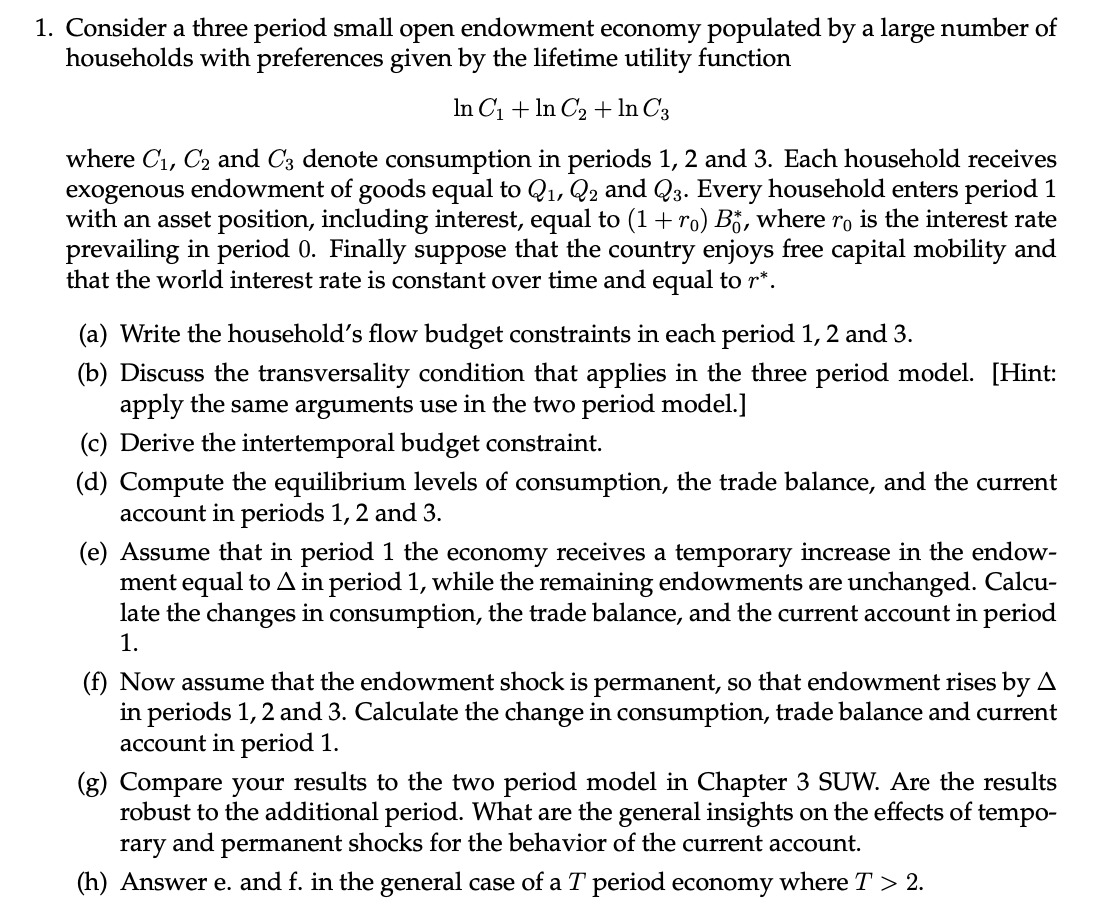
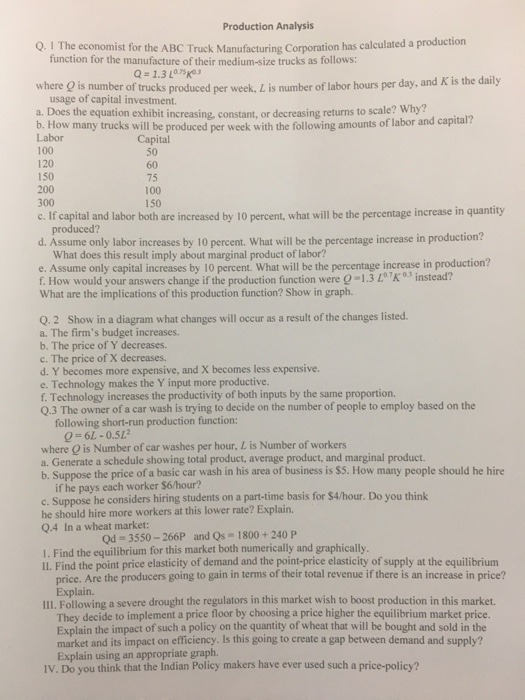
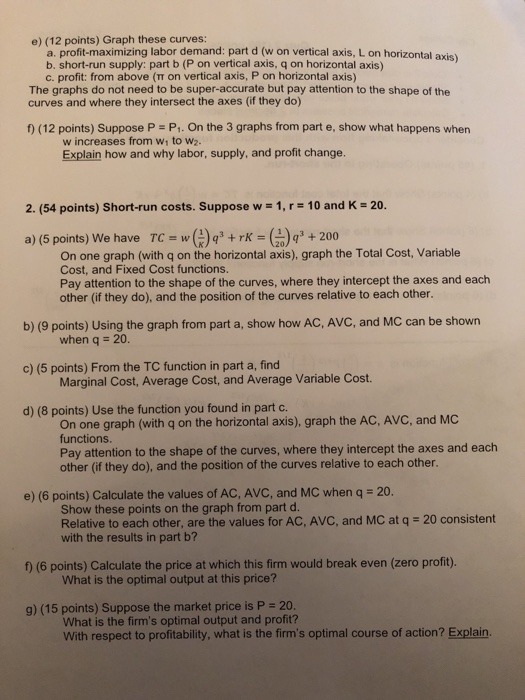
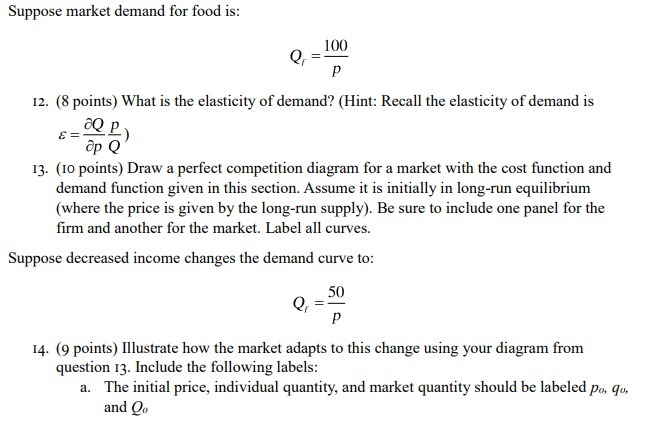
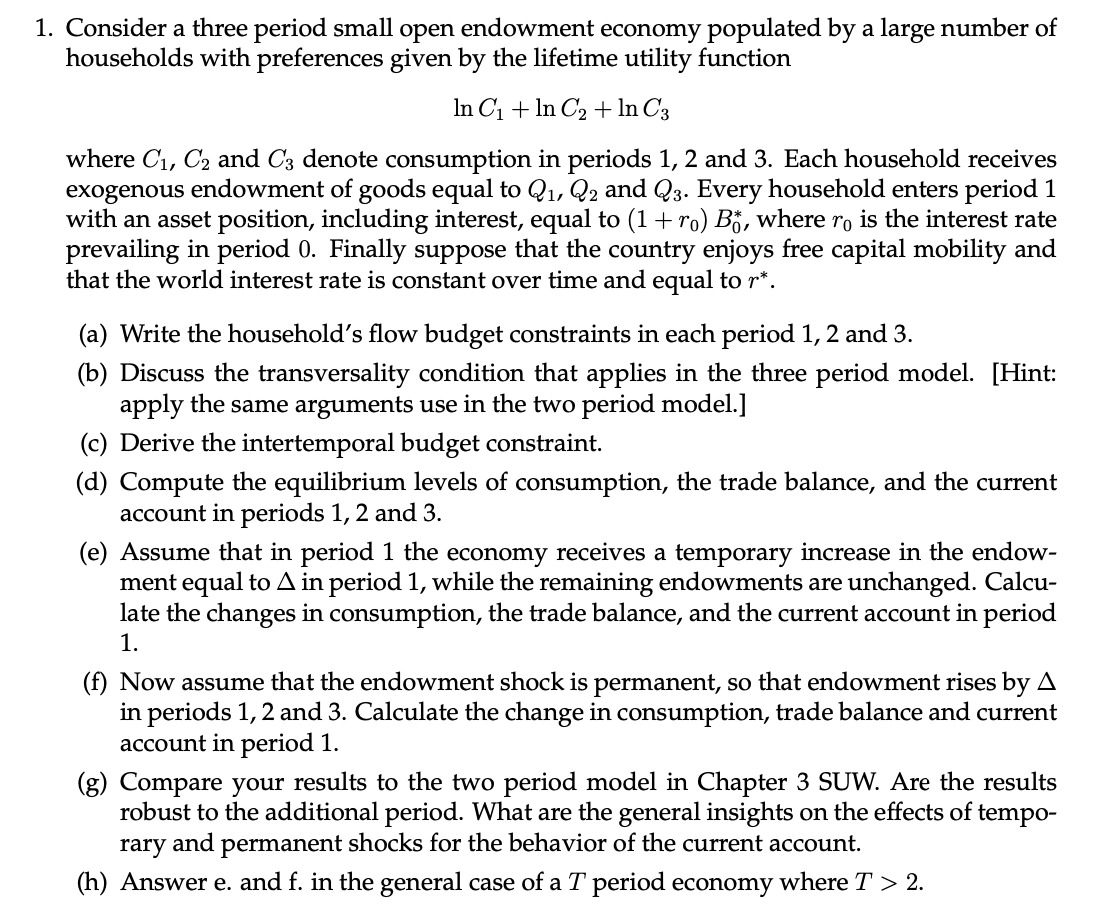
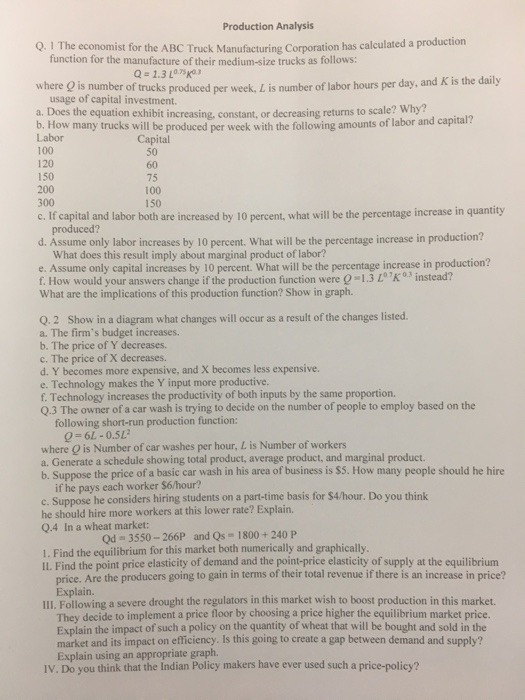
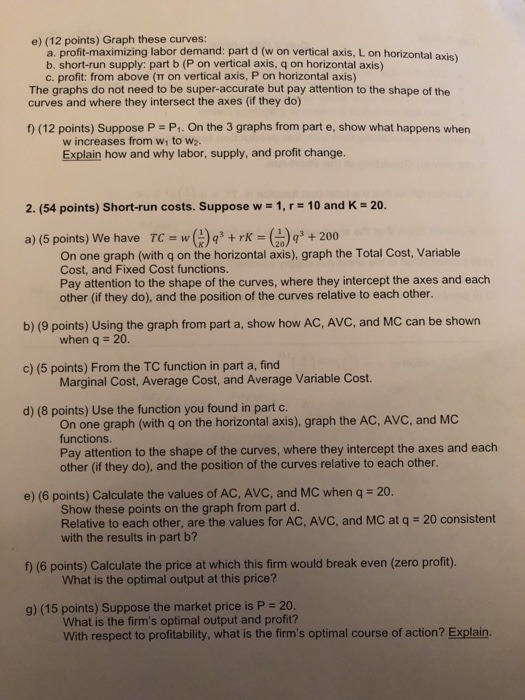
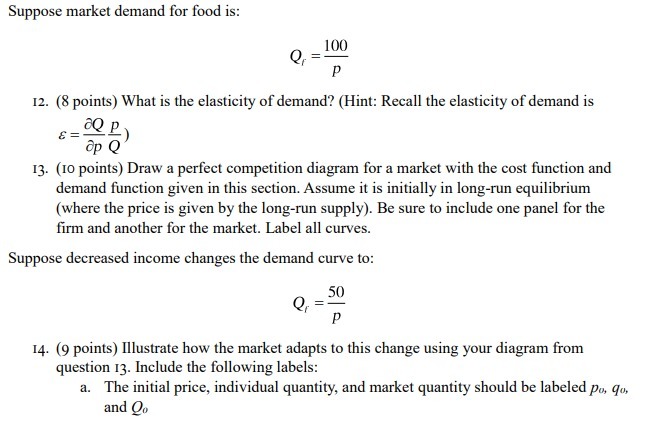
1. Consider a three period small open endowment economy populated by a large number of households with preferences given by the lifetime utility function 11101 +11102 +1DC3 where 01, 02 and 03 denote consumption in periods 1, 2 and 3. Each household receives exogenous endowment of goods equal to Q1, Q2 and Q3. Every household enters period 1 with an asset position, including interest, equal to (1 + r0) 33, where m is the interest rate prevailing in period 0. Finally suppose that the country enjoys free capital mobility and that the world interest rate is constant over time and equal to r". (a) Write the household's ow budget constraints in each period 1, 2 and 3. (b) Discuss the transversality condition that applies in the three period model. [I-Iint: apply the same arguments use in the two period model.] (C) Derive the intertemporal budget constraint. (d) Compute the equilibrium levels of consumption, the trade balance, and the current account in periods 1, 2 and 3. (e) Assume that in period 1 the economy receives a temporary increase in the endow- ment equal to A in period 1, while the remaining endowments are unchanged. Calcu- late the changes in consumption, the trade balance, and the current account in period 1. (1') Now assume that the endowment shock is permanent, so that endowment rises by A in periods 1, 2 and 3. Calculate the change in consumption, trade balance and current account in period 1. (g) Compare your results to the two period model in Chapter 3 SUW. Are the results robust to the additional period. What are the general insights on the effects of tempo- rary and permanent shocks for the behavior of the current account. (11) Answer e. and f. in the general case of a T period economy where T > 2. Production Analysis Q. I The economist for the ABC Truck Manufacturing Corporation has calculated a production function for the manufacture of their medium-size trucks as follows: Q = 1.3 1035 Kal where O is number of trucks produced per week, L is number of labor hours per day, and K is the daily usage of capital investment. a. Does the equation exhibit increasing, constant, or decreasing returns to scale? Why? b. How many trucks will be produced per week with the following amounts of labor and capital? Labor Capital 100 50 120 60 150 75 200 100 300 150 c. If capital and labor both are increased by 10 percent, what will be the percentage increase in quantity produced? d. Assume only labor increases by 10 percent. What will be the percentage increase in production? What does this result imply about marginal product of labor? e. Assume only capital increases by 10 percent. What will be the percentage increase in production? f. How would your answers change if the production function were (=1.3 10 7 0 instead? What are the implications of this production function? Show in graph. Q. 2 Show in a diagram what changes will occur as a result of the changes listed. a. The firm's budget increases. b. The price of Y decreases. c. The price of X decreases. d. Y becomes more expensive, and X becomes less expensive. c. Technology makes the Y input more productive. f. Technology increases the productivity of both inputs by the same proportion. Q.3 The owner of a car wash is trying to decide on the number of people to employ based on the following short-run production function: 0= 61 - 0.513 where Q is Number of car washes per hour, L is Number of workers a. Generate a schedule showing total product, average product, and marginal product. b. Suppose the price of a basic car wash in his area of business is $5. How many people should he hire if he pays each worker $6/hour? c. Suppose he considers hiring students on a part-time basis for $4/hour. Do you think he should hire more workers at this lower rate? Explain. 9.4 In a wheat market: Qd = 3550-266P and Qs = 1800 + 240 P 1. Find the equilibrium for this market both numerically and graphically. IL. Find the point price elasticity of demand and the point-price elasticity of supply at the equilibrium price. Are the producers going to gain in terms of their total revenue if there is an increase in price? Explain. Ill. Following a severe drought the regulators in this market wish to boost production in this market. They decide to implement a price floor by choosing a price higher the equilibrium market price. Explain the impact of such a policy on the quantity of wheat that will be bought and sold in the market and its impact on efficiency. Is this going to create a gap between demand and supply? Explain using an appropriate graph. IV. Do you think that the Indian Policy makers have ever used such a price-policy?e) (12 points) Graph these curves: a. profit-maximizing labor demand: part d (w on vertical axis, L on horizontal axis) b. short-run supply: part b (P on vertical axis, q on horizontal axis) c. profit: from above (T on vertical axis, P on horizontal axis) The graphs do not need to be super-accurate but pay attention to the shape of the curves and where they intersect the axes (if they do) () (12 points) Suppose P = P,. On the 3 graphs from part e, show what happens when w increases from w, to w2- Explain how and why labor, supply, and profit change. 2. (54 points) Short-run costs. Suppose w = 1, r = 10 and K = 20. a) (5 points) We have TC = w (*) q3 + rk = ()q3 + 200 On one graph (with q on the horizontal axis), graph the Total Cost, Variable Cost, and Fixed Cost functions. Pay attention to the shape of the curves, where they intercept the axes and each other (if they do), and the position of the curves relative to each other. b) (9 points) Using the graph from part a, show how AC, AVC, and MC can be shown when q = 20. c) (5 points) From the TC function in part a, find Marginal Cost, Average Cost, and Average Variable Cost. d) (8 points) Use the function you found in part c. On one graph (with q on the horizontal axis), graph the AC, AVC, and MC functions. Pay attention to the shape of the curves, where they intercept the axes and each other (if they do), and the position of the curves relative to each other. e) (6 points) Calculate the values of AC, AVC, and MC when q = 20. Show these points on the graph from part d. Relative to each other, are the values for AC, AVC, and MC at q = 20 consistent with the results in part b? f) (6 points) Calculate the price at which this firm would break even (zero profit). What is the optimal output at this price? g) (15 points) Suppose the market price is P = 20. What is the firm's optimal output and profit? With respect to profitability, what is the firm's optimal course of action? Explain.Suppose market demand for food is: lU or = P 12. {3 points} What is the elasticity of dede? (Hint: Recall the elasticityr of demand is 6P Q 13. {to points} Draw a perfect competition diagram for a market with the cost function and demand function given in this seetion.Assmne it is initially in long-nut equilibrium {where the price is given by the long-nut supply]. Be sure to include one panel for the rm and another for the market. Lahel all curves. Suppose decreased income changes the demand curve to: 2E p 14. {9 points) Illustrate how the market adapts to this change using your diagram from question 13. Include the following labels: a. The initial price, individual quantity, and market quantity should be labeled p", q\
Step by Step Solution
There are 3 Steps involved in it

Get step-by-step solutions from verified subject matter experts
 Study Help