







Question: help me please Task assigned 1tt assigned to WS Task assigned 2ed. assigned to WS Task axsipned 3H= _ assigned to WS Task assigned 4th=
help me please
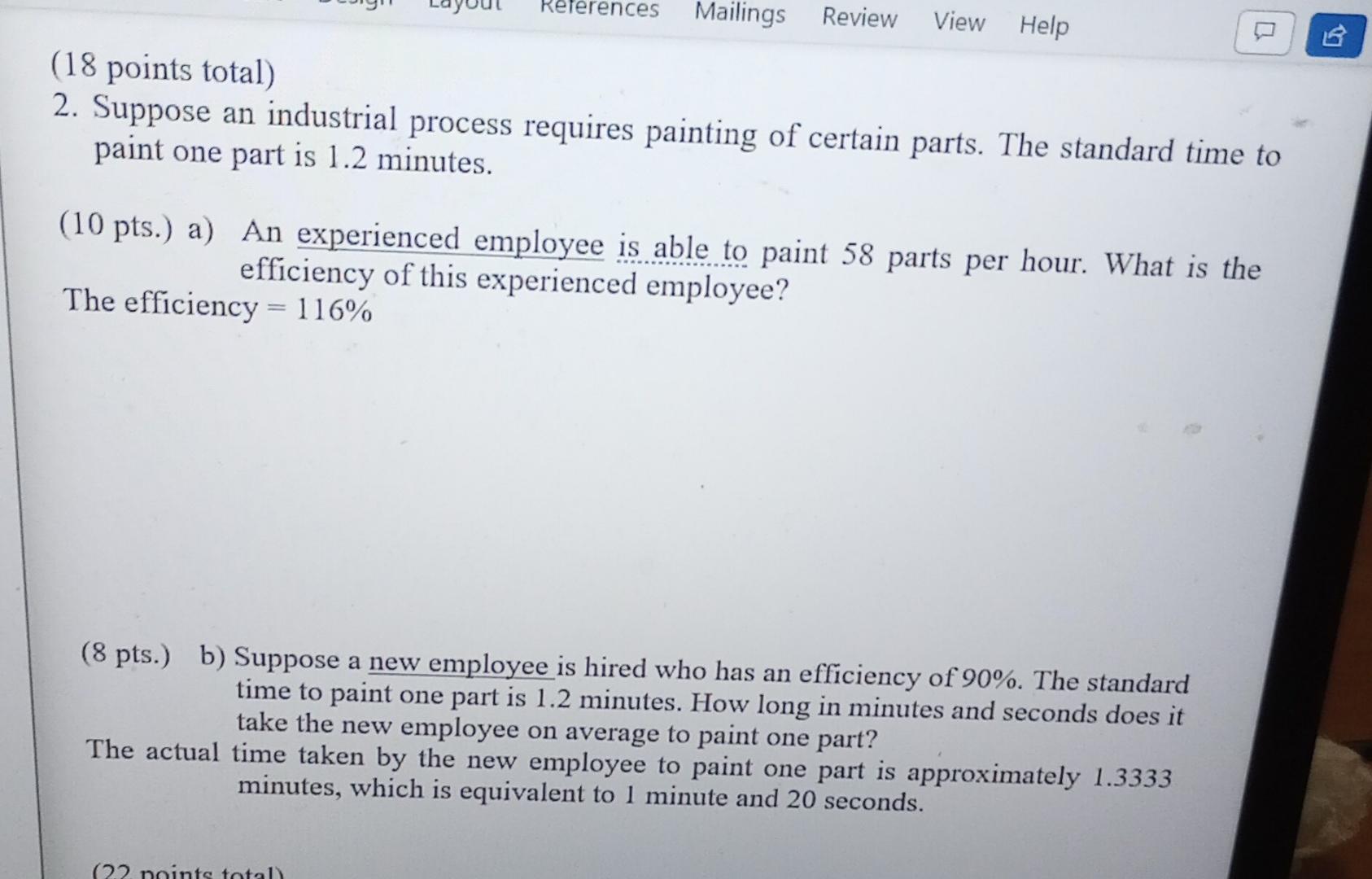
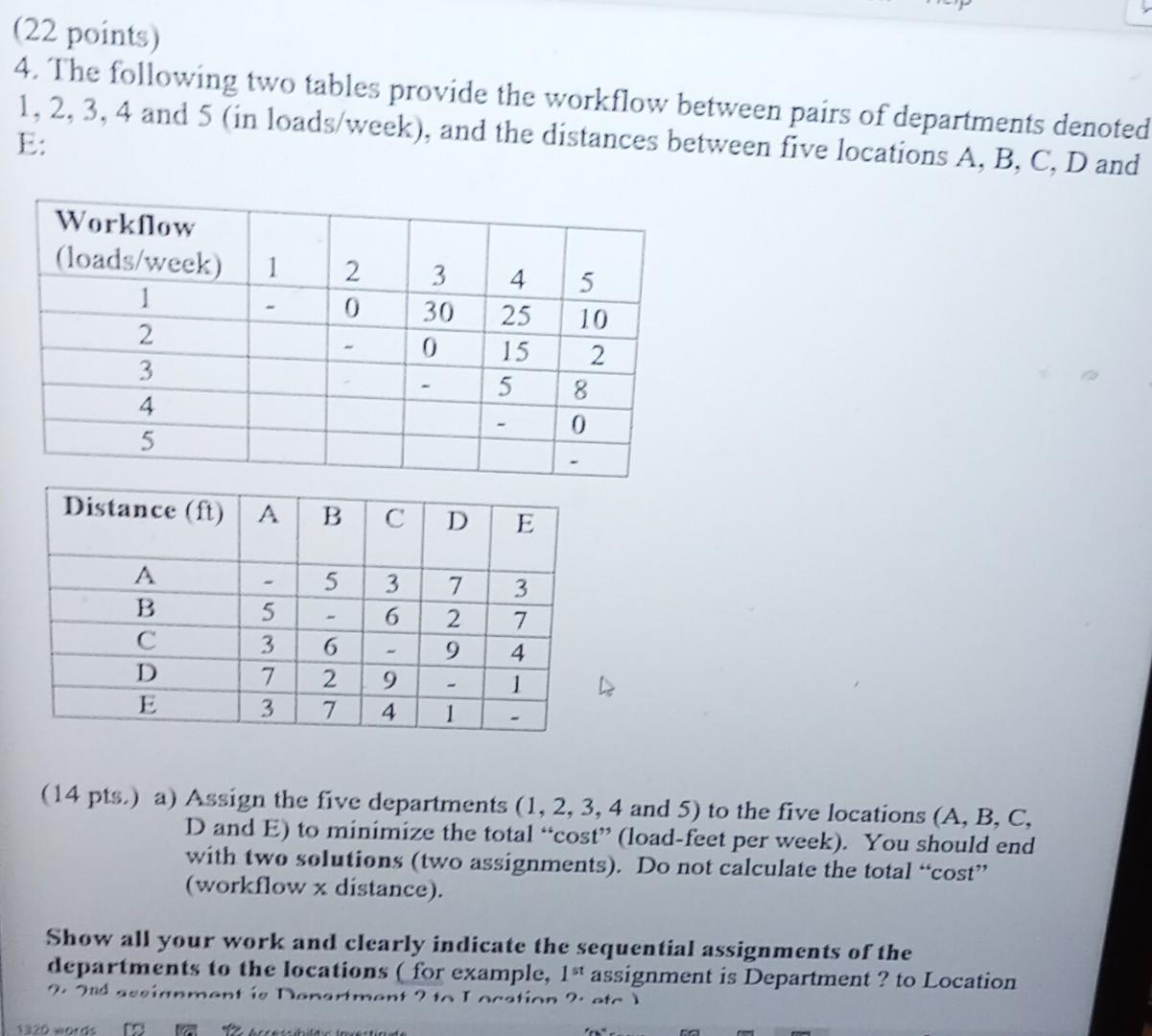
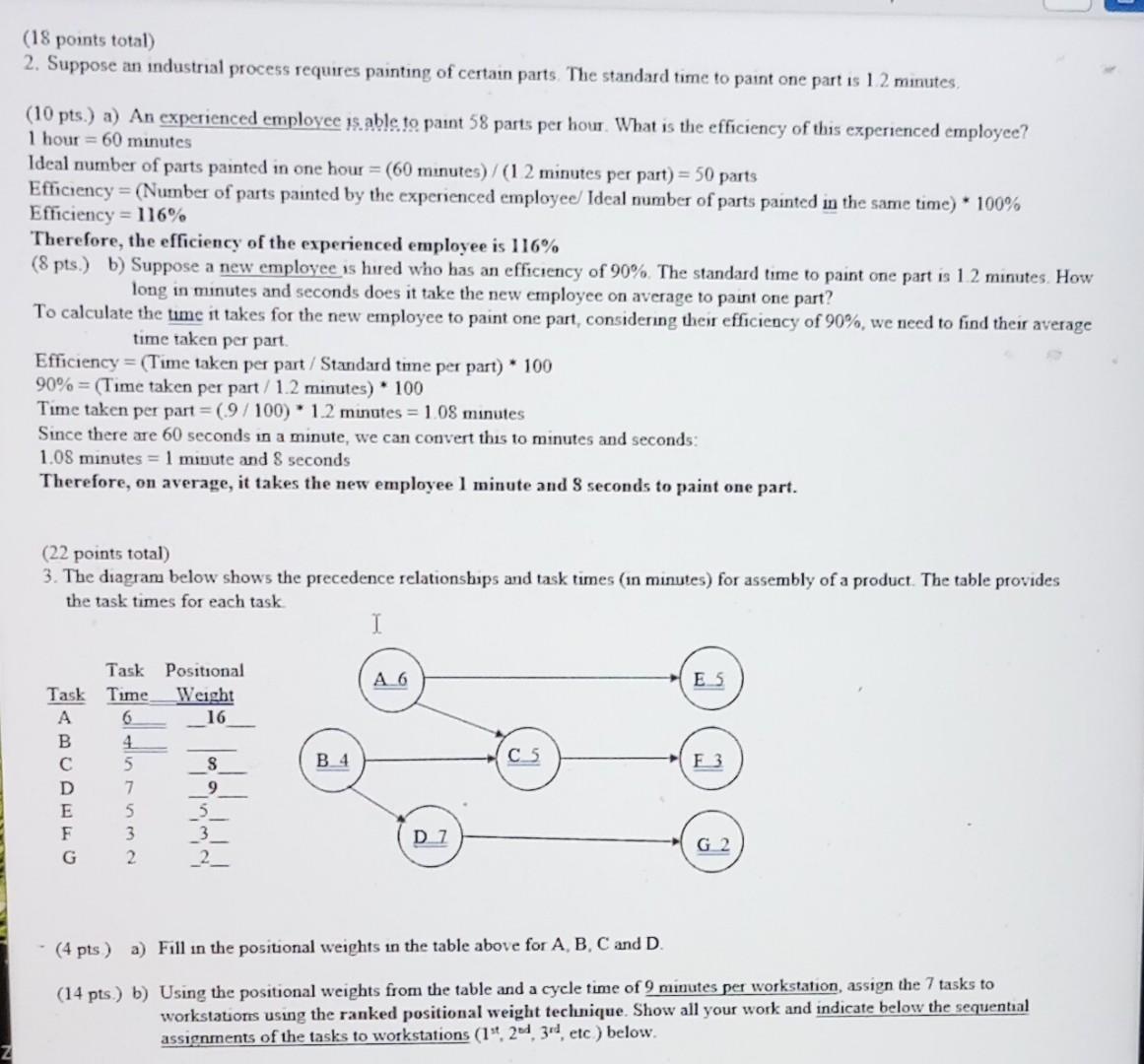
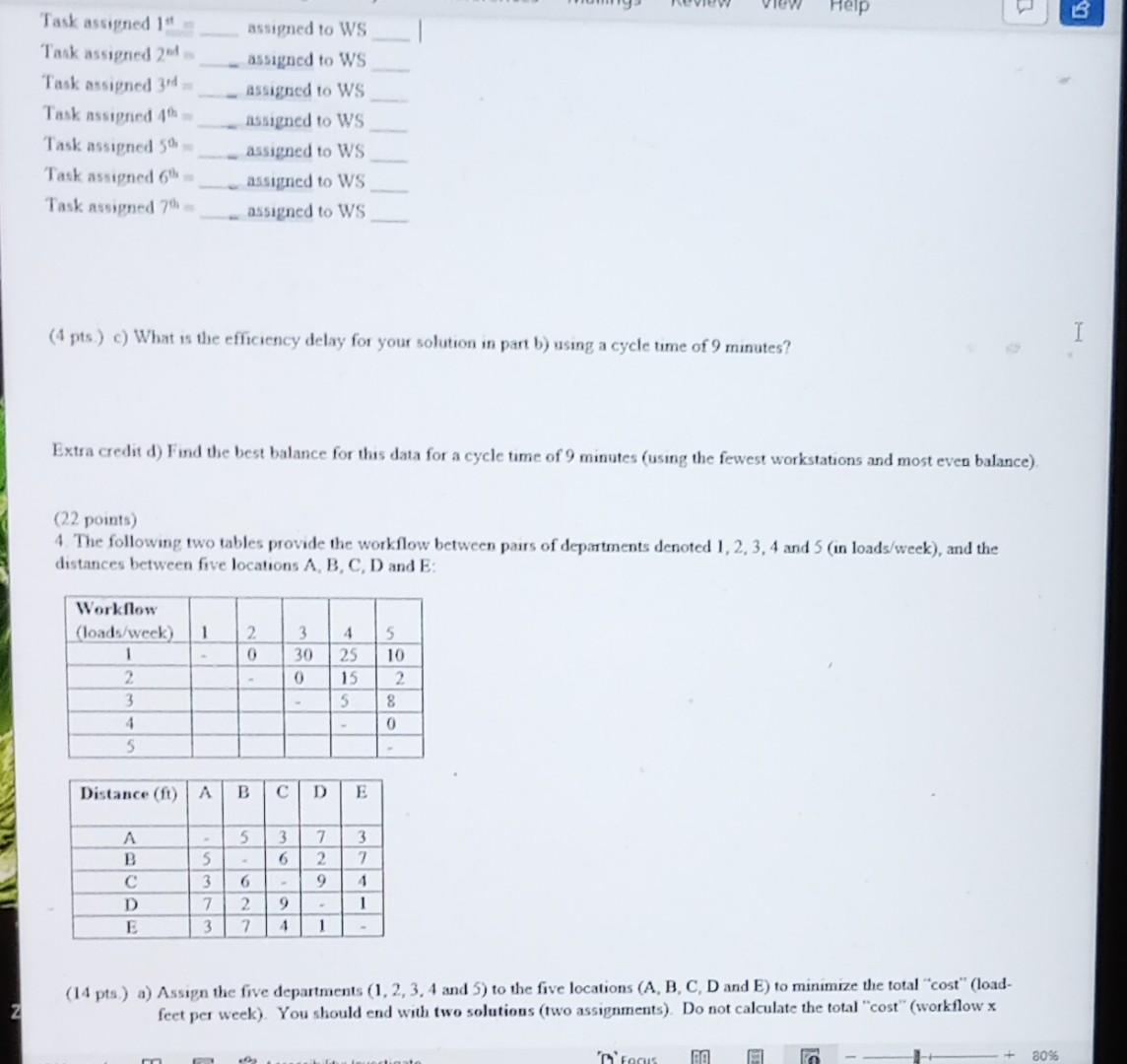
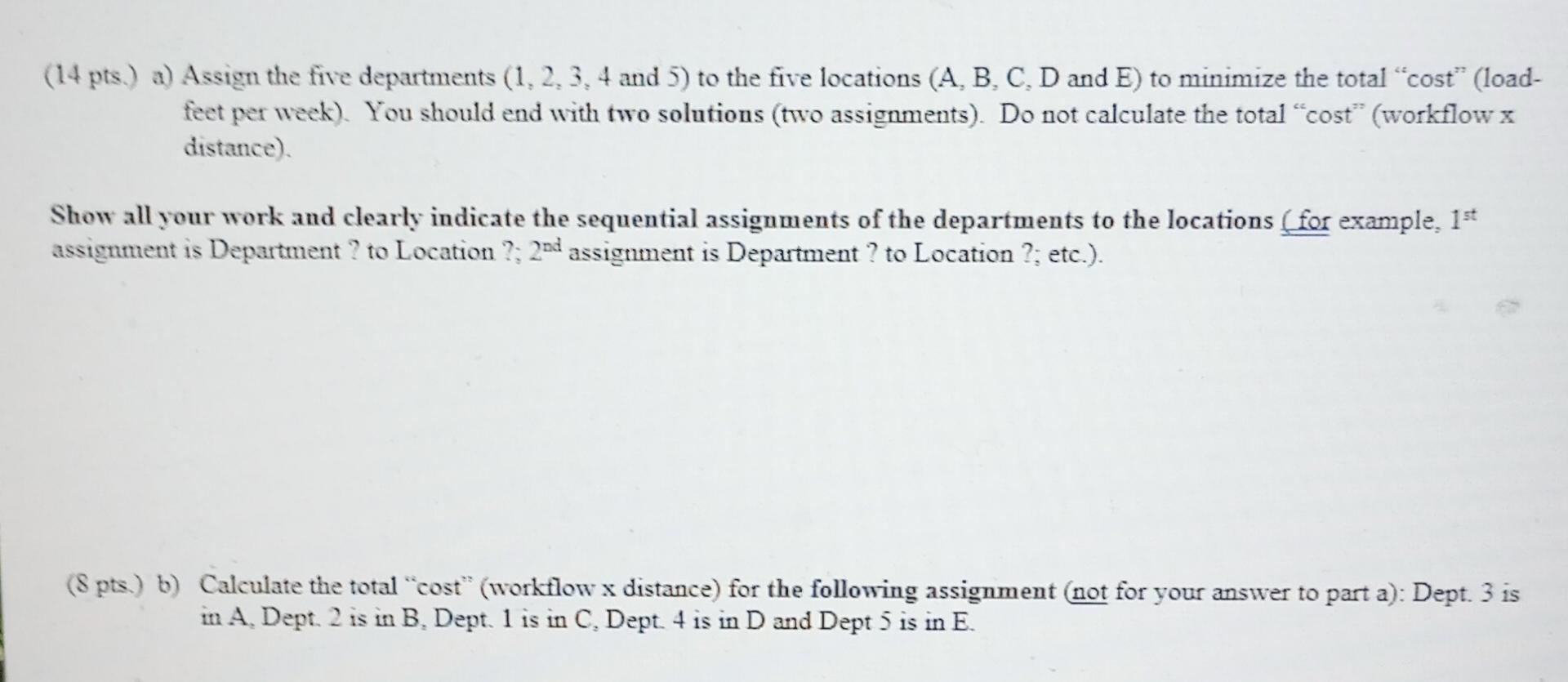
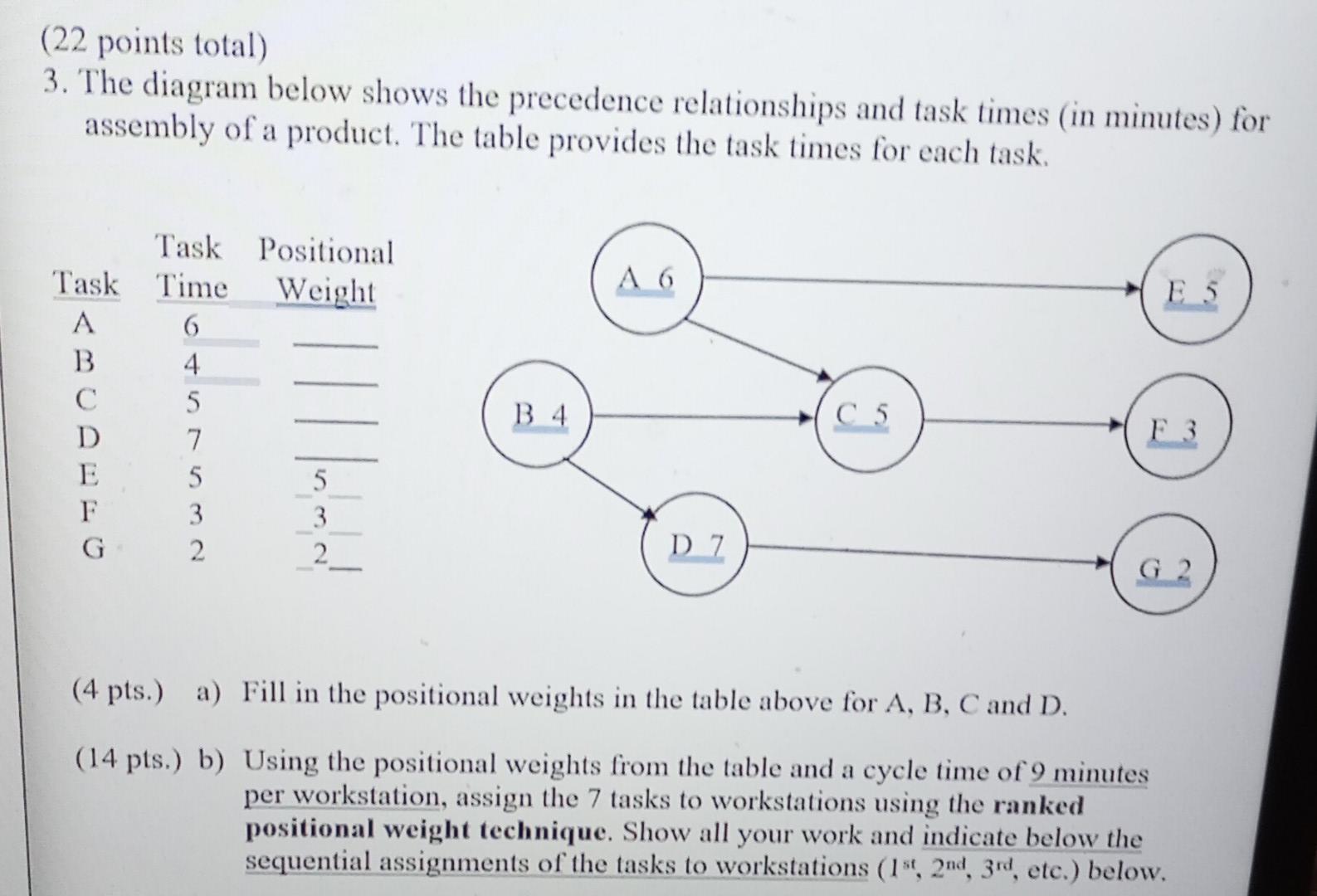
Task assigned 1tt assigned to WS Task assigned 2ed. assigned to WS Task axsipned 3H= _ assigned to WS Task assigned 4th= assigned to WS Task assugned 50h= _ assigned to WS Task assipned 6b= assyged to WS Task assigned 7th= _ assigned to WS (4 pts.) c) What is the efficiency delay for your solution in part b) using a cycle time of 9 minutes? Extra credit d) Find the best balance for thas data for a cycle time of 9 minutes (using the fewest workstations and most even balance) (22 points) 4 The following two tables provide the workflow between pars of departments denoted 1,2,3,4 and 5 (in loads/week), and the distances between five locations A,B,C,D and E : (14 pts) a) Assign the five departments (1,2,3,4 and 5) to the five locations (A, B, C, D and E) to minimize the total "cost" (loadfeet per week). You should end with two solutions (two assignments). Do not calculate the total "cost" (workflow x (22 points) 4. The following two tables provide the workflow between pairs of departments denoted 1,2,3,4 and 5 (in loads/week), and the distances between five locations A, B, C, D and E: (14 pts.) a) Assign the five departments (1, 2, 3, 4 and 5) to the five locations (A, B, C, D and E) to minimize the total "cost" (load-feet per week). You should end with two solutions (two assignments). Do not calculate the total "cost" (workflow x distance). Show all your work and clearly indicate the sequential assignments of the departments to the locations (for example, 1st assignment is Department ? to Location 2. Suppose an industrial process requires painting of certain parts. The standard time to paint one part is 1.2 minutes. (10 pts.) a) An experienced emplovee 15 able to pant 58 parts per hour. What is the efficiency of this experienced employee? 1 hour =60 minutes Ideal number of parts painted in one hour =(60 minutes )/(12 minutes per part )=50 parts Efficiency =( Number of parts painted by the experienced employed Ideal number of parts painted in the same time) * 100% Efficiency =116% Therefore, the efficiency of the experienced employee is 116% (8 pts.) b) Suppose a new employee is hured who has an efficiency of 90%. The standard time to paint one part is 1.2 minutes. How long in minutes and seconds does it take the new employee on average to paint one part? To calculate the tume it takes for the new employee to paint one part, considering their efficiency of 90%, we need to find their average time taken per part. Efficiency =( Time taken per part / Standard time per part )100 90%=( Time taken per part /1.2 minutes )100 Time taken per part =(9/100)1.2 minutes =1.08 minutes Since there are 60 seconds in a minute, we can convert this to minutes and seconds: 1.08 minutes =1 minute and 8 seconds Therefore, on average, it takes the new employee 1 minute and S seconds to paint one part. (22 points total) 3. The diagram below shows the precedence relationships and task times (in minutes) for assembly of a product. The table provides the task times for each task. (4 pts) a) Fill in the positional weights in the table above for A, B, C and D. (14 pts.) b) Using the positional weights from the table and a cycle time of 9 minutes per workstation, assign the 7 tasks to workstations using the ranked positional weight technique. Show all your work and indicate below the sequential assignments of the tasks to workstations (1rt,2ed,3rd,etc) below. (14 pts.) a) Assign the five departments (1,2,3,4 and 5) to the five locations (A, B, C, D and E) to minimize the total "cost" (loadfeet per week). You should end with two solutions (two assignments). Do not calculate the total "cost" (workflow x distance). Show all your work and clearly indicate the sequential assignments of the departments to the locations (for example, 1st assigument is Department ? to Location ?; 2nd assignment is Department ? to Location ?; etc.). ( $ pts.) b) Calculate the total "cost" (workflow x distance) for the following assignment (not for your answer to part a): Dept. 3 is in A, Dept. 2 is in B, Dept. 1 is in C. Dept. 4 is in D and Dept 5 is in E. (22 points total) 3. The diagram below shows the precedence relationships and task times (in minutes) for assembly of a product. The table provides the task times for each task. (4 pts.) a) Fill in the positional weights in the table above for A, B, C and D. (14 pts.) b) Using the positional weights from the table and a cycle time of 9 minutes per workstation, assign the 7 tasks to workstations using the ranked positional weight technique. Show all your work and indicate below the sequential assignments of the tasks to workstations ( 1st,2nd,3rd, etc. ) below. (18 points total) 2. Suppose an industrial process requires painting of certain parts. The standard time to paint one part is 1.2 minutes. (10 pts.) a) An experienced employee is able to paint 58 parts per hour. What is the efficiency of this experienced employee? The efficiency =116% (8 pts.) b) Suppose a new employee is hired who has an efficiency of 90%. The standard time to paint one part is 1.2 minutes. How long in minutes and seconds does it take the new employee on average to paint one part? The actual time taken by the new employee to paint one part is approximately 1.3333 minutes, which is equivalent to 1 minute and 20 seconds
Step by Step Solution
There are 3 Steps involved in it

Get step-by-step solutions from verified subject matter experts
 Study Help