Question: Help Save Blue Ocean Strategy This exercise reviews the concept of combining business-level strategies, specifically cost leadership and differentiation, to create a blue ocean strategy.
Help Save Blue Ocean Strategy This exercise
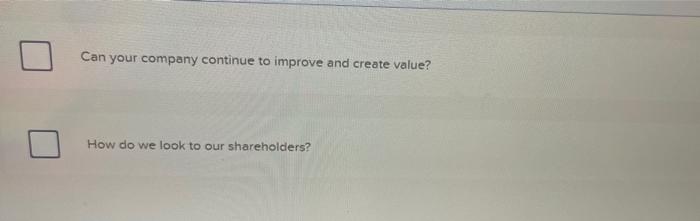
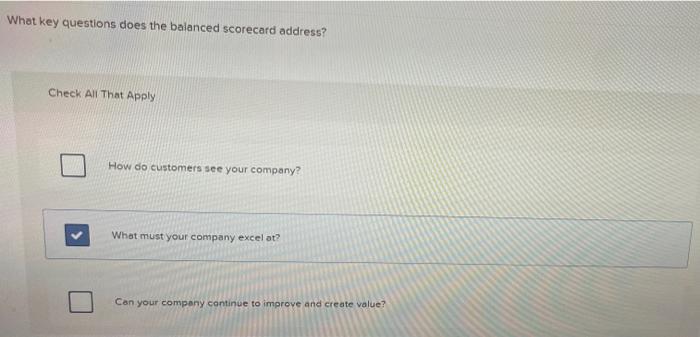
Help Save Blue Ocean Strategy This exercise reviews the concept of combining business-level strategies, specifically cost leadership and differentiation, to create a blue ocean strategy. While an appealing position to obtain the strategy has inherent difficulties that a firm must overcome. This activity reinforces the material in section 65 of your text and Learning Objective 6-5 on evaluating values and cost drivers that may allow a firm to pursue a blue ocean strategy. It also covers why it is difficult for firms to succeed with such a strategy (Learning Objective 6-6) Read the minicase below and complete the activities that follow. Minicase The chapter focuses on IKEA to exemplify value innovation in the furniture retalling industry What might this same concept of balancing differentiation and low costs look like in the automotive industry? The number of automotive firms that use a highly differentiated business strategy is quite large and probably easy to distinguish. Brands such as Rolls-Royce, Porsche, and Land Rover all focus on providing value-added features for affluent individuals willing to pay more for the products they want. Low-cost leaders are also pretty easy to identify. Brands such as Kia and Hyundai offer several models that many consumers consider of acceptable quality for the price. When Chrysler and Daimler merged, the goal was to build a blue ocean strategy by leveraging the differentiation of Mercedes-Benz (Daimler's brand) with the low-cost manufacturing experience of Chrysler. However , what resulted was a firm that found itself squarely "stuck in the middle" with a higher cost structure and reduced value added than either firm had prior to the merger. Daimler's subsequent spin-off of Chrysler resulted in a loss of $3 billion. In recent decades, Toyota would be considered a successful value innovator in the automotive industry. Toyota has been able to use lean manufacturing and other operational efficiencies to drive a lower cost structure than many of its competitors. At the same time, it has generally maintained a differentially superior reputation for reliable high- quality cars with a good set of features that many consumers will purchase Now apply these examples to the value and cost trade-offs depicted in the V-C chart, which is a synthesis of Exhibits 6.3 and 6.4 from the book. This figure shows positions of competitive advantage and disadvantage What key questions does the balanced Scorecard address? Check All That Apply How do customers see your company? What must your company excel at? Can your company continue to improve and create value? Can your company continue to improve and create value? How do we look to our shareholders
Step by Step Solution

There are 3 Steps involved in it

1 Expert Approved Answer
Step: 1 Unlock blur-text-image

Question Has Been Solved by an Expert!

Get step-by-step solutions from verified subject matter experts

Step: 2 Unlock
Step: 3 Unlock

Students Have Also Explored These Related General Management Questions!