







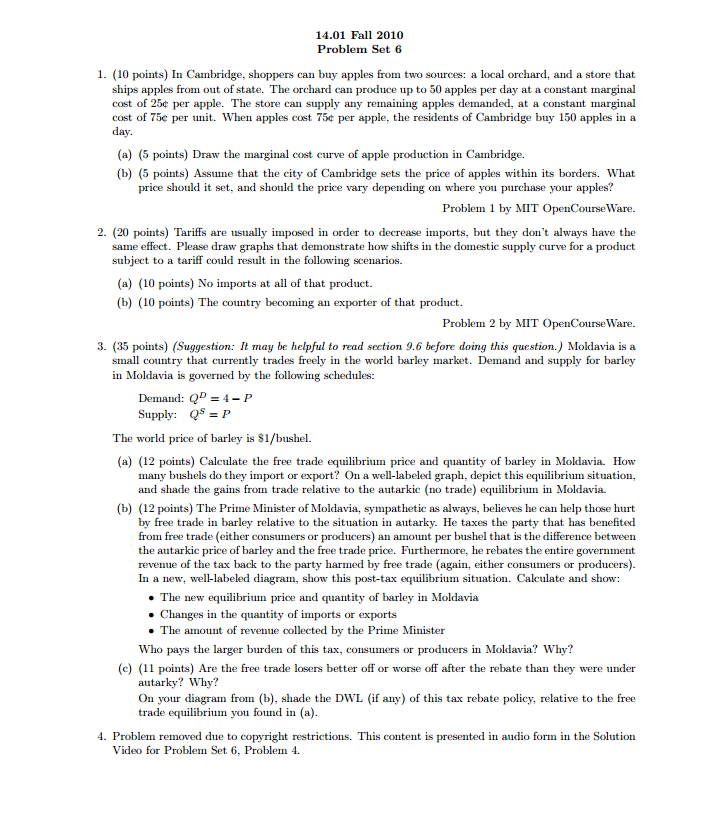
Question: help tutors plz 14.01 Fall 2010 Problem Set 6 1. (10 points) In Cambridge, shoppers can buy apples from two sources: a local orchard, and
help tutors plz
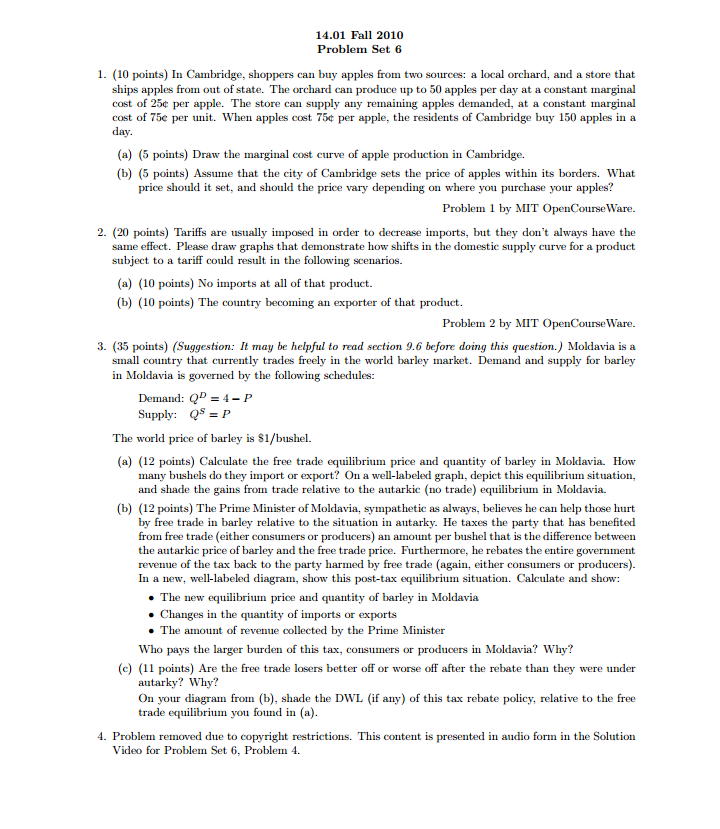
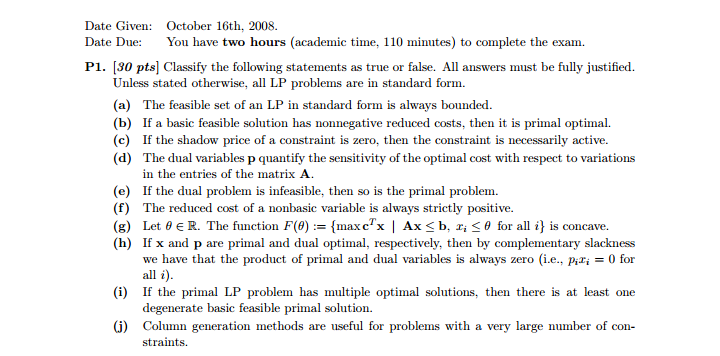
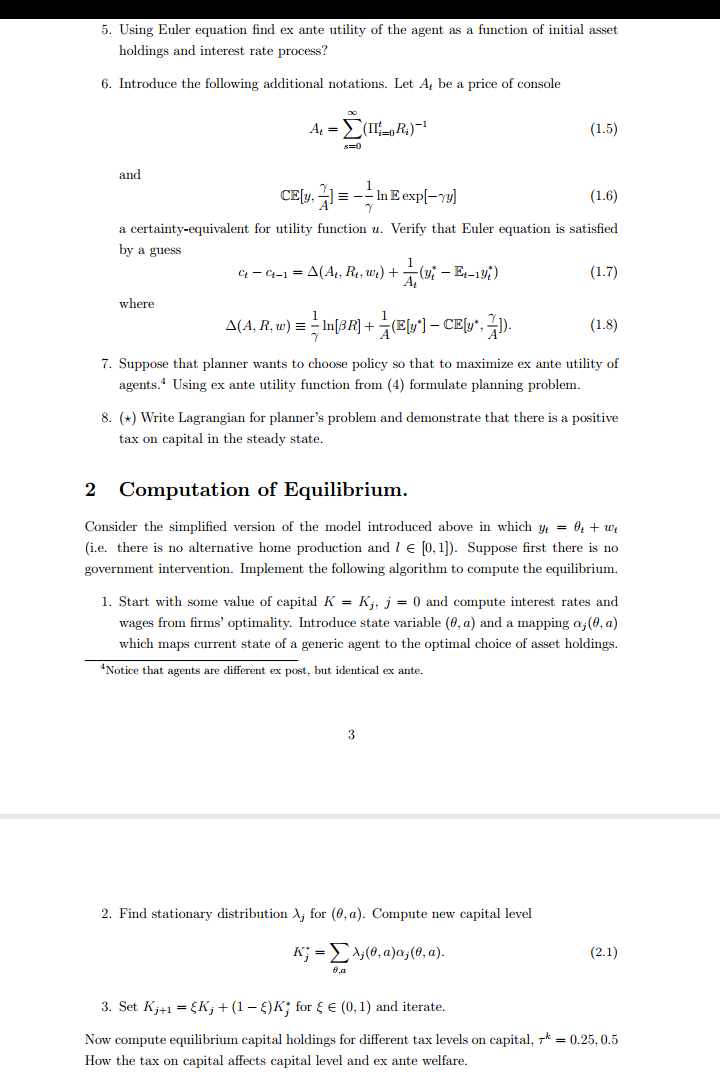
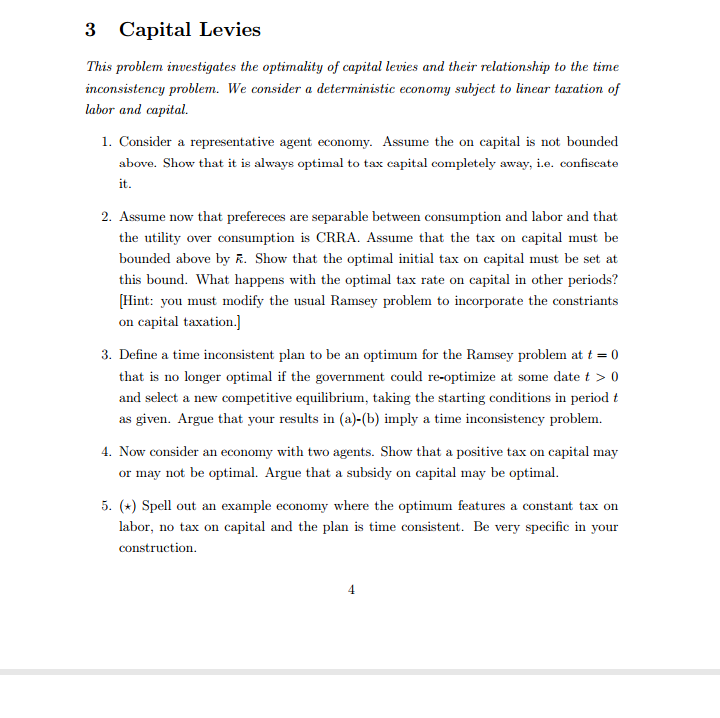
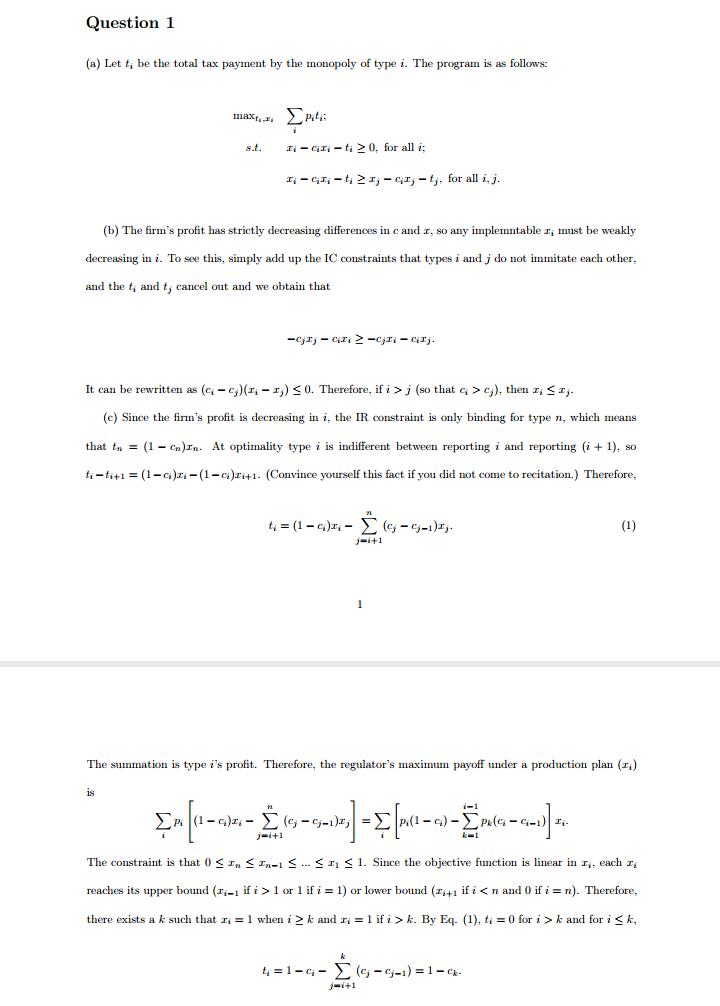
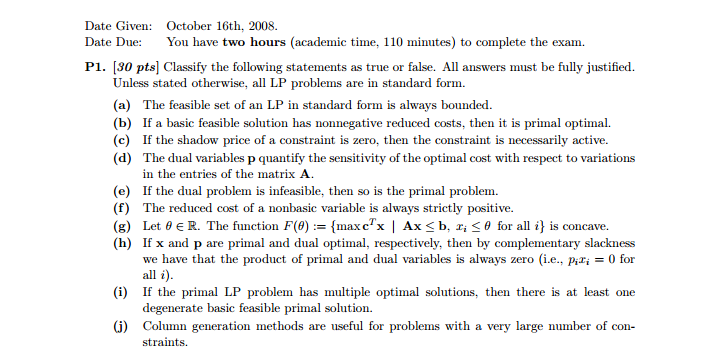
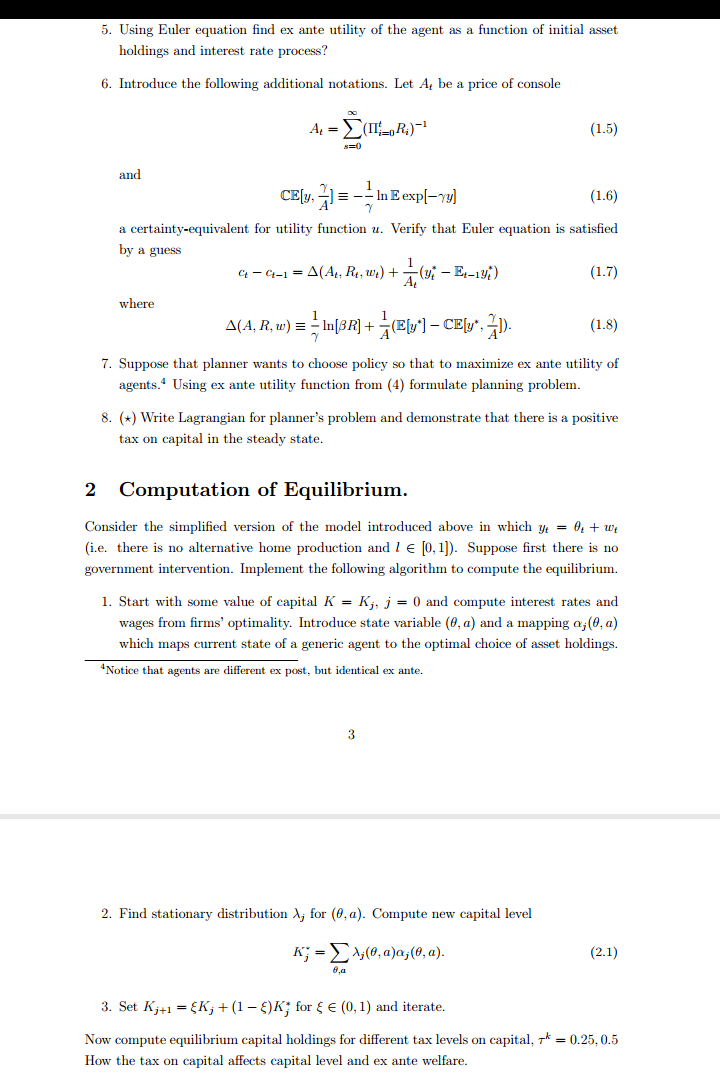
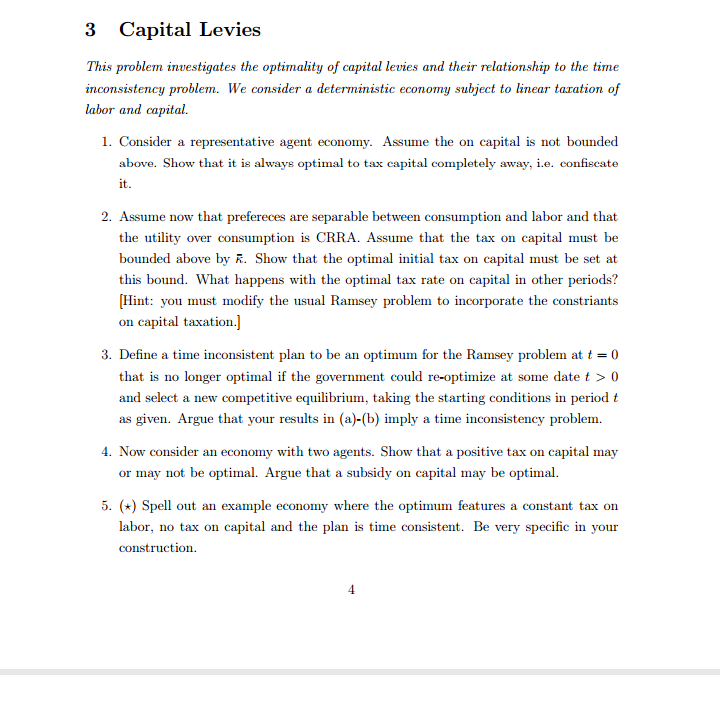
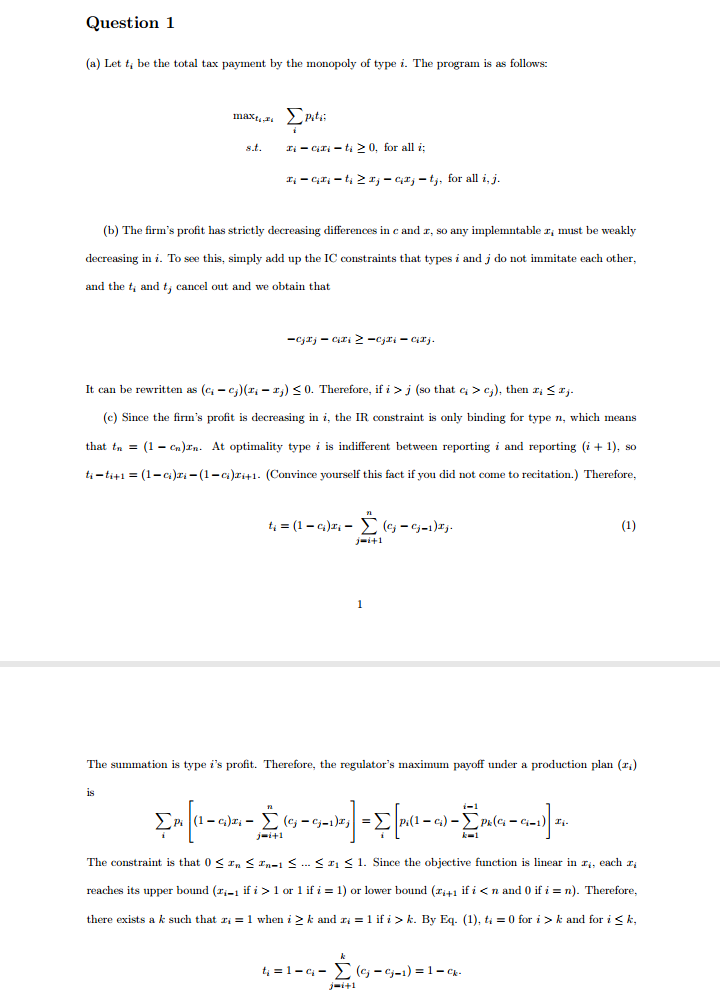
14.01 Fall 2010 Problem Set 6 1. (10 points) In Cambridge, shoppers can buy apples from two sources: a local orchard, and a store that ships apples from out of state. The orchard can produce up to 50 apples per day at a constant marginal cost of 25c per apple. The store can supply any remaining apples demanded, at a constant marginal cost of 75c per unit. When apples cost 754 per apple, the residents of Cambridge buy 150 apples in a day. (a) (5 points) Draw the marginal cost curve of apple production in Cambridge. (b) (5 points) Assume that the city of Cambridge sets the price of apples within its borders. What price should it set, and should the price vary depending on where you purchase your apples? Problem 1 by MIT OpenCourseWare. 2. (20 points) Tariffs are usually imposed in order to decrease imports, but they don't always have the same effect. Please draw graphs that demonstrate how shifts in the domestic supply curve for a product subject to a tariff could result in the following scenarios. (a) (10 points) No imports at all of that product. (b) (10 points) The country becoming an exporter of that product. Problem 2 by MIT OpenCourse Ware. 3. (35 points) (Suggestion: It may be helpful to read section 9.6 before doing this question.) Moldavia is a small country that currently trades freely in the world barley market. Demand and supply for barley in Moldavia is governed by the following schedules: Demand: Q =4 - P Supply: Q5 = P The world price of barley is $1/bushel. (a) (12 points) Calculate the free trade equilibrium price and quantity of barley in Moldavia. How many bushels do they import or export? On a well-labeled graph, depict this equilibrium situation, and shade the gains from trade relative to the autarkic (no trade) equilibrium in Moldavia. (b) (12 points) The Prime Minister of Moldavia, sympathetic as always, believes he can help those hurt by free trade in barley relative to the situation in autarky. He taxes the party that has benefited from free trade (either consumers or producers) an amount per bushel that is the difference between the autarkic price of barley and the free trade price. Furthermore, he rebates the entire government revenue of the tax back to the party harmed by free trade (again, either consumers or producers)- In a new, well-labeled diagram, show this post-tax equilibrium situation. Calculate and show: . The new equilibrium price and quantity of barley in Moldavia . Changes in the quantity of imports or exports . The amount of revenue collected by the Prime Minister Who pays the larger burden of this tax, consumers or producers in Moldavia? Why? (e) (11 points) Are the free trade losers better off or worse off after the rebate than they were under autarky? Why? On your diagram from (b), shade the DWL (if any) of this tax rebate policy, relative to the free trade equilibrium you found in (a). 4. Problem removed due to copyright restrictions. This content is presented in audio form in the Solution Video for Problem Set 6, Problem 4.Date Given: October 16th, 2008. Date Due: You have two hours (academic time, 110 minutes) to complete the exam. P1. [30 pts] Classify the following statements as true or false. All answers must be fully justified. Unless stated otherwise, all LP problems are in standard form. (a) The feasible set of an LP in standard form is always bounded. (b) If a basic feasible solution has nonnegative reduced costs, then it is primal optimal. (c) If the shadow price of a constraint is zero, then the constraint is necessarily active. (d) The dual variables p quantify the sensitivity of the optimal cost with respect to variations in the entries of the matrix A. (e) If the dual problem is infeasible, then so is the primal problem. (f) The reduced cost of a nonbasic variable is always strictly positive. (g) Let # E R. The function F(0) := {maxc x | Ax 0 and select a new competitive equilibrium, taking the starting conditions in period t as given. Argue that your results in (a)-(b) imply a time inconsistency problem. 4. Now consider an economy with two agents. Show that a positive tax on capital may or may not be optimal. Argue that a subsidy on capital may be optimal. 5. (*) Spell out an example economy where the optimum features a constant tax on labor, no tax on capital and the plan is time consistent. Be very specific in your construction.Question 1 (a) Let t, be the total tax payment by the monopoly of type i. The program is as follows: Epitis s.t. r - ar - t: 2 0, for all i; n - an-t 21 - q1; -ty, for all i, j. (b) The firm's profit has strictly decreasing differences in c and r, so any implemutable r, must be weakly decreasing in i. To see this, simply add up the IC constraints that types i and j do not immitate each other, and the t; and t; cancel out and we obtain that -gij - an 2 -qfi -qIj. It can be rewritten as (c - c,)(1; - 1,) 5 0. Therefore, if i > j (so that q, > c,), then a, S Ij- (c) Since the firm's profit is decreasing in i, the IR constraint is only binding for type n, which means that to = (1 - cn)In. At optimality type i is indifferent between reporting i and reporting (i + 1), so ti-titi = (1-c)mi-(1-a)ri+1. (Convince yourself this fact if you did not come to recitation.) Therefore, 4= (1-4)- >(9-9-1)I;. (1) juit1 The summation is type a's profit. Therefore, the regulator's maximum payoff under a production plan (r,) is In ( - q) - [(-3-1), = [ p.(1 -c) - [Px(a -6-1)| 13. The constraint is that 0 In S In-1 5 ... 5 1 5 1. Since the objective function is linear in ry, each ry reaches its upper bound (ri-, if i > 1 or 1 if i = 1) or lower bound (zit if i k. By Eq. (1), to = 0 for i > k and for i s k, 4 =1-4 - > (9 -cj-1) =1-ck- jui+1
Step by Step Solution
There are 3 Steps involved in it

Get step-by-step solutions from verified subject matter experts
 Study Help