







Question: help with these Construct a frequency distribution and a frequency Construct a frequency distribution of the data. Use histogram for the data set using the
help with these
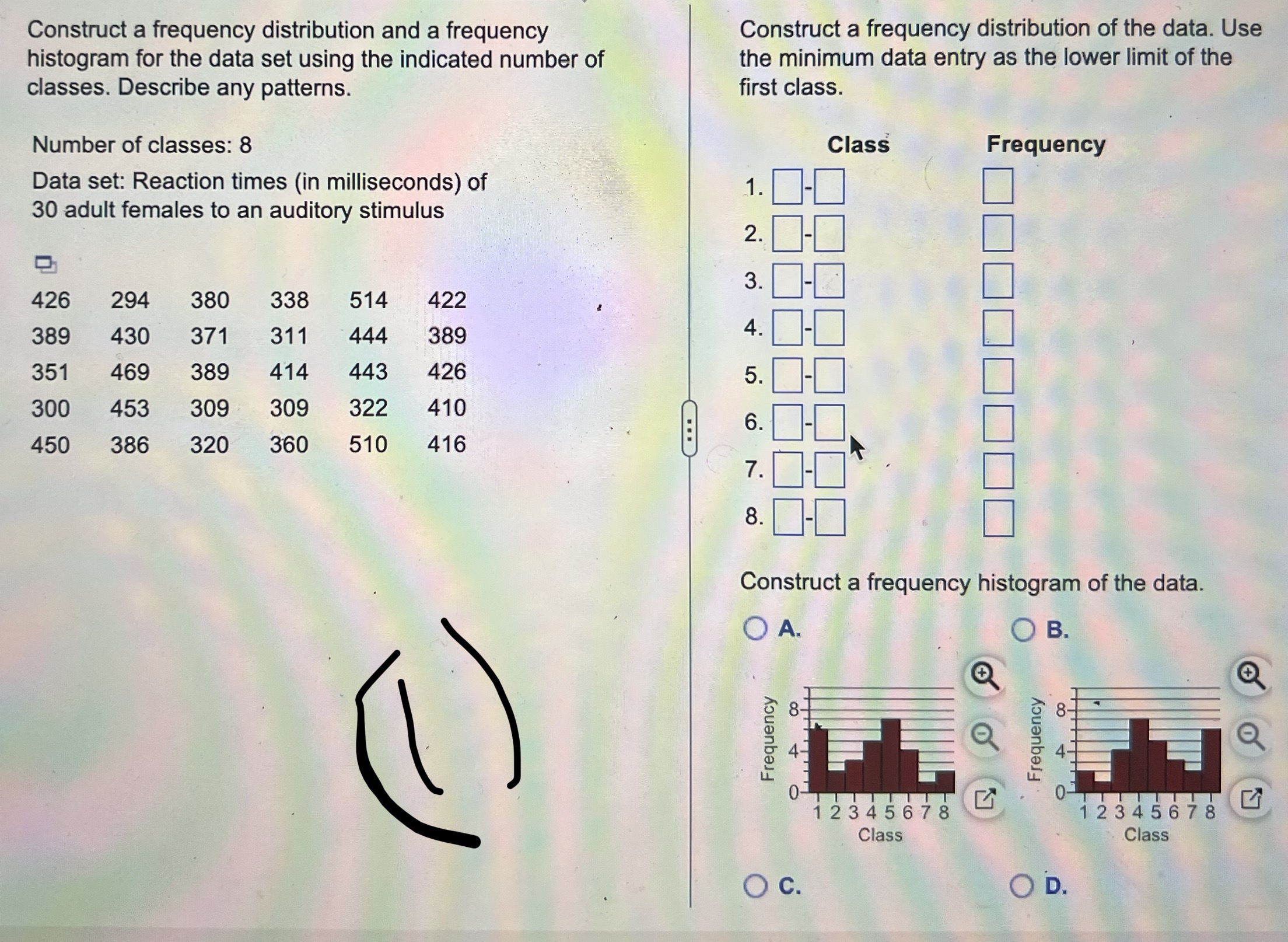
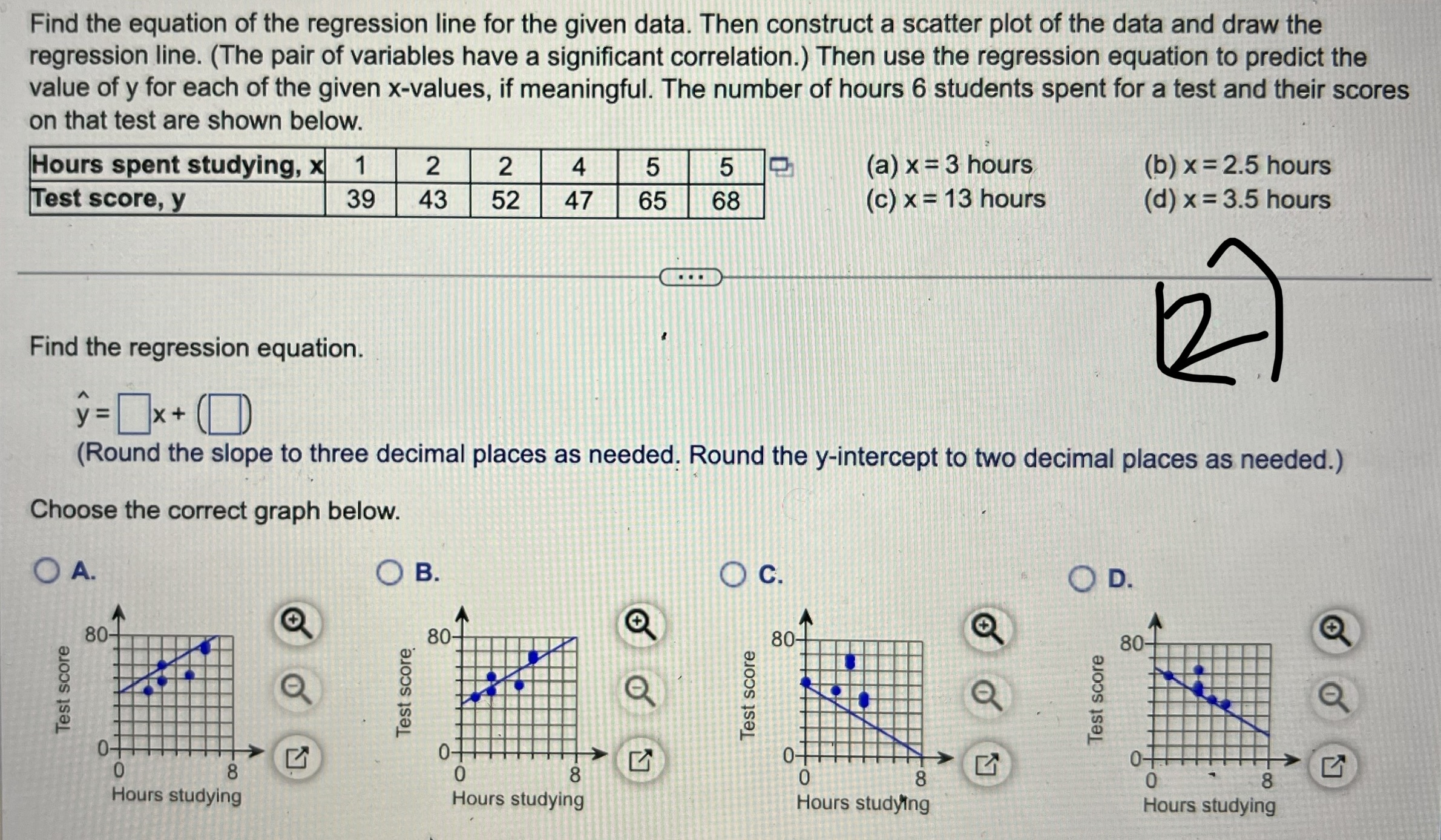
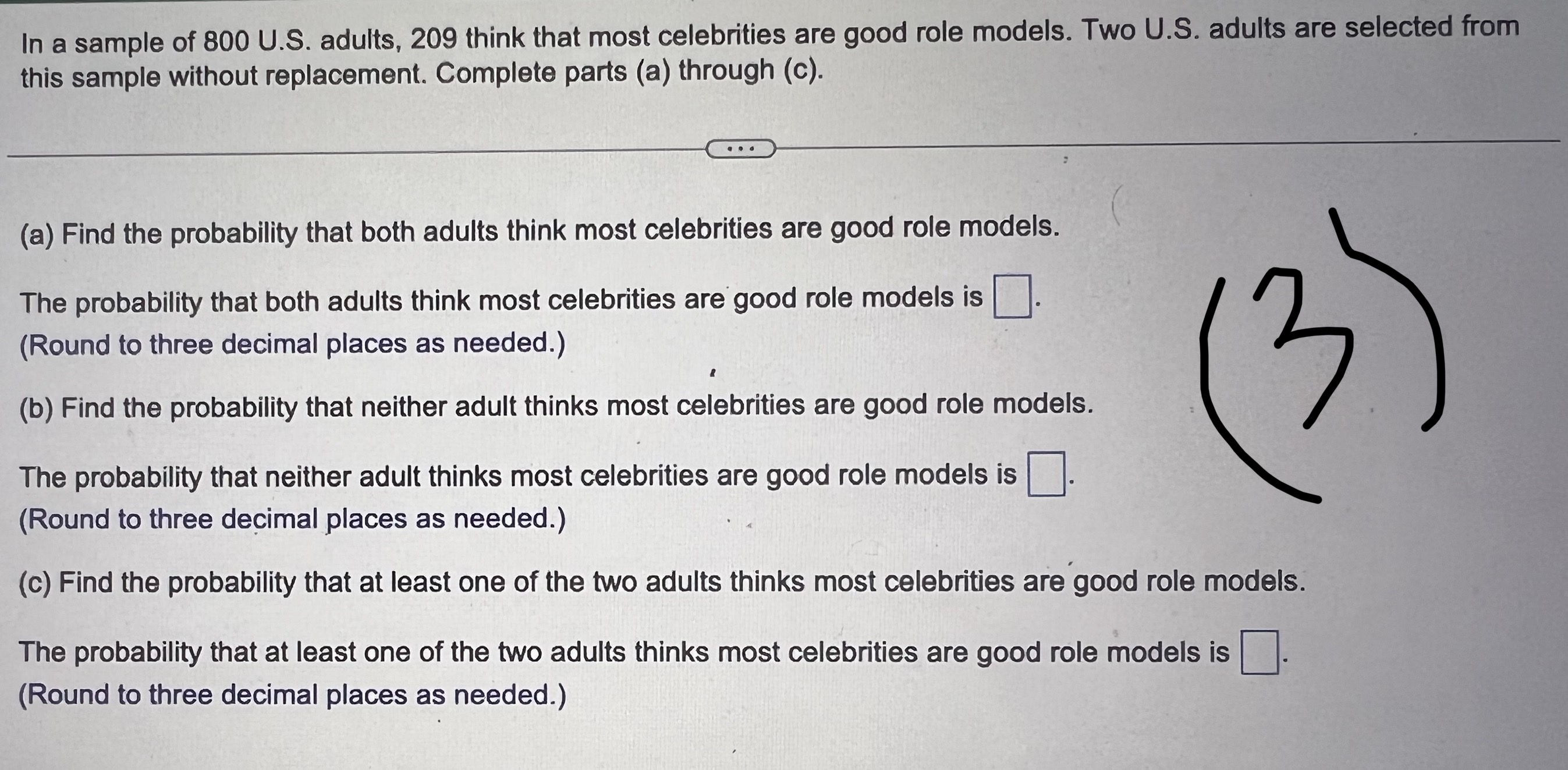
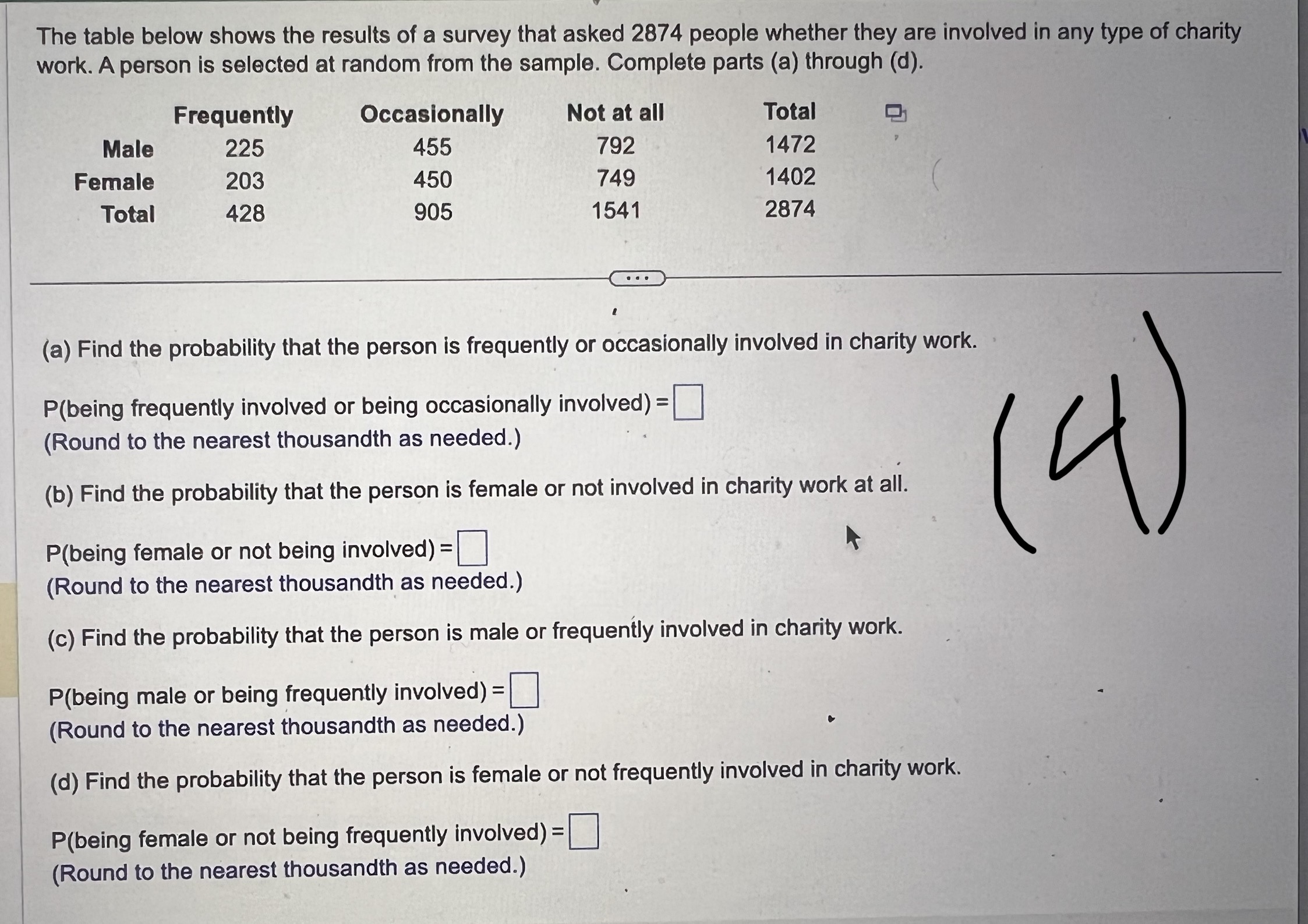
Construct a frequency distribution and a frequency Construct a frequency distribution of the data. Use histogram for the data set using the indicated number of the minimum data entry as the lower limit of the classes. Describe any patterns. first class. Number of classes: 8 Class Frequency Data set: Reaction times (in milliseconds) of 1 . 30 adult females to an auditory stimulus 2. 426 294 380 338 514 422 -A 389 430 371 311 444 389 351 469 389 414 443 426 300 453 309 309 322 410 6. 450 386 320 360 510 416 7 . 8. Construct a frequency histogram of the data. O A. O B. Frequency Frequency 1234567 8 12345678 Class Class O c. OD.Find the equation of the regression line for the given data. Then construct a scatter plot of the data and draw the regression line. (The pair of variables have a significant correlation.) Then use the regression equation to predict the value of y for each of the given x-values, if meaningful. The number of hours 6 students spent for a test and their scores on that test are shown below. Hours spent studying, x 1 2 2 4 5 5 (a) x = 3 hours (b) x = 2.5 hours Test score, y 39 43 52 47 65 68 (c) x = 13 hours (d) x = 3.5 hours Find the regression equation. y = ]x + D (Round the slope to three decimal places as needed. Round the y-intercept to two decimal places as needed.) Choose the correct graph below. OA. O B. O c. OD. 801 80-T 80 1 Test score Test score Test score Test score 0 8 0 0 Hours studying Hours studying Hours studying Hours studyingIn a sample of 800 U.S. adults, 209 think that most celebrities are good role models. Two U.S. adults are selected from this sample without replacement. Complete parts (a) through (c). . . . (a) Find the probability that both adults think most celebrities are good role models. The probability that both adults think most celebrities are good role models is (Round to three decimal places as needed.) (b) Find the probability that neither adult thinks most celebrities are good role models. '3 ) The probability that neither adult thinks most celebrities are good role models is (Round to three decimal places as needed.) (c) Find the probability that at least one of the two adults thinks most celebrities are good role models. The probability that at least one of the two adults thinks most celebrities are good role models is (Round to three decimal places as needed.)The table below shows the results of a survey that asked 2874 people whether they are involved in any type of charity work. A person is selected at random from the sample. Complete parts (a) through (d). Frequently Occasionally Not at all Total Male 225 455 792 1472 Female 203 450 749 1402 Total 428 905 1541 2874 . . . (a) Find the probability that the person is frequently or occasionally involved in charity work. P(being frequently involved or being occasionally involved) = (Round to the nearest thousandth as needed.) (b) Find the probability that the person is female or not involved in charity work at all. ( 4 ) P(being female or not being involved) = (Round to the nearest thousandth as needed.) (c) Find the probability that the person is male or frequently involved in charity work. P(being male or being frequently involved) = (Round to the nearest thousandth as needed.) (d) Find the probability that the person is female or not frequently involved in charity work. P(being female or not being frequently involved) = (Round to the nearest thousandth as needed.)
Step by Step Solution
There are 3 Steps involved in it

Get step-by-step solutions from verified subject matter experts
 Study Help