







Question: How do you do 2. e, f, g, h P12-2 Analyzing Comparative Financial Statements by Using Percentages and Selected Ratios LO12-5, 12-6, 12-9 The comparative
How do you do 2. e, f, g, h
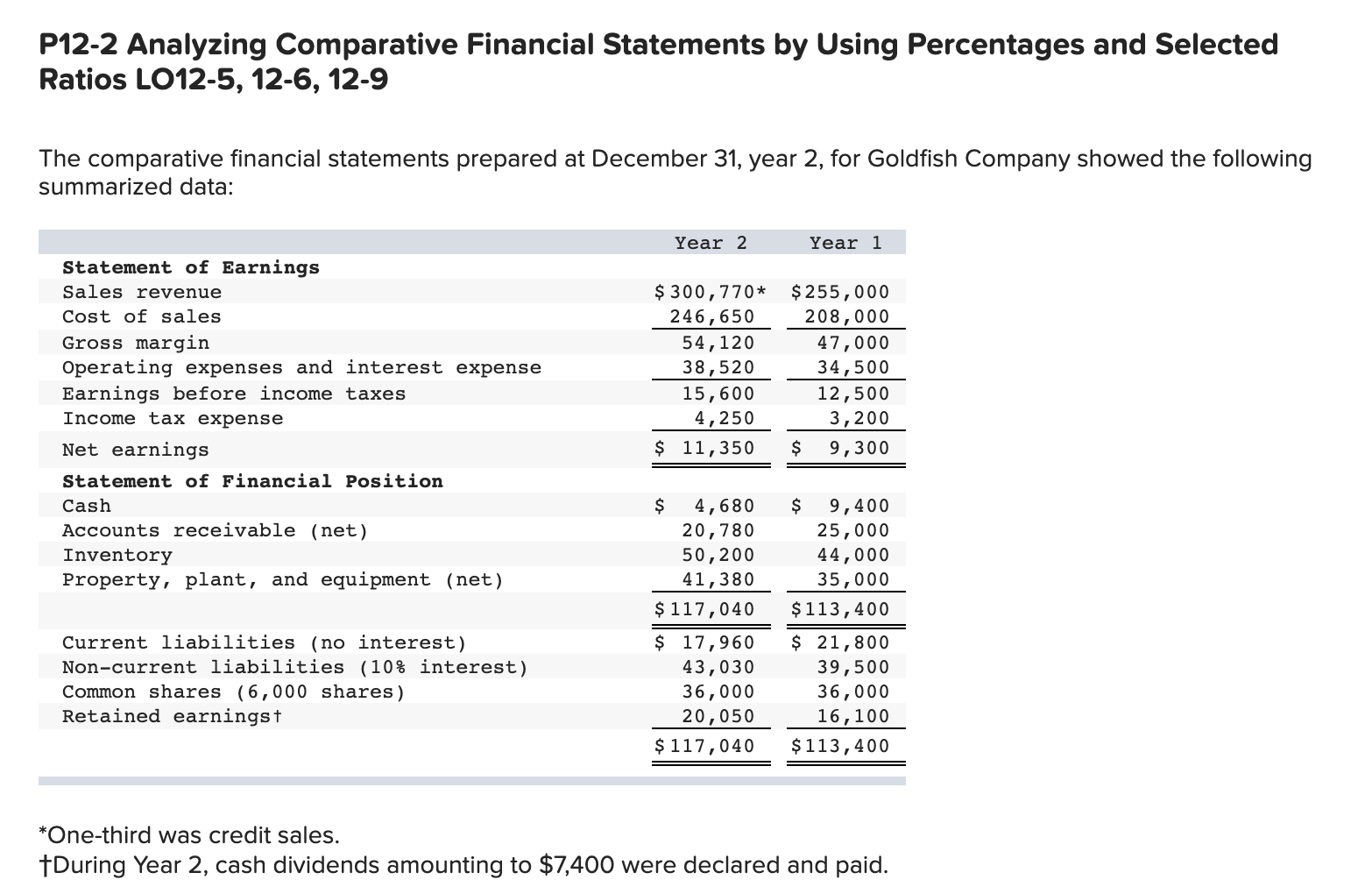
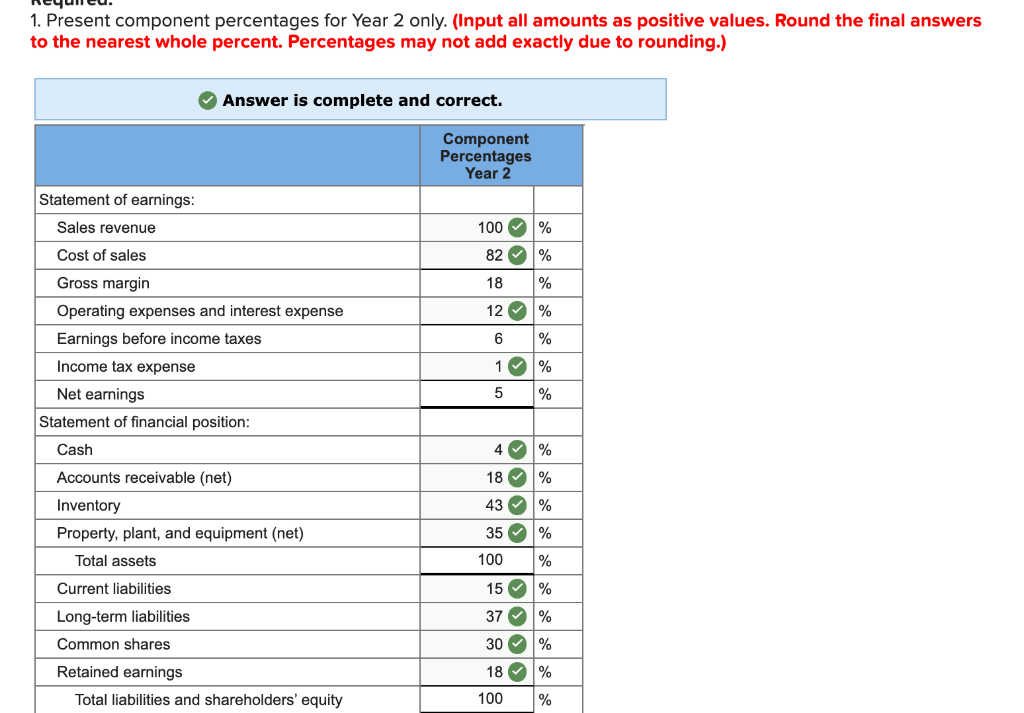
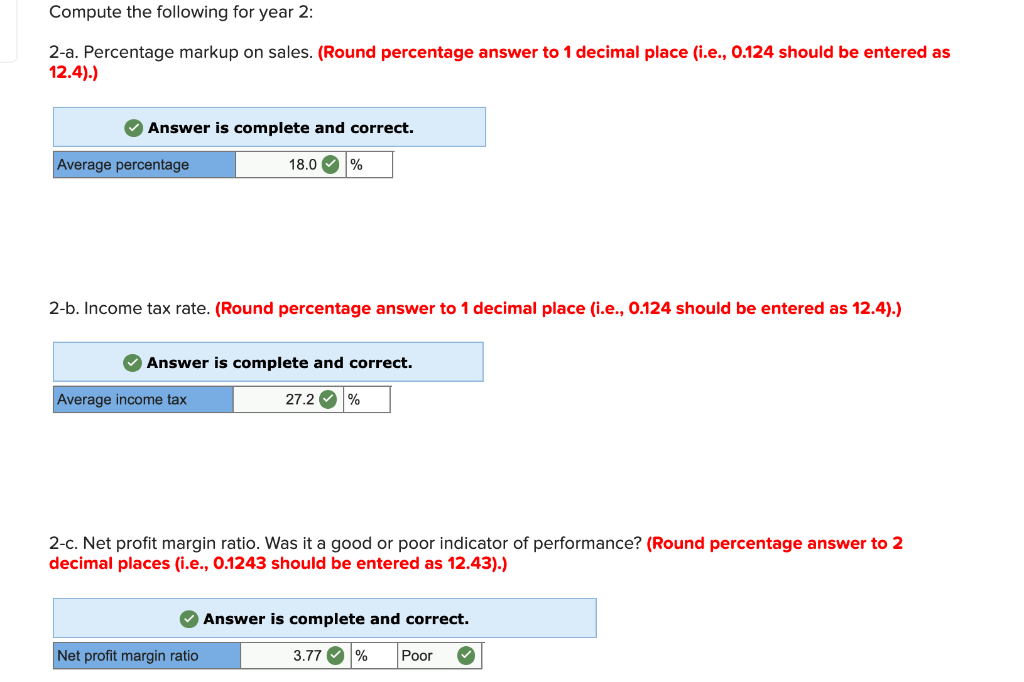
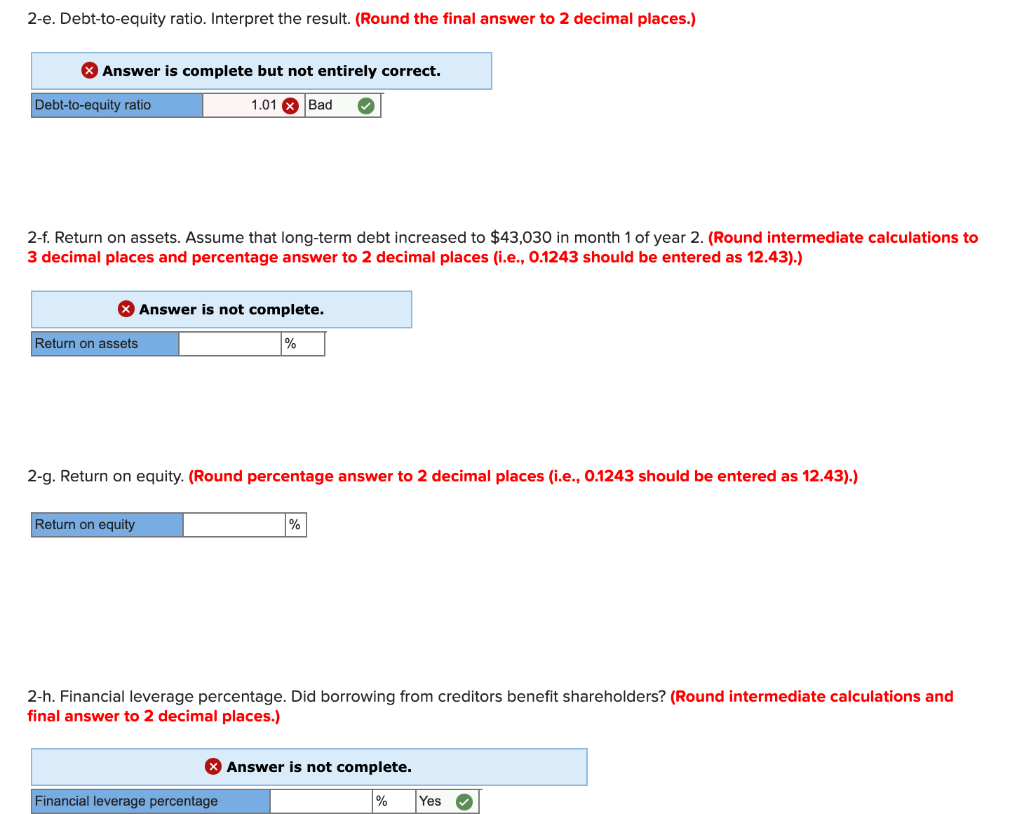
P12-2 Analyzing Comparative Financial Statements by Using Percentages and Selected Ratios LO12-5, 12-6, 12-9 The comparative financial statements prepared at December 31, year 2, for Goldfish Company showed the following summarized data: Year 2 Year 1 Statement of Earnings Sales revenue Cost of sales Gross margin Operating expenses and interest expense Earnings before income taxes Income tax expense Net earnings Statement of Financial Position Cash Accounts receivable (net) Inventory Property, plant, and equipment (net) $ 300,770* 246,650 54,120 38,520 15,600 4,250 $ 11,350 $ 255,000 208,000 47,000 34,500 12,500 3,200 $ 9,300 $ 4,680 20,780 50,200 41,380 $ 117,040 $ 9,400 25,000 44,000 35,000 $ 113,400 $ 21,800 39,500 36,000 16,100 $ 113,400 Current liabilities (no interest) Non-current liabilities (10% interest) Common shares (6,000 shares) Retained earningst $ 17,960 43,030 36,000 20,050 $ 117,040 *One-third was credit sales. During Year 2, cash dividends amounting to $7,400 were declared and paid. 1. Present component percentages for Year 2 only. (Input all amounts as positive values. Round the final answers to the nearest whole percent. Percentages may not add exactly due to rounding.) Answer is complete and correct. Component Percentages Year 2 Statement of earnings: Sales revenue 100% 82% Cost of sales 18 % 12% 6 % Gross margin Operating expenses and interest expense Earnings before income taxes Income tax expense Net earnings Statement of financial position: 1% 5 % Cash 4 % 18 % OOOO 43 Accounts receivable (net) Inventory Property, plant, and equipment (net) Total assets % 35 % 100 % 15 % Current liabilities Long-term liabilities Common shares 37 % 30 % 18 % Retained earnings Total liabilities and shareholders' equity 100 % Compute the following for year 2: 2-a. Percentage markup on sales. (Round percentage answer to 1 decimal place (i.e., 0.124 should be entered as 12.4).) Answer is complete and correct. Average percentage 18.0 % 2-b. Income tax rate. (Round percentage answer to 1 decimal place (i.e., 0.124 should be entered as 12.4).) Answer is complete and correct. Average income tax 27.2% 2-c. Net profit margin ratio. Was it a good or poor indicator of performance? (Round percentage answer to 2 decimal places (i.e., 0.1243 should be entered as 12.43).) Answer is complete and correct. Net profit margin ratio 3.77% Poor 2-e. Debt-to-equity ratio. Interpret the result. (Round the final answer to 2 decimal places.) Answer is complete but not entirely correct. Debt-to-equity ratio 1.01 Bad 2-f. Return on assets. Assume that long-term debt increased to $43,030 in month 1 of year 2. (Round intermediate calculations to 3 decimal places and percentage answer to 2 decimal places (i.e., 0.1243 should be entered as 12.43).) > Answer is not complete. Return on assets % 2-g. Return on equity. (Round percentage answer to 2 decimal places (i.e., 0.1243 should be entered as 12.43).) Return on equity % 2-h. Financial leverage percentage. Did borrowing from creditors benefit shareholders? (Round intermediate calculations and final answer to 2 decimal places.) Answer is not complete. Financial leverage percentage % Yes
Step by Step Solution
There are 3 Steps involved in it

Get step-by-step solutions from verified subject matter experts
 Study Help