







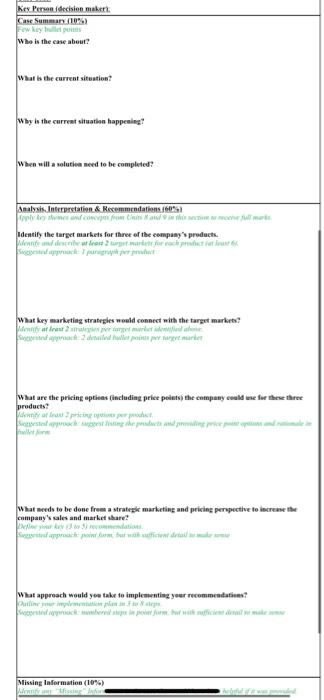
Question: How to Proceed 1. Read through the provided case study below. 2. Ensure that you keep detailed notes on the main challenges and opportunities identified
How to Proceed
Case Study
Spotify Case Study
Freemium Music: Taking Over the Industry
You may or may not be surprised to hear that subscription streaming services are the fastest-growing form of music listening. According to the 2018 Global Music Report, there are 176 million music streaming subscribers, and the annual growth is tremendous, with 68 million people signing up in the previous 12 months alone. In Canada, streaming revenues were up 68.8 percent at the time. That report also marked the first time that such services registered more revenues ($6.6 billion) than physical music sales ($5.2 billion) and digital downloads ($2.8 billion).
Streaming is more than the future of music; it is also the present. For example, The Weeknd, a popular Canadian artist with global appeal, has capitalized on this platform. His song "I Can't Feel My Face" premiered on Apple Music and was streamed more than 1.5 billion times, on all the various services, in the first two years alone. That sort of exposure and popularity allows artists like The Weeknd to cash in. However, despite these impressive figures, he said, "We live in a world in which artists don't make the money until they hit the stage." What does he mean? In fact, royalty payouts are not what they once were; they amount to only about 0.006 to 0.0084 per stream, or less than 1 penny per stream. In addition, 99.9 percent of artists don't get 1.5 billion plays in their whole career! In other words, under this new streaming model, the nearly free access to music can help build popularity that is then fully monetized and that eventually pays off with lucrative tours and endorsement deals. In 2017, The Weeknd earned $92 million. That same year, Chance the Rapper earned $33 million without ever selling a physical album or even signing a record deal! His real paydays have come through endorsement deals with Kit Kat and Apple and, of course, through festival gigs and tour money.
Spotify the Market Leader and the Competition
Spotify was originally launched in Stockholm, Sweden, in 2008 by two entrepreneurs named Daniel Ek and Martin Lorentzon. As their website indicates, Spotify has led the fight from a "transaction based" music acquisition model to an "access based" model, offering more than 35 million tracks to its customers. Spotify has more than 170 million monthly active users, with 75 million premium subscribers, in 65 countries. The company went public in 2018, with an initial public offering (IPO) valued at US$26.5 billion. Its most notable competitors are Pandora, SoundCloud, and Tidal. There is also one other late comer to the party going by a name you are quite familiar with: Apple.
Apple the Market Follower
Apple is one of the most innovative companies in the world; it helped transform the computer, smartphone, tablet, and music industries. However, the dominant position achieved by Apple iTunes (after the digital revolution disrupted the physical distribution model) is now threatened by streaming services. In fact, the digital download model championed by Apple's iTunes saw heavier declines than physical distribution in the previous 12-month period (20.5% vs. 11.2%). Apple saw the writing on the wall a few years back and entered the streaming business in 2015 (albeit, as a late arrival). However, despite the delay, once it made the move, it was fully committed. When Apple bought Beats by Dr. Dre for $3 billion back in 2014, many scratched their heads at the high price tag. However, Apple was not simply buying the company for its headphones; part of that move was to acquire the Beats streaming service and brand equity.
Step by Step Solution
There are 3 Steps involved in it

Get step-by-step solutions from verified subject matter experts
 Study Help