







Question: How to solve these two questions? 1. Question: Consider a reddish star with a temperature of 3270 K and a radius of 4. 19 x
How to solve these two questions?
1.
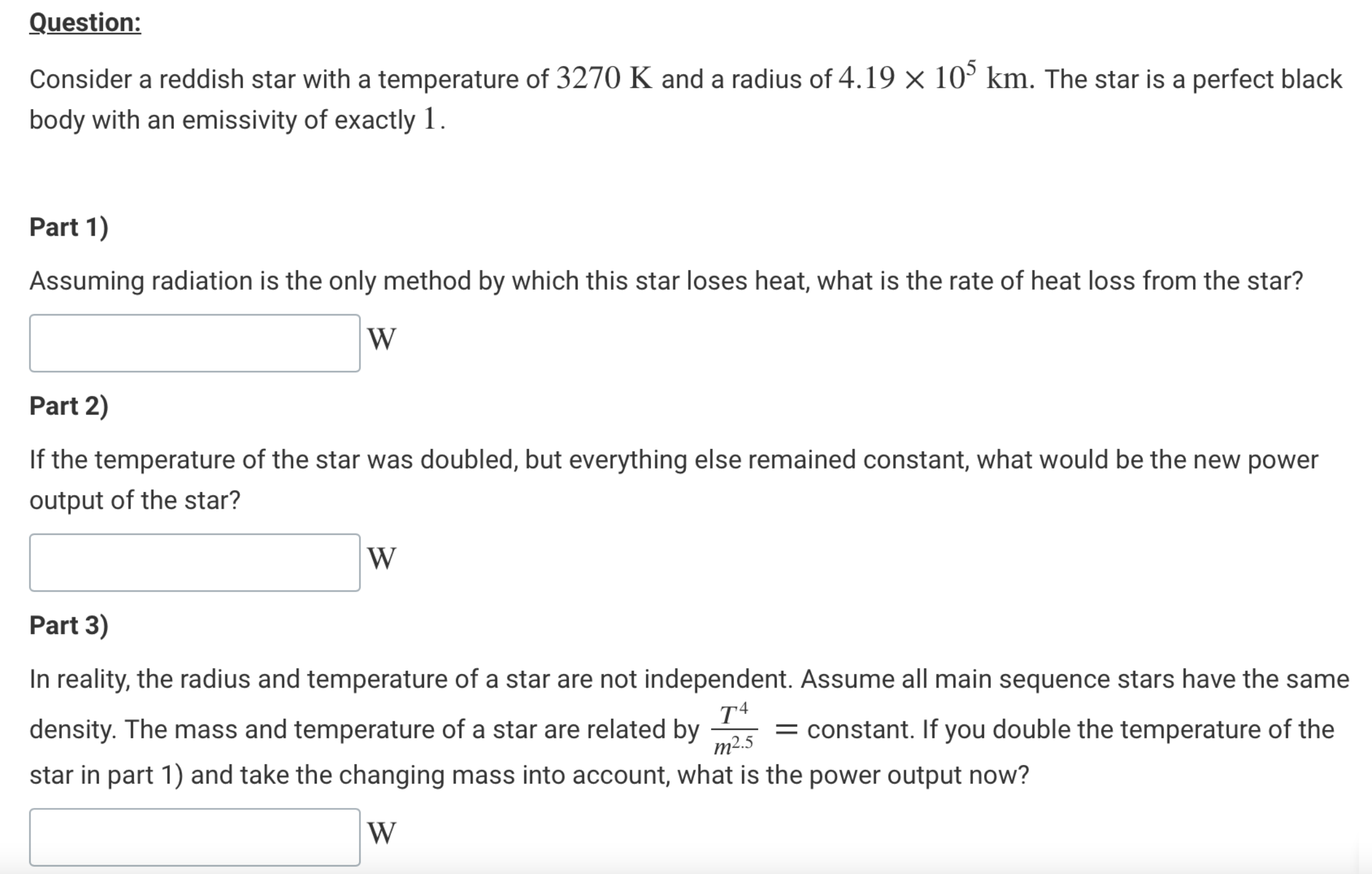
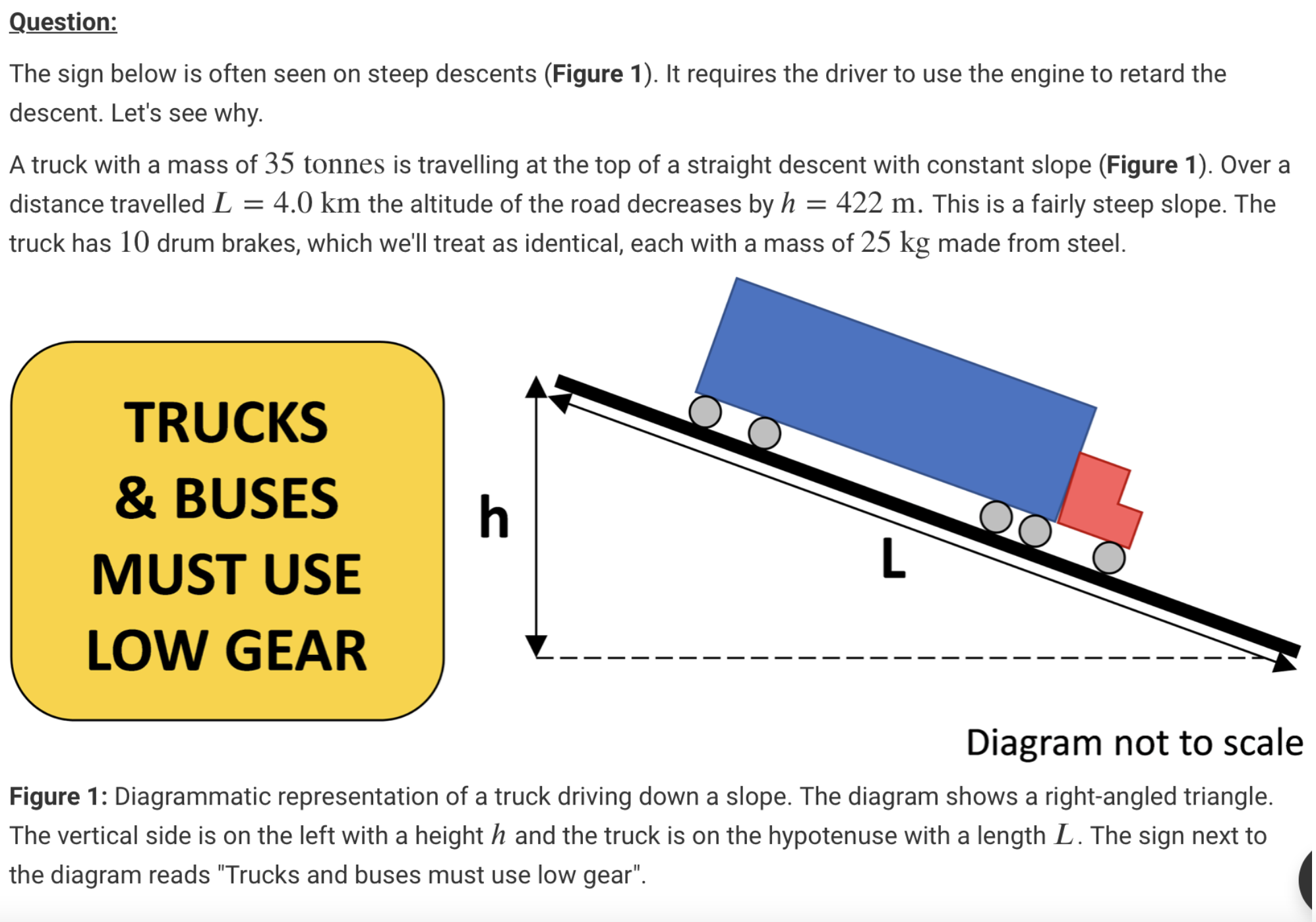
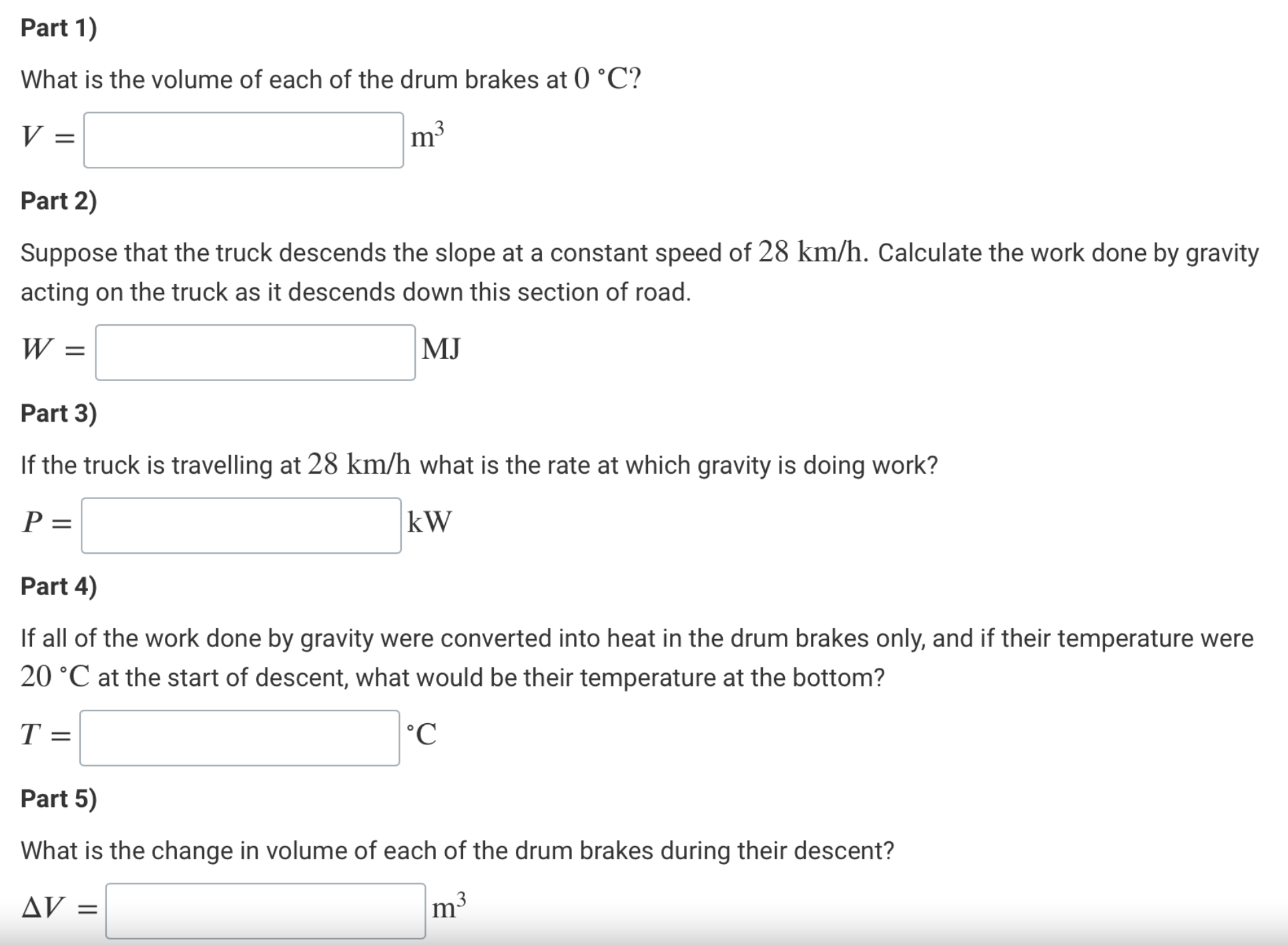
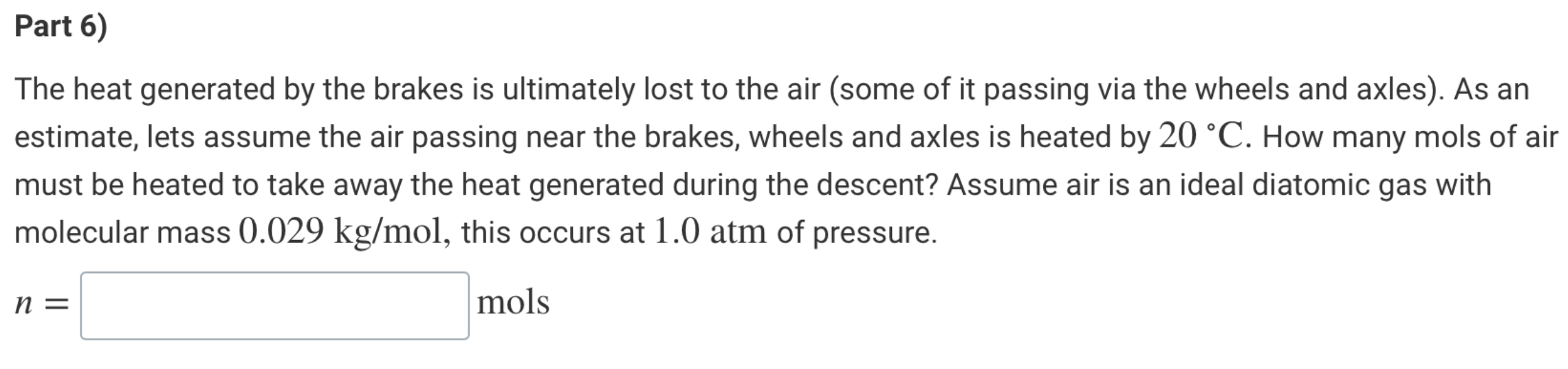
Question: Consider a reddish star with a temperature of 3270 K and a radius of 4. 19 x 105 km. The star is a perfect black body with an emissivity of exactly 1. Part 1) Assuming radiation is the only method by which this star loses heat, what is the rate of heat loss from the star? W Part 2) If the temperature of the star was doubled, but everything else remained constant, what would be the new power output of the star? W Part 3) In reality, the radius and temperature of a star are not independent. Assume all main sequence stars have the same 4 density. The mass and temperature of a star are related by % = constant. If you double the temperature of the star in part 1) and take the changing mass into account, what is the power output now? W em The sign below is often seen on steep descents (Figure 1). It requires the driver to use the engine to retard the descent. Let's see why. A truck with a mass of 35 tonnes is travelling at the top of a straight descent with constant slope (Figure 1). Over a distance travelled L = 4.0 km the altitude of the road decreases by h = 422 m. This is a fairly steep slope. The truck has 10 drum brakes, which we'll treat as identical, each with a mass of 25 kg made from steel. TRUCKS & BUSES MUST USE LOW GEAR Diagram not to scale Figure 1: Diagrammatic representation of a truck driving down a slope. The diagram shows a right-angled triangle. The vertical side is on the left with a height h and the truck is on the hypotenuse with a length L. The sign next to the diagram reads "Trucks and buses must use low gear". ' Part 1) What is the volume of each of the drum brakes at 0 "C? V: In3 Part 2) Suppose that the truck descends the slope at a constant speed of 28 km/h. Calculate the work done by gravity acting on the truck as it descends down this section of road. W: M] Part 3) If the truck is travelling at 28 km/h what is the rate at which gravity is doing work? P: kW Part 4) If all of the work done by gravity were converted into heat in the drum brakes only, and if their temperature were 20 C at the start of descent, what would be their temperature at the bottom? T= C Part 5) What is the change in volume of each of the drum brakes during their descent? Part 6) The heat generated by the brakes is ultimately lost to the air (some of it passing via the wheels and axles). As an estimate, lets assume the air passing near the brakes, wheels and axles is heated by 20 C. How many mols of air must be heated to take away the heat generated during the descent? Assume air is an ideal diatomic gas with molecular mass 0.029 kg/mol, this occurs at 1.0 atm of pressure. n = mols
Step by Step Solution
There are 3 Steps involved in it

Get step-by-step solutions from verified subject matter experts
 Study Help