







Question: How would you construct this letter under the format provided in the picture below? The client, Mr. Augustin Alcon, would like to know what is
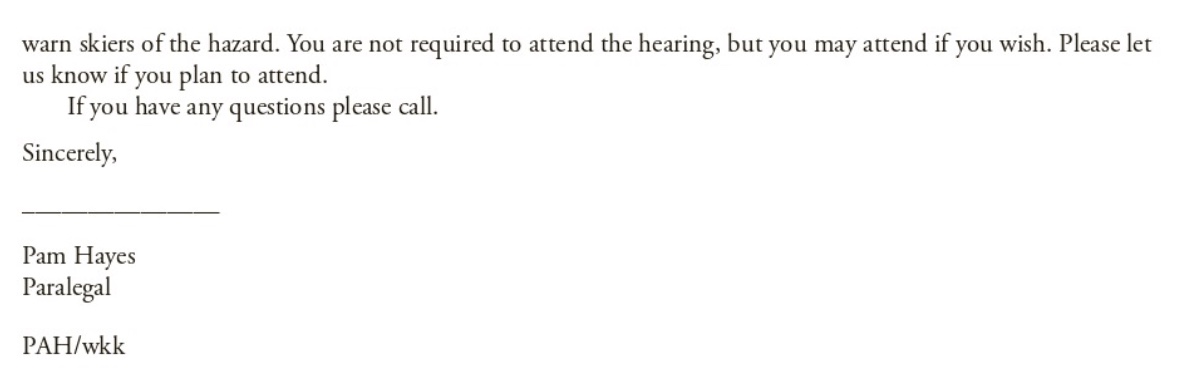
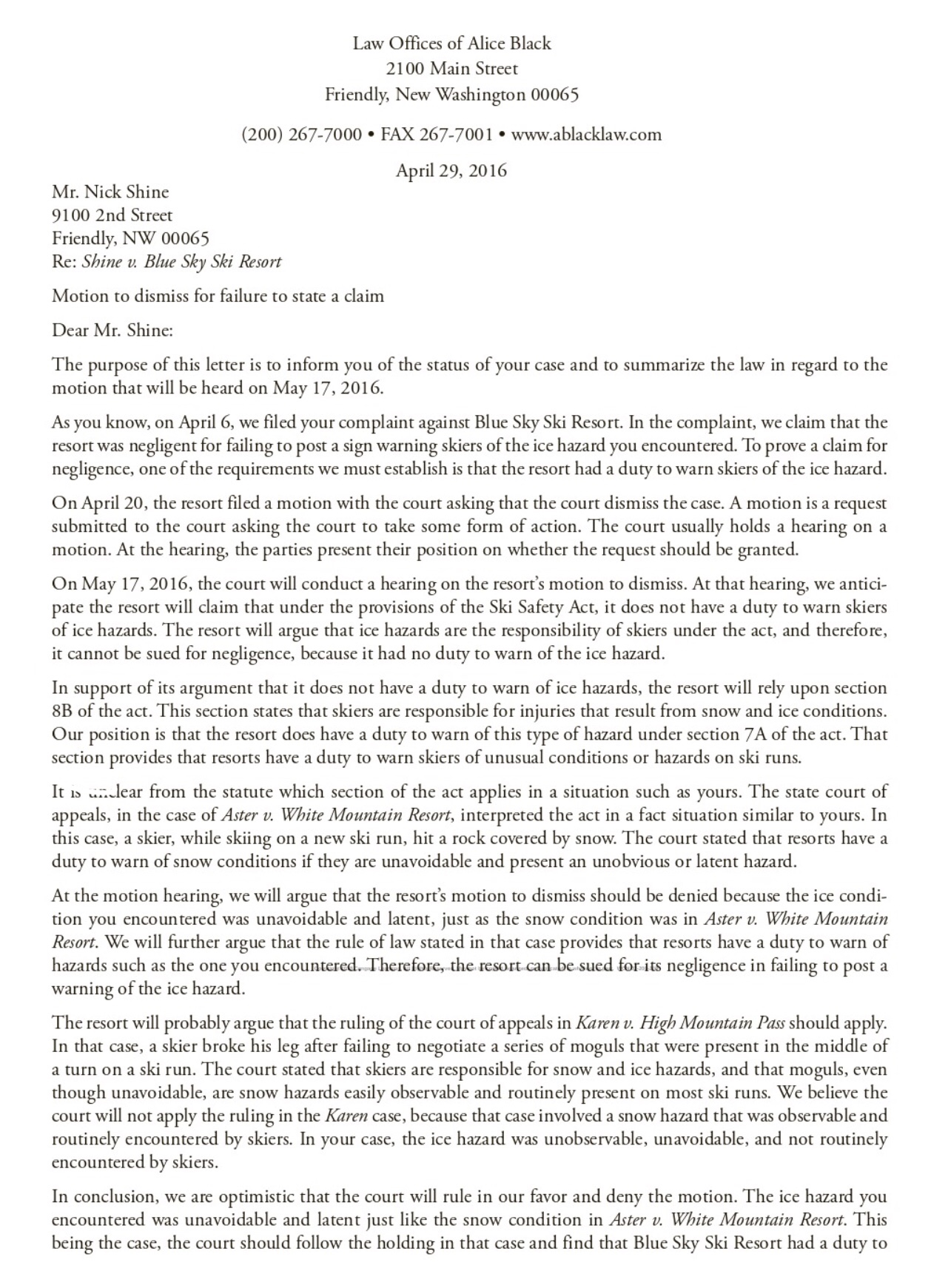
How would you construct this letter under the format provided in the picture below?
The client, Mr. Augustin Alcon, would like to know what is required for a valid will. Prepare an information letter to Mr. Alcon informing him of the requirements of the statute. Draft the letter for the signature of the supervisory attorney, Alice Black. Mr. Alcon's address is 230 North Second Street, Sunnydale, NW 00066.
Statute: New Washington Statutes Annotated 15-11-502, Wills:
(1) Except as provided in subsection (2) of this section . . . a will shall be:
(a) In writing;
(b) Signed by the testator, or in the testator's name by some other individual in the testator's
conscious presence and by the testator's direction; and
(c) Signed by at least two individuals either prior to or after the testator's death, each of
whom signed within a reasonable time after he or she witnessed, in the conscious presence of the testator, either the signing of the will as described in paragraph (b) of this subsection (1) or the testator's acknowledgement of that signature or acknowledgment of the will.
(2) A will that does not comply with subsection (1) of this section is valid as a holographic will, whether or not witnessed, if the signature and material portions of the document are in the testator's handwriting.
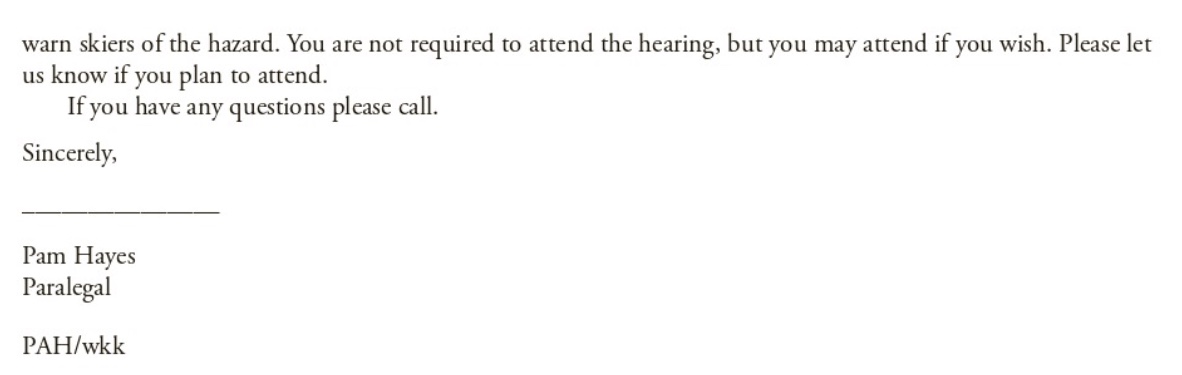
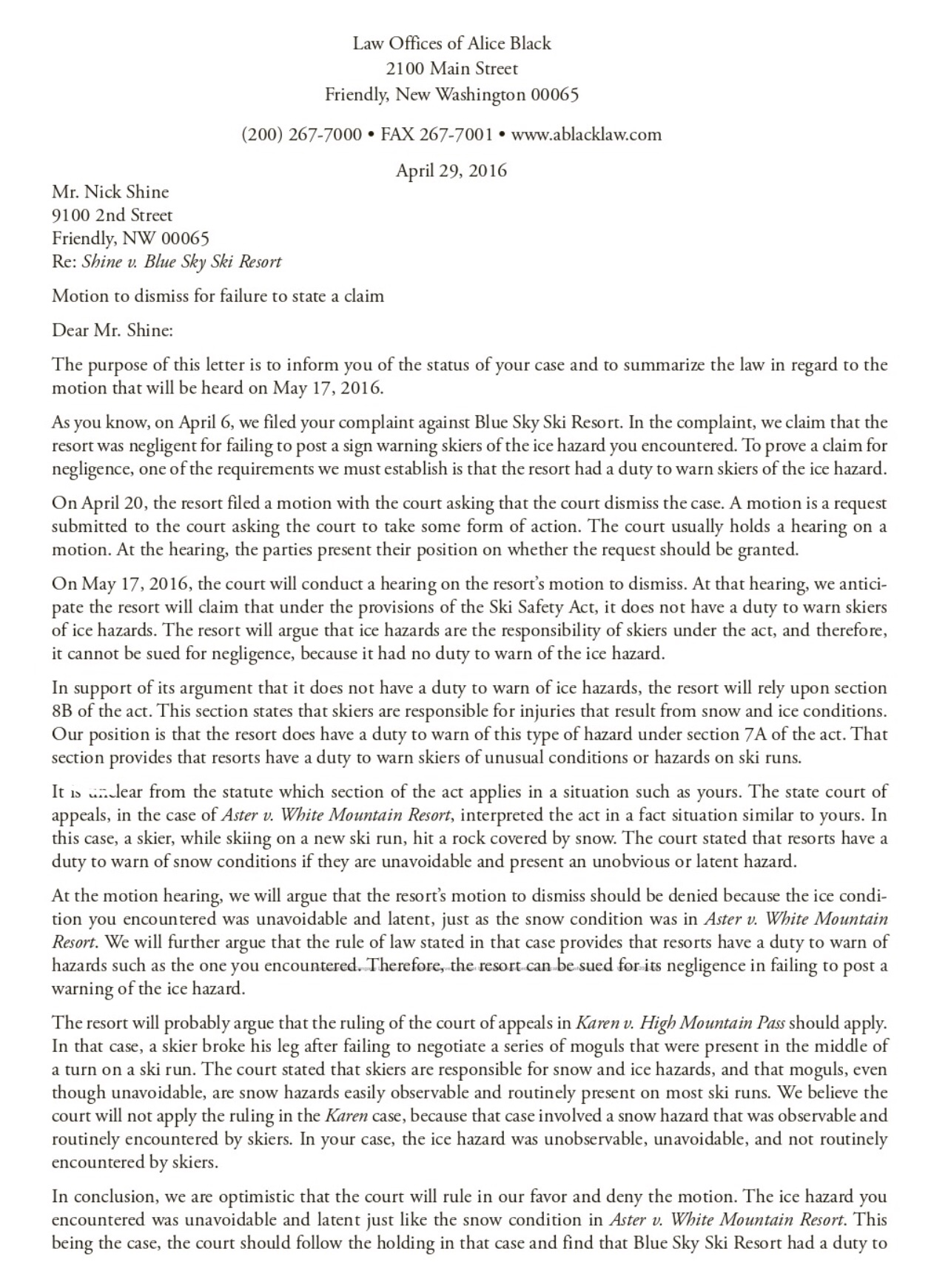
warn skiers of the hazard. You are not required to attend the hearing, but you may attend if you wish. Please let us know if you plan to attend. If you have any questions please call. Sincerely, Pam Hayes Paralegal PAlekk Law Offices of Alice Black 2100 Main Street Friendly, New Washington 00065 (200) 267-7000 - FAX 267-700] 0 wwwablacklawcom April 29. 2016 Mr. Nick Shine 9100 2nd Street Friendly, NW 00065 Re: Shine 1). Blue Sky Ski Resort Motion to dismiss for failure to state a claim Dear Mr. Shine: The purpose of this letter is to inform you of the status of your case and to summarize the law in regard to the motion that will be heard on May 17, 2016. As you know, on April 6, we led your complaint against Blue Sky Ski Resort. In the complaint, we claim that the resort was negligent for failing to post a sign warning skiers of the ice hazard you encountered. To prove a claim for negligence, one of the requirements we must establish is that the resort had a duty to warn skiers of the ice hazard. On April 20, the resort filed a motion with the court asking that the court dismiss the case. A motion is a request submitted to the court asking the court to take some form of action. The court usually holds a hearing on a motion. At the hearing, the parties present their position on whether the request should be granted. On May 17, 2016, the court will conduct a hearing on the resort's motion to dismiss. At that hearing, we antici- pate the resort will claim that under the provisions of the Ski Safety Act, it does not have a duty to warn skiers of ice hazards. The resort will argue that ice hazards are the responsibility of skiers under the act, and therefore, it cannot be sued for negligence, because it had no duty to warn of the ice hazard. In support of its argument that it does not have a duty to warn of ice hazards. the resort will rely upon section SE of the act. This section states that skiers are responsible for injuries that result from snow and ice conditions. Our position is that the resort does have a duty to warn of this type of hazard under section 7A of the act. That section provides that resorts have a duty to warn skiers of unusual conditions or hazards on ski runs. It is .tzJear from the statute which section of the act applies in a situation such as yours. The state court of appeals, in the case ofAsrer o. White Mountain Resort, interpreted the act in a fact situation similar to yours. In this case, a skier, while skiing on a new ski run, hit a rock covered by snow. The court stated that resorts have a duty to warn of snow conditions if they are unavoidable and present an unobvious or latent hazard. At the motion hearing, we will argue that the resort's motion to dismiss should be denied because the ice condi- tion you encountered was unavoidable and latent, just as the snow condition was in Aster o. Wire Mountain Resort. We will further argue that the rule of law stated in that case provides that resorts have a duty to warn of hazards such as the one you encounteredlheremme. membesued forum negligence in failing to post a warning of the ice hazard. The resort will probably argue that the ruling of the court of appeals in 16mm :9. High Mountain Pass should apply. In that case, a skier broke his leg after failing to negotiate a series of moguls that were present in the middle of a turn on a ski run. The court stated that skiers are responsible for snow and ice hazards, and that moguls, even though unavoidable, are snow hazards easily observable and routinely present on most ski runs. We believe the court will not apply the ruling in the Karen case, because that case involved a snow hazard that was observable and routinely encountered by skiers. In your case, the ice hazard was unobservable, unavoidable, and not routineiy encountered by skiers. In conciusion, we are optimistic that the court will rule in our favor and deny the motion. The ice hazard you encountered was unavoidable and latent just like the snow condition in Aster 1). White Mountain Resort. This being the case, the court should follow the holding in that case and find that Blue Sky Ski Resort had a duty to
Step by Step Solution
There are 3 Steps involved in it

Get step-by-step solutions from verified subject matter experts
 Study Help