Question: Humber Credit Union uses a 3-nearest neighbours algorithm when determining whether to reject or approve mortgage applications. The training set used is based on the
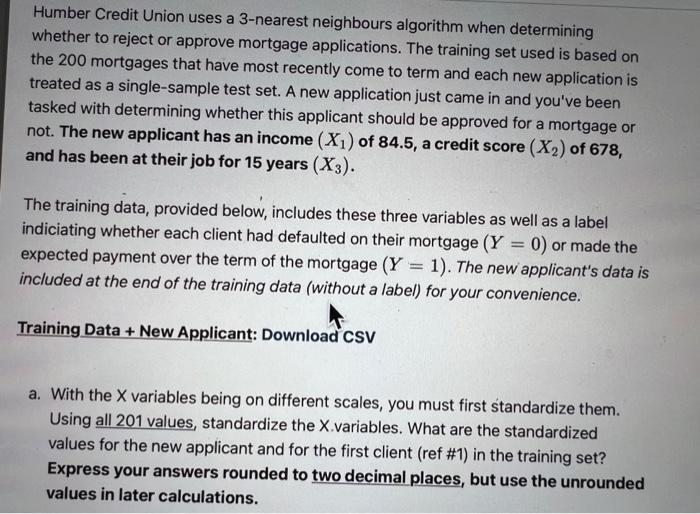
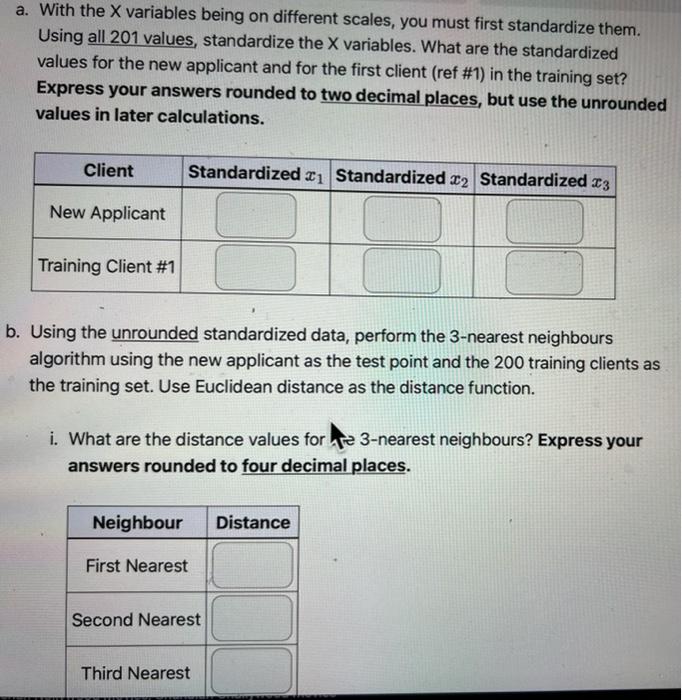
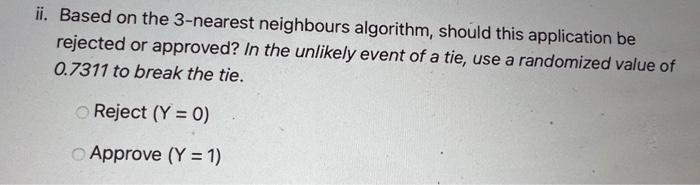
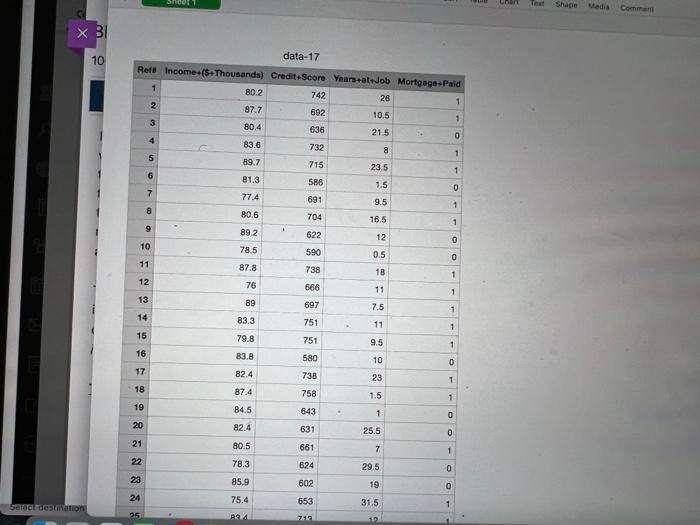
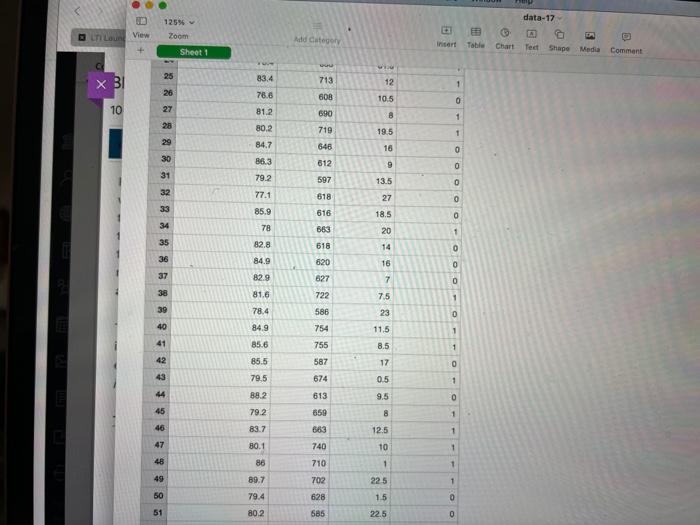
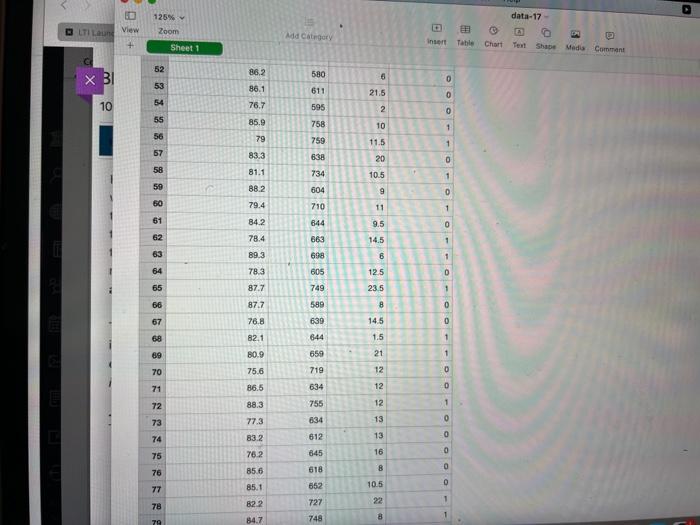
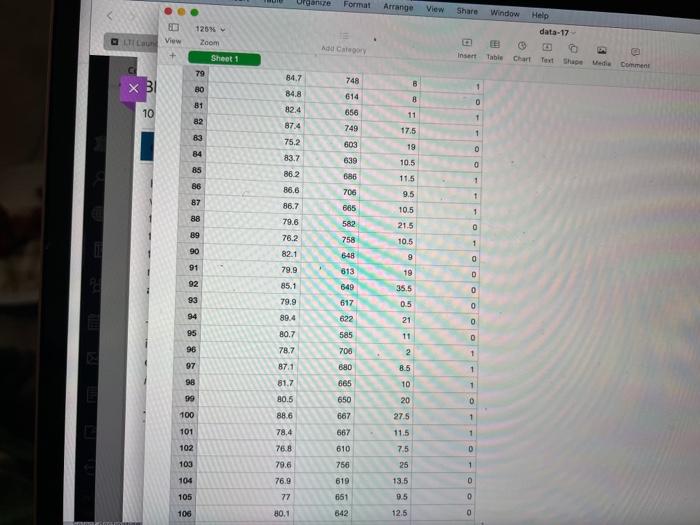
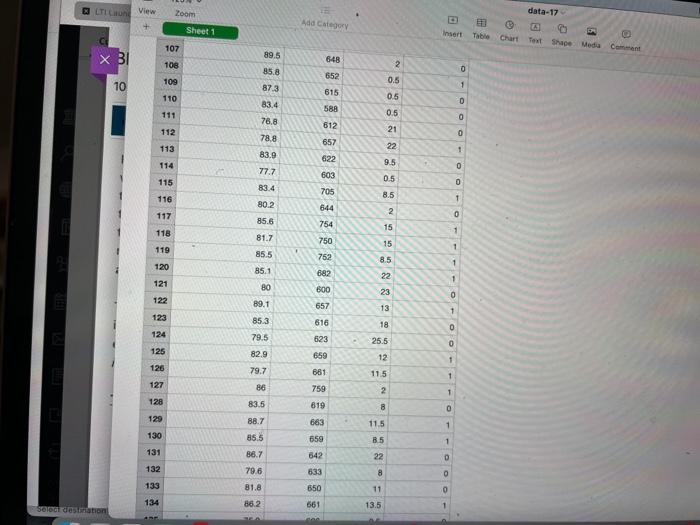
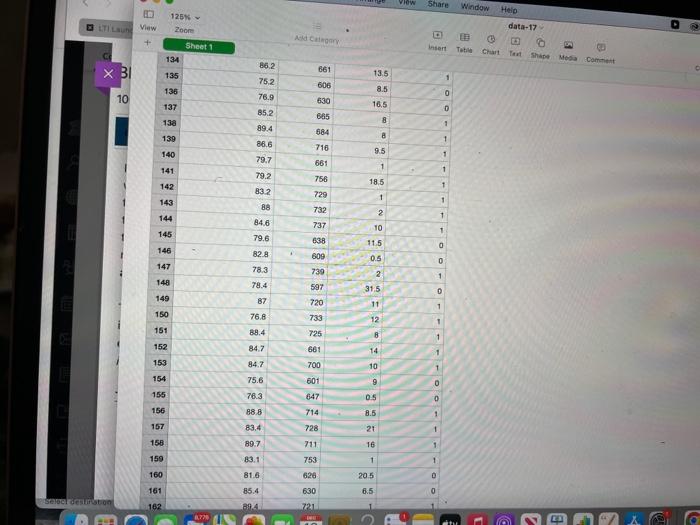
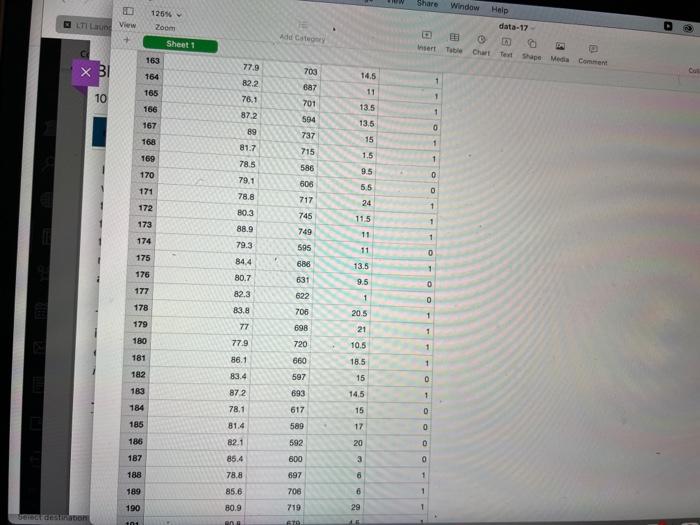
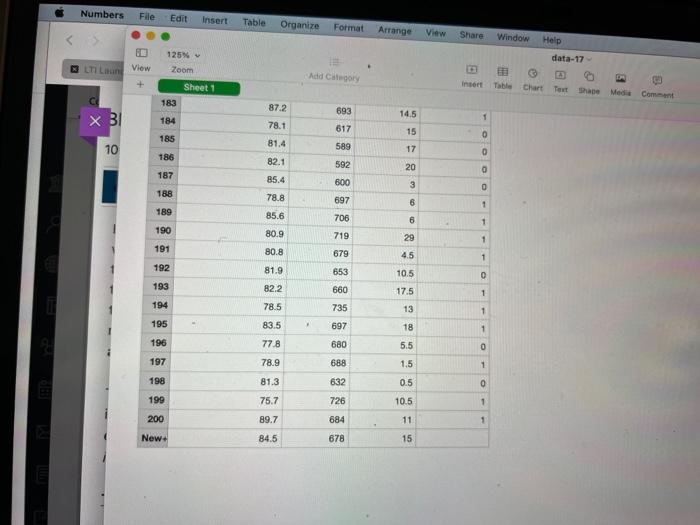
Humber Credit Union uses a 3-nearest neighbours algorithm when determining whether to reject or approve mortgage applications. The training set used is based on the 200 mortgages that have most recently come to term and each new application is treated as a single-sample test set. A new application just came in and you've been tasked with determining whether this applicant should be approved for a mortgage or not. The new applicant has an income (X1) of 84.5, a credit score (X2) of 678 , and has been at their job for 15 years (X3). The training data, provided below, includes these three variables as well as a label indiciating whether each client had defaulted on their mortgage (Y=0) or made the expected payment over the term of the mortgage (Y=1). The new applicant's data is included at the end of the training data (without a label) for your convenience. Training Data + New Applicant: Download CSV a. With the X variables being on different scales, you must first standardize them. Using all 201 values, standardize the X.variables. What are the standardized values for the new applicant and for the first client (ref \#1) in the training set? Express your answers rounded to two decimal places, but use the unrounded values in later calculations. a. With the X variables being on different scales, you must first standardize them. Using all 201 values, standardize the X variables. What are the standardized values for the new applicant and for the first client (ref \#1) in the training set? Express your answers rounded to two decimal places, but use the unrounded values in later calculations. Using the unrounded standardized data, perform the 3-nearest neighbours algorithm using the new applicant as the test point and the 200 training clients as the training set. Use Euclidean distance as the distance function. i. What are the distance values for - 3-nearest neighbours? Express your answers rounded to four decimal places. ii. Based on the 3-nearest neighbours algorithm, should this application be rejected or approved? In the unlikely event of a tie, use a randomized value of 0.7311 to break the tie. Reject(Y=0) Approve (Y=1) data-17 I CH + Sheet 1 D 125N= E tTilaun Vlaw Zoore x.3. 10 135 136 137 13 a 139 140 141 142 143 144 145 146 147 148 149 150 151 152 153 154 155 156 157 158 159 160 161 162 13.58.516.5889.5118.5 Cominatt Humber Credit Union uses a 3-nearest neighbours algorithm when determining whether to reject or approve mortgage applications. The training set used is based on the 200 mortgages that have most recently come to term and each new application is treated as a single-sample test set. A new application just came in and you've been tasked with determining whether this applicant should be approved for a mortgage or not. The new applicant has an income (X1) of 84.5, a credit score (X2) of 678 , and has been at their job for 15 years (X3). The training data, provided below, includes these three variables as well as a label indiciating whether each client had defaulted on their mortgage (Y=0) or made the expected payment over the term of the mortgage (Y=1). The new applicant's data is included at the end of the training data (without a label) for your convenience. Training Data + New Applicant: Download CSV a. With the X variables being on different scales, you must first standardize them. Using all 201 values, standardize the X.variables. What are the standardized values for the new applicant and for the first client (ref \#1) in the training set? Express your answers rounded to two decimal places, but use the unrounded values in later calculations. a. With the X variables being on different scales, you must first standardize them. Using all 201 values, standardize the X variables. What are the standardized values for the new applicant and for the first client (ref \#1) in the training set? Express your answers rounded to two decimal places, but use the unrounded values in later calculations. Using the unrounded standardized data, perform the 3-nearest neighbours algorithm using the new applicant as the test point and the 200 training clients as the training set. Use Euclidean distance as the distance function. i. What are the distance values for - 3-nearest neighbours? Express your answers rounded to four decimal places. ii. Based on the 3-nearest neighbours algorithm, should this application be rejected or approved? In the unlikely event of a tie, use a randomized value of 0.7311 to break the tie. Reject(Y=0) Approve (Y=1) data-17 I CH + Sheet 1 D 125N= E tTilaun Vlaw Zoore x.3. 10 135 136 137 13 a 139 140 141 142 143 144 145 146 147 148 149 150 151 152 153 154 155 156 157 158 159 160 161 162 13.58.516.5889.5118.5 Cominatt









 Study Help