







Question: I need help creating an example fact sheet using the background material and topic selection and then example layout and wording for a powerpoint on
I need help creating an example fact sheet using the background material and topic selection and then example layout and wording for a powerpoint on the factsheet.
Background Material/Topic:
Assignment Details:
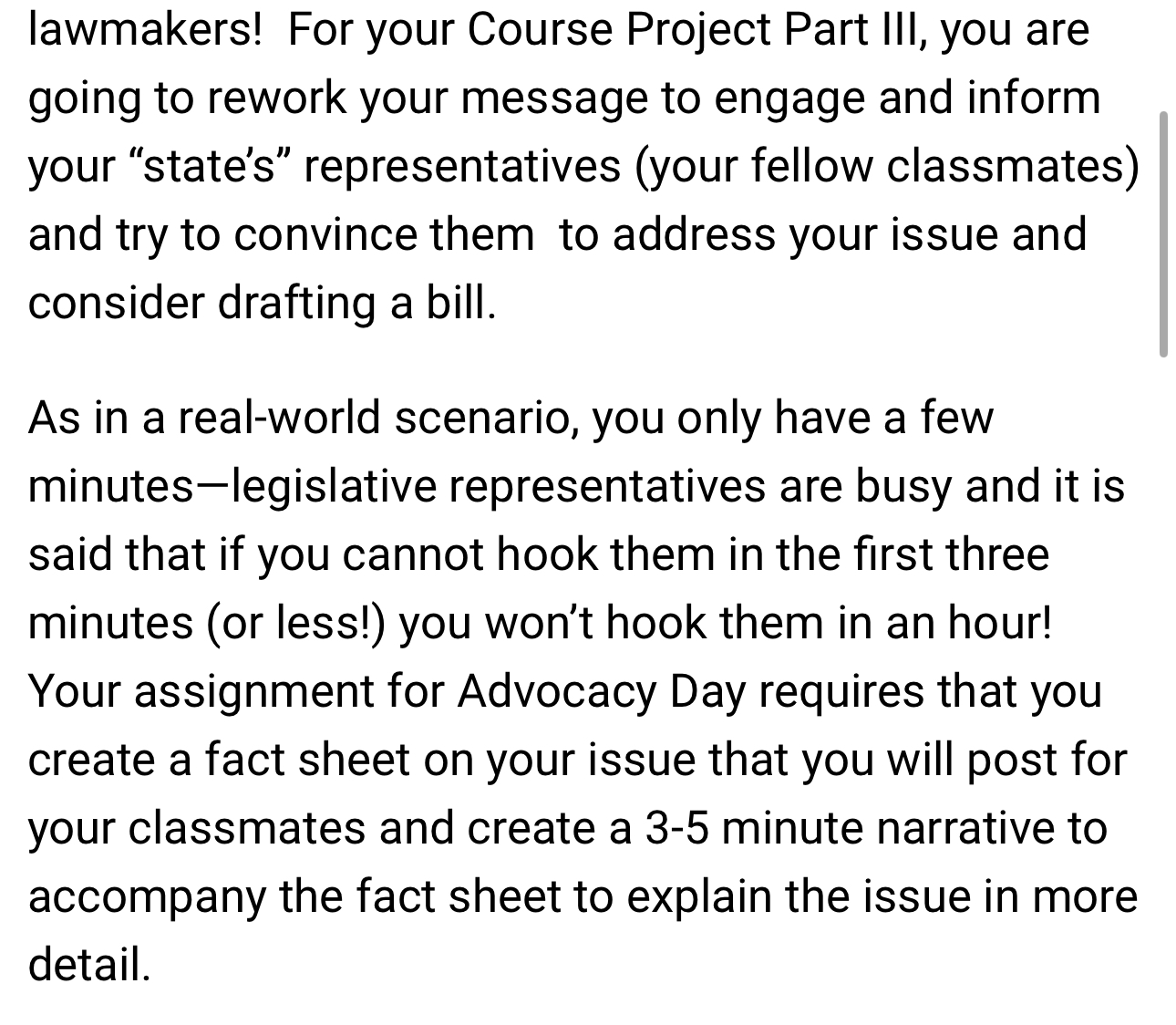
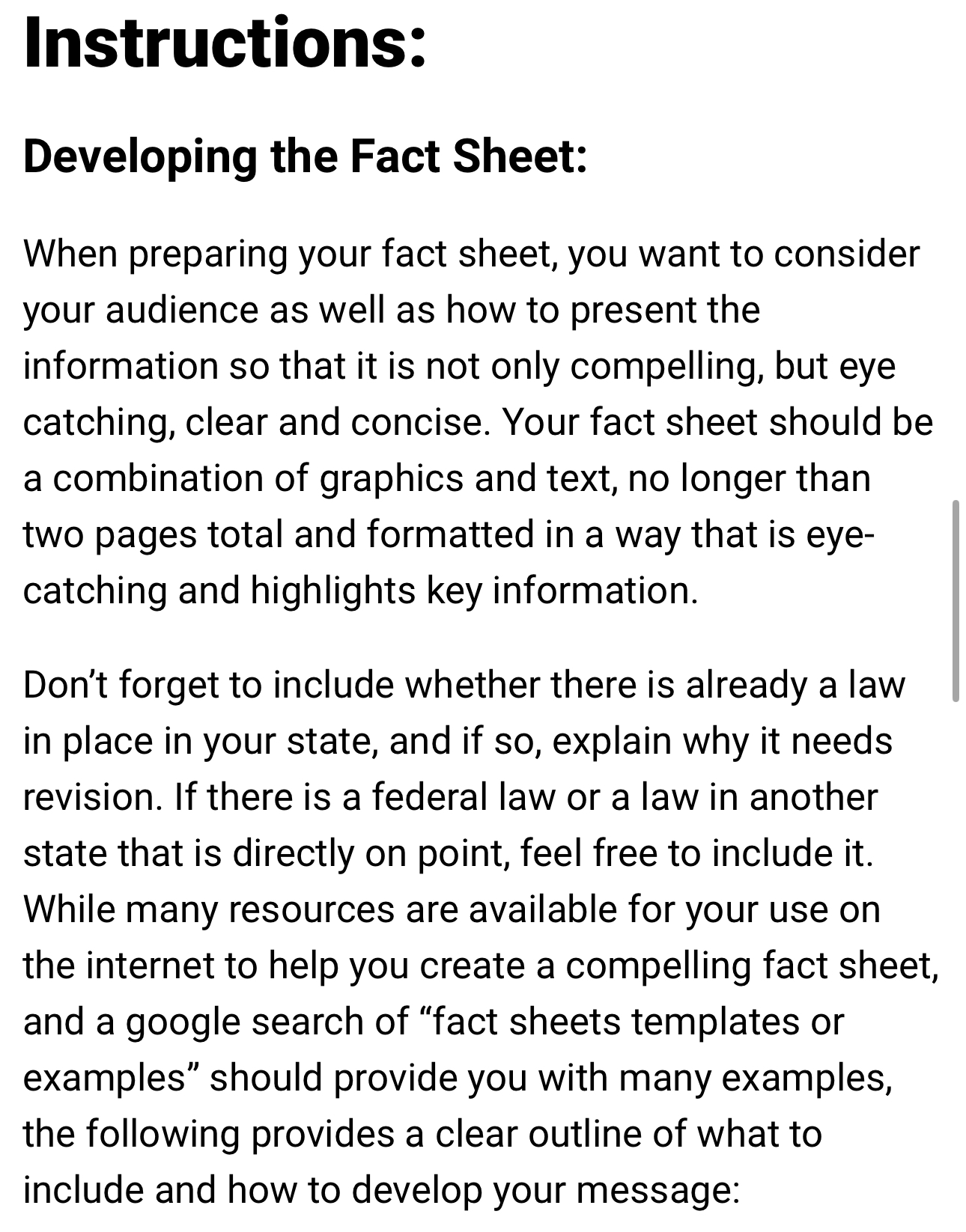
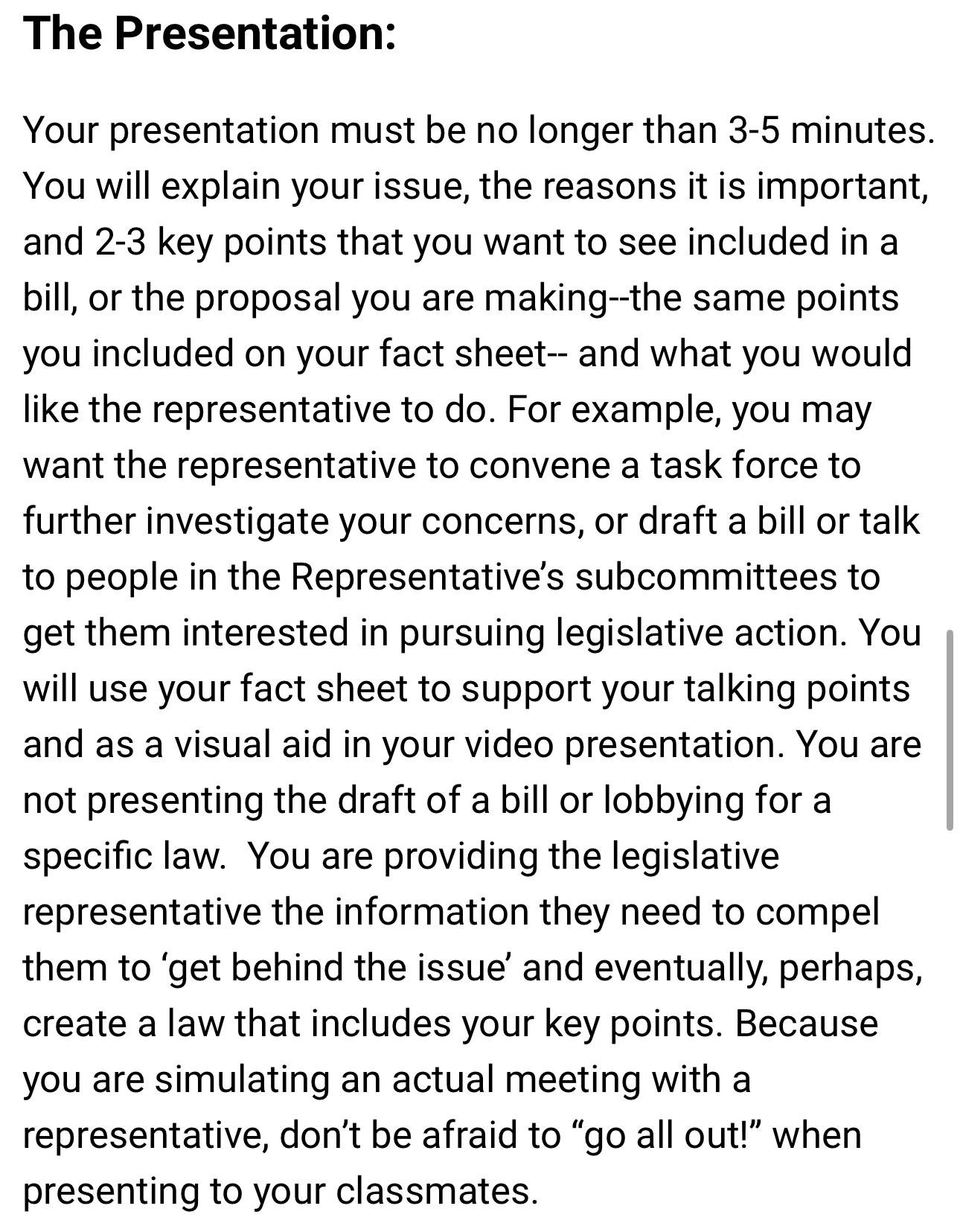
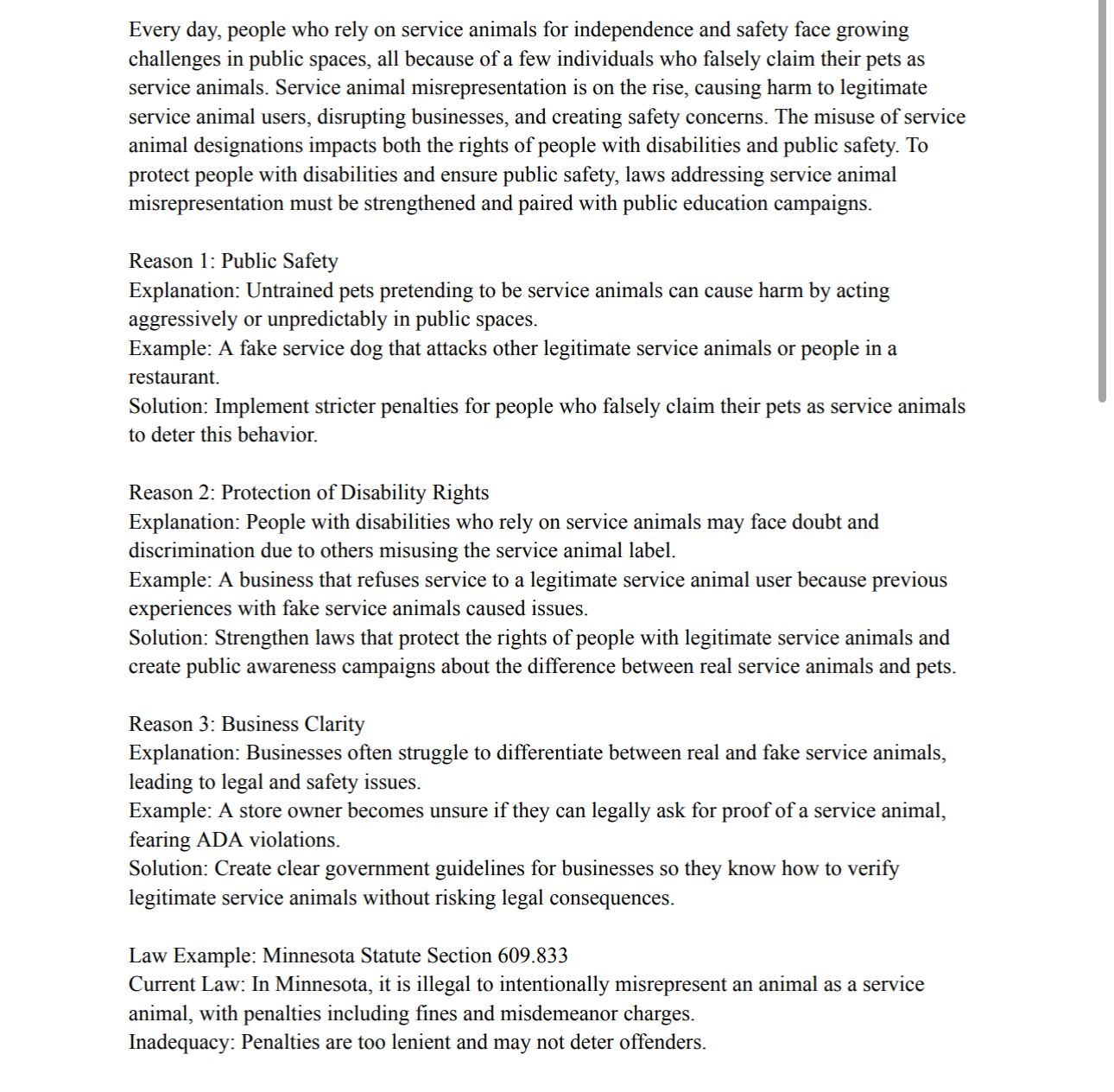
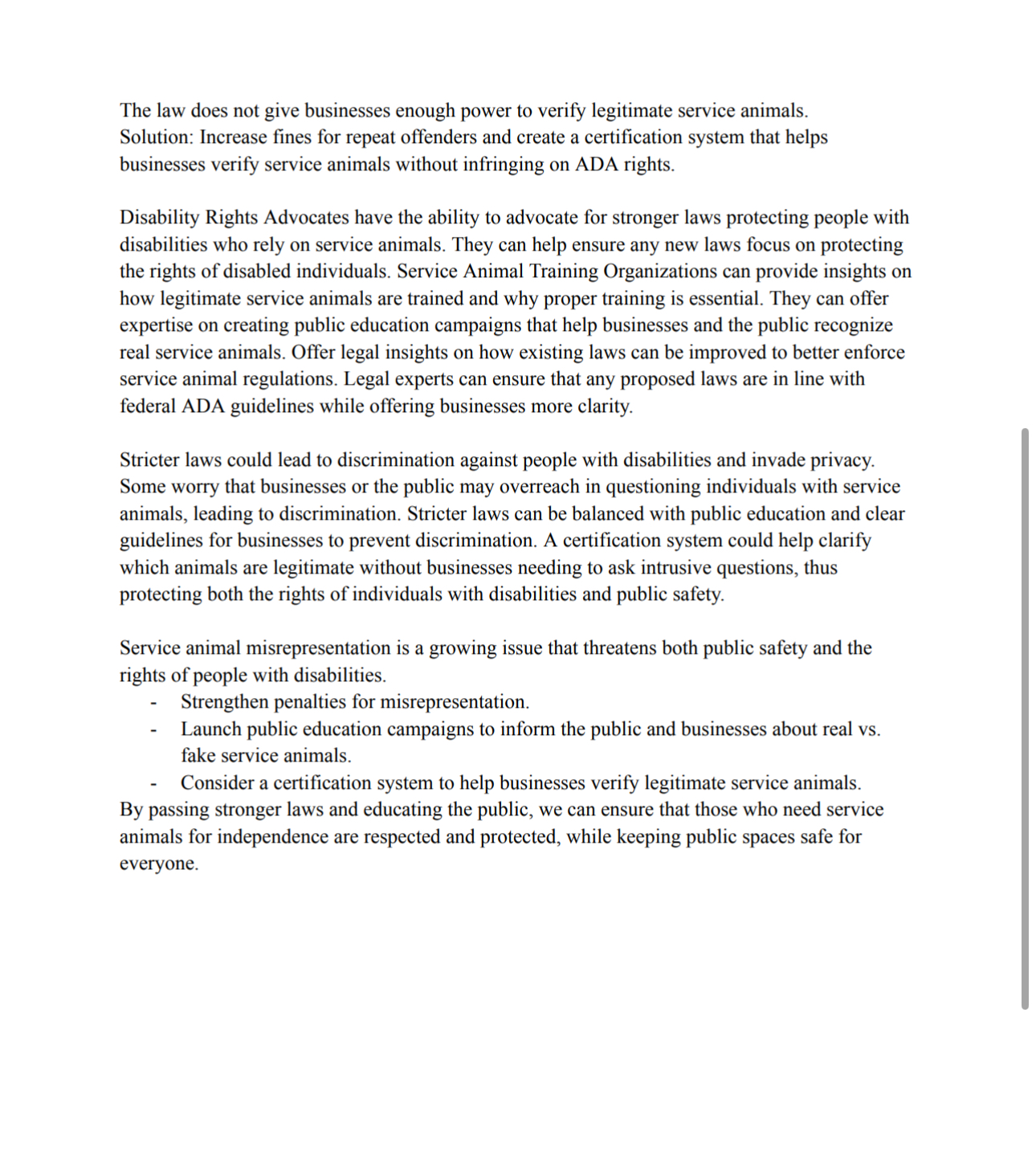
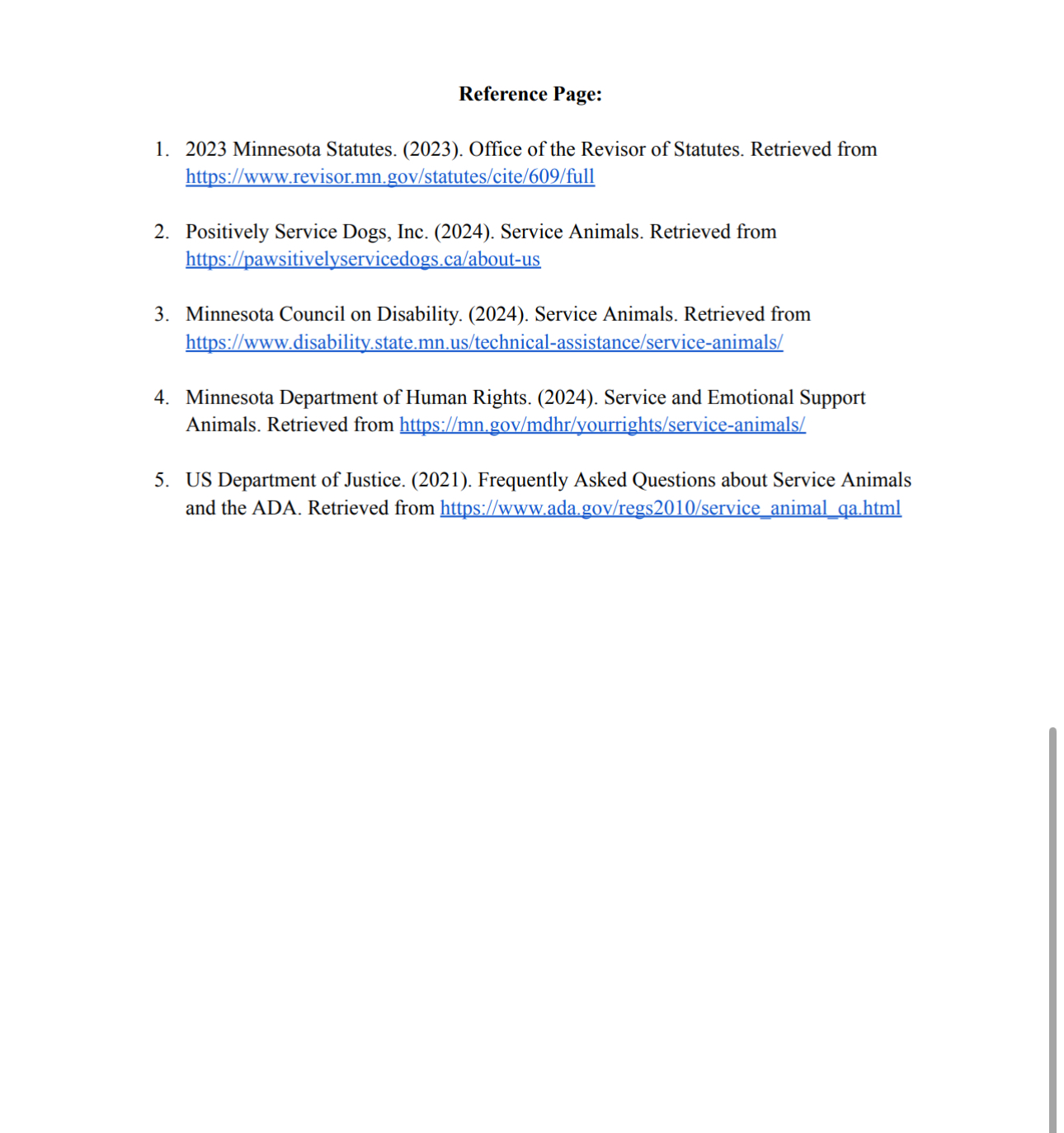
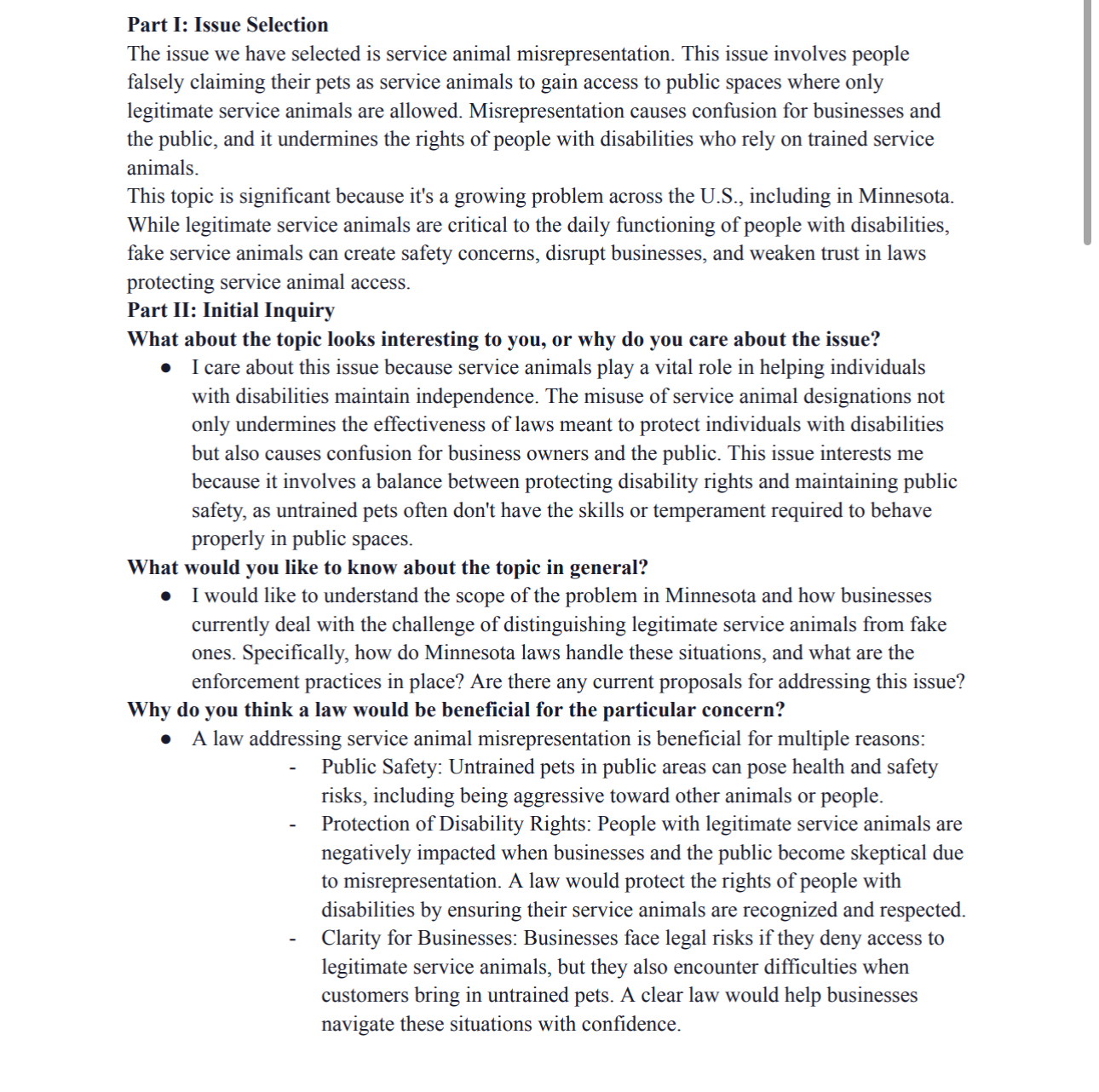
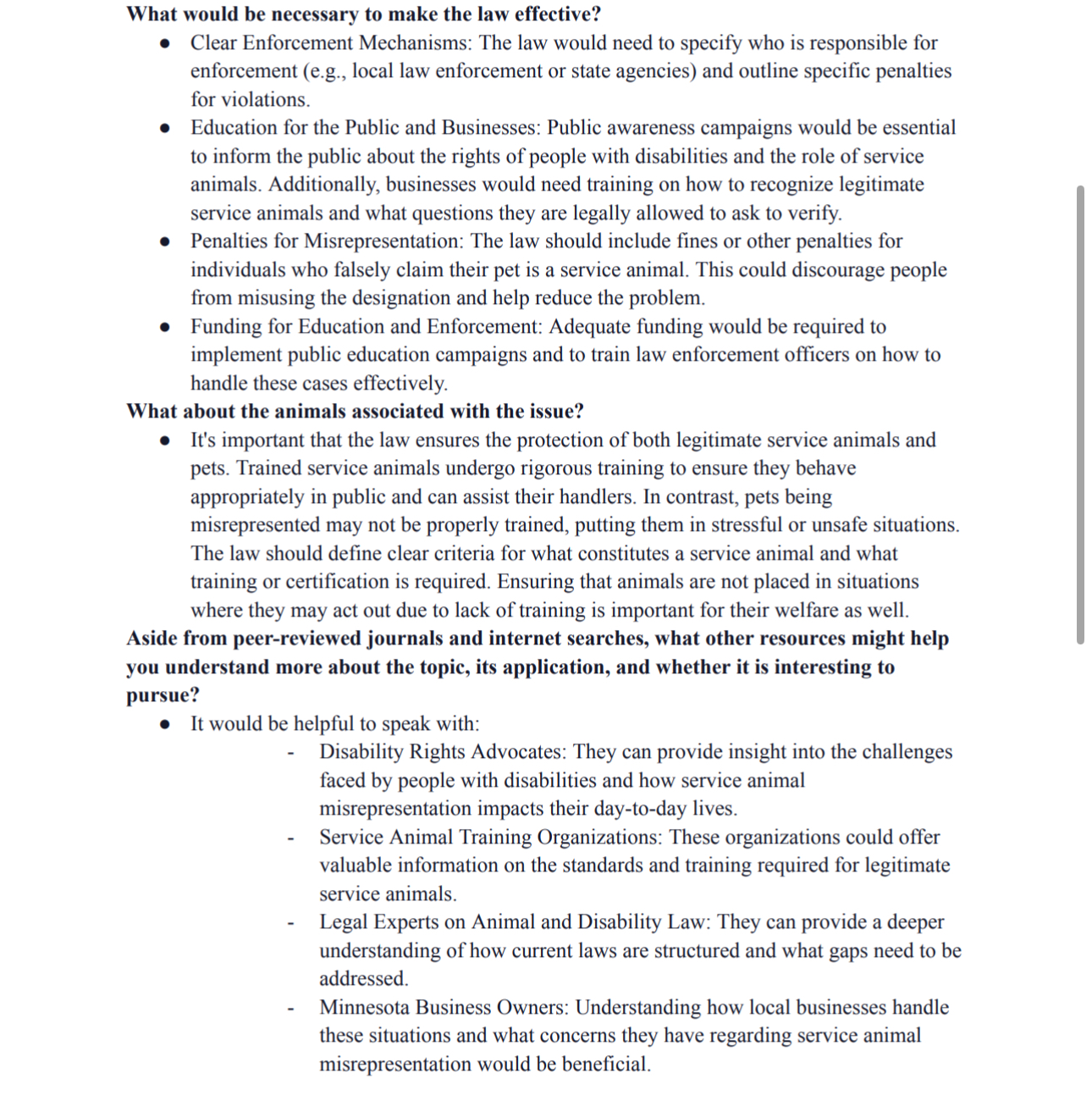
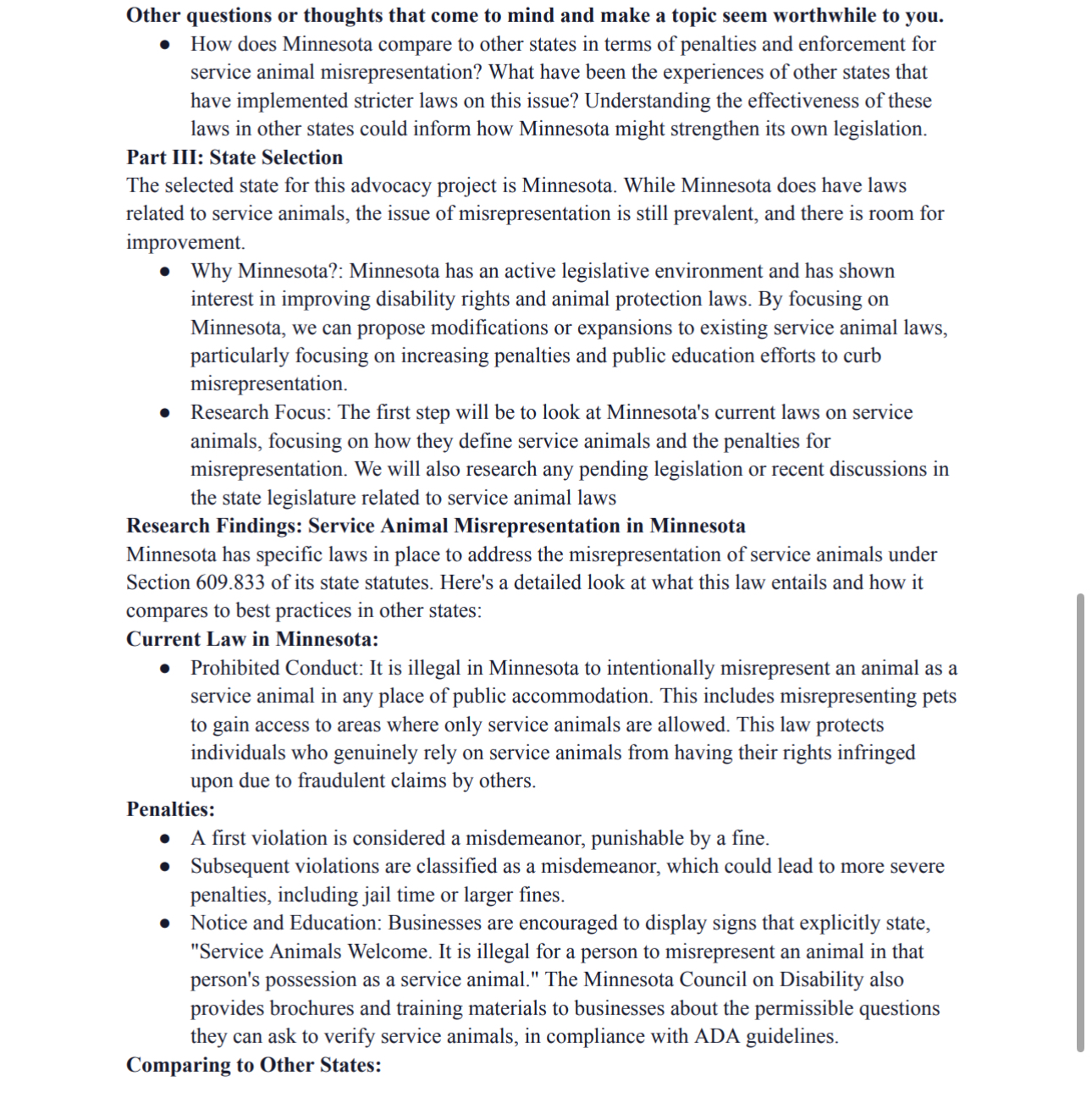
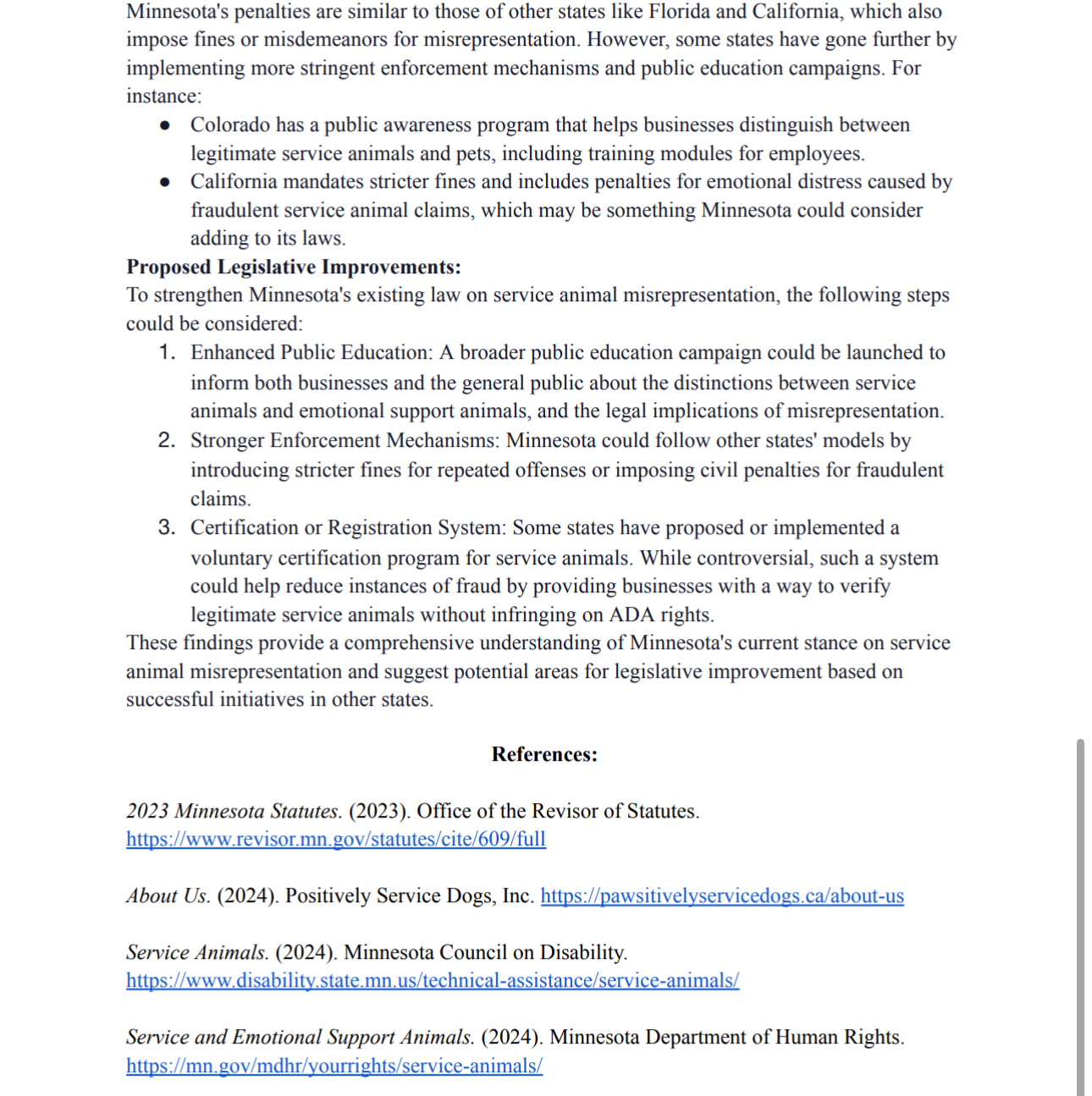 lawmakers! For your Course Project Part lll, you are going to rework your message to engage and inform your \"state's\" representatives (your fellow classmates) and try to convince them to address your issue and consider drafting a bill. As in a real-world scenario, you only have a few minuteslegislative representatives are busy and it is said that if you cannot hook them in the first three minutes (or less!) you won't hook them in an hour! Your assignment for Advocacy Day requires that you create a fact sheet on your issue that you will post for your classmates and create a 3-5 minute narrative to accompany the fact sheet to explain the issue in more detail. Instructions: Developing the Fact Sheet: When preparing your fact sheet, you want to consider your audience as well as how to present the information so that it is not only compelling, but eye catching, clear and concise. Your fact sheet should be a combination of graphics and text, no longer than two pages total and formatted in a way that is eye- catching and highlights key information. Don't forget to include whether there is already a law in place in your state, and if so, explain why it needs revision. If there is a federal law or a law in another state that is directly on point, feel free to include it. While many resources are available for your use on the internet to help you create a compelling fact sheet, and a google search of \"fact sheets templates or examples\" should provide you with many examples, the following provides a clear outline of what to include and how to develop your message: The Presentation: Your presentation must be no longer than 3-5 minutes. You will explain your issue, the reasons it is important, and 2-3 key points that you want to see included in a bill, or the proposal you are making--the same points you included on your fact sheet-- and what you would like the representative to do. For example, you may want the representative to convene a task force to further investigate your concerns, or draft a bill or talk to people in the Representative''s subcommittees to get them interested in pursuing legislative action. You will use your fact sheet to support your talking points and as a visual aid in your video presentation. You are not presenting the draft of a bill or lobbying for a specific law. You are providing the legislative representative the information they need to compel them to 'get behind the issue' and eventually, perhaps, create a law that includes your key points. Because you are simulating an actual meeting with a representative, don't be afraid to \"go all out!\" when presenting to your classmates. Every day, people who rely on service animals for independence and safety face growing challenges in public spaces, all because of a few individuals who falsely claim their pets as service animals. Service animal misrepresentation is on the rise, causing harm to legitimate service animal users, disrupting businesses, and creating safety concerns. The misuse of service animal designations impacts both the rights of people with disabilities and public safety. To protect people with disabilities and ensure public safety, laws addressing service animal misrepresentation must be strengthened and paired with public education campaigns. Reason 1: Public Safety Explanation: Untrained pets pretending to be service animals can cause harm by acting aggressively or unpredictably in public spaces. Example: A fake service dog that attacks other legitimate service animals or people in a restaurant. Solution: Implement stricter penalties for people who falsely claim their pets as service animals to deter this behavior. Reason 2: Protection of Disability Rights Explanation: People with disabilities who rely on service animals may face doubt and discrimination due to others misusing the service animal label. Example: A business that refuses service to a legitimate service animal user because previous experiences with fake service animals caused issues. Solution: Strengthen laws that protect the rights of people with legitimate service animals and create public awareness campaigns about the difference between real service animals and pets. Reason 3: Business Clarity Explanation: Businesses often struggle to differentiate between real and fake service animals, leading to legal and safety issues. Example: A store owner becomes unsure if they can legally ask for proof of a service animal, fearing ADA violations. Solution: Create clear government guidelines for businesses so they know how to verify legitimate service animals without risking legal consequences. Law Example: Minnesota Statute Section 609.833 Current Law: In Minnesota, it is illegal to intentionally misrepresent an animal as a service animal, with penalties including fines and misdemeanor charges. Inadequacy: Penalties are too lenient and may not deter offenders. The law does not give businesses enough power to verify legitimate service animals. Solution: Increase fines for repeat offenders and create a certification system that helps businesses verify service animals without infringing on ADA rights. Disability Rights Advocates have the ability to advocate for stronger laws protecting people with disabilities who rely on service animals. They can help ensure any new laws focus on protecting the rights of disabled individuals. Service Animal Training Organizations can provide insights on how legitimate service animals are trained and why proper training is essential. They can offer expertise on creating public education campaigns that help businesses and the public recognize real service animals. Offer legal insights on how existing laws can be improved to better enforce service animal regulations. Legal experts can ensure that any proposed laws are in line with federal ADA guidelines while offering businesses more clarity. Stricter laws could lead to discrimination against people with disabilities and invade privacy. Some worry that businesses or the public may overreach in questioning individuals with service animals, leading to discrimination. Stricter laws can be balanced with public education and clear guidelines for businesses to prevent discrimination. A certification system could help clarify which animals are legitimate without businesses needing to ask intrusive questions, thus protecting both the rights of individuals with disabilities and public safety. Service animal misrepresentation is a growing issue that threatens both public safety and the rights of people with disabilities. - Strengthen penalties for misrepresentation. - Launch public education campaigns to inform the public and businesses about real vs. fake service animals. - Consider a certification system to help businesses verify legitimate service animals. By passing stronger laws and educating the public, we can ensure that those who need service animals for independence are respected and protected, while keeping public spaces safe for everyone. Reference Page: 1. 2023 Minnesota Statutes. (2023). Office of the Revisor of Statutes. Retrieved from https://www.revisor.mn.gov/statutes/cite/609/full 2. Positively Service Dogs, Inc. (2024). Service Animals. Retrieved from https:/pawsitivelyservicedogs.ca/about-us 3. Minnesota Council on Disability. (2024). Service Animals. Retrieved from https://www.disability.state.mn.us/technical-assistance/service-animals/ 4. Minnesota Department of Human Rights. (2024). Service and Emotional Support Animals. Retrieved from https://mn.gov/mdhr/yourrights/service-animals/ 5. US Department of Justice. (2021). Frequently Asked Questions about Service Animals and the ADA. Retrieved from https://www.ada.gov/regs2010/service_animal_qa.htmlPart I: Issue Selection The issue we have selected is service animal misrepresentation. This issue involves people falsely claiming their pets as service animals to gain access to public spaces where only legitimate service animals are allowed. Misrepresentation causes confusion for businesses and the public, and it undermines the rights of people with disabilities who rely on trained service animals. This topic is significant because it's a growing problem across the U.S., including in Minnesota. While legitimate service animals are critical to the daily functioning of people with disabilities, fake service animals can create safety concerns, disrupt businesses, and weaken trust in laws protecting service animal access. Part II: Initial Inquiry What about the topic looks interesting to you, or why do you care about the issue? e [ care about this issue because service animals play a vital role in helping individuals with disabilities maintain independence. The misuse of service animal designations not only undermines the effectiveness of laws meant to protect individuals with disabilities but also causes confusion for business owners and the public. This issue interests me because it involves a balance between protecting disability rights and maintaining public safety, as untrained pets often don't have the skills or temperament required to behave properly 1n public spaces. What would you like to know about the topic in general? e [ would like to understand the scope of the problem in Minnesota and how businesses currently deal with the challenge of distinguishing legitimate service animals from fake ones. Specifically, how do Minnesota laws handle these situations, and what are the enforcement practices in place? Are there any current proposals for addressing this issue? Why do you think a law would be beneficial for the particular concern? e A law addressing service animal misrepresentation is beneficial for multiple reasons: - Public Safety: Untrained pets in public areas can pose health and safety risks, including being aggressive toward other animals or people. - Protection of Disability Rights: People with legitimate service animals are negatively impacted when businesses and the public become skeptical due to misrepresentation. A law would protect the rights of people with disabilities by ensuring their service animals are recognized and respected. - Clarty for Businesses: Businesses face legal nisks 1f they deny access to legitimate service animals, but they also encounter difficulties when customers bring in untrained pets. A clear law would help businesses navigate these situations with confidence. What would be necessary to make the law effective? Clear Enforcement Mechanisms: The law would need to specify who is responsible for enforcement (e.g., local law enforcement or state agencies) and outline specific penalties for violations. Education for the Public and Businesses: Public awareness campaigns would be essential to inform the public about the rights of people with disabilities and the role of service animals. Additionally, businesses would need training on how to recognize legitimate service animals and what questions they are legally allowed to ask to verify. Penalties for Misrepresentation: The law should include fines or other penalties for individuals who falsely claim their pet is a service animal. This could discourage people from misusing the designation and help reduce the problem. Funding for Education and Enforcement: Adequate funding would be required to implement public education campaigns and to train law enforcement officers on how to handle these cases effectively. What about the animals associated with the issue? It's important that the law ensures the protection of both legitimate service animals and pets. Trained service animals undergo rigorous training to ensure they behave appropriately in public and can assist their handlers. In contrast, pets being misrepresented may not be properly trained, putting them in stressful or unsafe situations. The law should define clear criteria for what constitutes a service animal and what training or certification is required. Ensuring that animals are not placed in situations where they may act out due to lack of training is important for their welfare as well. Aside from peer-reviewed journals and internet searches, what other resources might help you understand more about the topic, its application, and whether it is interesting to pursue? It would be helpful to speak with: - Disability Rights Advocates: They can provide insight into the challenges faced by people with disabilities and how service animal misrepresentation impacts their day-to-day lives. - Service Animal Training Organizations: These organizations could offer valuable information on the standards and training required for legitimate service animals. - Legal Experts on Animal and Disability Law: They can provide a deeper understanding of how current laws are structured and what gaps need to be addressed. - Minnesota Business Owners: Understanding how local businesses handle these situations and what concerns they have regarding service animal misrepresentation would be beneficial. Other questions or thoughts that come to mind and make a topic seem worthwhile to you. e How does Minnesota compare to other states in terms of penalties and enforcement for service animal misrepresentation? What have been the experiences of other states that have implemented stricter laws on this issue? Understanding the effectiveness of these laws in other states could inform how Minnesota might strengthen its own legislation. Part I11: State Selection The selected state for this advocacy project is Minnesota. While Minnesota does have laws related to service animals, the issue of misrepresentation is still prevalent, and there is room for improvement. e Why Minnesota?: Minnesota has an active legislative environment and has shown interest in improving disability rights and animal protection laws. By focusing on Minnesota, we can propose modifications or expansions to existing service animal laws, particularly focusing on increasing penalties and public education efforts to curb misrepresentation. e Research Focus: The first step will be to look at Minnesota's current laws on service animals, focusing on how they define service animals and the penalties for misrepresentation. We will also research any pending legislation or recent discussions in the state legislature related to service animal laws Research Findings: Service Animal Misrepresentation in Minnesota Minnesota has specific laws in place to address the misrepresentation of service animals under Section 609.833 of its state statutes. Here's a detailed look at what this law entails and how it compares to best practices in other states: Current Law in Minnesota: e Prohibited Conduct: It is illegal in Minnesota to intentionally misrepresent an animal as a service animal in any place of public accommodation. This includes misrepresenting pets to gain access to areas where only service animals are allowed. This law protects individuals who genuinely rely on service animals from having their rights infringed upon due to fraudulent claims by others. Penalties: e A first violation is considered a misdemeanor, punishable by a fine. e Subsequent violations are classified as a misdemeanor, which could lead to more severe penalties, including jail time or larger fines. e Notice and Education: Businesses are encouraged to display signs that explicitly state, "Service Animals Welcome. It is illegal for a person to misrepresent an animal in that person's possession as a service animal." The Minnesota Council on Disability also provides brochures and training materials to businesses about the permissible questions they can ask to verify service animals, in compliance with ADA guidelines. Comparing to Other States: Minnesota's penalties are similar to those of other states like Florida and California, which also impose fines or misdemeanors for misrepresentation. However, some states have gone further by implementing more stringent enforcement mechanisms and public education campaigns. For instance: e Colorado has a public awareness program that helps businesses distinguish between legitimate service animals and pets, including training modules for employees. e California mandates stricter fines and includes penalties for emotional distress caused by fraudulent service animal claims, which may be something Minnesota could consider adding to its laws. Proposed Legislative Improvements: To strengthen Minnesota's existing law on service animal misrepresentation, the following steps could be considered: 1. Enhanced Public Education: A broader public education campaign could be launched to inform both businesses and the general public about the distinctions between service animals and emotional support animals, and the legal implications of misrepresentation. 2. Stronger Enforcement Mechanisms: Minnesota could follow other states' models by introducing stricter fines for repeated offenses or imposing civil penalties for fraudulent claims. 3. Certification or Registration System: Some states have proposed or implemented a voluntary certification program for service animals. While controversial, such a system could help reduce instances of fraud by providing businesses with a way to verify legitimate service animals without infringing on ADA rights. These findings provide a comprehensive understanding of Minnesota's current stance on service animal misrepresentation and suggest potential areas for legislative improvement based on successful initiatives in other states. References: 2023 Minnesota Statutes. (2023). Office of the Revisor of Statutes. https://www.revisor.mn.gov/statutes/cite/609/full About Us. (2024). Positively Service Dogs, Inc. https://pawsitivelyservicedogs.ca/about-us Service Animals. (2024). Minnesota Council on Disability. https://www.disability state. mn.us/technical-assistance/service-animals/ Service and Emotional Support Animals. (2024). Minnesota Department of Human Rights. https://mn.gov/mdhr/yourrights/service-animals/
 Step by Step Solution
There are 3 Steps involved in it
1 Expert Approved Answer
Step: 1 Unlock

Question Has Been Solved by an Expert!
Get step-by-step solutions from verified subject matter experts
Step: 2 Unlock
Step: 3 Unlock
 Study Help