







Question: I need help with creating a WH Framework chart refer to the following attachments Steven J. Trzaska was the head of L'Oreal USA's regional patent
I need help with creating a WH Framework chart refer to the following attachments
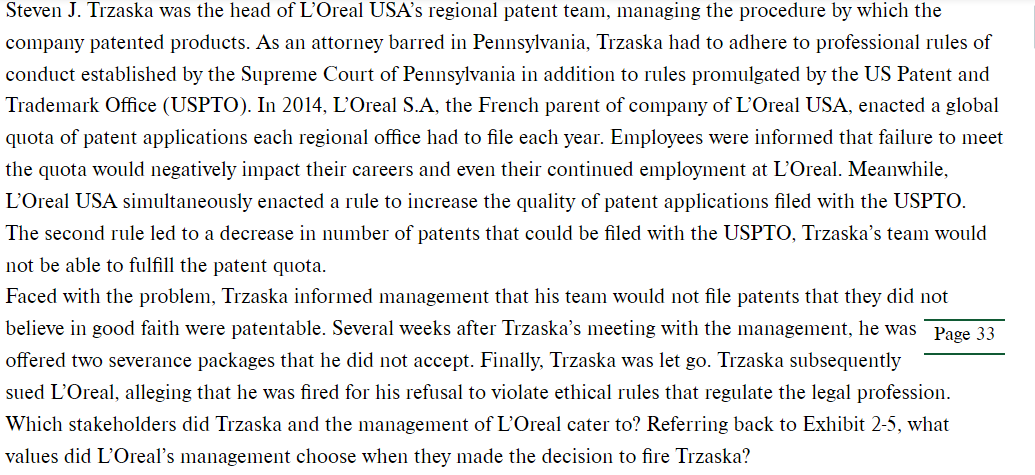
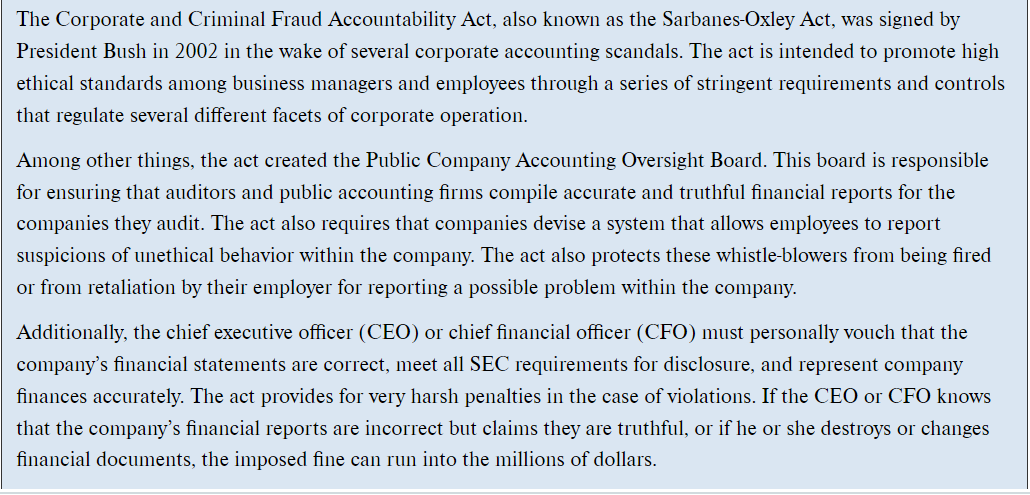
Steven J. Trzaska was the head of L'Oreal USA's regional patent team, managing the procedure by which the company patented products. As an attorney barred in Pennsylvania, Trzaska had to adhere to professional rules of conduct established by the Supreme Court of Pennsylvania in addition to rules promulgated by the US Patent and Trademark Office (USPTO). In 2014, L'Oreal S.A, the French parent of company of L'Oreal USA, enacted a global quota of patent applications each regional office had to file each year. Employees were informed that failure to meet the quota would negatively impact their careers and even their continued employment at L'Oreal. Meanwhile, L'Oreal USA simultaneously enacted a rule to increase the quality of patent applications filed with the USPTO. The second rule led to a decrease in number of patents that could be filed with the USPTO, Trzaska's team would not be able to fulfill the patent quota. Faced with the problem, Trzaska informed management that his team would not file patents that they did not believe in good faith were patentable. Several weeks after Trzaska's meeting with the management, he was Page 33 offered two severance packages that he did not accept. Finally, Trzaska was let go. Trzaska subsequently sued L'Oreal, alleging that he was fired for his refusal to violate ethical rules that regulate the legal profession. Which stakeholders did Trzaska and the management of L'Oreal cater to? Referring back to Exhibit 2-5, what values did L'Oreal's management choose when they made the decision to fire Trzaska? The Corporate and Criminal Fraud Accountability Act, also known as the Sarbanes-Oxley Act, was signed by President Bush in 2002 in the wake of several corporate accounting scandals. The act is intended to promote high ethical standards among business managers and employees through a series of stringent requirements and controls that regulate several different facets of corporate operation. Among other things, the act created the Public Company Accounting Oversight Board. This board is responsible for ensuring that auditors and public accounting firms compile accurate and truthful financial reports for the companies they audit. The act also requires that companies devise a system that allows employees to report suspicions of unethical behavior within the company. The act also protects these whistle-blowers from being fired or from retaliation by their employer for reporting a possible problem within the company. Additionally, the chief executive officer (CEO) or chief financial officer (CFO) must personally vouch that the company's financial statements are correct, meet all SEC requirements for disclosure, and represent company finances accurately. The act provides for very harsh penalties in the case of violations. If the CEO or CFO knows that the company's financial reports are incorrect but claims they are truthful, or if he or she destroys or changes financial documents, the imposed fine can run into the millions of dollars
Step by Step Solution
There are 3 Steps involved in it

Get step-by-step solutions from verified subject matter experts
 Study Help