







Question: I need help with my assignment. We are writing a personal narrative essay. I have already written something and I would like to adjust it
I need help with my assignment. We are writing a personal narrative essay. I have already written something and I would like to adjust it to fit the the assignment.
Here is the essay I wrote, its not quite done yet.
I hate goodbyes. They linger like the final, static-filled moments of an old VHS tape ? dragging out longer than they should, awkward and heavy, but impossible to skip over. I've always been this way. Some people like to believe that goodbyes are a form of closure, an end to one chapter before the next. Not me. Goodbyes are messier than that, unpredictable, and often carry a weight that sticks with you far longer than you'd expect. They're never just about leaving; they remind you of what you're leaving behind.
It's funny, in a dark sort of way, how young I was when I first learned how tangled goodbyes can be. My grandmother's death was the start of it. I was too young to fully understand the mechanics of death, but I understood the tension it brought ? the way her passing unleashed a wave of greed, tearing the family apart over who got what. It was the ugliest kind of goodbye: the kind that doesn't even let you mourn properly because you're stuck watching people fight over her memory. It wasn't just her physical belongings they wanted, either. They were after every piece of her ? the house, the jewelry, the stories. That kind of greed turns a goodbye into something worse. It's not just the person you're saying farewell to, but the way people reveal themselves in the aftermath.
Then there was the hardest goodbye. I was seven when my sister's twin brother died. A hundred days. That's how long he stayed in the hospital. I remember the quiet, sterile hallways, the smell of antiseptic that clung to my clothes even after we'd left. There's a part of me that doesn't remember much of those days, like my brain has shut out the worst of it, but I remember enough. I remember his tiny hands, his fragile heartbeat, and the silence when it stopped. There was no dramatic goodbye. No grand finale. Just a long, drawn-out end to a life that barely began. And that's the thing about death ? it doesn't give you the closure people think it should. There are no profound last words, no final understanding. It just leaves you with a hole that you can't fill, no matter how many times you try.
The thing about goodbyes is they're not always final, but they still leave you with pieces missing. After all these years, I've realized I hate them not just because they signal an end, but because they always take something with them. My grandmother took the innocence of family, leaving me with the understanding that death can expose the worst in people. My sister's twin brother took a piece of my childhood, leaving me too young to process loss but old enough to feel it. And my mother's diagnosis stole the sense of security I thought we had as a family, replacing it with a ticking clock we all pretended not to hear.
Goodbyes aren't tidy. They don't wrap up neatly like people expect. They're messy, painful, and drawn out. And sometimes, even when they're over, they're never really gone. But maybe that's why we avoid them, deflect them with humor or anger. Maybe that's why we cling to what's left, even when we know we can't hold on forever.
Here is the instructions for the 1st paragraph, but she also said we're not limited to a single one it can be as little or as big as needed.
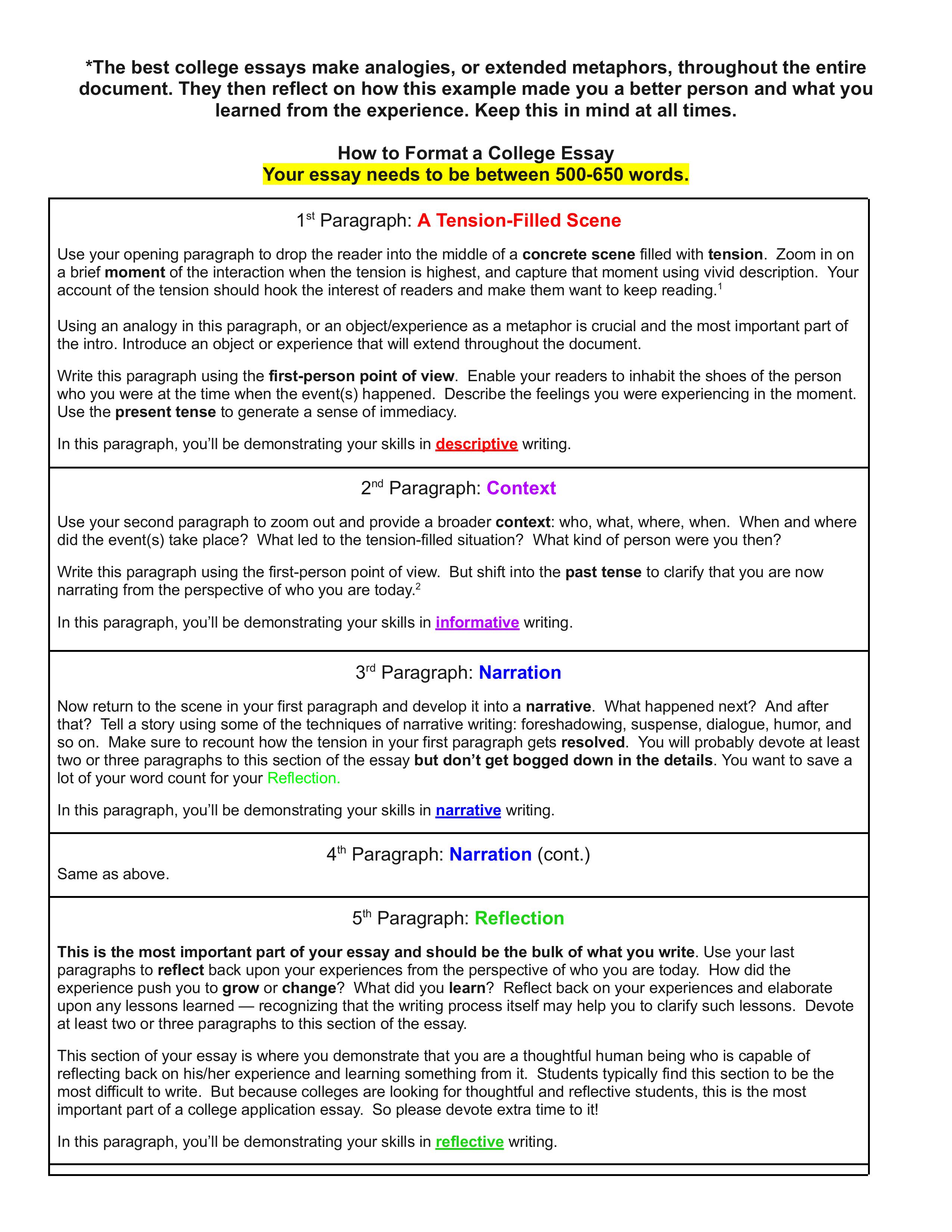
1st Paragraph: A Tension-Filled Scene
Use your opening paragraph to drop the reader into the middle of a concrete scene filled with tension. Zoom in on a brief moment of the interaction when the tension is highest, and capture that moment using vivid description. Your account of the tension should hook the interest of readers and make them want to keep reading.
Using an analogy in this paragraph, or an object/experience as a metaphor is crucial and the most important part of the intro. Introduce an object or experience that will extend throughout the document.
Writthis paragraph using the first-person point of view. Enable your readers to inhabit the shoes of the person who you were at the time when the event(s) happened. Describe the feelings you were experiencing in the moment. Use the present tense to generate a sense of immediacy.
In this paragraph, you'll be demonstrating your skills in descriptive writing.
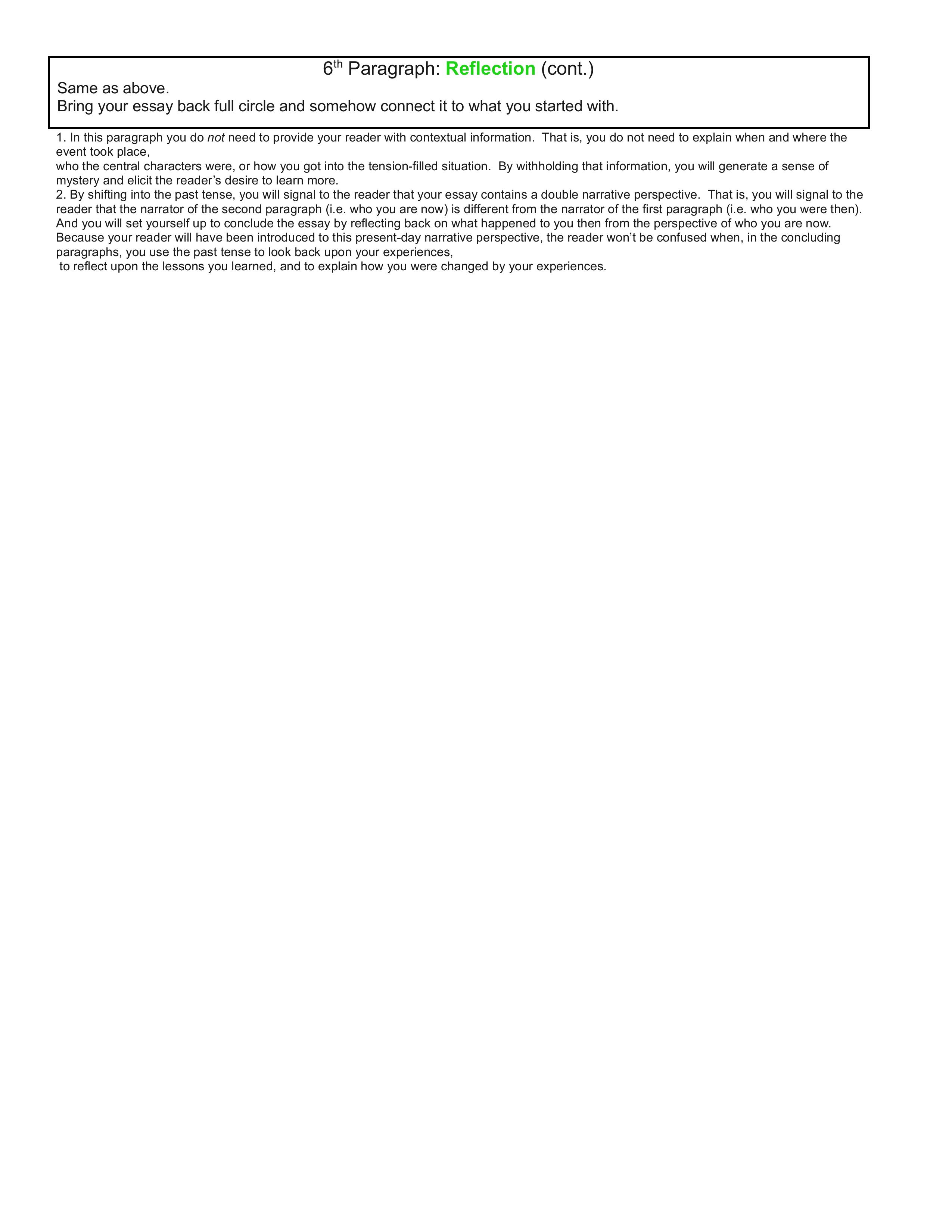
In this paragraph you do not need to provide your reader with contextual information. That is, you do not need to explain when and where the event took place, who the central characters were, or how you got into the tension-filled situation. By withholding that information, you will generate a sense of mystery and elicit the reader's desire to learn more.
Step by Step Solution
There are 3 Steps involved in it

Get step-by-step solutions from verified subject matter experts
 Study Help