Question: I need help with my graded project, I need help with in-text citations and a resource page Francois-Xavier Fabre Francois-Xavier Fabre was born on April
I need help with my graded project, I need help with in-text citations and a resource page
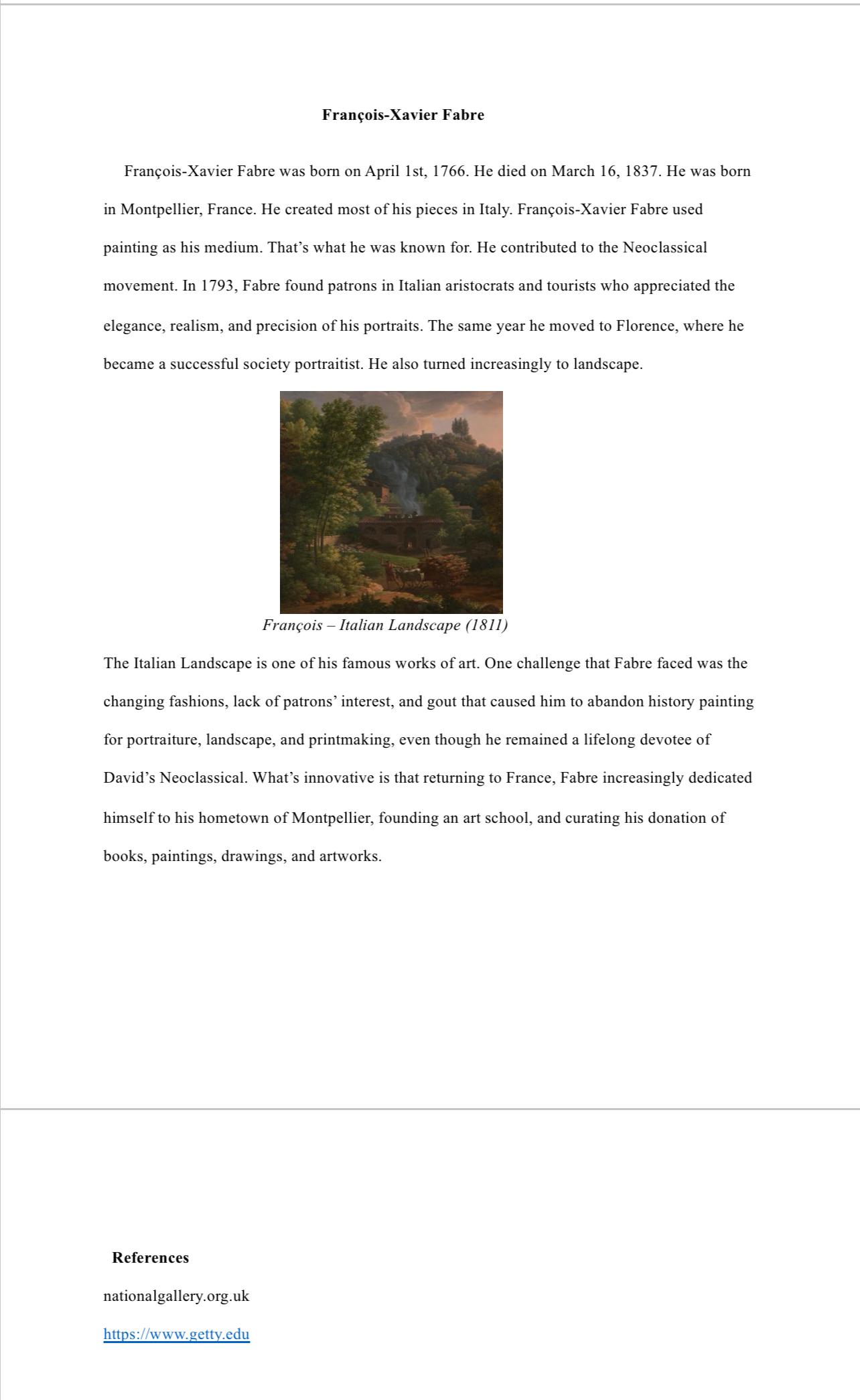
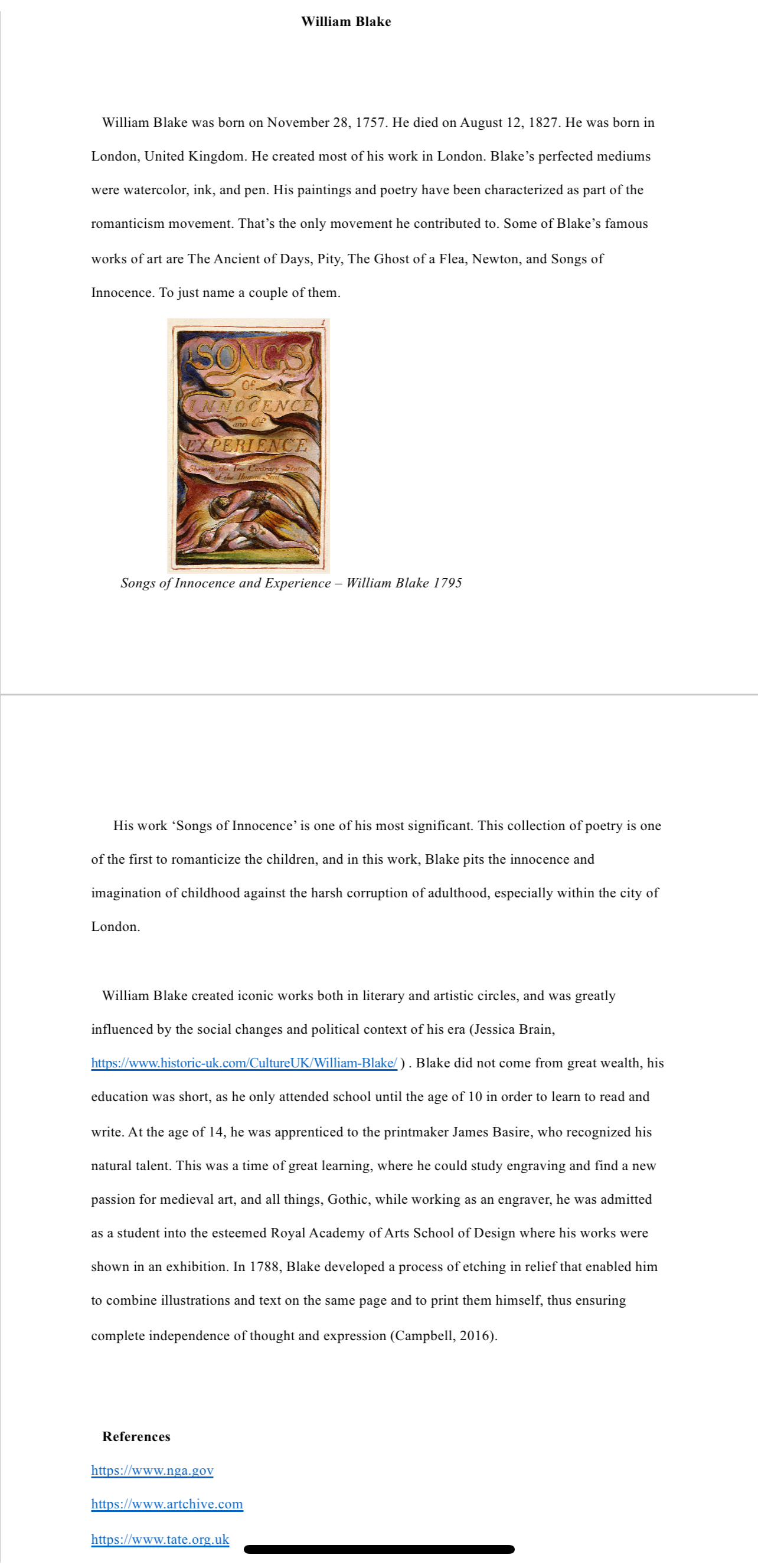
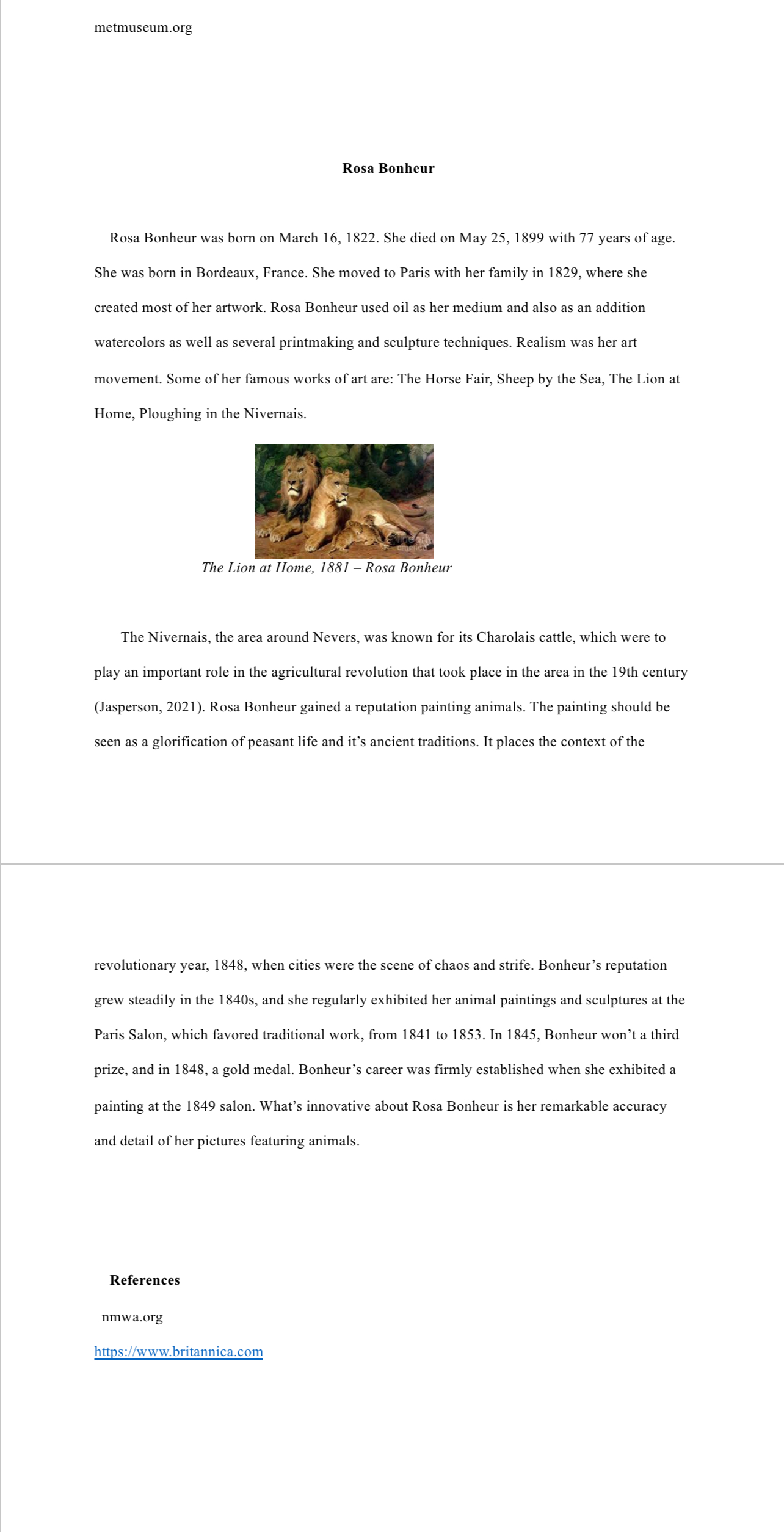
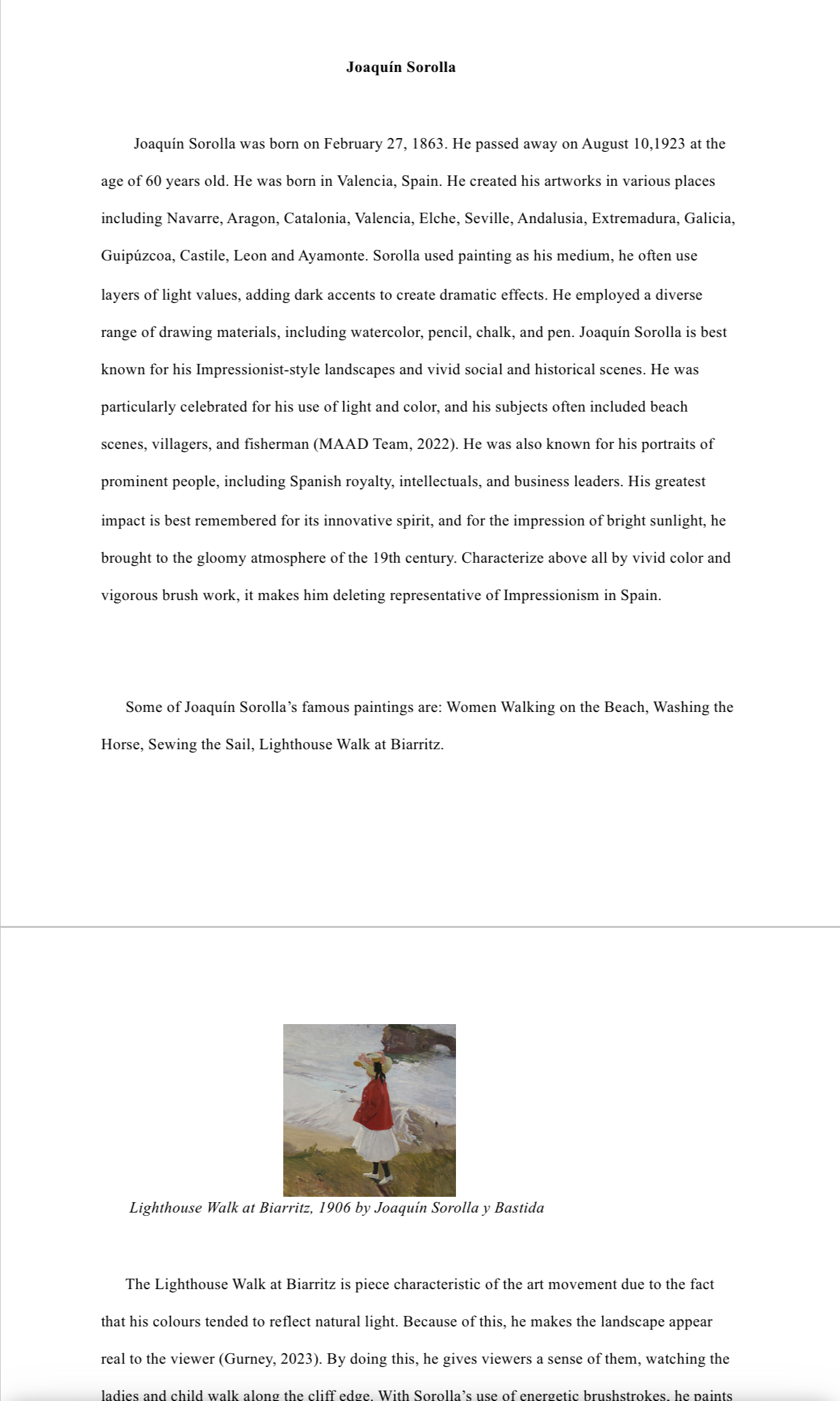
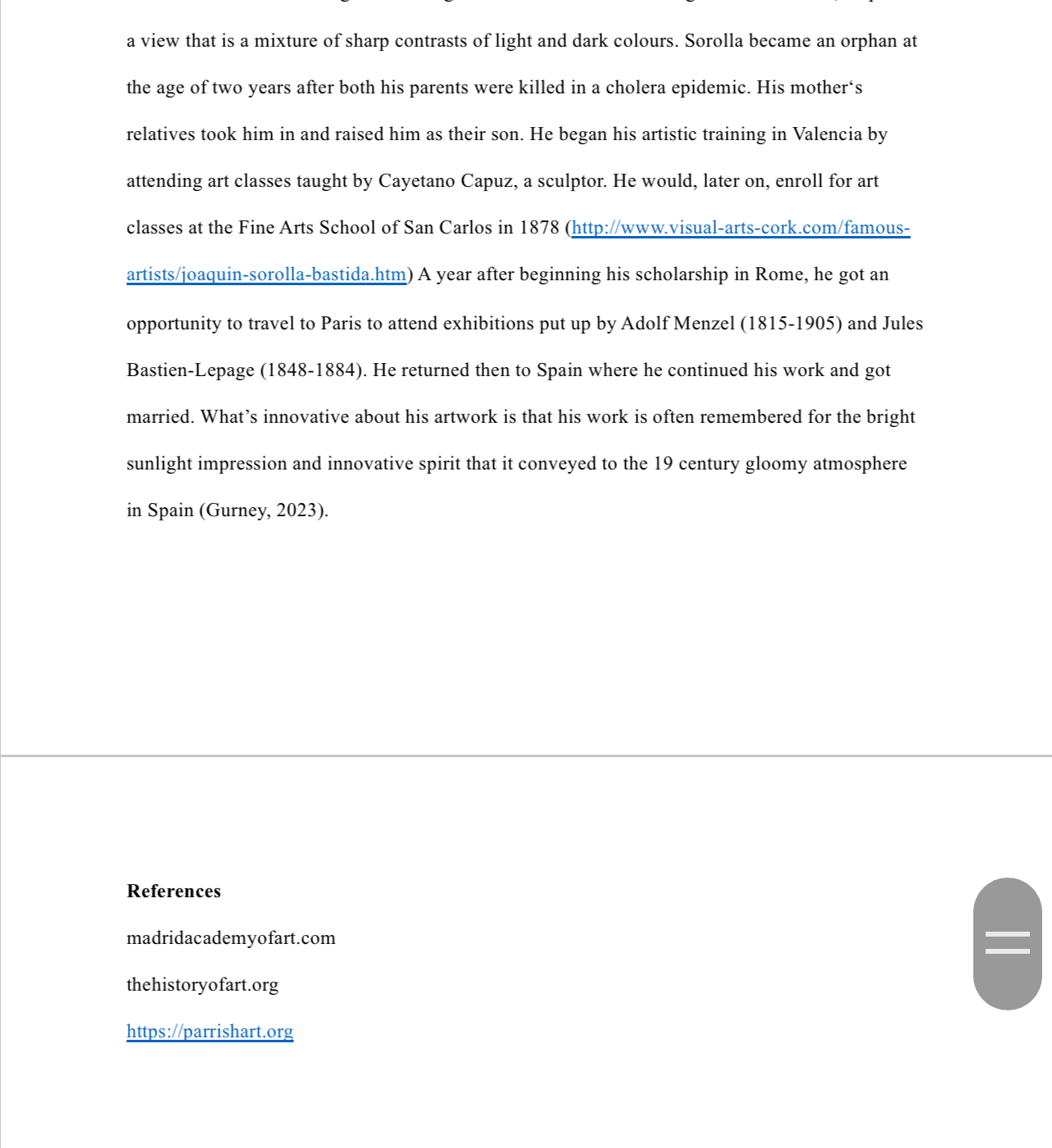
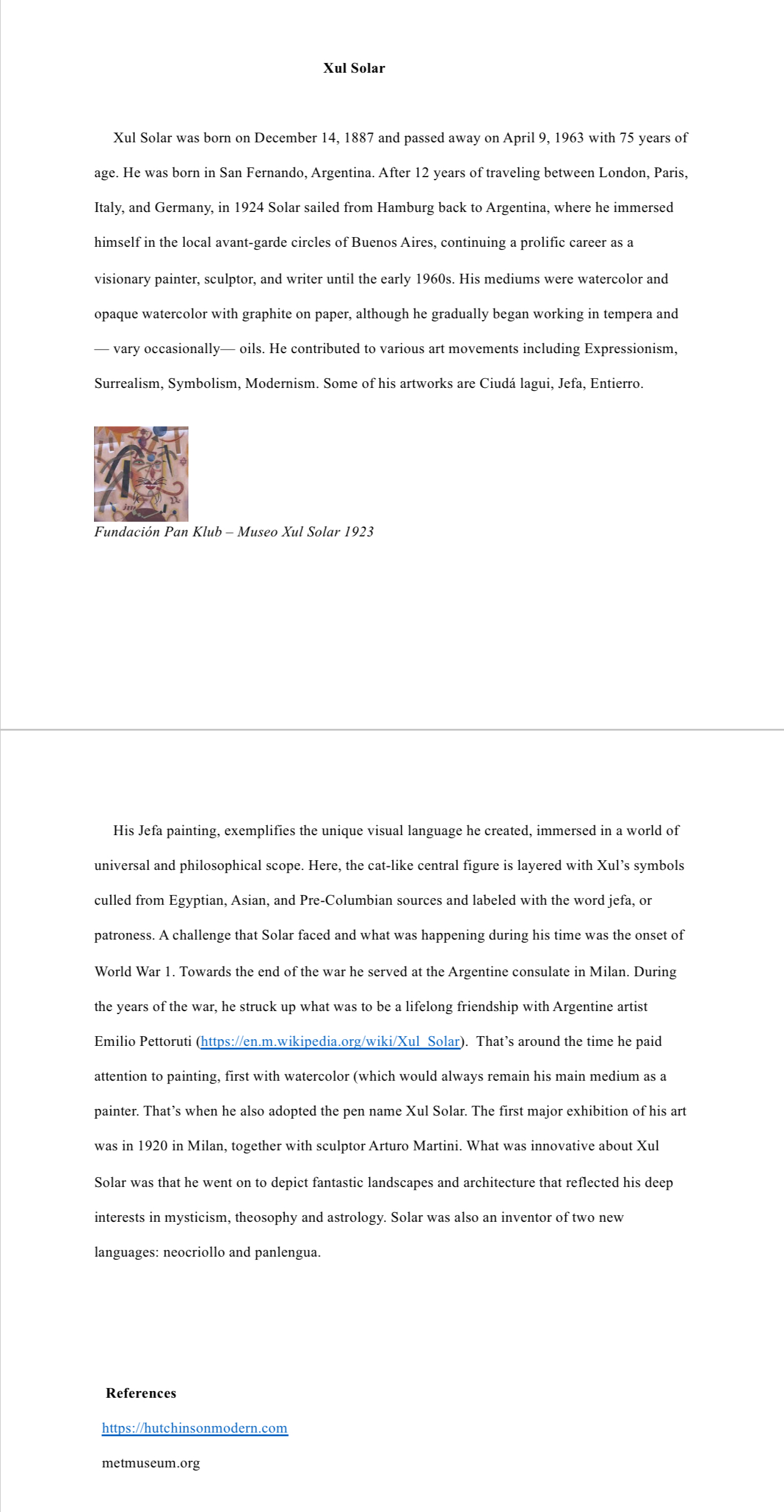
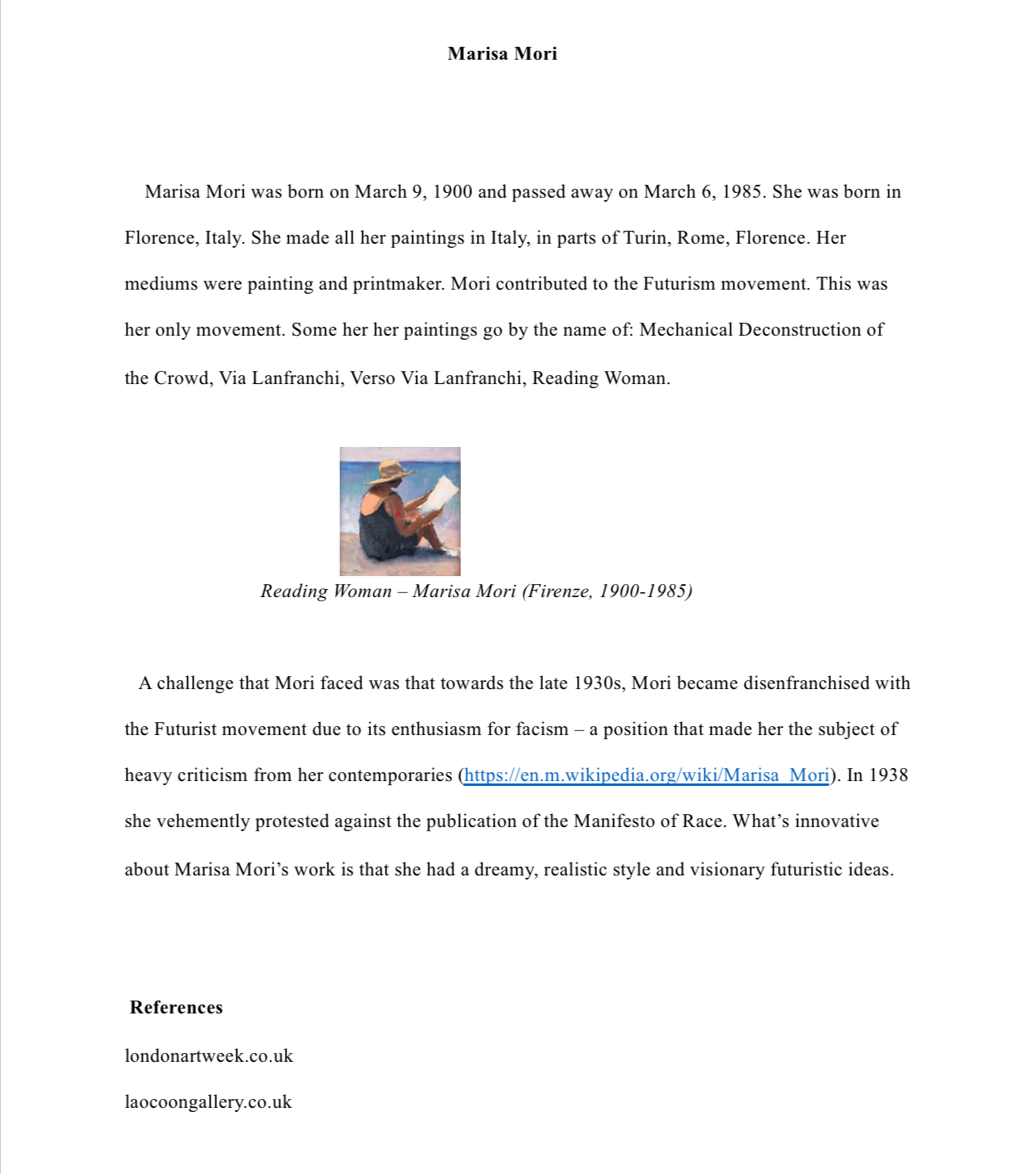
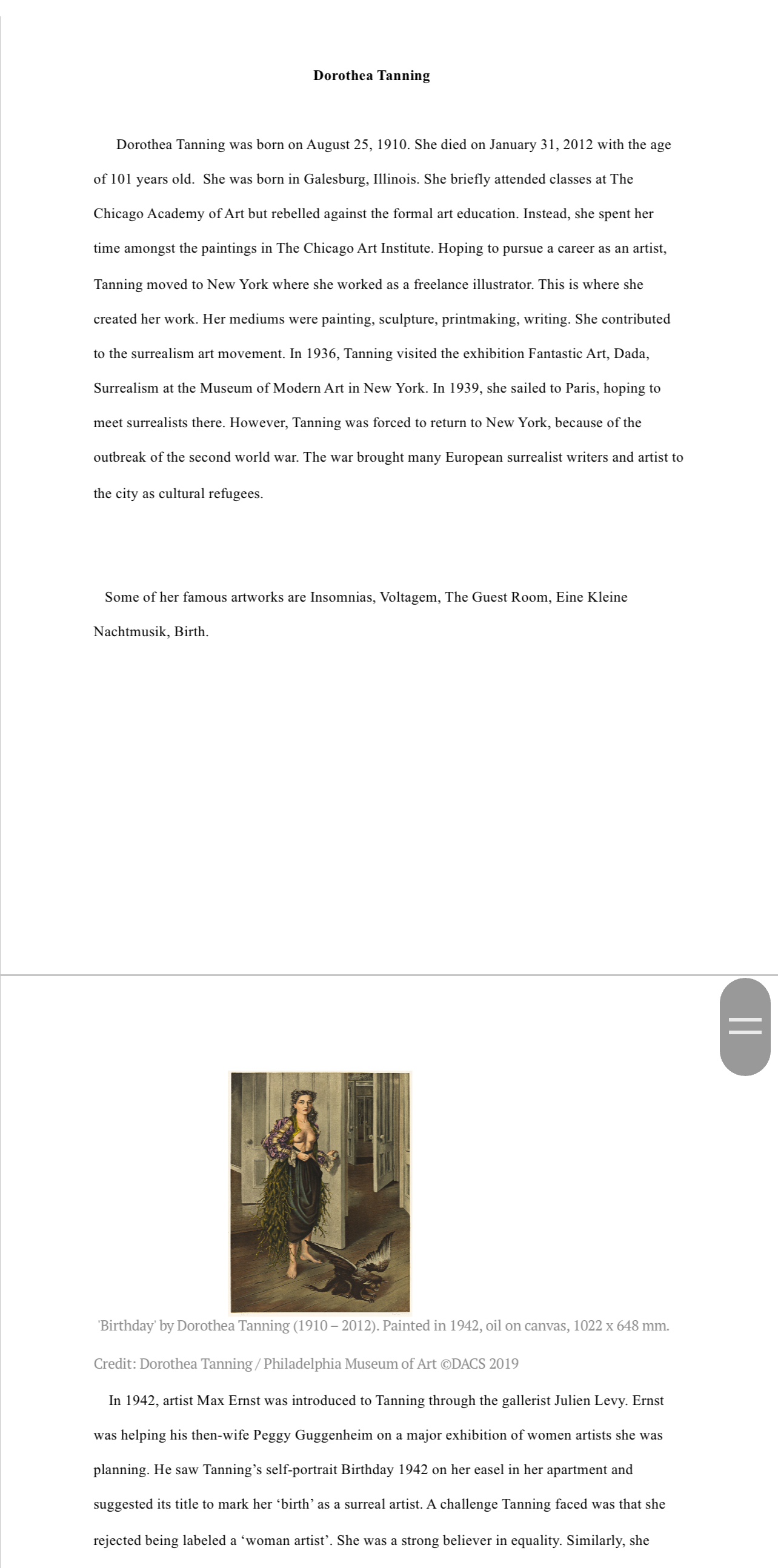
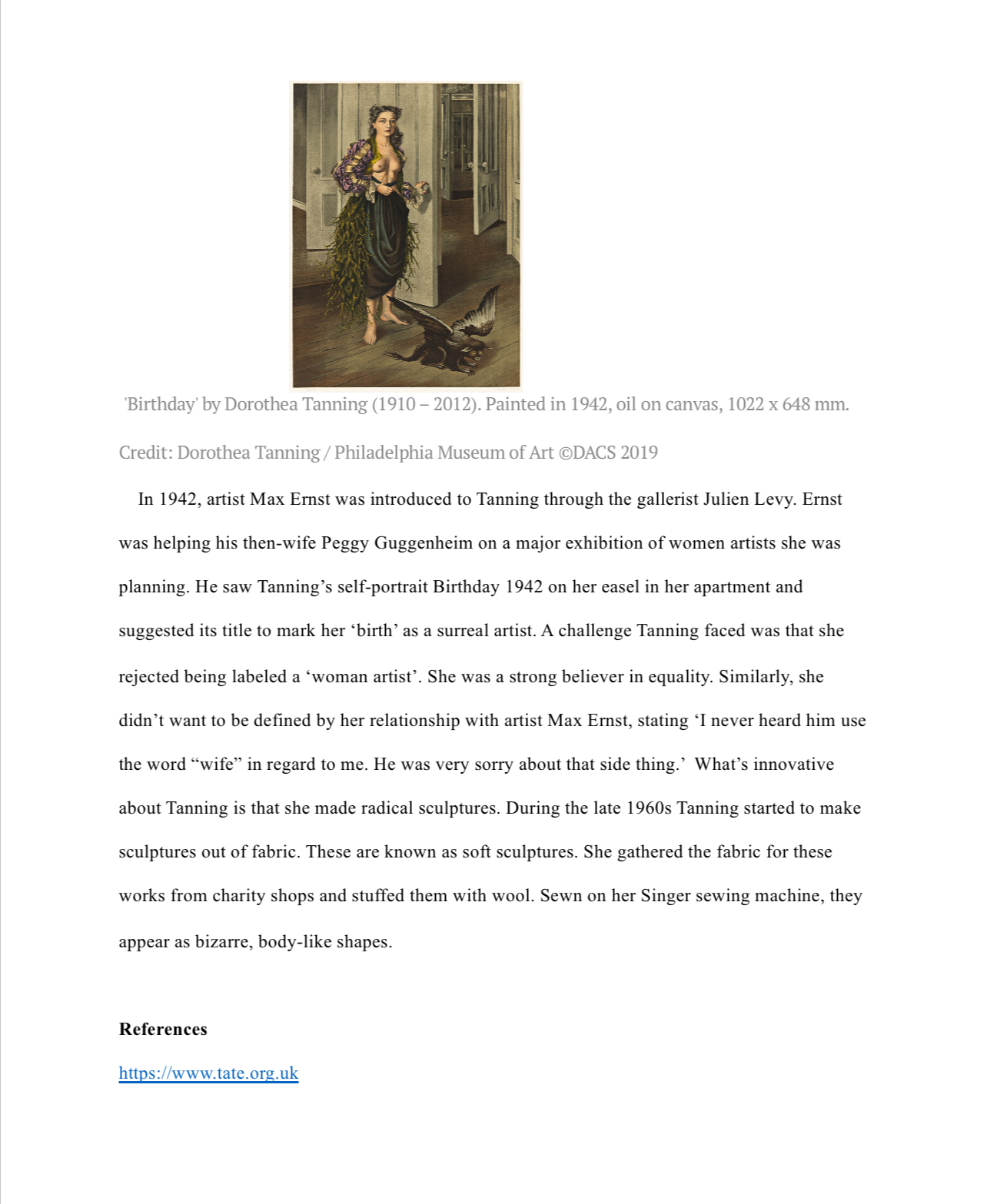
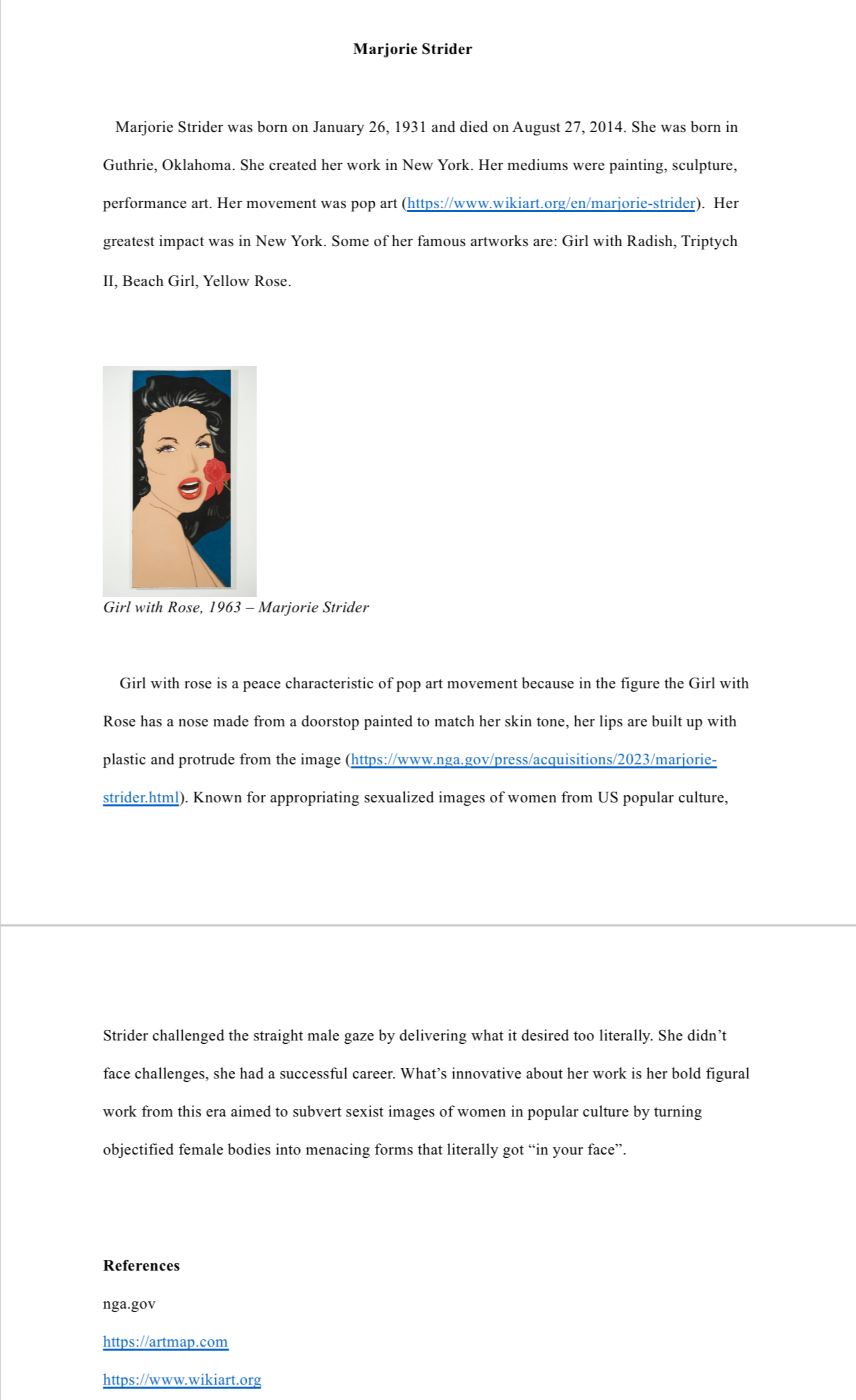
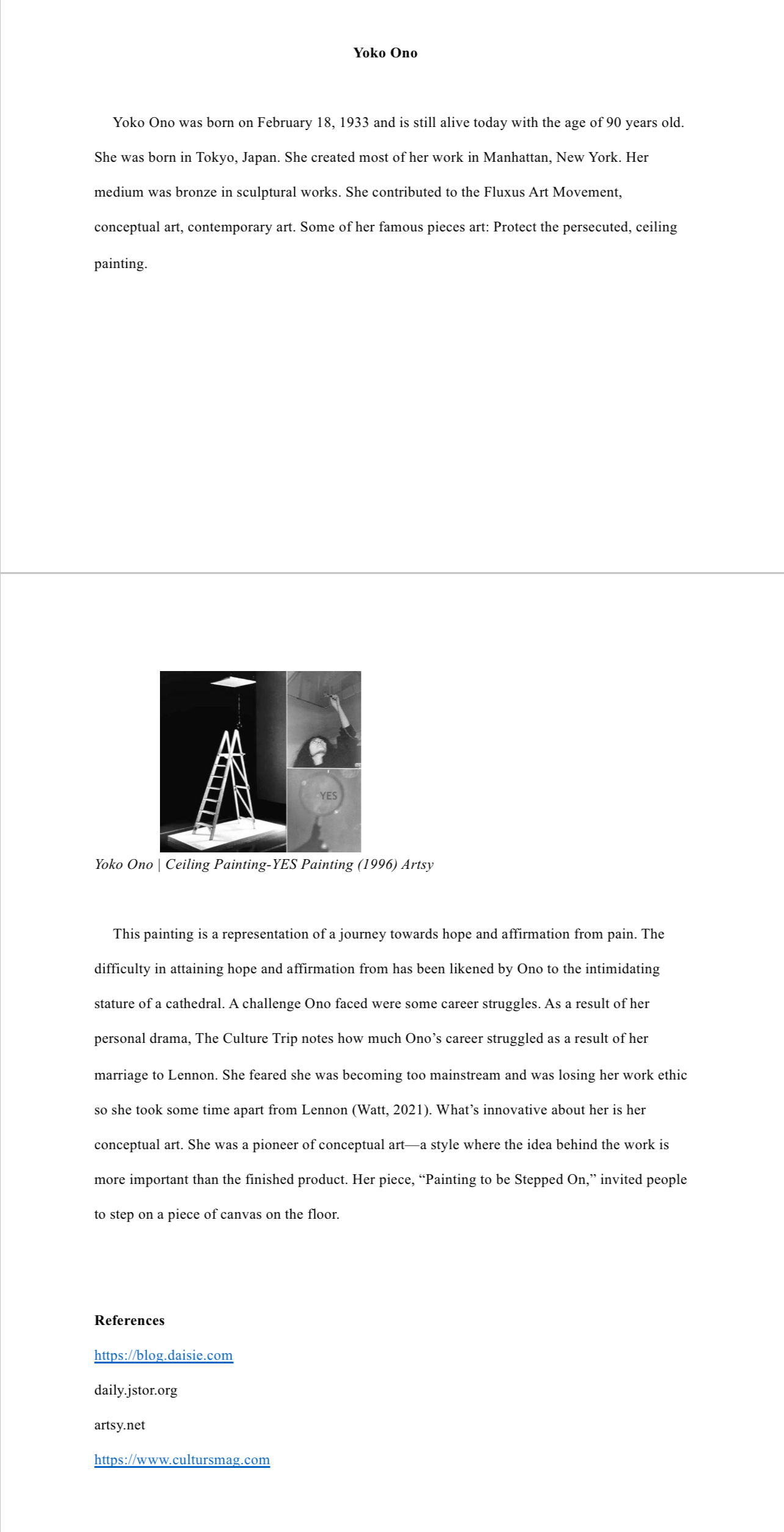
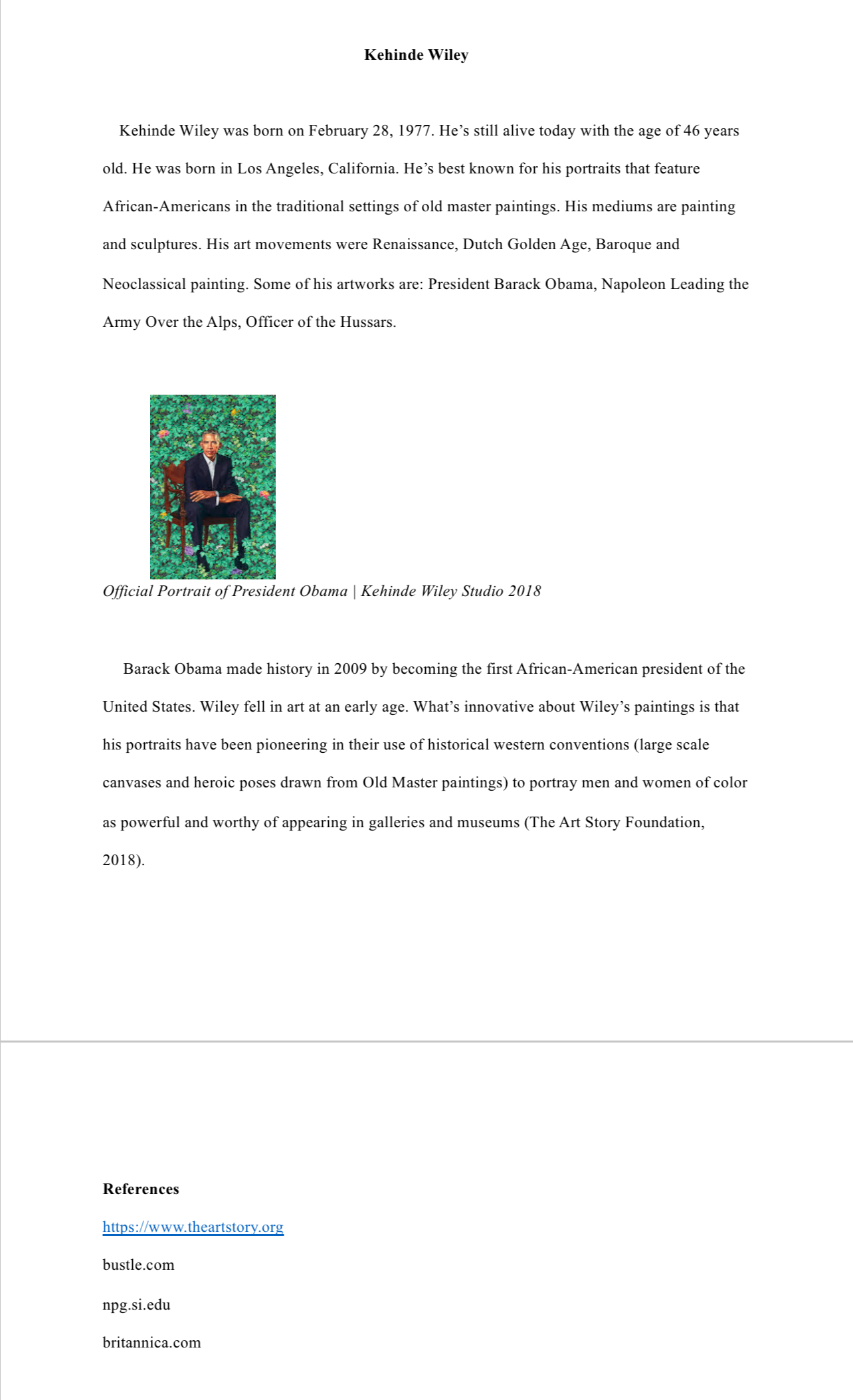
Francois-Xavier Fabre Francois-Xavier Fabre was born on April 1st, 1766. He died on March 16, 1837. He was born in Montpellier, France. He created most of his pieces in Italy. Francois-Xavier Fabre used painting as his medium. That's what he was known for. He contributed to the Neoclassical movement. In 1793, Fabre found patrons in Italian aristocrats and tourists who appreciated the elegance, realism, and precision of his portraits. The same year he moved to Florence, where he became a successful society portraitist. He also turned increasingly to landscape. Francois - Italian Landscape (1811) The Italian Landscape is one of his famous works of art. One challenge that Fabre faced was the changing fashions, lack of patrons' interest, and gout that caused him to abandon history painting for portraiture, landscape, and printmaking, even though he remained a lifelong devotee of David's Neoclassical. What's innovative is that returning to France, Fabre increasingly dedicated himself to his hometown of Montpellier, founding an art school, and curating his donation of books, paintings, drawings, and artworks. References nationalgallery.org.uk https://www.getty.eduWilliam Blake William Blake was born on November 28, 1757. He died on August 12, 1827. He was born in London, United Kingdom. He created most of his work in London. Blake's perfected mediums were watercolor, ink, and pen. His paintings and poetry have been characterized as part of the romanticism movement. That's the only movement he contributed to. Some of Blake's famous works of art are The Ancient of Days, Pity, The Ghost of a Flea, Newton, and Songs of Innocence. To just name a couple of them. SONGS Of NNOCENCE and OF EXPERIENCE Songs of Innocence and Experience - William Blake 1795 His work 'Songs of Innocence' is one of his most significant. This collection of poetry is one of the first to romanticize the children, and in this work, Blake pits the innocence and imagination of childhood against the harsh corruption of adulthood, especially within the city of London. William Blake created iconic works both in literary and artistic circles, and was greatly influenced by the social changes and political context of his era (Jessica Brain, https://www.historic-uk.com/CultureUK/William-Blake/ ) . Blake did not come from great wealth, his education was short, as he only attended school until the age of 10 in order to learn to read and write. At the age of 14, he was apprenticed to the printmaker James Basire, who recognized his natural talent. This was a time of great learning, where he could study engraving and find a new passion for medieval art, and all things, Gothic, while working as an engraver, he was admitted as a student into the esteemed Royal Academy of Arts School of Design where his works were shown in an exhibition. In 1788, Blake developed a process of etching in relief that enabled him to combine illustrations and text on the same page and to print them himself, thus ensuring complete independence of thought and expression (Campbell, 2016). References https://www.nga.gov https://www.artchive.com https://www.tate.org.ukmetmuseum.of Rosa Bonheur Rosa Bonheur was born on March 16, 1822. She died on May 25, 1899 with 77 years of age. She was born in Bordeaux, France. She moved to Paris with her family in 1829, where she created most of her artwork. Rosa Bonheur used oil as her medium and also as an addition watercolors as well as several printmaking and sculpture techniques. Realism was her art movement. Some of her famous works of art are: The Horse Fair, Sheep by the Sea, The Lion at Home, Ploughing in the Nivernais. The Lion at Home, 1881 - Rosa Bonheur The Nivernais, the area around Nevers, was known for its Charolais cattle, which were to play an important role in the agricultural revolution that took place in the area in the 19th century (Jasperson, 2021). Rosa Bonheur gained a reputation painting animals. The painting should be seen as a glorification of peasant life and it's ancient traditions. It places the context of the revolutionary year, 1848, when cities were the scene of chaos and strife. Bonheur's reputation grew steadily in the 1840s, and she regularly exhibited her animal paintings and sculptures at the Paris Salon, which favored traditional work, from 1841 to 1853. In 1845, Bonheur won't a third prize, and in 1848, a gold medal. Bonheur's career was firmly established when she exhibited a painting at the 1849 salon. What's innovative about Rosa Bonheur is her remarkable accuracy and detail of her pictures featuring animals. References nmwa.org https://www.britannica.comJoaquin Sorolla Joaquin Sorolla was born on February 27, 1863. He passed away on August 10,1923 at the age of 60 years old. He was born in Valencia, Spain. He created his artworks in various places including Navarre, Aragon, Catalonia, Valencia, Elche, Seville, Andalusia, Extremadura, Galicia, Guipuzcoa, Castile, Leon and Ayamonte. Sorolla used painting as his medium, he often use layers of light values, adding dark accents to create dramatic effects. He employed a diverse range of drawing materials, including watercolor, pencil, chalk, and pen. Joaquin Sorolla is best known for his Impressionist-style landscapes and vivid social and historical scenes. He was particularly celebrated for his use of light and color, and his subjects often included beach scenes, villagers, and fisherman (MAAD Team, 2022). He was also known for his portraits of prominent people, including Spanish royalty, intellectuals, and business leaders. His greatest impact is best remembered for its innovative spirit, and for the impression of bright sunlight, he brought to the gloomy atmosphere of the 19th century. Characterize above all by vivid color and vigorous brush work, it makes him deleting representative of Impressionism in Spain. Some of Joaquin Sorolla's famous paintings are: Women Walking on the Beach, Washing the Horse, Sewing the Sail, Lighthouse Walk at Biarritz. Lighthouse Walk at Biarritz, 1906 by Joaquin Sorolla y Bastida The Lighthouse Walk at Biarritz is piece characteristic of the art movement due to the fact that his colours tended to reflect natural light. Because of this, he makes the landscape appear real to the viewer (Gurney, 2023). By doing this, he gives viewers a sense of them, watching thea view that is a mixture of sharp contrasts of light and dark colours. Sorolla became an orphan at the age of two years after both his parents were killed in a cholera epidemic. His mother's relatives took him in and raised him as their son. He began his artistic training in Valencia by attending art classes taught by Cayetano Capuz, a sculptor. He would, later on, enroll for art classes at the Fine Arts School of San Carlos in 1878 (http://www.visual-arts-cork.com/famous- artists/joaquin-sorolla-bastida.htm) A year after beginning his scholarship in Rome, he got an opportunity to travel to Paris to attend exhibitions put up by Adolf Menzel (1815-1905) and Jules Bastien-Lepage (1848-1884). He returned then to Spain where he continued his work and got married. What's innovative about his artwork is that his work is often remembered for the bright sunlight impression and innovative spirit that it conveyed to the 19 century gloomy atmosphere in Spain (Gurney, 2023). References madridacademyofart.com = thehistoryofart.org https://parrishart.orgXul Solar Xul Solar was born on December 14, 1887 and passed away on April 9, 1963 with 75 years of age. He was born in San Fernando, Argentina. After 12 years of traveling between London, Paris, Italy, and Germany, in 1924 Solar sailed from Hamburg back to Argentina, where he immersed himself in the local avant-garde circles of Buenos Aires, continuing a prolific career as a visionary painter, sculptor, and writer until the early 1960s. His mediums were watercolor and opaque watercolor with graphite on paper, although he gradually began working in tempera and - vary occasionally- oils. He contributed to various art movements including Expressionism, Surrealism, Symbolism, Modernism. Some of his artworks are Ciuda lagui, Jefa, Entierro. Fundacion Pan Klub - Museo Xul Solar 1923 His Jefa painting, exemplifies the unique visual language he created, immersed in a world of universal and philosophical scope. Here, the cat-like central figure is layered with Xul's symbols culled from Egyptian, Asian, and Pre-Columbian sources and labeled with the word jefa, or patroness. A challenge that Solar faced and what was happening during his time was the onset of World War 1. Towards the end of the war he served at the Argentine consulate in Milan. During the years of the war, he struck up what was to be a lifelong friendship with Argentine artist Emilio Pettoruti (https://en.m.wikipedia.org/wiki/Xul Solar). That's around the time he paid attention to painting, first with watercolor (which would always remain his main medium as a painter. That's when he also adopted the pen name Xul Solar. The first major exhibition of his art was in 1920 in Milan, together with sculptor Arturo Martini. What was innovative about Xul Solar was that he went on to depict fantastic landscapes and architecture that reflected his deep interests in mysticism, theosophy and astrology. Solar was also an inventor of two new languages: neocriollo and panlengua. References https://hutchinsonmodern.com metmuseum.orgMarisa Mori Marisa Mori was born on March 9, 1900 and passed away on March 6, 1985. She was born in Florence, Italy. She made all her paintings in Italy, in parts of Turin, Rome, Florence. Her mediums were painting and printmaker. Mori contributed to the Futurism movement. This was her only movement. Some her her paintings go by the name of: Mechanical Deconstruction of the Crowd, Via Lanfranchi, Verso Via Lanfranchi, Reading Woman. Reading Woman - Marisa Mori (Firenze, 1900-1985) A challenge that Mori faced was that towards the late 1930s, Mori became disenfranchised with the Futurist movement due to its enthusiasm for facism - a position that made her the subject of heavy criticism from her contemporaries (https://en.m.wikipedia.org/wiki/Marisa Mori). In 1938 she vehemently protested against the publication of the Manifesto of Race. What's innovative about Marisa Mori's work is that she had a dreamy, realistic style and visionary futuristic ideas. References londonartweek.co.uk laocoongallery.co.ukDorothea Tanning Dorothea Tanning was born on August 25, 1910. She died on January 31, 2012 with the age of 101 years old. She was born in Galesburg, Illinois. She briefly attended classes at The Chicago Academy of Art but rebelled against the formal art education. Instead, she spent her time amongst the paintings in The Chicago Art Institute. Hoping to pursue a career as an artist, Tanning moved to New York where she worked as a freelance illustrator. This is where she created her work. Her mediums were painting, sculpture, printmaking, writing. She contributed to the surrealism art movement. In 1936, Tanning visited the exhibition Fantastic Art, Dada, Surrealism at the Museum of Modern Art in New York. In 1939, she sailed to Paris, hoping to meet surrealists there. However, Tanning was forced to return to New York, because of the outbreak of the second world war. The war brought many European surrealist writers and artist to the city as cultural refugees. Some of her famous artworks are Insomnias, Voltagem, The Guest Room, Eine Kleine Nachtmusik, Birth. Birthday' by Dorothea Tanning (1910 - 2012). Painted in 1942, oil on canvas, 1022 x 648 mm. Credit: Dorothea Tanning / Philadelphia Museum of Art ODACS 2019 In 1942, artist Max Ernst was introduced to Tanning through the gallerist Julien Levy. Ernst was helping his then-wife Peggy Guggenheim on a major exhibition of women artists she was planning. He saw Tanning's self-portrait Birthday 1942 on her easel in her apartment and suggested its title to mark her 'birth' as a surreal artist. A challenge Tanning faced was that she rejected being labeled a 'woman artist'. She was a strong believer in equality. Similarly, she'Birthday' by Dorothea Tanning (1910 2012). Painted in 1942, oil on canvas, 1022 x 648 mm. Credit: Dorothea Tanning / Philadelphia Museum of Art DACS 2019 In 1942, artist Max Ernst was introduced to Tanning through the gallerist Julien Levy. Ernst was helping his then-wife Peggy Guggenheim on a major exhibition of women artists she was planning. He saw Tanning's self-portrait Birthday 1942 on her easel in her apartment and suggested its title to mark her 'birth' as a surreal artist. A challenge Tanning faced was that she rejected being labeled a *\"woman artist'. She was a strong believer in equality. Similarly, she didn't want to be defined by her relationship with artist Max Ernst, stating 'I never heard him use the word \"wife\" in regard to me. He was very sorry about that side thing.\" What's innovative about Tanning is that she made radical sculptures. During the late 1960s Tanning started to make sculptures out of fabric. These are known as soft sculptures. She gathered the fabric for these works from charity shops and stuffed them with wool. Sewn on her Singer sewing machine, they appear as bizarre, body-like shapes. References https://www.tate.org.uk Marjorie Strider Marjorie Strider was born on January 26, 1931 and died on August 27, 2014. She was born in Guthrie, Oklahoma. She created her work in New York. Her mediums were painting, sculpture, performance art. Her movement was pop art (https://www.wikiart.org/en/marjorie-strider). Her greatest impact was in New York. Some of her famous artworks are: Girl with Radish, Triptych II, Beach Girl, Yellow Rose. Girl with Rose, 1963 - Marjorie Strider Girl with rose is a peace characteristic of pop art movement because in the figure the Girl with Rose has a nose made from a doorstop painted to match her skin tone, her lips are built up with plastic and protrude from the image (https://www.nga.gov/press/acquisitions/2023/marjorie- strider.html). Known for appropriating sexualized images of women from US popular culture, Strider challenged the straight male gaze by delivering what it desired too literally. She didn't face challenges, she had a successful career. What's innovative about her work is her bold figural work from this era aimed to subvert sexist images of women in popular culture by turning objectified female bodies into menacing forms that literally got "in your face". References nga.gov https://artmap.com https://www.wikiart.orgYoko Ono Yoko Ono was born on February 18, 1933 and is still alive today with the age of 90 years old. She was born in Tokyo, Japan. She created most of her work in Manhattan, New York. Her medium was bronze in sculptural works. She contributed to the Fluxus Art Movement, conceptual art, contemporary art. Some of her famous pieces art: Protect the persecuted, ceiling painting. - Yoko Ono | Ceiling Painting-YES Painting (1996) Artsy This painting is a representation of a journey towards hope and affirmation from pain. The difficulty in attaining hope and affirmation from has been likened by Ono to the intimidating stature of a cathedral. A challenge Ono faced were some career struggles. As a result of her personal drama, The Culture Trip notes how much Ono's career struggled as a result of her marriage to Lennon. She feared she was becoming too mainstream and was losing her work ethic so she took some time apart from Lennon (Watt, 2021). What's innovative about her is her conceptual art. She was a pioneer of conceptual arta style where the idea behind the work is more important than the finished product. Her piece, \"Painting to be Stepped On,\" invited people to step on a piece of canvas on the floor. References https://blog.daisie.com daily.jstor.org artsy.net hn[ s://www.cultursmag.com Kehinde Wiley Kehinde Wiley was born on February 28, 1977. He's still alive today with the age of 46 years old. He was born in Los Angeles, California. He's best known for his portraits that feature African-Americans in the traditional settings of old master paintings. His mediums are painting and sculptures. His art movements were Renaissance, Dutch Golden Age, Baroque and Neoclassical painting. Some of his artworks are: President Barack Obama, Napoleon Leading the Army Over the Alps, Officer of the Hussars. Official Portrait of President Obama | Kehinde Wiley Studio 2018 Barack Obama made history in 2009 by becoming the first African-American president of the United States. Wiley fell in art at an early age. What's innovative about Wiley's paintings is that his portraits have been pioneering in their use of historical western conventions (large scale canvases and heroic poses drawn from Old Master paintings) to portray men and women of color as powerful and worthy of appearing in galleries and museums (The Art Story Foundation, 2018). References https://www.theartstory.org bustle.com npg.si.edu britannica.com
Step by Step Solution
There are 3 Steps involved in it
1 Expert Approved Answer
Step: 1 Unlock
Question Has Been Solved by an Expert!
Get step-by-step solutions from verified subject matter experts
Step: 2 Unlock
Step: 3 Unlock
Students Have Also Explored These Related Business Writing Questions!









 Study Help