







Question: I need part research methodology part this is the start of the essay : Introduction Traveling from one country to another is something that has
I need part research methodology part
this is the start of the essay :
- Introduction
Traveling from one country to another is something that has been around for hundreds or even thousands of years. Traveling to non-Muslim countries has several reasons, including tourism, study, therapy, trade, gaining experience, learning languages, learning about cultures and immigration. And the travel of Muslim women abroad was in a very small percentage previously, but after the passage of years and the spread of cultures, Muslims began to open up and became Muslim women travel on vacations and at any time they want, and Muslim women did not travel unless there was a man with her, whether it was her father, brother, husband, uncle and son; family members (71%), and then it has developing, and the Muslim woman is traveling with a group of women (29%) or alone (28%) with a reason such as study or trade and now they travel in a mix groups (22%). The idea of a Muslim woman traveling abroad, especially to a non-Muslim country, is still a frightening or stressful idea, as she may be subjected to harassment from the people, or lack of comfort in the presence of taboos, or not accepting her as a Muslim with her veil or niqab, or also because of the lack of comfortable services for her in all aspects. Such as public utility services, restaurants, environment, etc.The most important thing for a Muslim woman when traveling abroad is security and safety along with healthy food and retail experiences and a Muslim woman wishes to incorporate religion into the trip through halal food or women's prayer rooms or single-gender spas or beauty salons that enable them to practice modesty (Aisha Islam, 2020). All facilities should be accessible to everyone, regardless of their religious beliefs. I saw a meditation room at the San Francisco airport at my last trip, where anyone could go to pray. That is a first step. If you cannot accommodate Muslims, accommodate at least all religions (Samia Omar Bwana, 2019).
Literature Review
Several countries depend upon the hospitality as well as tourism industry being a vital economic activity, provided that it generates jobs, increases exports, and brings affluence across the globe. Muslim travelers play a key role in the international tourism, instituting 24.1 percent of the international population and signifying a rapidly developing market. (Center, 2019) As of 25 million arrivals worldwide in the year 2005, the total number of Muslim travelers reached about 131 million in the year 2017, whilst this figure has been expected to increase to around 156 million in the coming years, making up 10 percent of the tourist sector. As per the recent study by (Mastercard-CrescentRating, 2019), this is projected that more than 230 million Muslim travelers would travel locally and internationally by the year 2026, adding up US$ 300 billion in the world's economy.
Research studies and evidence propose that halal tourism is going to be the next frontline within the international travel industry, moreover; Muslim travelers characterize a highly encouraging niche market intended for the universal hospitality and tourism business (Eid & El-Gohary, 2015). In addition, halal tourism has now become a major substitute source market that global hospitality industry experts need to target because of its steady annual progression. As the Muslim tourists are turning out to be a dedicated tourism industry marketplace, officials, legislators and practitioners must understand the behaviors as well as needs of this penetrating new tourism market in order to facilitate they might design, endorse and offer for the sale products-services which satisfy their requirements (Shafei, 2017)
Female Muslims and Travel
In religion Islam, travel is stimulated so as to Muslims can raise the value of Allah's creations in addition to broaden their understanding, familiarity and knowledge. It is correspondingly true for the men as well as women. Muslim females are now taking part in all fields of life; including work, travel, and participation in various sports activities. In order to safeguard their comfort, it is at times essential for the women to move and travel around along with their mahram like father, husband, or brother. Nevertheless, women can also travel without having any mahram alongside provided that there are certain guarantees of security and personal safety. (Ratthinan & Selamat, 2018)
A study research carried out by (Rodrigo & Turnbell, 2019) recognized the apparent values of the Muslim visitors. Their research findings have shown that Muslims well-thought-out consumption standards counting in social, functional, emotional, epistemic, and provisional that entrench Islamic values while taking Halal vacations or holidays. The functional value is linked with the practical value for example high-quality service in addition to beautiful background and historical locations. The emotional value defines the types of feelings produced from a product. It includes contentment, pleasure and excitement, emission from daily routine, in addition to relaxation. The social value portrays the social significance of a product that allows to develop the cultural or social self-concept. This encompasses the locals' approachability, social recognition, and being valued. Epistemic value is linked to novelty and inquisitiveness which comprise of experiencing something different and uniqueness. Provisional value is a significance derived as of a product or object by means of a circumstance for example safety, security and immediacy to home country. The Islamic values comprised of physical as well as non-physical. The physical Islamic values fear Halal food in lodging and in flights, no use of alcohol, Halal accommodating facilities, access to the place of worship; i.e. mosque, and prayer site and direction of Qibla. The non-physical Islamic values deliberate exclusion of facilities for the men and women; whereas women only space for having a rest and comforting environment, facilities for individual hygiene, not being wide-open to haram performs, and Halal entertainment. (Battour & Ismail, 2016)
Safety and Traveling
Safety is often cited as a vital concern amongst female travelers owing to the number of wrongdoings committed against the females (Ratthinan & Selamat, 2019). For the Muslim women, insights of safety as well as risk might influence the decision so as to travel or else not to travel along with the family's verdict to approve the trip. Consequently, they represent noteworthy limiting aspects during the travel choice making process. Above and beyond general concerns as regards to safety and the dangers of travelling, like sexual nuisance, Muslim women covering in a hijab as well have to deliberate the increasing circumstances of Islamophobia subsequent to the 9/11 terrorist outbreaks. Consequently, there is the additional possibility that doubts about personal safety would negatively influence upon levels of pleasure throughout the trip. (Tavakoli & Mura, 2021)
Prominently, technology might play a significant role in dipping levels of fear as well as insecurity for the Muslim women travelers. Certainly, finding information regarding the unknown places, tracing and directing through destinations, in addition to accessing online user created content such as reviews printed in online platforms, could add to shape insights of risk amongst the tourist generally, and female tourists in particular. As regards to this perspective, the rising popularity of computer-generated tourism and online fields like 'Second Life' has been changing Muslim women's practices of tourism. Since women can make use of avatars in order to visit real as well as imagined tourist destinations in a virtual manner, they can manage issues regarding safety in unaccustomed places prior to travelling. (Selamat & Ratthinan, 2019)
Dress Code Criteria and Travelling
In determining tour destinations, the Muslims investigate the local dress codes within that certain region of the world being deliberated. Such contemplations are to estimate the level of conventionality to the Islamic dress customs so as to regulate if they would or would not be comfortable staying at that particular destination. It is chiefly so for Arab visitors who have to perceive strict dress codes within their instinctive countries and favor not to depict themselves and families with environments that might threaten their intellect of proper dressing. Further researches demonstrate the Tourist Board's responsiveness of Islamic dress compassions by constraining their marketing operations so as to present just traditional Muslim dress codes. The women using headscarves in addition to men wearing Songkoks; which is a black rimless hat that is worn by usually the Malay men for praying; were portrayed on advertising billboards in addition to home pages. A few conservative Malaysian states impose suitable dress norms eliminating people as of disturbing cultural standards by wearing exposed clothes like bikinis. Moreover, western travelers are probable to embellish the Islamic clothing when visiting religious spots like mosques. (Ismail, 2011)
Social Influences on Travel Choices
More lately, in the several statements detailing how the internet has transformed the impersonations of tourist sites, new manners of influence have come up. The greater availability to the interpretations of other customers is a leading element in modern-day image formation. (Martinez-Ruiz, Llodra-Riera, & Jimebez-Zarco, 2018) Meant for the present concentration, it is notable that some associated travelers become stars over the internet; characteristically, they are people who have posted quite a number of travel accounts with the well written as well as often handsomely exemplified pieces. The encouragement of these internet authors has often engaged the system of writing wide-ranging blogs for distinct interest groups or else descriptive communities. (Kozinets, Valck, & Wojnicki, 2010) Instances include online versions of volunteering, leisure driving, backpacking, drifting and travelling to religious places, and attending the festivals. Inside this mix of authors persuading other tourists, the existence of a trivial set of female Muslim correspondents offers a descriptive example of the acceptance and prospective power of being a prominent online influencer. (Oktadiana, Pearce, & Li, 2020)
Service Quality and Halal-Friendly Hotels
The significance of the Muslim marketplace has newly attracted attention because of the fast development of the halal tourism business for incoming and outbound markets. The countries, namely Indonesia, Turkey, Malaysia, and the UAE have completely capitalized in new hotel projects which are in accordance with Shariah law that is pure Islamic law, helping from their international standing in the field of tourism market being Islamic countries. (Mohsin, Ramli, & Alkhulayf, 2016) Insubstantiality, perceptibility, and inseparability of the service as well as product are major mechanisms of the service quality. Clienteles or guests appraise a hotel's service quality depending on their expectations along with the service performance provided by the hotel. The physical environment, atmosphere, cleanliness, security, facilities, services, room maintenance, staff sociability, location, in addition to the interior decorations as well as paintings are all important elements of a hotel's characteristics (Jeaheng, Al-Ansi, & Han, 2020). As per the (Prioporas, Stylos, & Vedanthachari, 2017), service based performance within the lodging business influences the client's insight of quality based upon how the service gets prepared and distributed. Fundamentally, this notion expands on the compassion of service quality together with its role as regards to the customer's decision-making procedure.
Studies in the field of hospitality emphasized the prominence of halal products as well as service performance in addition to quality for the Muslim guests as well as how it influences their satisfaction during their time of travel. (Han, Al-Ansi, & Kim, 2019) discovered five principal halal-friendly characteristics that have a serious impact upon Muslim consumers, especially, during their trip to a non-Islamic destination, comprising halal foods and drinks, halal-friendly social atmosphere, halal-friendly amenities, halal-friendly facilities, in addition to halal-friendly staff. Correspondingly, (Henderson, 2016) showed a study in Japan that has found out that halal foods worth and prayer room amenities (i.e., hygiene, qibla indicator exhibition, Qur'an copy, convenience) are major elements of essential service performance which fulfill Muslim travelers' requirements.
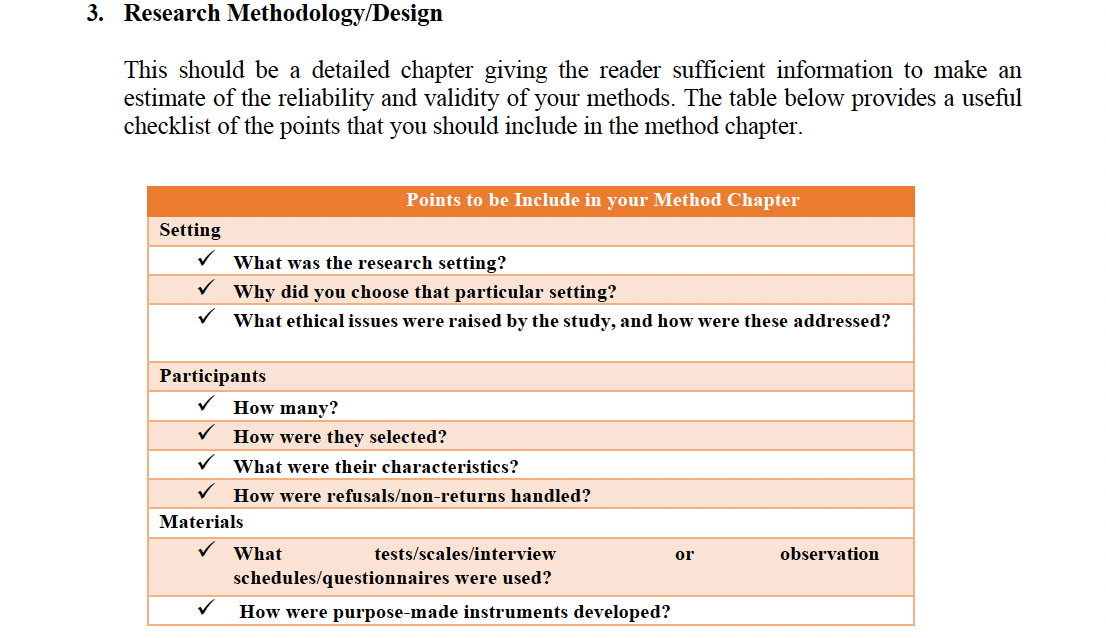
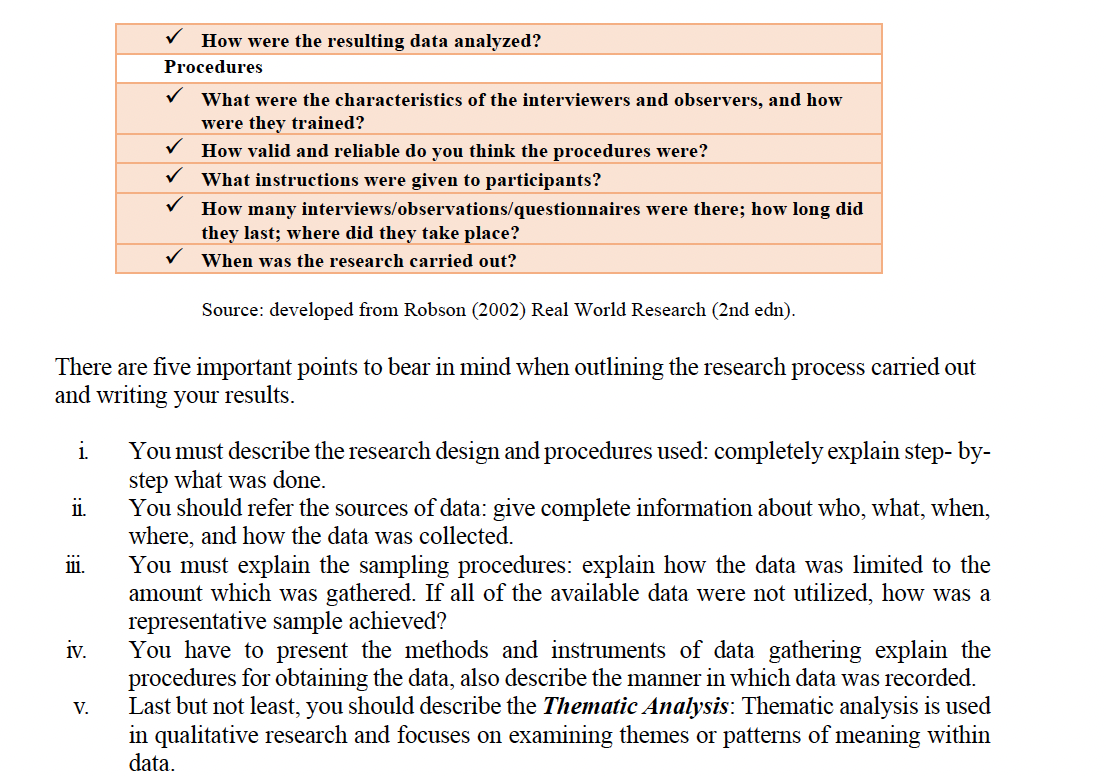
Research Methodology:
I need to explain with tutor no taking from any internet side
Step by Step Solution
There are 3 Steps involved in it

Get step-by-step solutions from verified subject matter experts
 Study Help