







Question: If someone could complete the excel based on the projections, I will upvote! Thanks! Fun & Games Financial Projections 2021 MAY JUNE 3000 3500 AUGUST
If someone could complete the excel based on the projections, I will upvote! Thanks!
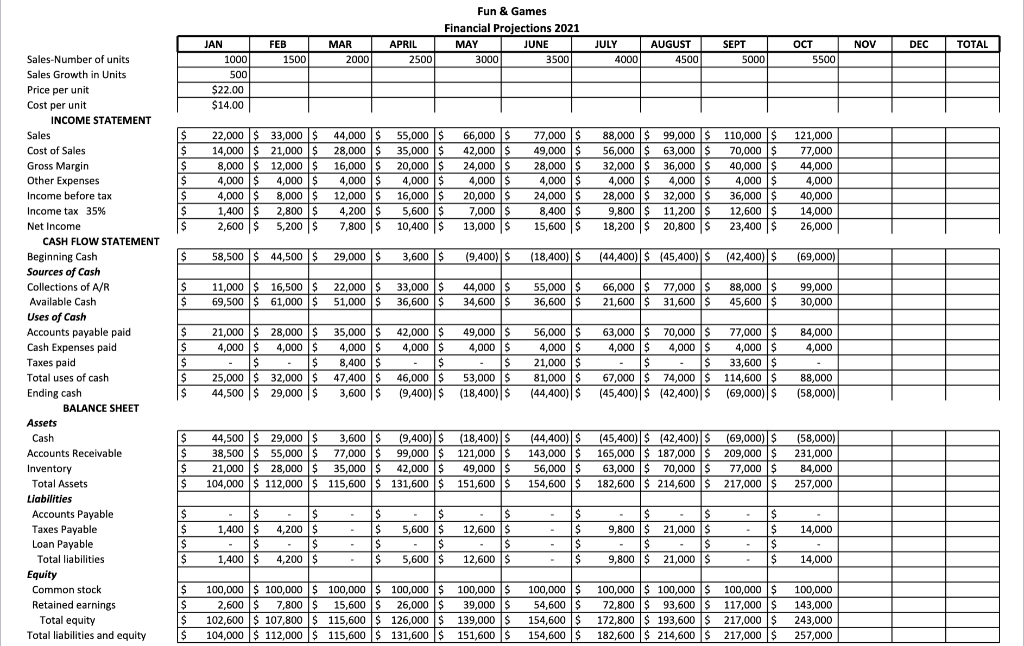
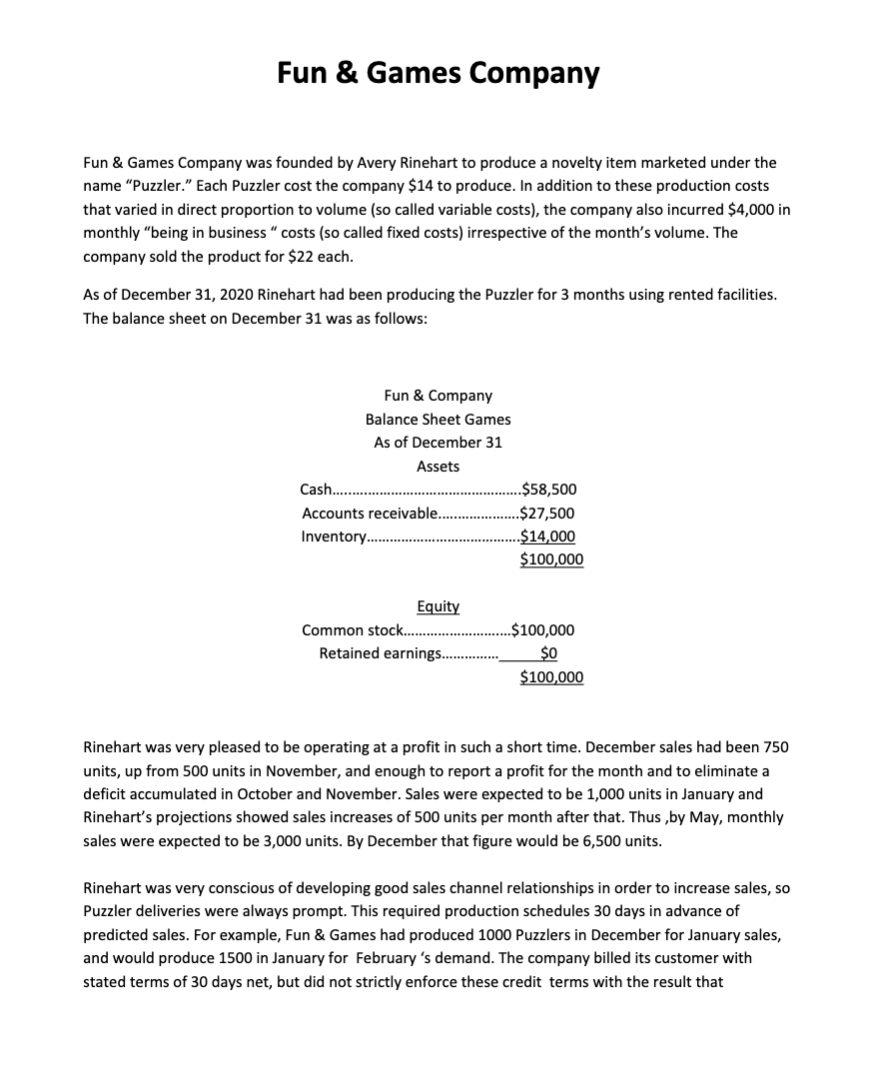
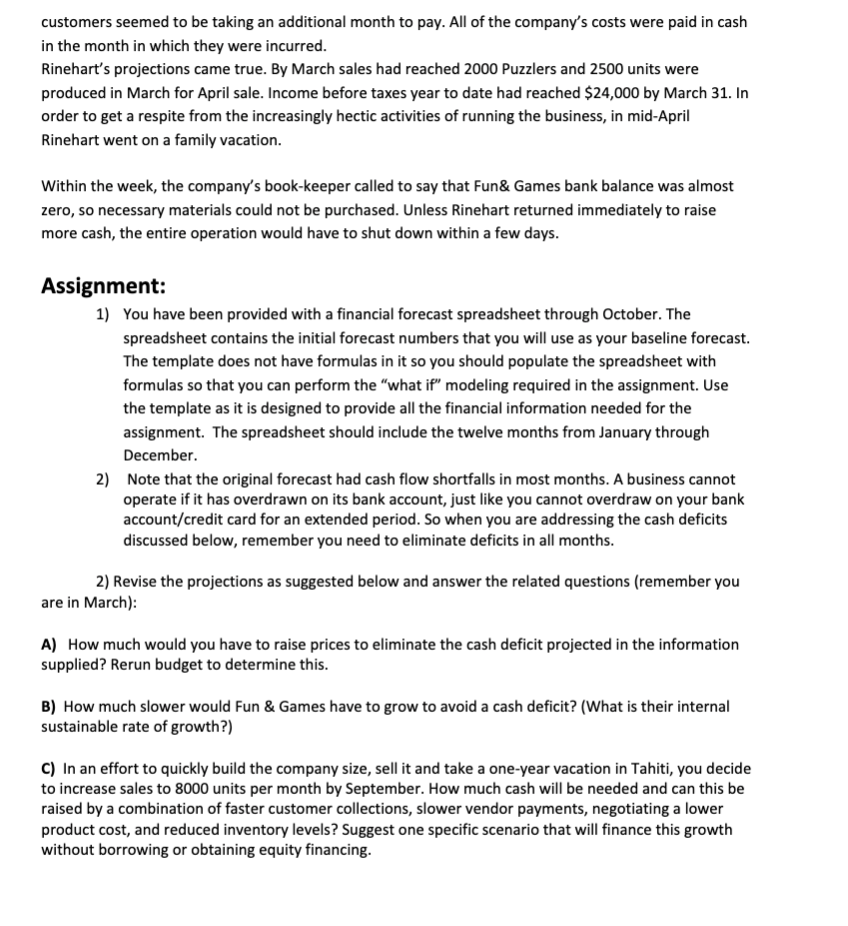
Fun & Games Financial Projections 2021 MAY JUNE 3000 3500 AUGUST NOV DEC TOTAL FEB 1500 MAR 2000 APRIL 2500 JULY 4000 SEPT 5000 OCT 5500 4500 JAN 1000 500 $22.00 $14.00 $ $ $ $ $ $ $ 22,000 $ 33,000 $ 14,000 $ 21,000 $ 8,000 $ 12,000 $ 4,000 $ 4,000 $ 4,000 $ 8,000 $ 1,400 $ 2,800 $ 2,600 $ 5,200 $ 44,000S 28,000 $ 16,000 S 4,000 $ 12,000 $ 4.200 IS 7,800 $ 55,000 $ 35,000 $ 20,000 $ 4,000 $ 16,000 $ 5,600 $ 10,400 $ 66,000 $ 42,000 $ 24,000 $ 4,000 $ 20,000 $ 7,000 $ 13,000 IS 77,000 $ 49,000 $ 28,000 $ 4,000 $ 24,000 $ 8,400 $ 15,600 $ 88,000 $ 99,000 $ 110,000 $ 56,000 $ 63,000 $ 70,000 $ 32,000 $ 36,000 S 40,000 $ 4,000 $ 4,000 $ 4,000 $ 28,000 $ 32,000 $ 36,000 $ 9,800 $ 11,200 $ 12,600 $ 18,200 $ 20,800 $ 23,400 $ 121,000 77,000 44,000 4,000 40,000 14,000 26,000 $ 58,500 $ 44,500 $ 29,000 $ 3,600 $ (9,400) $ (18,400) $ (44,400) $ (45,400) $ (42,400) $ (69,000) $ $ 11,000 $ 16,500 $ 22,000 $ 33,000 $ 69,500 $ 61,000 $ 51,000$ 36,600 $ 44,000 $ 34,600 $ 55,000 $ 36,600 $ 66,000 $ 77,000 $ 21,600 $ 31,600 88,000 $ 45,600$ 99,000 30,000 Sales Number of units Sales Growth in Units Price per unit Cost per unit INCOME STATEMENT Sales Cost of Sales Gross Margin Other Expenses Income before tax Income tax 35% Net Income CASH FLOW STATEMENT Beginning Cash Sources of Cash Collections of A/R Available Cash Uses of Cash Accounts payable paid Cash Expenses paid Taxes paid Total uses of cash Ending cash BALANCE SHEET Assets Cash Accounts Receivable Inventory Total Assets Liabilities Accounts Payable Taxes Payable Loan Payable Total liabilities Equity Common stock Retained earnings Total equity Total liabilities and equity 84,000 4,000 $ $ $ $ $ 21,000 $ 28,000 $ 4,000 $ 4,000 $ $ $ 25,000$ 32,000 $ 44,500 $ 29,000 $ 35,000 $ 4,000 $ 8,400 $ 47.400 $ 3,600 $ 42.000 IS 49,000 $ 4,000 $ 4,000 $ $ $ 53,000 $ (9,400) $ (18,400) 56,000 $ 4,000 $ 21,000 $ 81,000 $ (44,400) $ 63,000 $ 70,000 $ 77,000 $ 4,000 $ 4,000 $ 4,000 $ $ $ 33,600 $ 67,000 $ 74,000 $ 114,600 $ (45,400) $ (42,400) $ (69,000) $ 46,000 $ 88,000 (58,000) $ $ $ $ 44,500 $ 29,000 $ 3,600 $ (9,400) (18,400) 38,500 $ 55,000 $ 77,000 $ 99,000 $ 121,000 $ 21,000 $ 28,000 $ 35,000 $ 42,000 $ 49,000 $ 104,000 $ 112,000 $ 115,600 $ 131,600 $ 151,600 $ (44,400) S 143,000 $ 56,000 $ 154,600 $ (45,400) $ (42,400) S (69,000) $ 165,000 $ 187,000 $ 209,000 $ 63,000 $ 70,000 $ 77,000 $ 182,600 $ 214,600 $ 217,000 $ TNI (58,000) 231,000 84,000 257,000 14,000 $ $ $ $ $ 1,400 $ $ 1,400$ $ 4,200 $ $ 4,200 $ - S $ $ IS S $ $ 5,600 $ IS 5.600 $ $ 12,600 $ $ 12,600 $ S $ $ $ $ $ $ 9,800 $ 21,000 $ $ IS 9,800 $ 21,000 $ $ $ $ $ 14,000 $ $ $ $ 100,000 $ 100,000 $ 100,000 $100,000 $ 100,000 $ 2,600 $ 7,800 $ 15,600 $ 26,000 $ 39,000 $ 102,600 $ 107,800 $ 115,600 $ 126,000 $ 139,000 $ 104,000 $ 112,000 $ 115,600 $ 131,600 $ 151,600 100,000 $ 54,600 $ 154,600 $ 154,600 S 100,000 $ 100,000 $ 100,000 $ 72,800 $ 93,600 $ 117,000 $ 172,800 $ 193,600 $ 217,000 $ 182,600 $ 214,600 $ 217,000 $ JULIJ 100.000 143,000 243,000 257,000 Fun & Games Company Fun & Games Company was founded by Avery Rinehart to produce a novelty item marketed under the name "Puzzler." Each Puzzler cost the company $14 to produce. In addition to these production costs that varied in direct proportion to volume (so called variable costs), the company also incurred $4,000 in monthly "being in business "costs (so called fixed costs) irrespective of the month's volume. The company sold the product for $22 each. As of December 31, 2020 Rinehart had been producing the Puzzler for 3 months using rented facilities. The balance sheet on December 31 was as follows: Fun & Company Balance Sheet Games As of December 31 Assets Cash..... $58,500 Accounts receivable. $27,500 Inventory.. $14,000 $100,000 Equity Common stock...... Retained earnings......... ..$100,000 $0 $100,000 Rinehart was very pleased to be operating at a profit in such a short time. December sales had been 750 units, up from 500 units in November, and enough to report a profit for the month and to eliminate a deficit accumulated in October and November. Sales were expected to be 1,000 units in January and Rinehart's projections showed sales increases of 500 units per month after that. Thus, by May, monthly sales were expected to be 3,000 units. By December that figure would be 6,500 units. Rinehart was very conscious of developing good sales channel relationships in order to increase sales, so Puzzler deliveries were always prompt. This required production schedules 30 days in advance of predicted sales. For example, Fun & Games had produced 1000 Puzzlers in December for January sales, and would produce 1500 in January for February's demand. The company billed its customer with stated terms of 30 days net, but did not strictly enforce these credit terms with the result that customers seemed to be taking an additional month to pay. All of the company's costs were paid in cash in the month in which they were incurred. Rinehart's projections came true. By March sales had reached 2000 Puzzlers and 2500 units were produced in March for April sale. Income before taxes year to date had reached $24,000 by March 31. In order to get a respite from the increasingly hectic activities of running the business, in mid-April Rinehart went on a family vacation. Within the week, the company's book-keeper called to say that Fun& Games bank balance was almost zero, so necessary materials could not be purchased. Unless Rinehart returned immediately to raise more cash, the entire operation would have to shut down within a few days. Assignment: 1) You have been provided with a financial forecast spreadsheet through October. The spreadsheet contains the initial forecast numbers that you will use as your baseline forecast. The template does not have formulas in it so you should populate the spreadsheet with formulas so that you can perform the "what if" modeling required in the assignment. Use the template as it is designed to provide all the financial information needed for the assignment. The spreadsheet should include the twelve months from January through December 2) Note that the original forecast had cash flow shortfalls in most months. A business cannot operate if it has overdrawn on its bank account, just like you cannot overdraw on your bank account/credit card for an extended period. So when you are addressing the cash deficits discussed below, remember you need to eliminate deficits in all months. 2) Revise the projections as suggested below and answer the related questions (remember you are in March): A) How much would you have to raise prices to eliminate the cash deficit projected in the information supplied? Rerun budget to determine this. B) How much slower would Fun & Games have to grow to avoid a cash deficit? (What is their internal sustainable rate of growth?) C) In an effort to quickly build the company size, sell it and take a one-year vacation in Tahiti, you decide to increase sales to 8000 units per month by September. How much cash will be needed and can this be raised by a combination of faster customer collections, slower vendor payments, negotiating a lower product cost, and reduced inventory levels? Suggest one specific scenario that will finance this growth without borrowing or obtaining equity financing. Fun & Games Financial Projections 2021 MAY JUNE 3000 3500 AUGUST NOV DEC TOTAL FEB 1500 MAR 2000 APRIL 2500 JULY 4000 SEPT 5000 OCT 5500 4500 JAN 1000 500 $22.00 $14.00 $ $ $ $ $ $ $ 22,000 $ 33,000 $ 14,000 $ 21,000 $ 8,000 $ 12,000 $ 4,000 $ 4,000 $ 4,000 $ 8,000 $ 1,400 $ 2,800 $ 2,600 $ 5,200 $ 44,000S 28,000 $ 16,000 S 4,000 $ 12,000 $ 4.200 IS 7,800 $ 55,000 $ 35,000 $ 20,000 $ 4,000 $ 16,000 $ 5,600 $ 10,400 $ 66,000 $ 42,000 $ 24,000 $ 4,000 $ 20,000 $ 7,000 $ 13,000 IS 77,000 $ 49,000 $ 28,000 $ 4,000 $ 24,000 $ 8,400 $ 15,600 $ 88,000 $ 99,000 $ 110,000 $ 56,000 $ 63,000 $ 70,000 $ 32,000 $ 36,000 S 40,000 $ 4,000 $ 4,000 $ 4,000 $ 28,000 $ 32,000 $ 36,000 $ 9,800 $ 11,200 $ 12,600 $ 18,200 $ 20,800 $ 23,400 $ 121,000 77,000 44,000 4,000 40,000 14,000 26,000 $ 58,500 $ 44,500 $ 29,000 $ 3,600 $ (9,400) $ (18,400) $ (44,400) $ (45,400) $ (42,400) $ (69,000) $ $ 11,000 $ 16,500 $ 22,000 $ 33,000 $ 69,500 $ 61,000 $ 51,000$ 36,600 $ 44,000 $ 34,600 $ 55,000 $ 36,600 $ 66,000 $ 77,000 $ 21,600 $ 31,600 88,000 $ 45,600$ 99,000 30,000 Sales Number of units Sales Growth in Units Price per unit Cost per unit INCOME STATEMENT Sales Cost of Sales Gross Margin Other Expenses Income before tax Income tax 35% Net Income CASH FLOW STATEMENT Beginning Cash Sources of Cash Collections of A/R Available Cash Uses of Cash Accounts payable paid Cash Expenses paid Taxes paid Total uses of cash Ending cash BALANCE SHEET Assets Cash Accounts Receivable Inventory Total Assets Liabilities Accounts Payable Taxes Payable Loan Payable Total liabilities Equity Common stock Retained earnings Total equity Total liabilities and equity 84,000 4,000 $ $ $ $ $ 21,000 $ 28,000 $ 4,000 $ 4,000 $ $ $ 25,000$ 32,000 $ 44,500 $ 29,000 $ 35,000 $ 4,000 $ 8,400 $ 47.400 $ 3,600 $ 42.000 IS 49,000 $ 4,000 $ 4,000 $ $ $ 53,000 $ (9,400) $ (18,400) 56,000 $ 4,000 $ 21,000 $ 81,000 $ (44,400) $ 63,000 $ 70,000 $ 77,000 $ 4,000 $ 4,000 $ 4,000 $ $ $ 33,600 $ 67,000 $ 74,000 $ 114,600 $ (45,400) $ (42,400) $ (69,000) $ 46,000 $ 88,000 (58,000) $ $ $ $ 44,500 $ 29,000 $ 3,600 $ (9,400) (18,400) 38,500 $ 55,000 $ 77,000 $ 99,000 $ 121,000 $ 21,000 $ 28,000 $ 35,000 $ 42,000 $ 49,000 $ 104,000 $ 112,000 $ 115,600 $ 131,600 $ 151,600 $ (44,400) S 143,000 $ 56,000 $ 154,600 $ (45,400) $ (42,400) S (69,000) $ 165,000 $ 187,000 $ 209,000 $ 63,000 $ 70,000 $ 77,000 $ 182,600 $ 214,600 $ 217,000 $ TNI (58,000) 231,000 84,000 257,000 14,000 $ $ $ $ $ 1,400 $ $ 1,400$ $ 4,200 $ $ 4,200 $ - S $ $ IS S $ $ 5,600 $ IS 5.600 $ $ 12,600 $ $ 12,600 $ S $ $ $ $ $ $ 9,800 $ 21,000 $ $ IS 9,800 $ 21,000 $ $ $ $ $ 14,000 $ $ $ $ 100,000 $ 100,000 $ 100,000 $100,000 $ 100,000 $ 2,600 $ 7,800 $ 15,600 $ 26,000 $ 39,000 $ 102,600 $ 107,800 $ 115,600 $ 126,000 $ 139,000 $ 104,000 $ 112,000 $ 115,600 $ 131,600 $ 151,600 100,000 $ 54,600 $ 154,600 $ 154,600 S 100,000 $ 100,000 $ 100,000 $ 72,800 $ 93,600 $ 117,000 $ 172,800 $ 193,600 $ 217,000 $ 182,600 $ 214,600 $ 217,000 $ JULIJ 100.000 143,000 243,000 257,000 Fun & Games Company Fun & Games Company was founded by Avery Rinehart to produce a novelty item marketed under the name "Puzzler." Each Puzzler cost the company $14 to produce. In addition to these production costs that varied in direct proportion to volume (so called variable costs), the company also incurred $4,000 in monthly "being in business "costs (so called fixed costs) irrespective of the month's volume. The company sold the product for $22 each. As of December 31, 2020 Rinehart had been producing the Puzzler for 3 months using rented facilities. The balance sheet on December 31 was as follows: Fun & Company Balance Sheet Games As of December 31 Assets Cash..... $58,500 Accounts receivable. $27,500 Inventory.. $14,000 $100,000 Equity Common stock...... Retained earnings......... ..$100,000 $0 $100,000 Rinehart was very pleased to be operating at a profit in such a short time. December sales had been 750 units, up from 500 units in November, and enough to report a profit for the month and to eliminate a deficit accumulated in October and November. Sales were expected to be 1,000 units in January and Rinehart's projections showed sales increases of 500 units per month after that. Thus, by May, monthly sales were expected to be 3,000 units. By December that figure would be 6,500 units. Rinehart was very conscious of developing good sales channel relationships in order to increase sales, so Puzzler deliveries were always prompt. This required production schedules 30 days in advance of predicted sales. For example, Fun & Games had produced 1000 Puzzlers in December for January sales, and would produce 1500 in January for February's demand. The company billed its customer with stated terms of 30 days net, but did not strictly enforce these credit terms with the result that customers seemed to be taking an additional month to pay. All of the company's costs were paid in cash in the month in which they were incurred. Rinehart's projections came true. By March sales had reached 2000 Puzzlers and 2500 units were produced in March for April sale. Income before taxes year to date had reached $24,000 by March 31. In order to get a respite from the increasingly hectic activities of running the business, in mid-April Rinehart went on a family vacation. Within the week, the company's book-keeper called to say that Fun& Games bank balance was almost zero, so necessary materials could not be purchased. Unless Rinehart returned immediately to raise more cash, the entire operation would have to shut down within a few days. Assignment: 1) You have been provided with a financial forecast spreadsheet through October. The spreadsheet contains the initial forecast numbers that you will use as your baseline forecast. The template does not have formulas in it so you should populate the spreadsheet with formulas so that you can perform the "what if" modeling required in the assignment. Use the template as it is designed to provide all the financial information needed for the assignment. The spreadsheet should include the twelve months from January through December 2) Note that the original forecast had cash flow shortfalls in most months. A business cannot operate if it has overdrawn on its bank account, just like you cannot overdraw on your bank account/credit card for an extended period. So when you are addressing the cash deficits discussed below, remember you need to eliminate deficits in all months. 2) Revise the projections as suggested below and answer the related questions (remember you are in March): A) How much would you have to raise prices to eliminate the cash deficit projected in the information supplied? Rerun budget to determine this. B) How much slower would Fun & Games have to grow to avoid a cash deficit? (What is their internal sustainable rate of growth?) C) In an effort to quickly build the company size, sell it and take a one-year vacation in Tahiti, you decide to increase sales to 8000 units per month by September. How much cash will be needed and can this be raised by a combination of faster customer collections, slower vendor payments, negotiating a lower product cost, and reduced inventory levels? Suggest one specific scenario that will finance this growth without borrowing or obtaining equity financing
Step by Step Solution
There are 3 Steps involved in it

Get step-by-step solutions from verified subject matter experts
 Study Help