







Question: I'm having a problem with graphing specially Can you please show me on a paper so i can understand better. 1.) Draw me a beautiful
I'm having a problem with graphing specially Can you please show me on a paper so i can understand better.
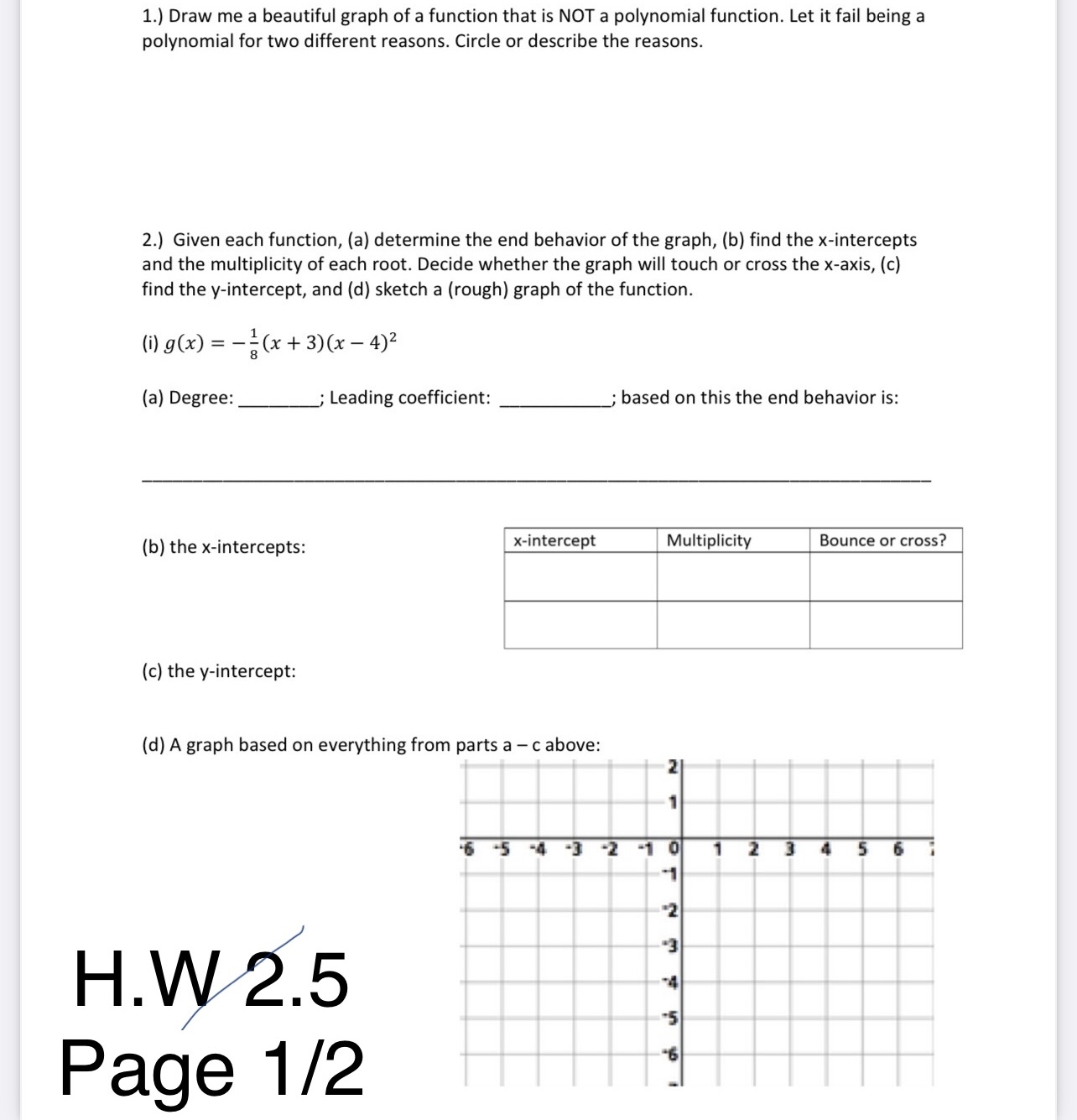
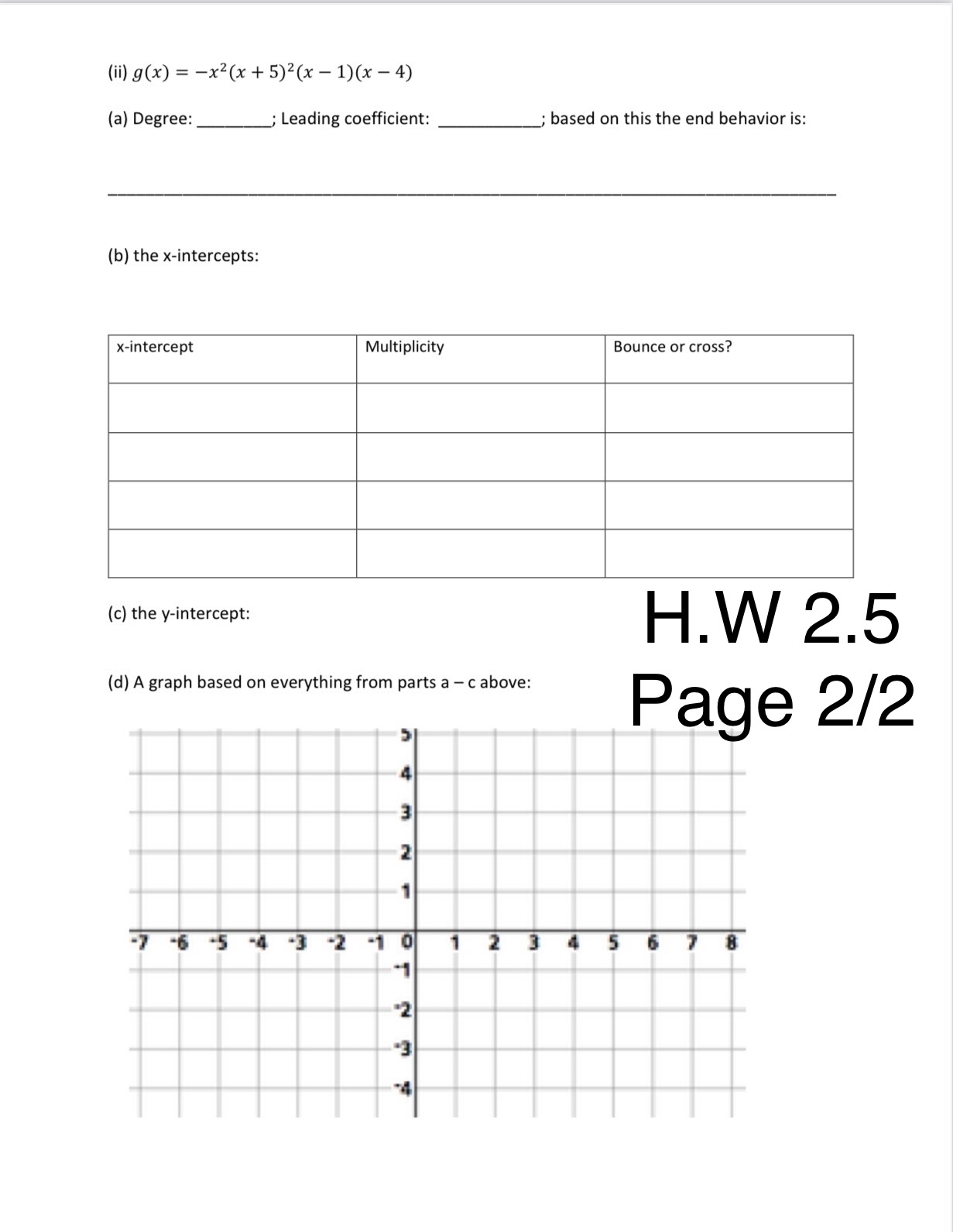
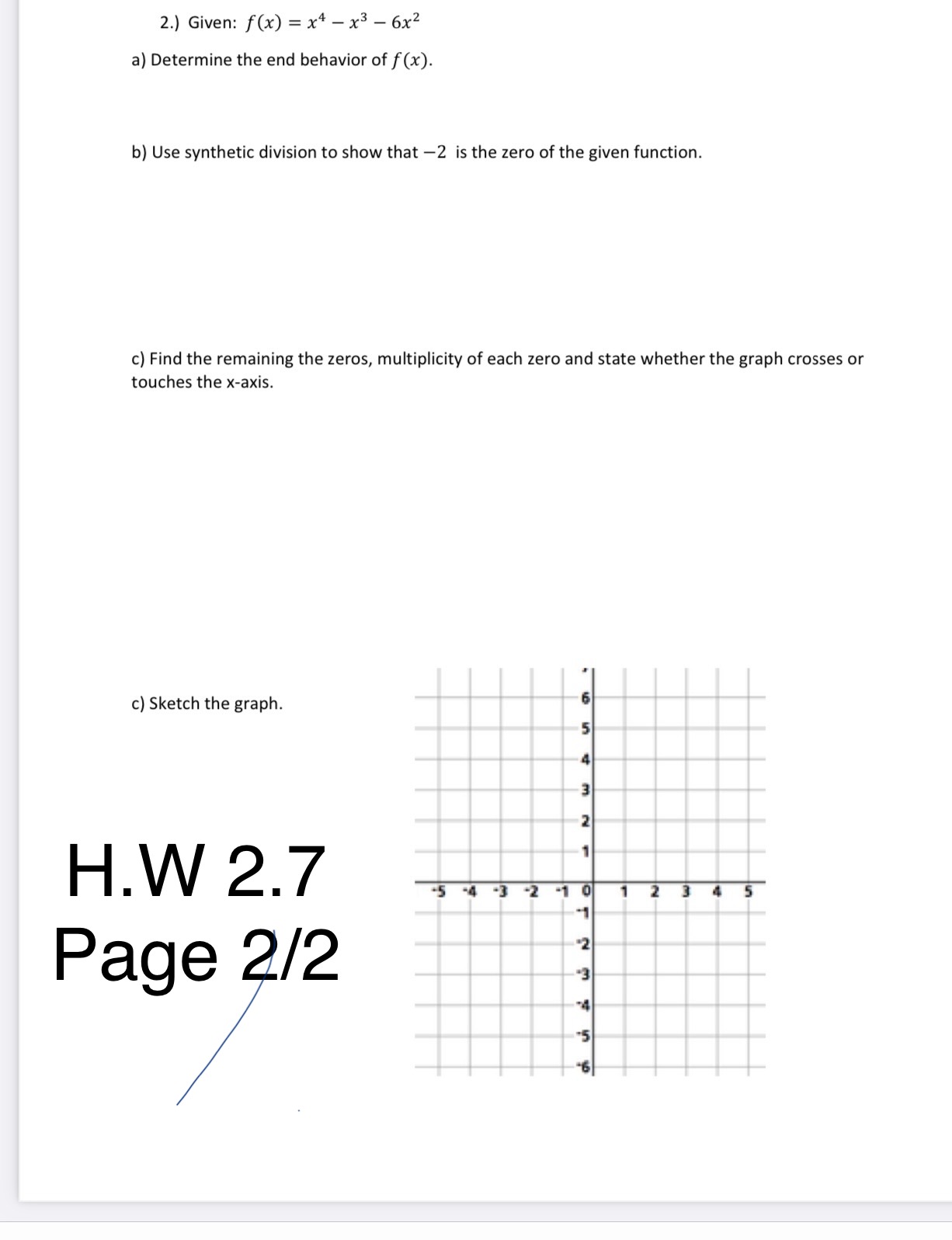
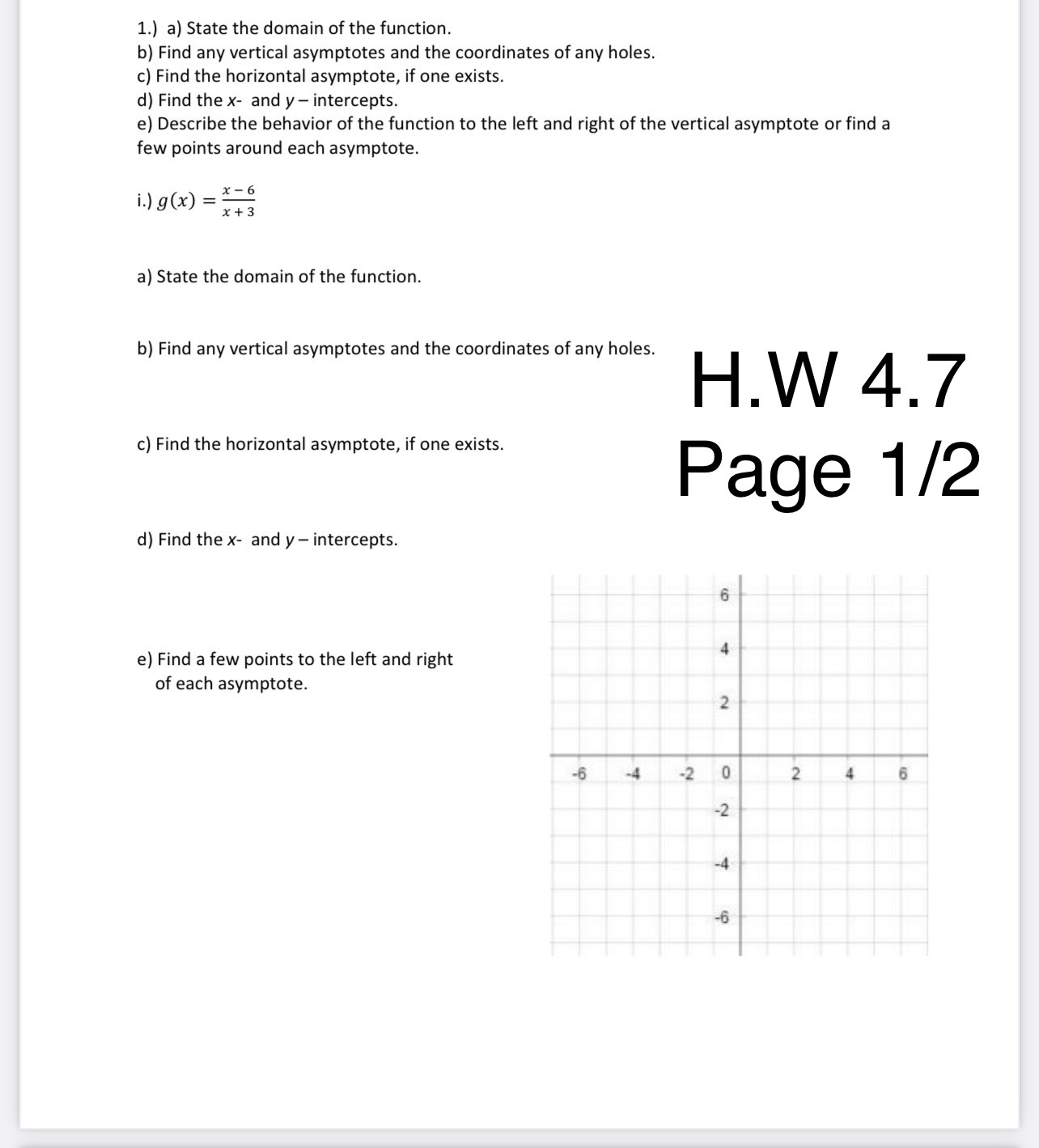
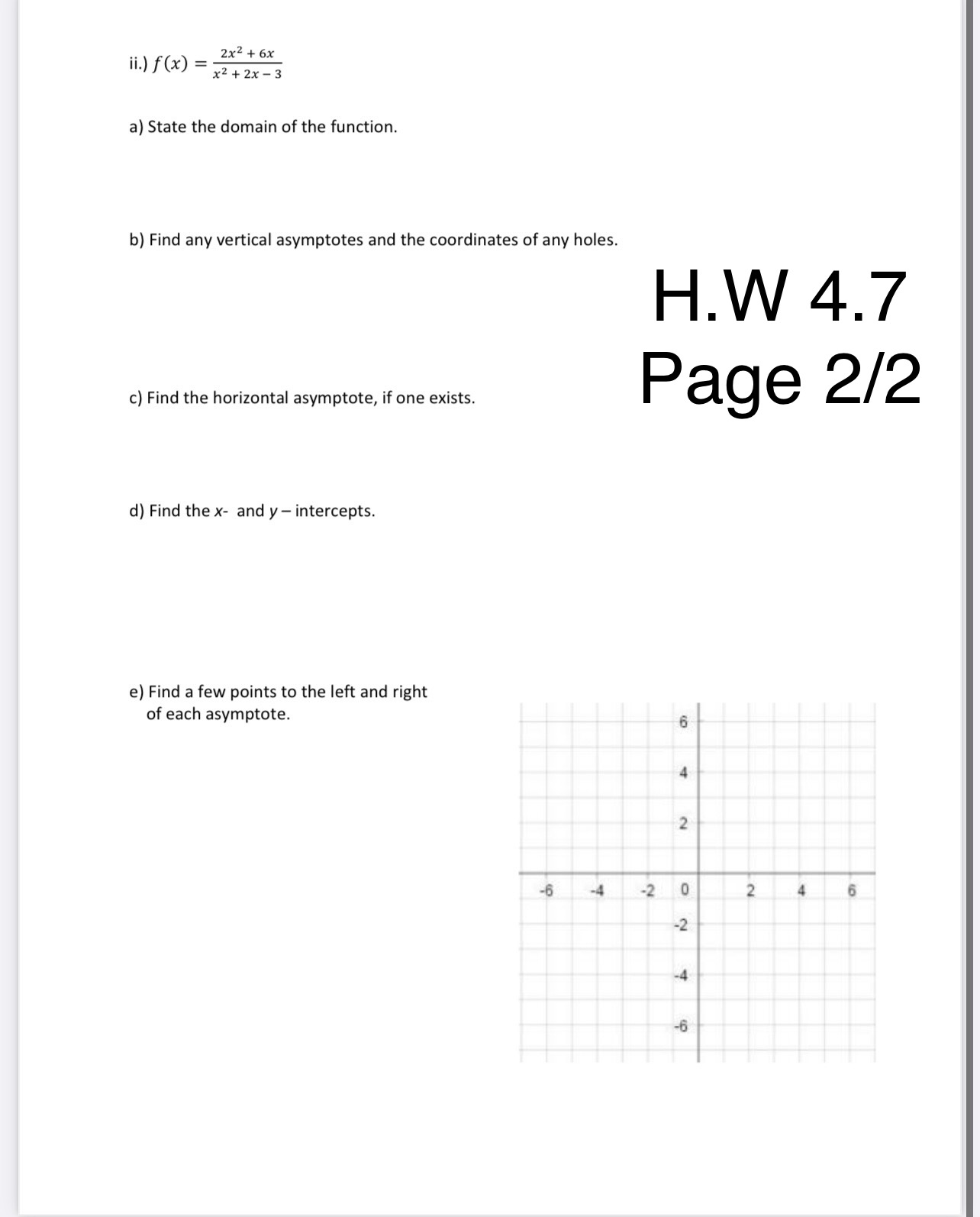
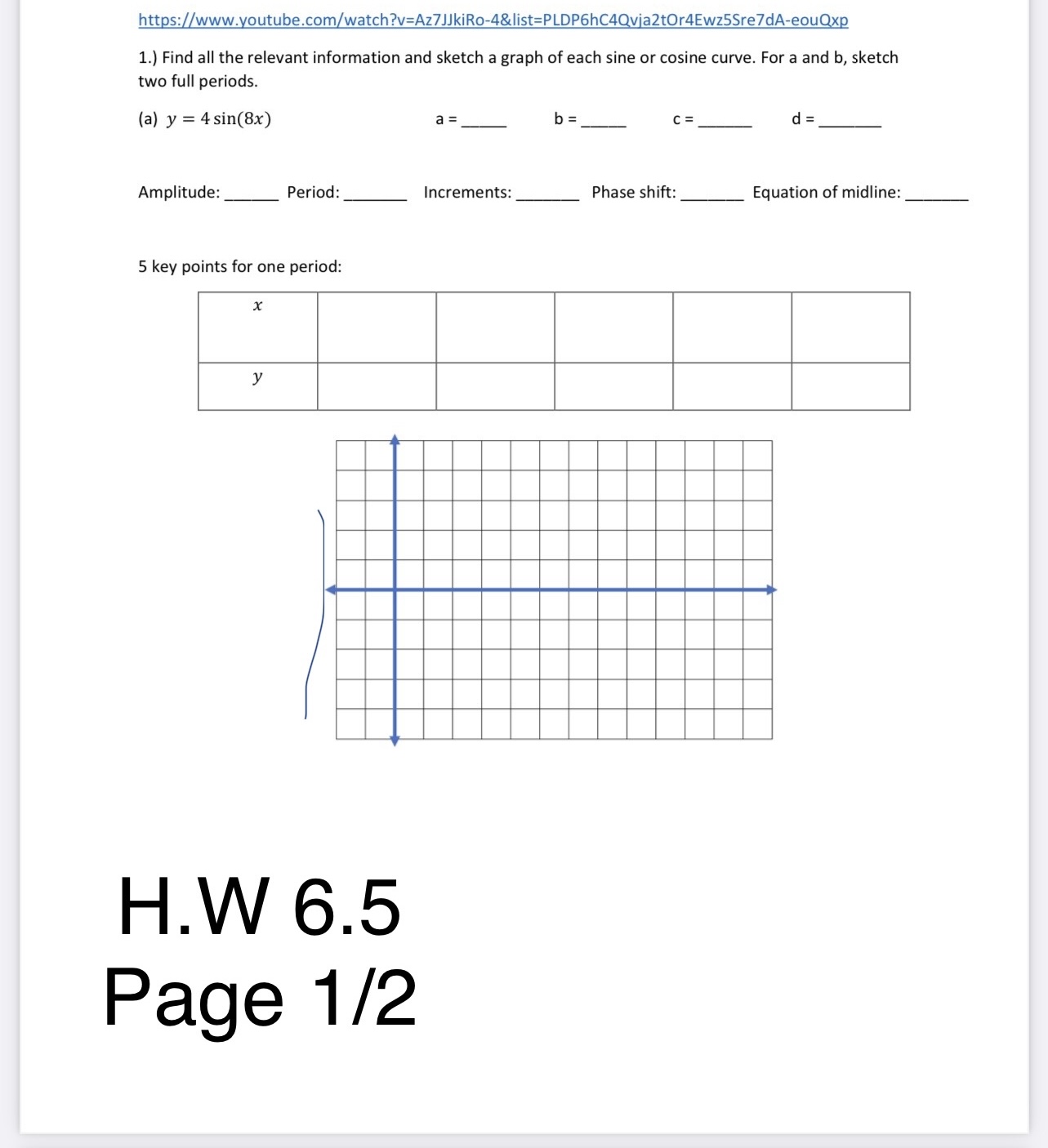
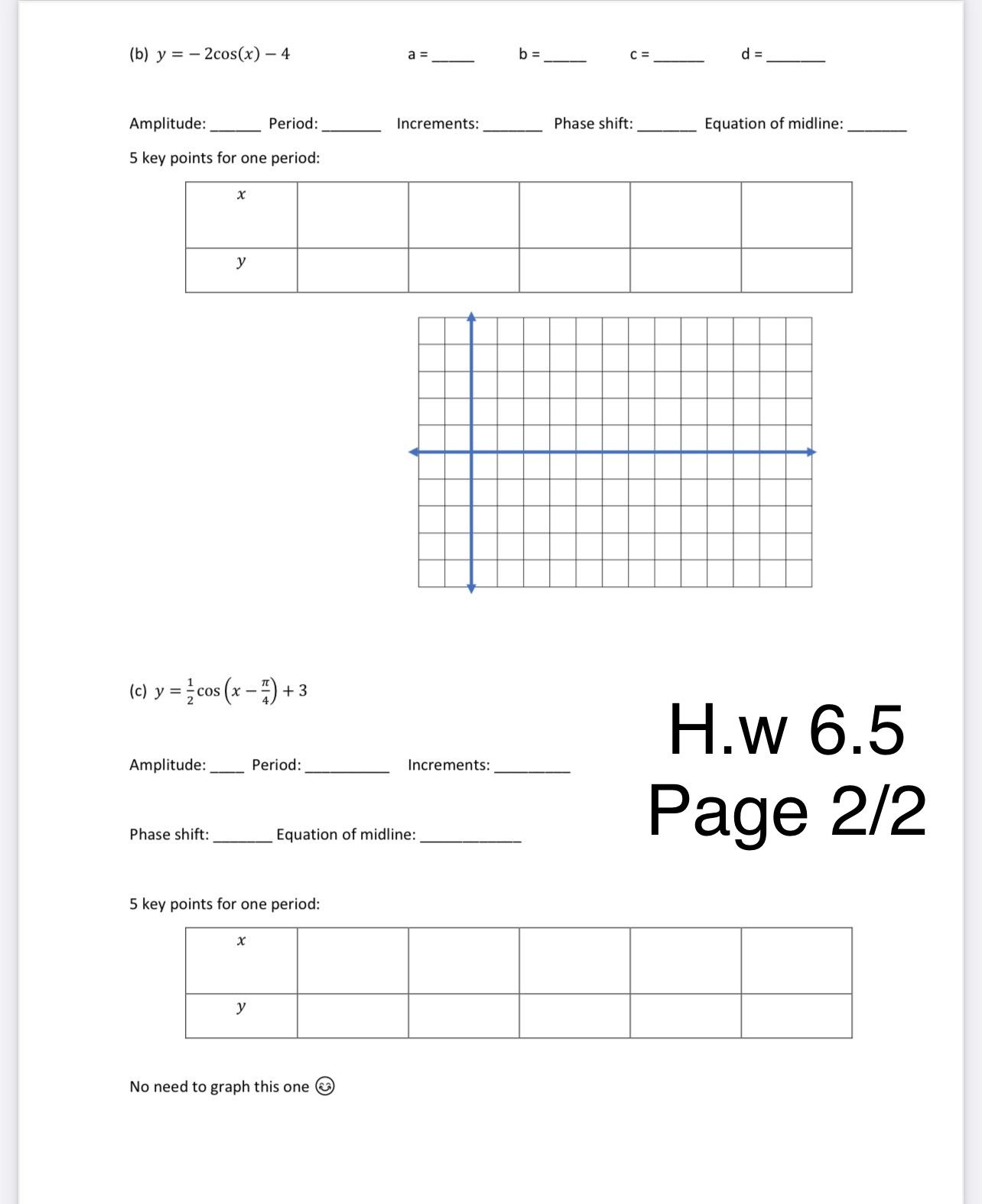
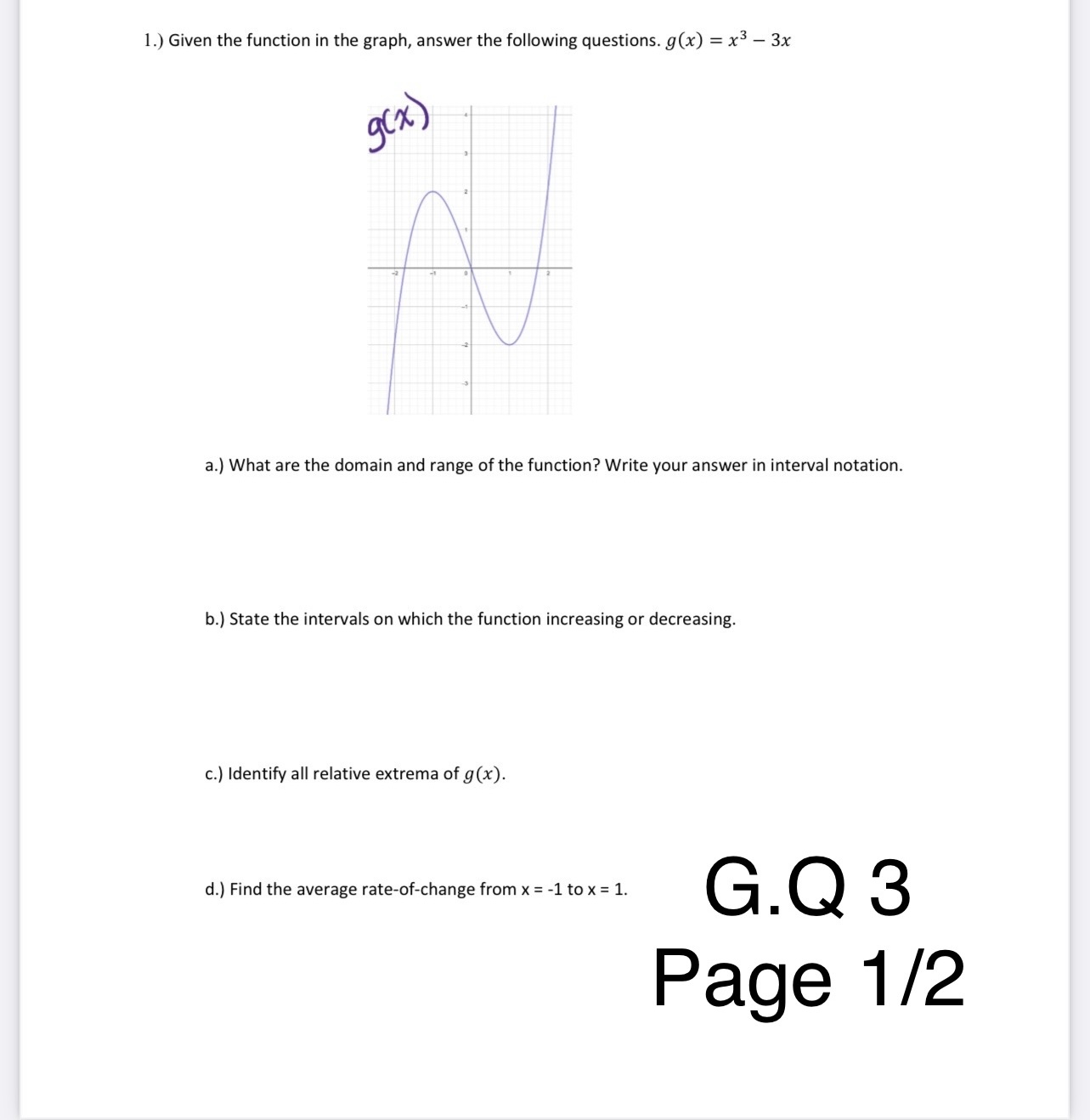
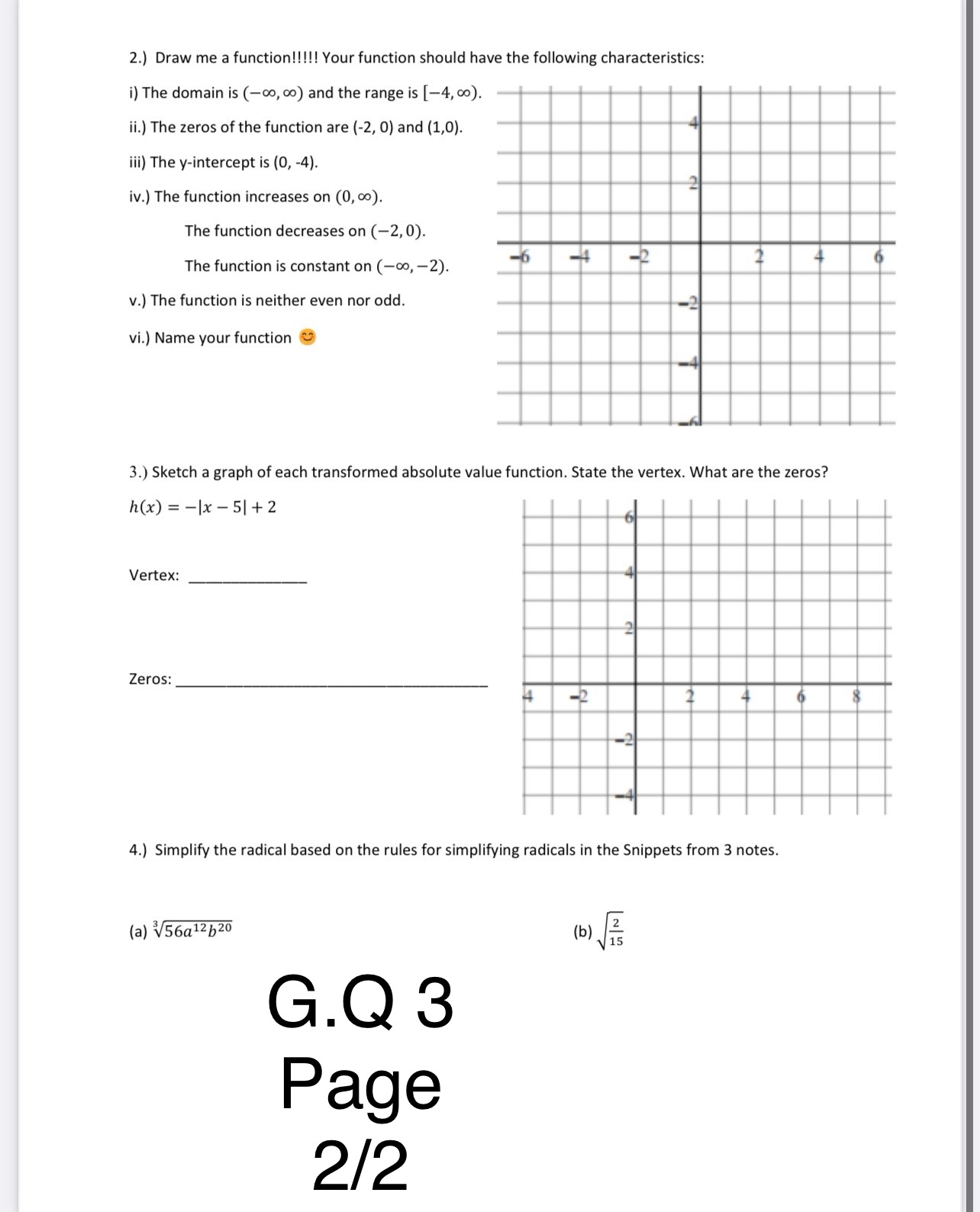
1.) Draw me a beautiful graph of a function that is NOT a polynomial function. Let it fail being a polynomial for two different reasons. Circle or describe the reasons. 2.) Given each function, (a) determine the end behavior of the graph, (b) find the x-intercepts and the multiplicity of each root. Decide whether the graph will touch or cross the x-axis, (c) find the y-intercept, and (d) sketch a (rough) graph of the function. () g(x) = 5 (x + 3)(x 4)? (a) Degree: ; Leading coefficient: ; based on this the end behavior is: (b) the x-intercepts: x-intercept Multiplicity Bounce or cross? (c) the y-intercept: (d) A graph based on everything from parts a above: (i) g(x) = x?(x + 5)%(x 1)(x 4) (a) Degree: ; Leading coefficient: ; based on this the end behavior is: (b) the x-intercepts: X-intercept Multiplicity Bounce or cross? (c) the y-intercept: H W 2 5 (d) A graph based on everything from parts a c above: P E g E 2/2 2.) Given: f(x) = x* x3 6x? a) Determine the end behavior of f(x). b) Use synthetic division to show that 2 is the zero of the given function. ) Find the remaining the zeros, multiplicity of each zero and state whether the graph crosses or touches the x-axis. c) Sketch the graph. HW 2.7 Page 2/2 1.) a) State the domain of the function. b) Find any vertical asymptotes and the coordinates of any holes. c) Find the horizontal asymptote, if one exists. d) Find the x- and y intercepts. e) Describe the behavior of the function to the left and right of the vertical asymptote or find a few points around each asymptote. i) g(x) = a) State the domain of the function. b) Find any vertical asymptotes and the coordinates of any holes. I I n W I u ; c) Find the horizontal asymptote, if one exists. P 1 /2 d) Find the x- and y intercepts. =] e) Find a few points to the left and right of each asymptote. ro -6 ii.) f ( x ) = - 2x2+ 6x x2 + 2x - 3 a) State the domain of the function. b) Find any vertical asymptotes and the coordinates of any holes. H.W 4.7 c) Find the horizontal asymptote, if one exists. Page 2/2 d) Find the x- and y - intercepts. e) Find a few points to the left and right of each asymptote. N -6 -4 -2 0 2 4 6 -6https://www.youtube.com/watch?v=Az7JJkiRo-4&list=PLDP6hC4Qvja2tOr4Ewz5Sre7dA-eouQxp 1.) Find all the relevant information and sketch a graph of each sine or cosine curve. For a and b, sketch two full periods. (a) y = 4 sin(8x) a =_ b = _ C = d= Amplitude: Period: Increments: Phase shift: Equation of midline: 5 key points for one period: y H.W 6.5 Page 1/2(b) y = 2cos(x) 4 a= b= c= d= Amplitude: Period: Increments: Phase shift: Equation of midline: 5 key points for one period: (c) y=%c05(x%)+3 H.w 6.5 Amplitude: Period: Increments: Phase shift: Equation of midline: I age 2/2 5 key points for one period: No need to graph this one @ 1.) Given the function in the graph, answer the following questions. g(x) = x3 - 3x g(x) A a.) What are the domain and range of the function? Write your answer in interval notation. b.) State the intervals on which the function increasing or decreasing. c.) Identify all relative extrema of g(x). d.) Find the average rate-of-change from x = -1 to x = 1. G.Q3 Page 1/2i) The domain is (c0, ) and the range is [4, ). ii.) The zeros of the function are (-2, 0) and (1,0). iii) The y-intercept is (0, -4). iv.) The function increases on (0, ). The function decreases on (-2, 0). The function is constant on (eo, 2). v.) The function is neither even nor odd. vi.) Name your function & h(x)=|x-5|+2 Vertex: Zeros: 4.) Simplify the radical based on the rules for simplifying radicals in the Snippets from 3 notes. (a) V56a12p20 (b) Jli_s G.Q3 Page 2/2
Step by Step Solution
There are 3 Steps involved in it

Get step-by-step solutions from verified subject matter experts
 Study Help