







Question: *In C language* Most computers on the internet have a 32 bit Internet Protocol version 4 (IPv4) address. As reading these addresses would be difficult
*In C language*
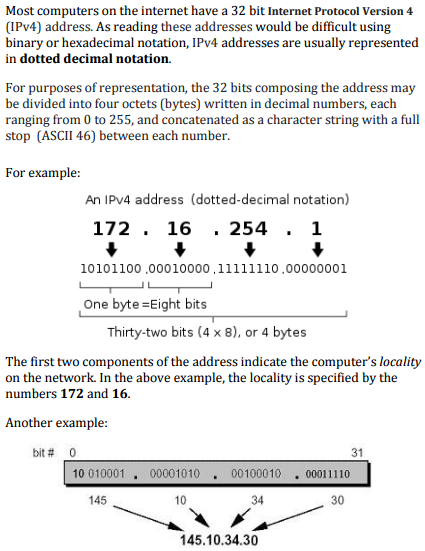
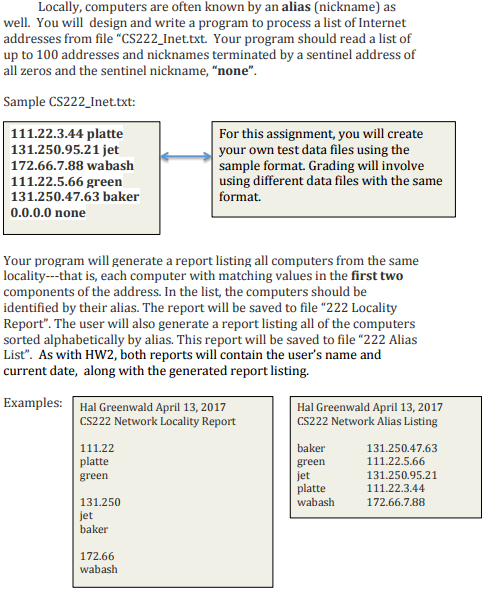
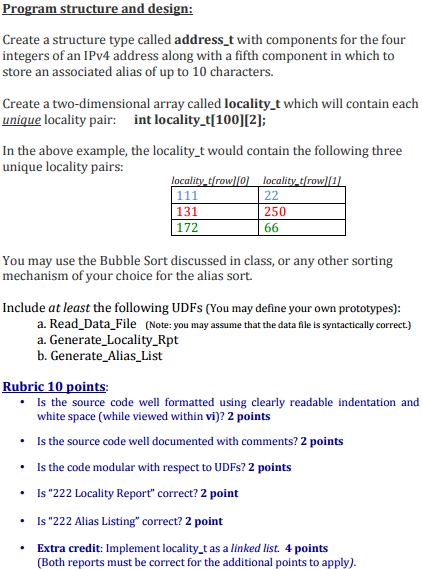
Most computers on the internet have a 32 bit Internet Protocol version 4 (IPv4) address. As reading these addresses would be difficult using binary or hexadecimal notation, IPv4 addresses are usually represented in dotted decimal notation. For purposes of representation, the 32 bits composing the address may be divided into four octets (bytes written in decimal numbers, each ranging from 0 to 255, and concatenated as a character string with a full stop (ASCII 46) between each number. For example: An IPv4 address (dotted decimal notation) 172 16 254 1 10101100.00010000 llllll10.00000001 one byte Eight bits Thirty-two bits (4 x 8), or 4 bytes The first two components of the address indicate the computer's locality on the network. In the above example, the locality is specified by the numbers 172 and 16 Another example: bit 0 31 10 010001 00001010 00100010 00011110 145 10 34 30 145.10.34.30
Step by Step Solution
There are 3 Steps involved in it

Get step-by-step solutions from verified subject matter experts
 Study Help