







Question: in python Question 2: What's the weather like? Many things nowadays rely on storing and handling data. Data exists on many different platforms and in
in python
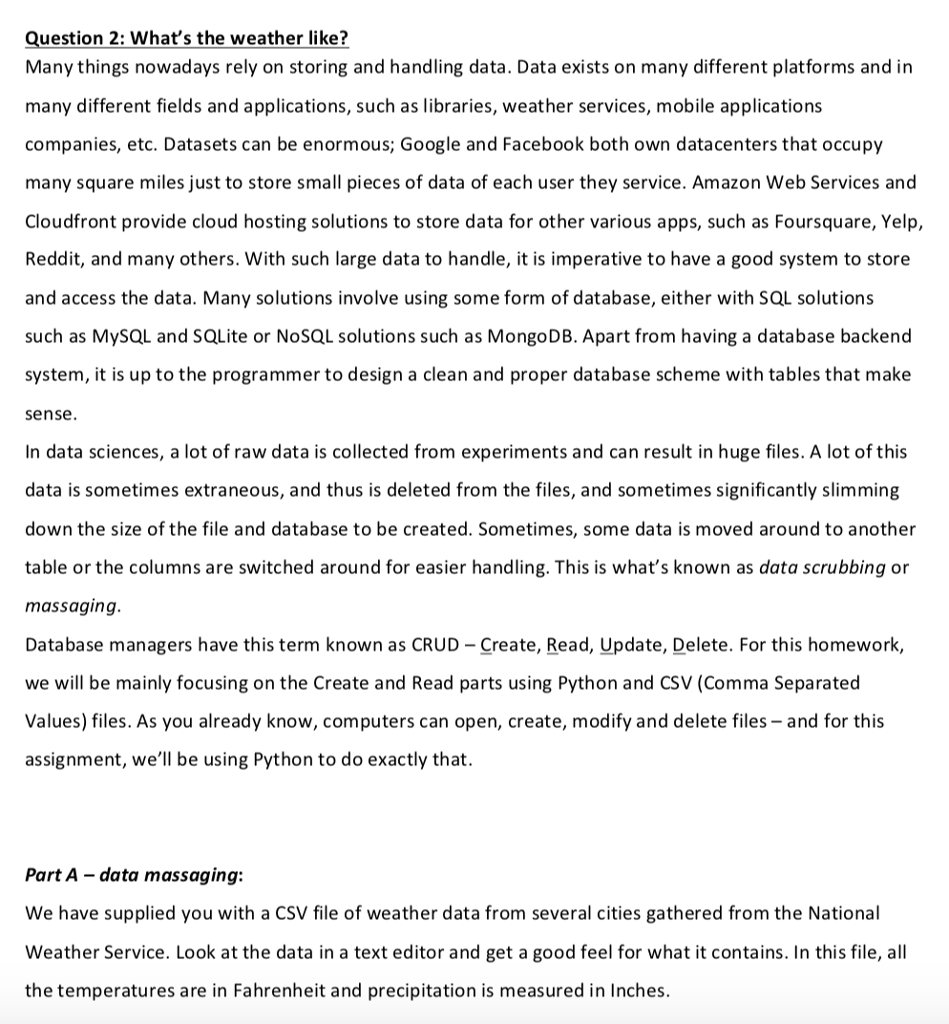
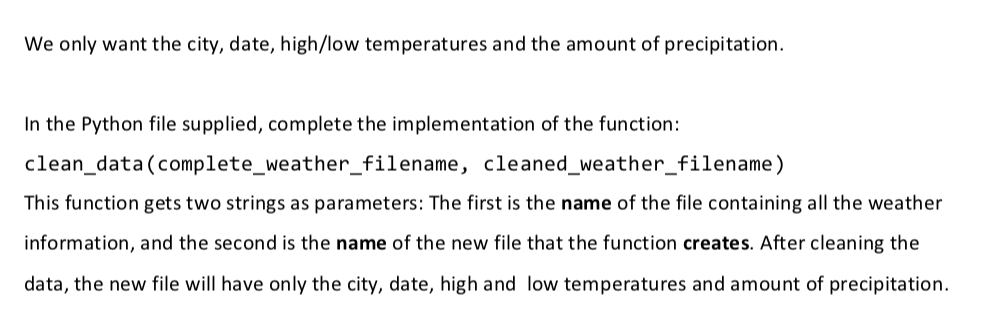
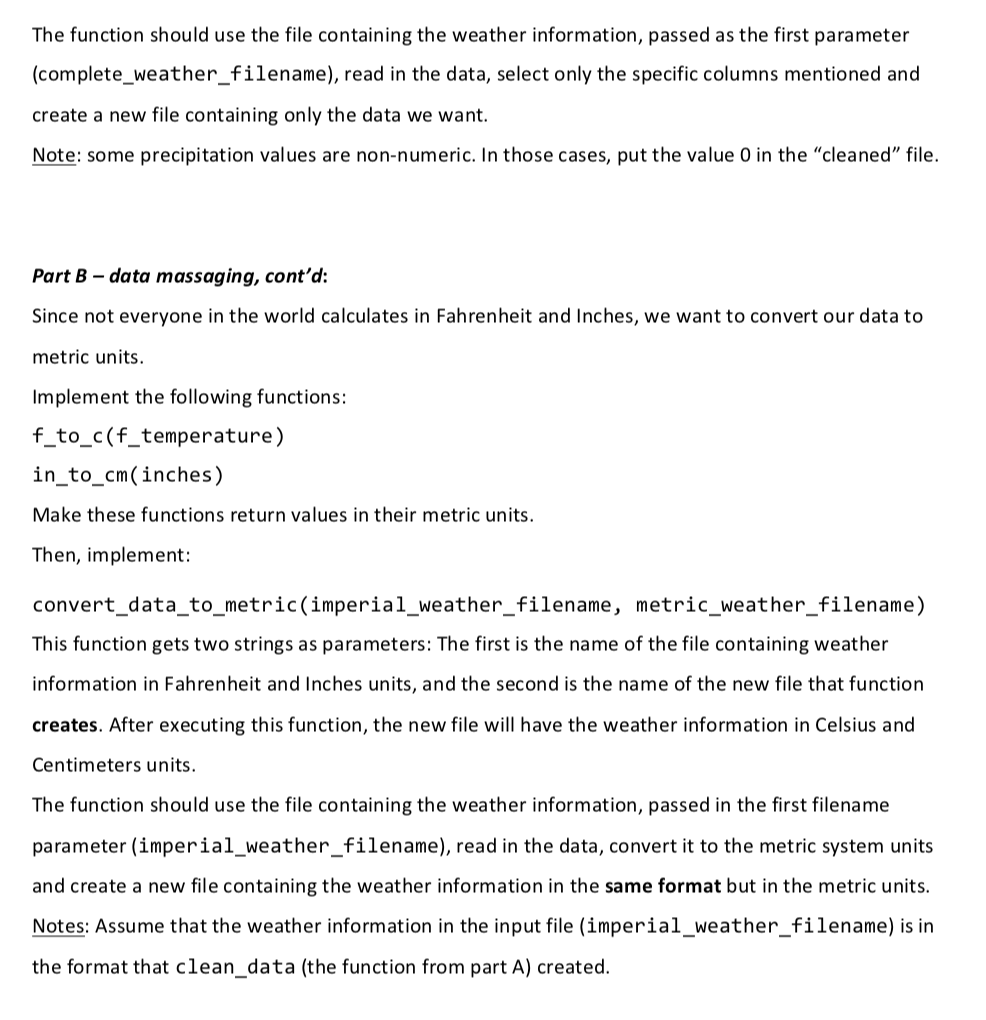
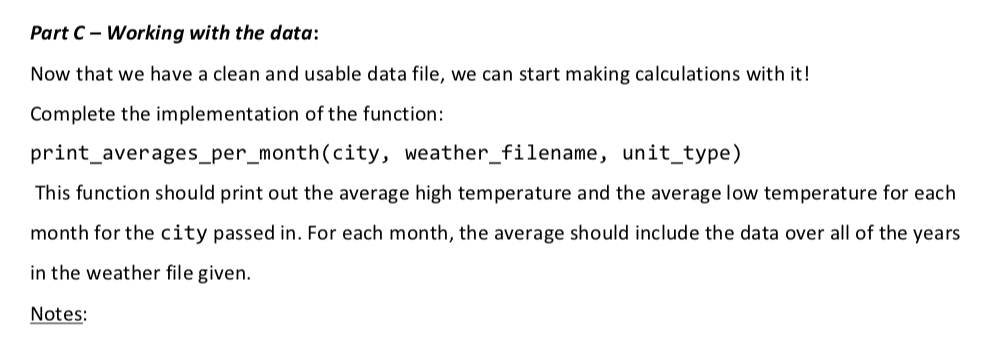
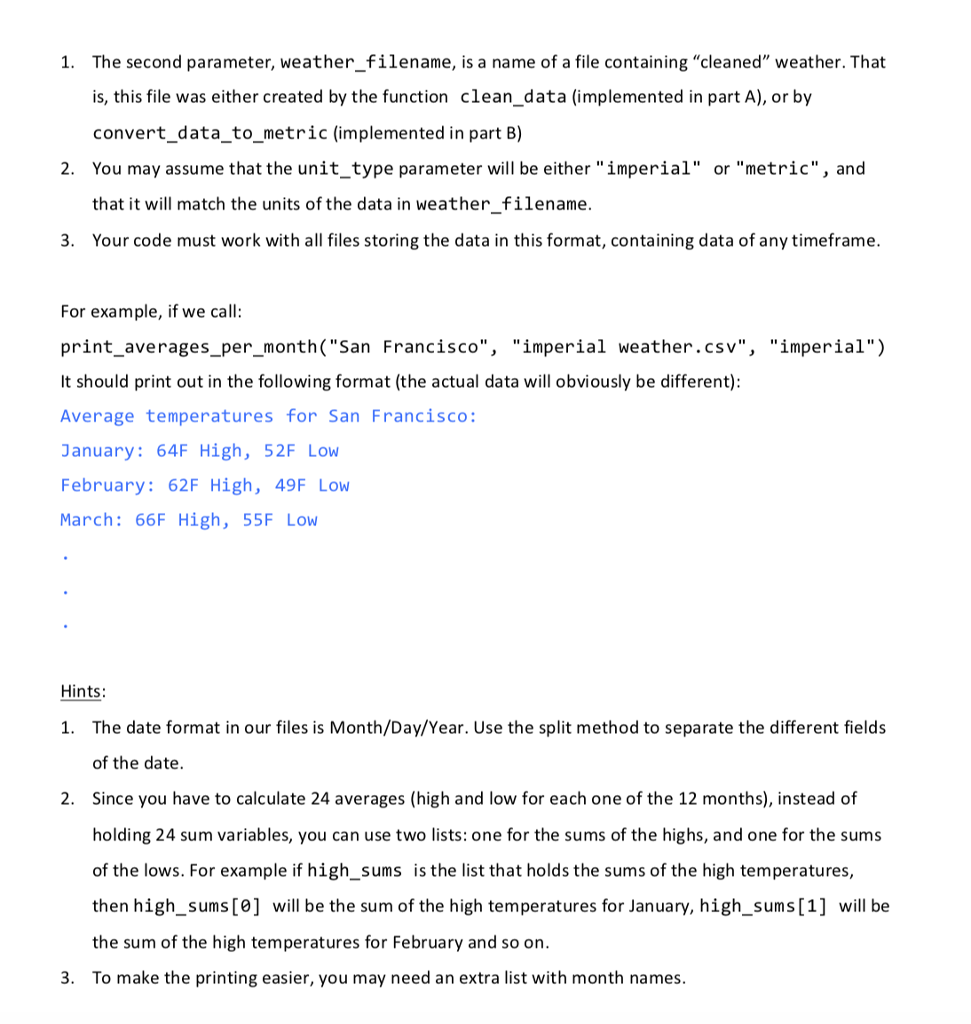
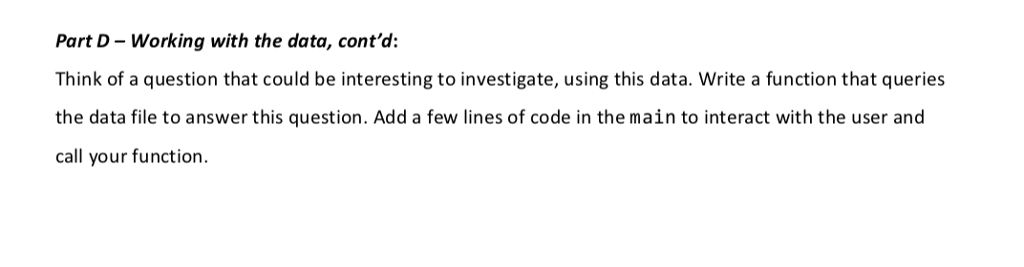
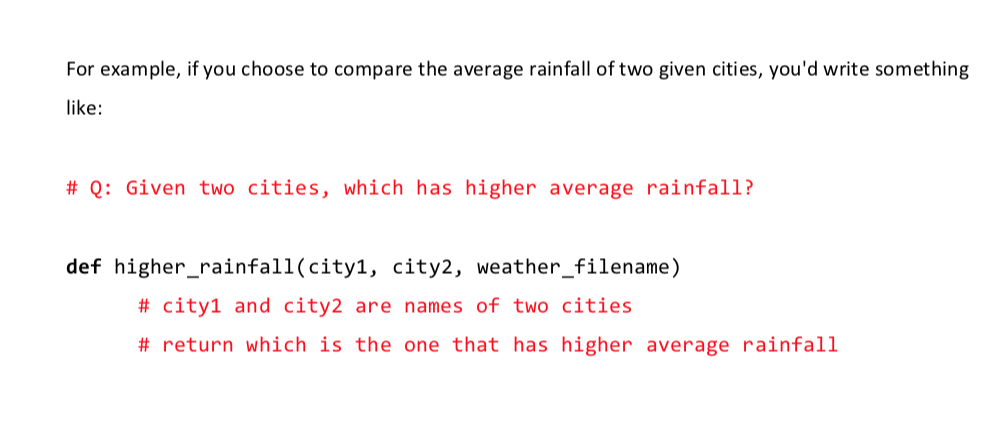
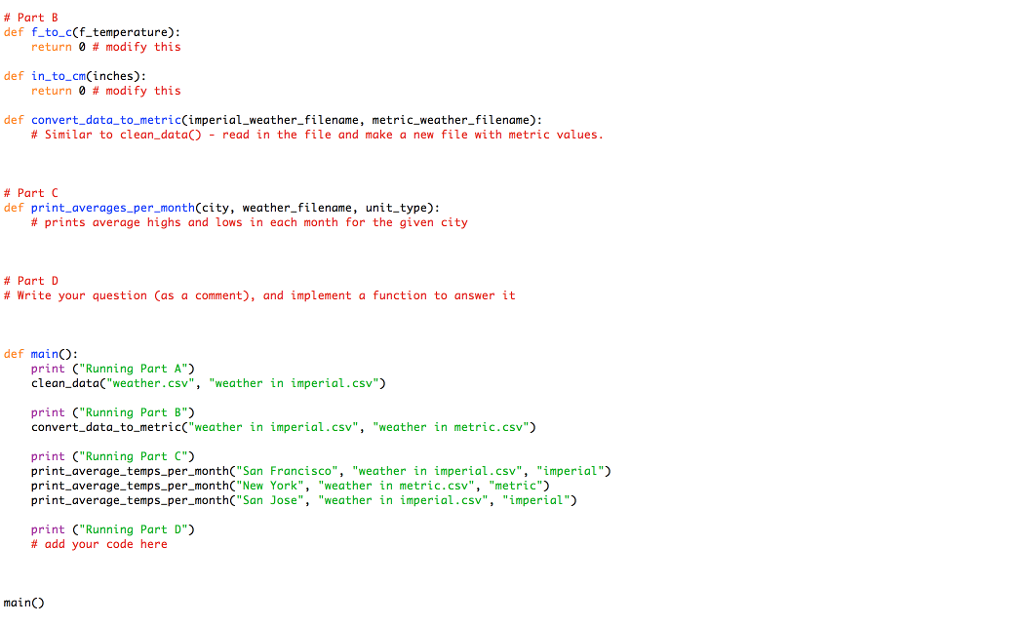
Question 2: What's the weather like? Many things nowadays rely on storing and handling data. Data exists on many different platforms and in many different fields and applications, such as libraries, weather services, mobile applications companies, etc. Datasets can be enormous; Google and Facebook both own datacenters that occupy many square miles just to store small pieces of data of each user they service. Amazon Web Services and Cloudfront provide cloud hosting solutions to store data for other various apps, such as Foursquare, Yelp, Reddit, and many others. With such large data to handle, it is imperative to have a good system to store and access the data. Many solutions involve using some form of database, either with SQL solutions such as MySQL and SQLite or NoSQL solutions such as MongoDB. Apart from having a database backend system, it is up to the programmer to design a clean and proper database scheme with tables that make sense In data sciences, a lot of raw data is collected from experiments and can result in huge files. A lot of this data is sometimes extraneous, and thus is deleted from the files, and sometimes significantly slimming down the size of the file and database to be created. Sometimes, some data is moved around to another table or the columns are switched around for easier handling. This is what's known as data scrubbing or massaging Database managers have this term known as CRUD - Create, Read, Update, Delete. For this homework we will be mainly focusing on the Create and Read parts using Python and CSV (Comma Separated Values) files. As you already know, computers can open, create, modify and delete files-and for this assignment, we'll be using Python to do exactly that Part A - data massaging: We have supplied you with a CSV file of weather data from several cities gathered from the National Weather Service. Look at the data in a text editor and get a good feel for what it contains. In this file, all the temperatures are in Fahrenheit and precipitation is measured in Inches. Question 2: What's the weather like? Many things nowadays rely on storing and handling data. Data exists on many different platforms and in many different fields and applications, such as libraries, weather services, mobile applications companies, etc. Datasets can be enormous; Google and Facebook both own datacenters that occupy many square miles just to store small pieces of data of each user they service. Amazon Web Services and Cloudfront provide cloud hosting solutions to store data for other various apps, such as Foursquare, Yelp, Reddit, and many others. With such large data to handle, it is imperative to have a good system to store and access the data. Many solutions involve using some form of database, either with SQL solutions such as MySQL and SQLite or NoSQL solutions such as MongoDB. Apart from having a database backend system, it is up to the programmer to design a clean and proper database scheme with tables that make sense In data sciences, a lot of raw data is collected from experiments and can result in huge files. A lot of this data is sometimes extraneous, and thus is deleted from the files, and sometimes significantly slimming down the size of the file and database to be created. Sometimes, some data is moved around to another table or the columns are switched around for easier handling. This is what's known as data scrubbing or massaging Database managers have this term known as CRUD - Create, Read, Update, Delete. For this homework we will be mainly focusing on the Create and Read parts using Python and CSV (Comma Separated Values) files. As you already know, computers can open, create, modify and delete files-and for this assignment, we'll be using Python to do exactly that Part A - data massaging: We have supplied you with a CSV file of weather data from several cities gathered from the National Weather Service. Look at the data in a text editor and get a good feel for what it contains. In this file, all the temperatures are in Fahrenheit and precipitation is measured in Inches
Step by Step Solution
There are 3 Steps involved in it

Get step-by-step solutions from verified subject matter experts
 Study Help