







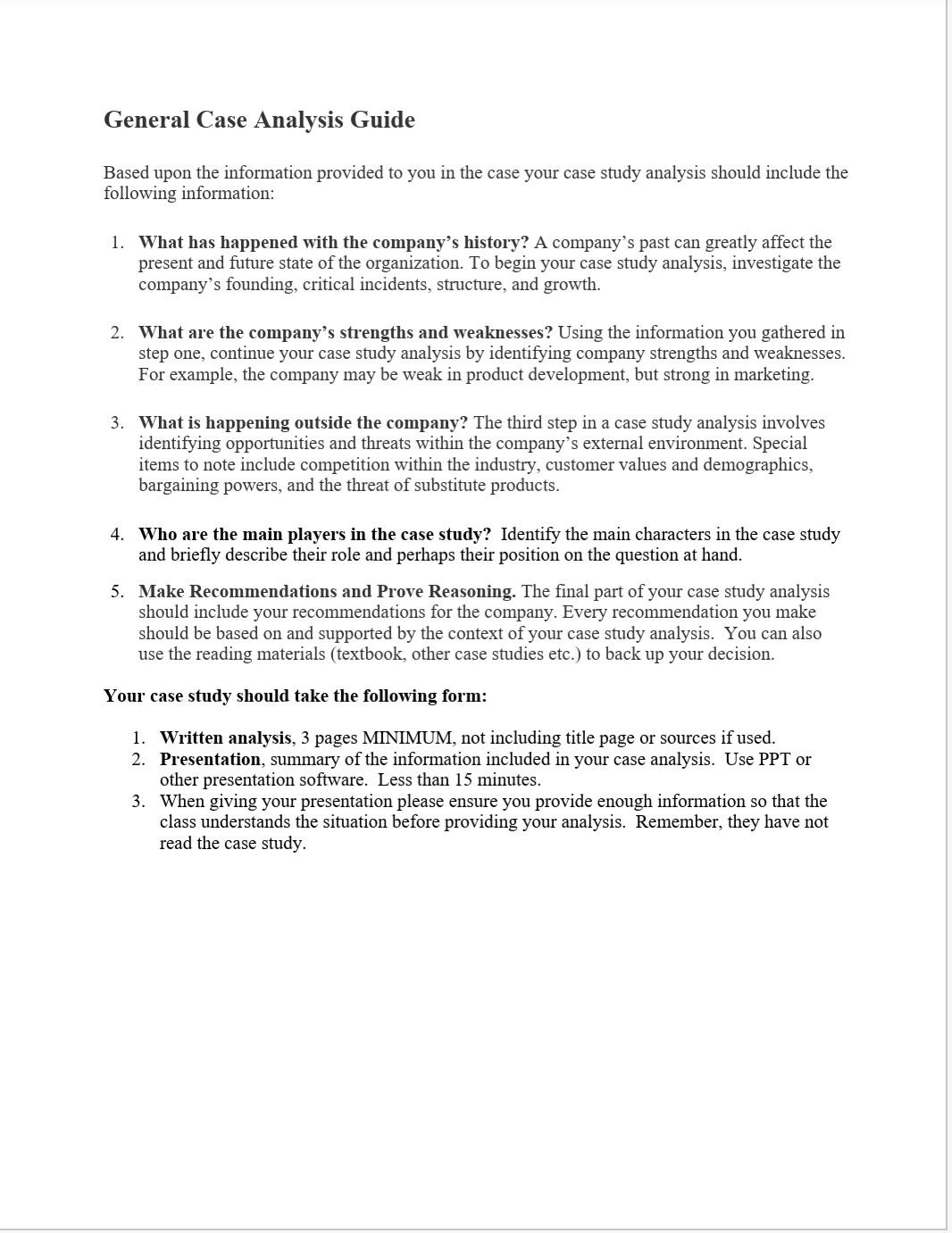
Question: instructions on the first page. General Case Analysis Guide Based upon the information provided to you in the case your case study analysis should include
instructions on the first page.
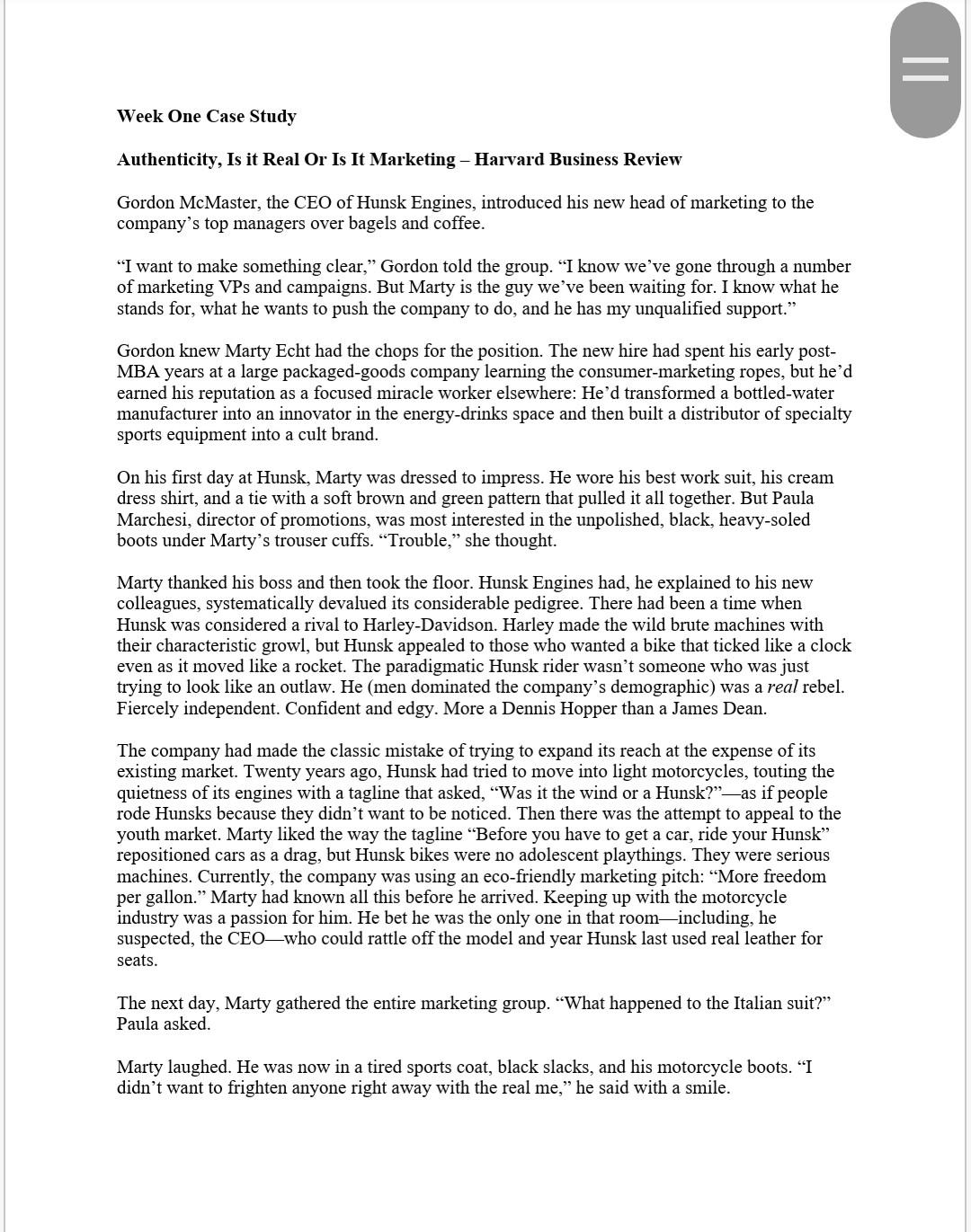
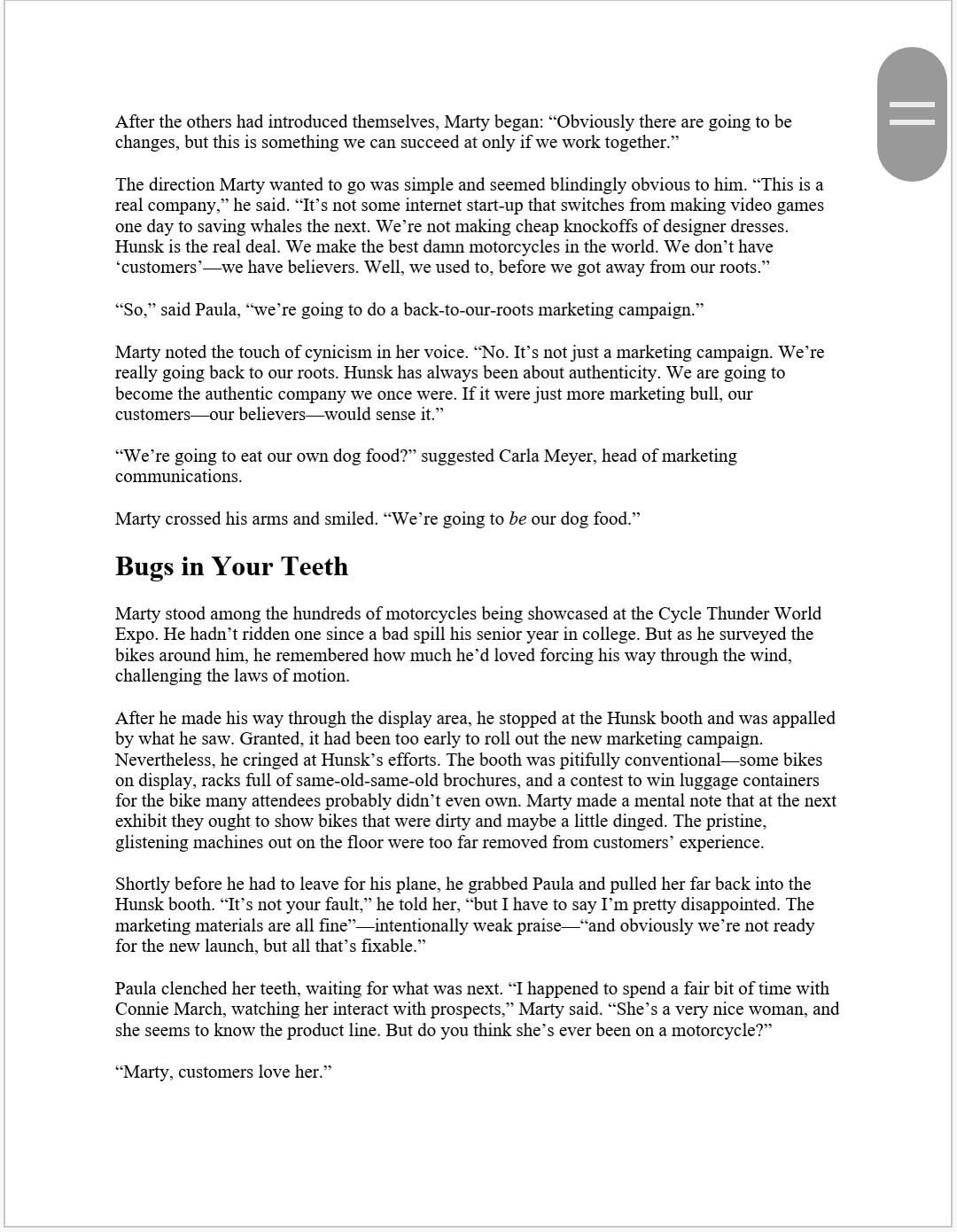
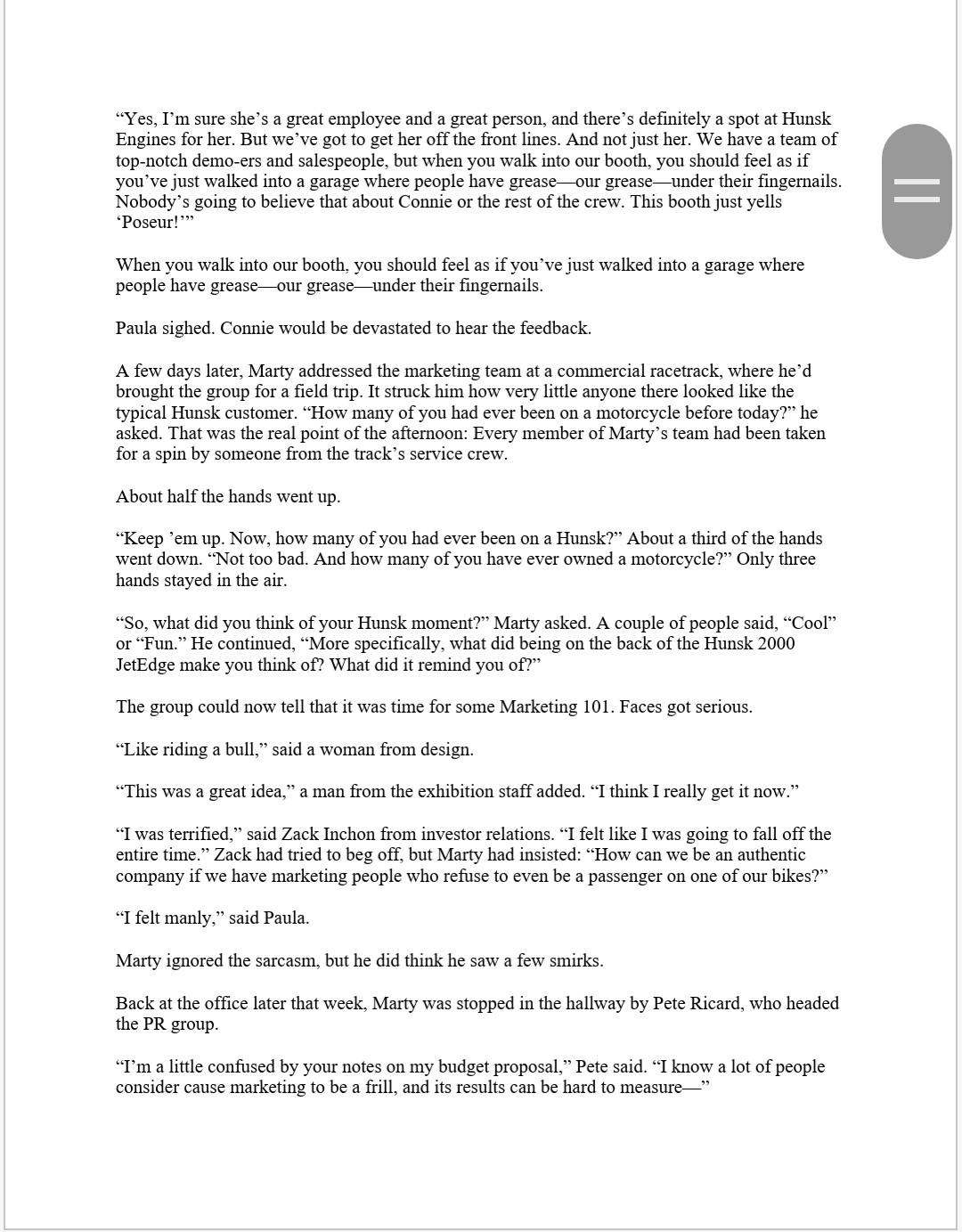
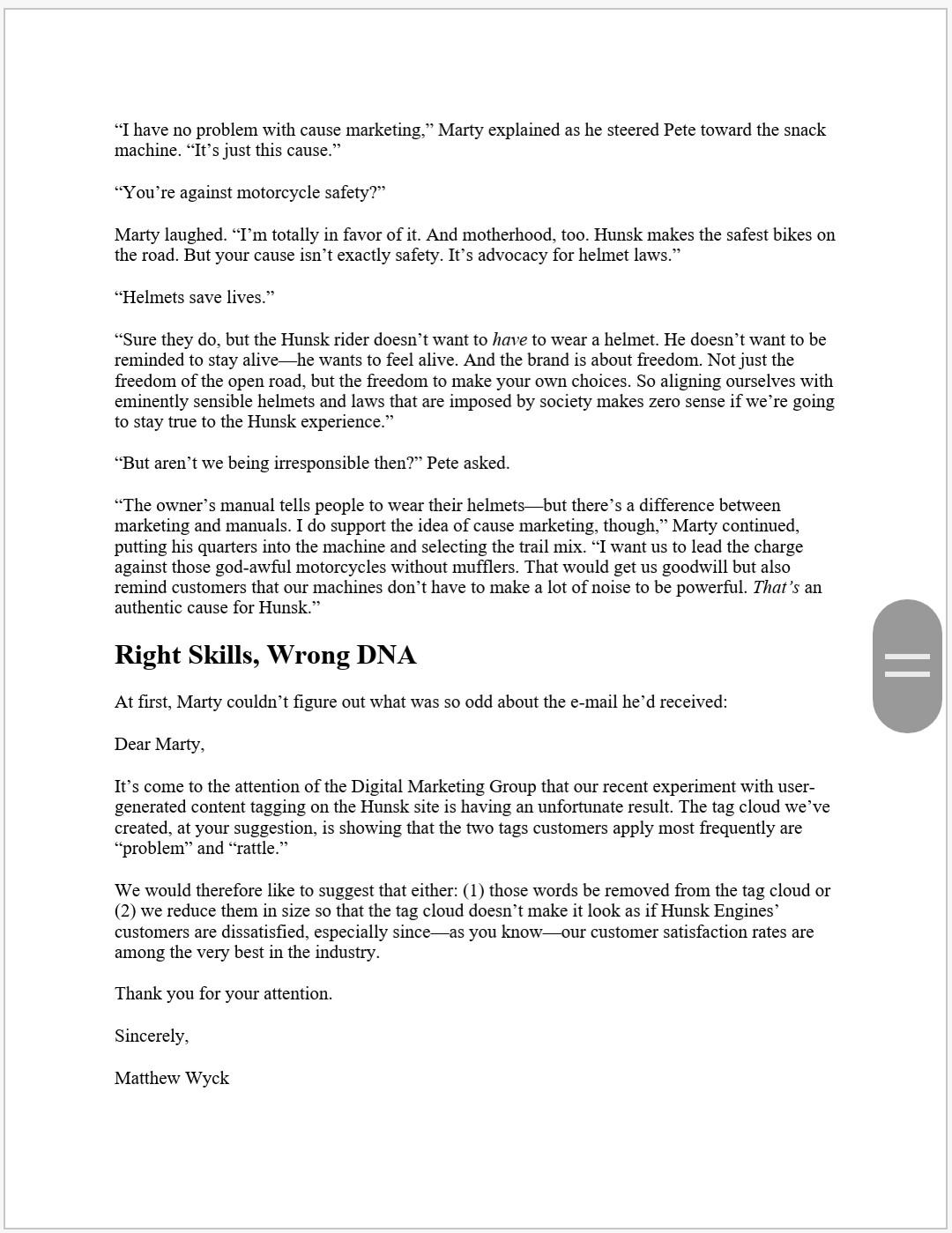
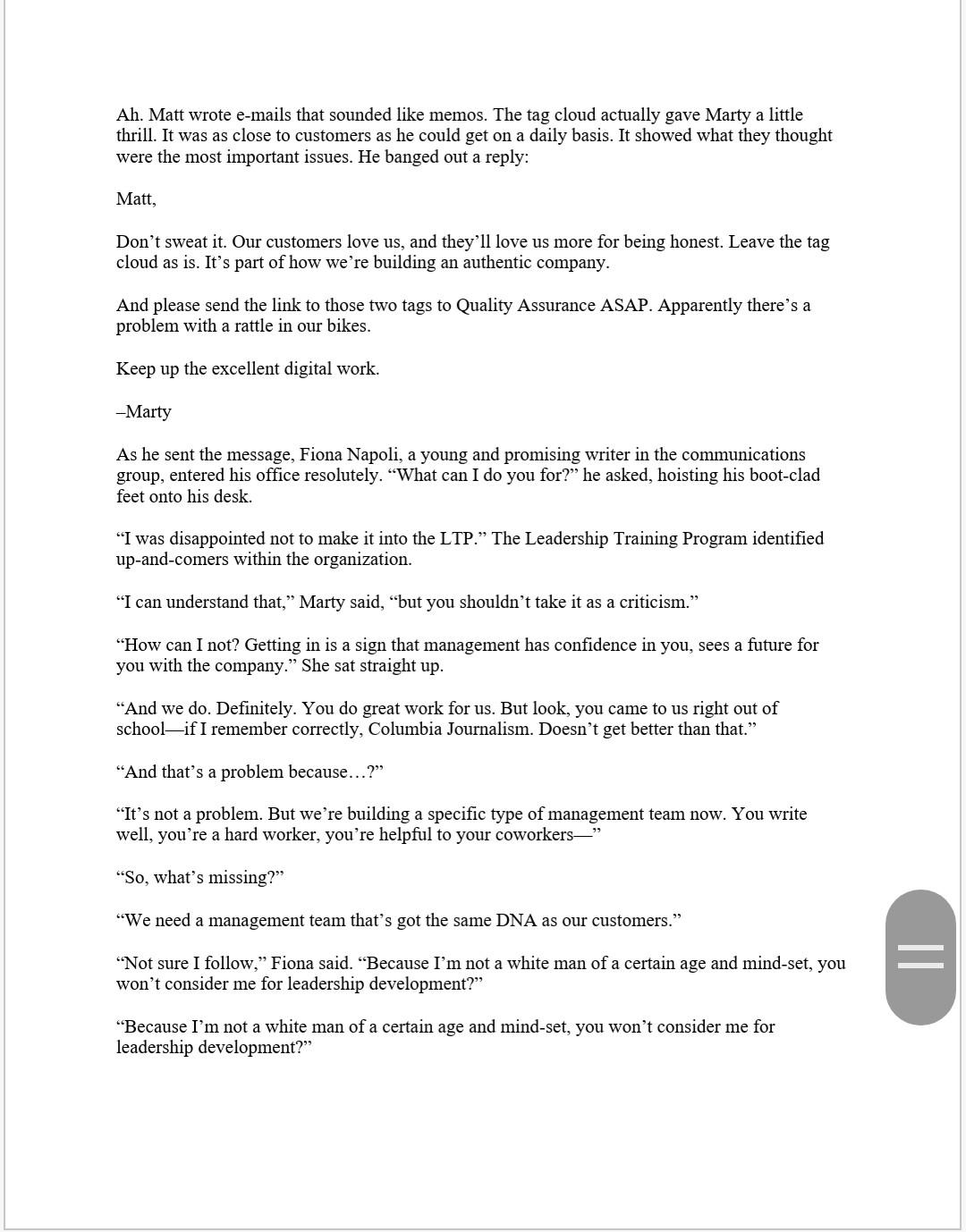
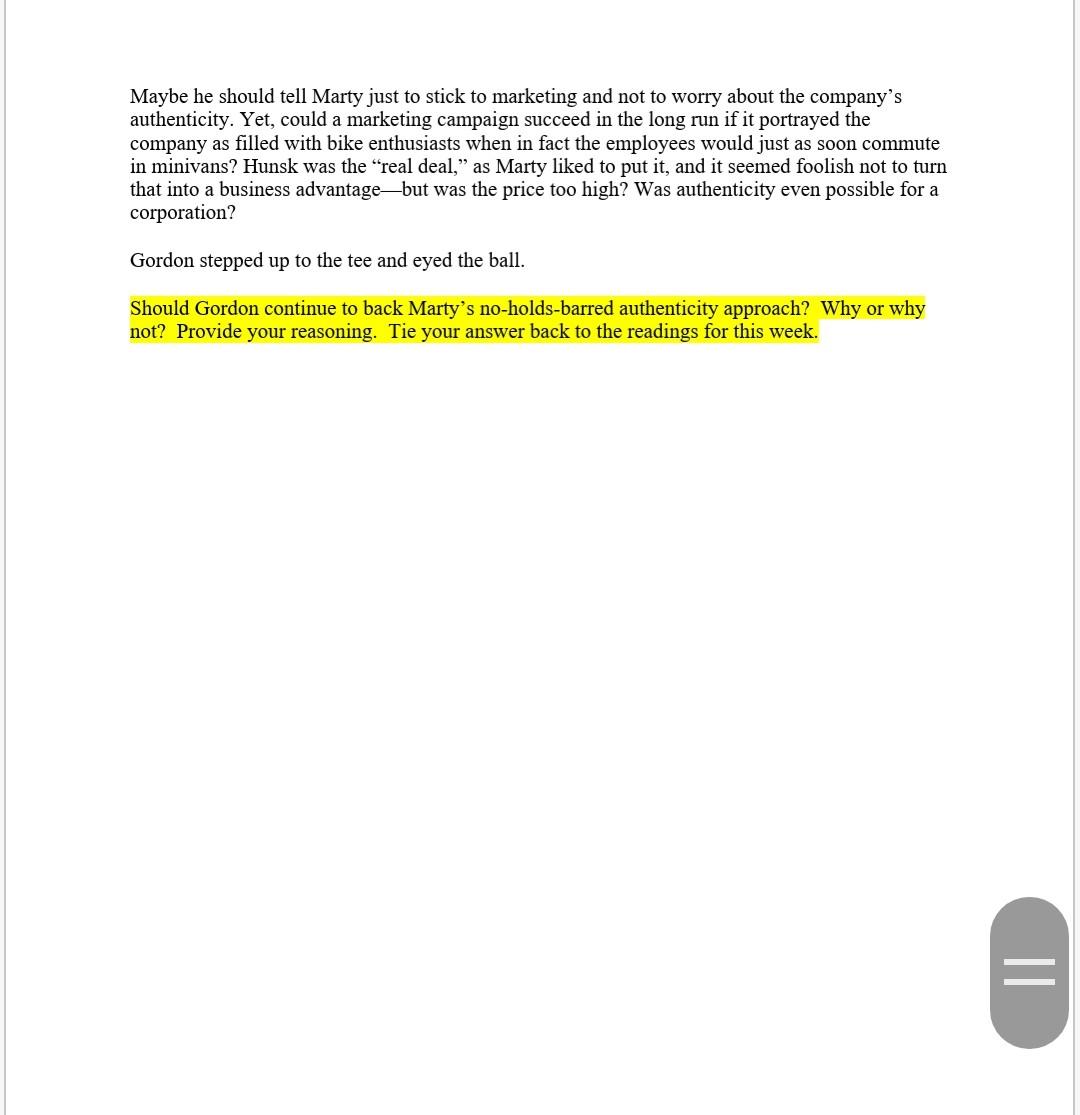
General Case Analysis Guide Based upon the information provided to you in the case your case study analysis should include the following information: 1. What has happened with the company's history? A company's past can greatly affect the present and future state of the organization. To begin your case study analysis, investigate the company's founding, critical incidents, structure, and growth. 2. What are the company's strengths and weaknesses? Using the information you gathered in step one, continue your case study analysis by identifying company strengths and weaknesses. For example, the company may be weak in product development, but strong in marketing. 3. What is happening outside the company? The third step in a case study analysis involves identifying opportunities and threats within the company's external environment. Special items to note include competition within the industry, customer values and demographics, bargaining powers, and the threat of substitute products. 4. Who are the main players in the case study? Identify the main characters in the case study and briefly describe their role and perhaps their position on the question at hand. 5. Make Recommendations and Prove Reasoning. The final part of your case study analysis should include your recommendations for the company. Every recommendation you make should be based on and supported by the context of your case study analysis. You can also use the reading materials (textbook, other case studies etc.) to back up your decision. Your case study should take the following form: 1. Written analysis, 3 pages MINIMUM, not including title page or sources if used. 2. Presentation, summary of the information included in your case analysis. Use PPT or other presentation software. Less than 15 minutes. 3. When giving your presentation please ensure you provide enough information so that the class understands the situation before providing your analysis. Remember, they have not read the case study. = Week One Case Study Authenticity, Is it Real Or Is It Marketing - Harvard Business Review Gordon McMaster, the CEO of Hunsk Engines, introduced his new head of marketing to the company's top managers over bagels and coffee. "I want to make something clear, Gordon told the group. "I know we've gone through a number of marketing VPs and campaigns. But Marty is the guy we've been waiting for. I know what he stands for, what he wants to push the company to do, and he has my unqualified support." Gordon knew Marty Echt had the chops for the position. The new hire had spent his early post- MBA years at a large packaged-goods company learning the consumer-marketing ropes, but he'd earned his reputation as a focused miracle worker elsewhere: He'd transformed a bottled water manufacturer into an innovator in the energy-drinks space and then built a distributor of specialty sports equipment into a cult brand. On his first day at Hunsk, Marty was dressed to impress. He wore his best work suit, his cream dress shirt, and a tie with a soft brown and green pattern that pulled it all together. But Paula Marchesi, director of promotions, was most interested in the unpolished, black, heavy-soled boots under Marty's trouser cuffs. Trouble, she thought. Marty thanked his boss and then took the floor. Hunsk Engines had, he explained to his new colleagues, systematically devalued its considerable pedigree. There had been a time when Hunsk was considered a rival to Harley-Davidson. Harley made the wild brute machines with their characteristic growl, but Hunsk appealed to those who wanted a bike that ticked like a clock even as it moved like a rocket. The paradigmatic Hunsk rider wasn't someone who was just trying to look like an outlaw. He (men dominated the company's demographic) was a real rebel. Fiercely independent. Confident and edgy. More a Dennis Hopper than a James Dean. The company had made the classic mistake of trying to expand its reach at the expense of its existing market. Twenty years ago, Hunsk had tried to move into light motorcycles, touting the quietness of its engines with a tagline that asked, "Was it the wind or a Hunsk?as if people rode Hunsks because they didn't want to be noticed. Then there was the attempt to appeal to the youth market. Marty liked the way the tagline "Before you have to get a car, ride your Hunsk repositioned cars as a drag, but Hunsk bikes were no adolescent playthings. They were serious machines. Currently, the company was using an eco-friendly marketing pitch: "More freedom per gallon." Marty had known all this before he arrived. Keeping up with the motorcycle industry was a passion for him. He bet he was the only one in that roomincluding, he suspected, the CEOwho could rattle off the model and year Hunsk last used real leather for seats. The next day, Marty gathered the entire marketing group. What happened to the Italian suit?" Paula asked. Marty laughed. He was now in a tired sports coat, black slacks, and his motorcycle boots. I didn't want to frighten anyone right away with the real me," he said with a smile. After the others had introduced themselves, Marty began: "Obviously there are going to be changes, but this is something we can succeed at only if we work together." = The direction Marty wanted to go was simple and seemed blindingly obvious to him. This is a real company, he said. It's not some internet start-up that switches from making video games one day to saving whales the next. We're not making cheap knockoffs of designer dresses. Hunsk is the real deal. We make the best damn motorcycles in the world. We don't have "customers'we have believers. Well, we used to, before we got away from our roots." So," said Paula, "we're going to do a back-to-our-roots marketing campaign." Marty noted the touch of cynicism in her voice. "No. It's not just a marketing campaign. We're really going back to our roots. Hunsk has always been about authenticity. We are going to become the authentic company we once were. If it were just more marketing bull, our customersour believerswould sense it." We're going to eat our own dog food?" suggested Carla Meyer, head of marketing communications. Marty crossed his arms and smiled. We're going to be our dog food." Bugs in Your Teeth Marty stood among the hundreds of motorcycles being showcased at the Cycle Thunder World Expo. He hadn't ridden one since a bad spill his senior year in college. But as he surveyed the bikes around him, he remembered how much he'd loved forcing his way through the wind, challenging the laws of motion. After he made his way through the display area, he stopped at the Hunsk booth and was appalled by what he saw. Granted, it had been too early to roll out the new marketing campaign. Nevertheless, he cringed at Hunsk's efforts. The booth was pitifully conventionalsome bikes on display, racks full of same-old-same-old brochures, and a contest to win luggage containers for the bike many attendees probably didn't even own. Marty made a mental note that at the next exhibit they ought to show bikes that were dirty and maybe a little dinged. The pristine, glistening machines out on the floor were too far removed from customers' experience. Shortly before he had to leave for his plane, he grabbed Paula and pulled her far back into the Hunsk booth. It's not your fault, he told her, but I have to say I'm pretty disappointed. The marketing materials are all fine"intentionally weak praise"and obviously we're not ready for the new launch, but all that's fixable." Paula clenched her teeth, waiting for what was next. I happened to spend a fair bit of time with Connie March, watching her interact with prospects," Marty said. She's a very nice woman, and she seems to know the product line. But do you think she's ever been on a motorcycle?" "Marty, customers love her." "Yes, I'm sure she's a great employee and a great person, and there's definitely a spot at Hunsk Engines for her. But we've got to get her off the front lines. And not just her. We have a team of top-notch demo-ers and salespeople, but when you walk into our booth, you should feel as if you've just walked into a garage where people have grease our greaseunder their fingernails. Nobody's going to believe that about Connie or the rest of the crew. This booth just yells "Poseur!"" II When you walk into our booth, you should feel as if you've just walked into a garage where people have grease-our greaseunder their fingernails. Paula sighed. Connie would be devastated to hear the feedback. A few days later, Marty addressed the marketing team at a commercial racetrack, where he'd brought the group for a field trip. It struck him how very little anyone there looked like the typical Hunsk customer. "How many of you had ever been on a motorcycle before today? he asked. That was the real point of the afternoon: Every member of Marty's team had been taken for a spin by someone from the track's service crew. About half the hands went up. Keep 'em up. Now, how many of you had ever been on a Hunsk?" About a third of the hands went down. "Not too bad. And how many of you have ever owned a motorcycle?" Only three hands stayed in the air. So, what did you think of your Hunsk moment?" Marty asked. A couple of people said, Cool or Fun." He continued, More specifically, what did being on the back of the Hunsk 2000 JetEdge make you think of? What did it remind you of?" The group could now tell that it was time for some Marketing 101. Faces got serious. "Like riding a bull," said a woman from design. "This was a great idea," a man from the exhibition staff added. "I think I really get it now. "I was terrified," said Zack Inchon from investor relations. "I felt like I was going to fall off the entire time." Zack had tried to beg off, but Marty had insisted: "How can we be an authentic company if we have marketing people who refuse to even be a passenger on one of our bikes? "I felt manly, said Paula. Marty ignored the sarcasm, but he did think he saw a few smirks. Back at the office later that week, Marty was stopped in the hallway by Pete Ricard, who headed the PR group. "I'm a little confused by your notes on my budget proposal, Pete said. I know a lot of people consider cause marketing to be a frill, and its results can be hard to measure "I have no problem with cause marketing," Marty explained as he steered Pete toward the snack machine. It's just this cause." "Youre against motorcycle safety?" Marty laughed. I'm totally in favor of it. And motherhood, too. Hunsk makes the safest bikes on the road. But your cause isn't exactly safety. It's advocacy for helmet laws." "Helmets save lives." "Sure they do, but the Hunsk rider doesn't want to have to wear a helmet. He doesn't want to be reminded to stay alivehe wants to feel alive. And the brand is about freedom. Not just the freedom of the open road, but the freedom to make your own choices. So aligning ourselves with eminently sensible helmets and laws that are imposed by society makes zero sense if we're going to stay true to the Hunsk experience." "But aren't we being irresponsible then?" Pete asked. "The owner's manual tells people to wear their helmetsbut there's a difference between marketing and manuals. I do support the idea of cause marketing, though," Marty continued, putting his quarters into the machine and selecting the trail mix. I want us to lead the charge against those god-awful motorcycles without mufflers. That would get us goodwill but also remind customers that our machines don't have to make a lot of noise to be powerful. That's an authentic cause for Hunsk." Right Skills, Wrong DNA = At first, Marty couldn't figure out what was so odd about the e-mail he'd received: Dear Marty, It's come to the attention of the Digital Marketing Group that our recent experiment with user- generated content tagging on the Hunsk site is having an unfortunate result. The tag cloud we've created, at your suggestion, is showing that the two tags customers apply most frequently are problem and rattle." We would therefore like to suggest that either: (1) those words be removed from the tag cloud or (2) we reduce them in size so that the tag cloud doesn't make it look as if Hunsk Engines customers are dissatisfied, especially sinceas you know-our customer satisfaction rates are among the very best in the industry. Thank you for your attention. Sincerely, Matthew Wyck Ah. Matt wrote e-mails that sounded like memos. The tag cloud actually gave Marty a little thrill. It was as close to customers as he could get on a daily basis. It showed what they thought were the most important issues. He banged out a reply: Matt, Don't sweat it. Our customers love us, and they'll love us more for being honest. Leave the tag cloud as is. It's part of how we're building an authentic company. And please send the link to those two tags to Quality Assurance ASAP. Apparently there's a problem with a rattle in our bikes. Keep up the excellent digital work. -Marty As he sent the message, Fiona Napoli, a young and promising writer in the communications group, entered his office resolutely. "What can I do you for? he asked, hoisting his boot-clad feet onto his desk. "I was disappointed not to make it into the LTP." The Leadership Training Program identified up-and-comers within the organization. "I can understand that," Marty said, but you shouldn't take it as a criticism." How can I not? Getting in is a sign that management has confidence in you, sees a future for you with the company. She sat straight up. "And we do. Definitely. You do great work for us. But look, you came to us right out of schoolif I remember correctly, Columbia Journalism. Doesn't get better than that." "And that's a problem because...?" "It's not a problem. But we're building a specific type of management team now. You write well, you're a hard worker, you're helpful to your coworkers So, what's missing?" "We need a management team that's got the same DNA as our customers." II "Not sure I follow," Fiona said. Because I'm not a white man of a certain age and mind-set, you won't consider me for leadership development?" "Because I'm not a white man of a certain age and mind-set, you won't consider me for leadership development?" Maybe he should tell Marty just to stick to marketing and not to worry about the company's authenticity. Yet, could a marketing campaign succeed in the long run if it portrayed the company as filled with bike enthusiasts when in fact the employees would just as soon commute in minivans? Hunsk was the real deal," as Marty liked to put it, and it seemed foolish not to turn that into a business advantagebut was the price too high? Was authenticity even possible for a corporation? Gordon stepped up to the tee and eyed the ball. Should Gordon continue to back Marty's no-holds-barred authenticity approach? Why or why not? Provide your reasoning. Tie your answer back to the readings for this week. =Step by Step Solution
There are 3 Steps involved in it
1 Expert Approved Answer
Step: 1 Unlock

Question Has Been Solved by an Expert!
Get step-by-step solutions from verified subject matter experts
Step: 2 Unlock
Step: 3 Unlock
 Study Help