







Question: Instructions Please consult the notes on the formatting required and the submission guidelines Individual case submissions (memo and executive summary) must be identified with your

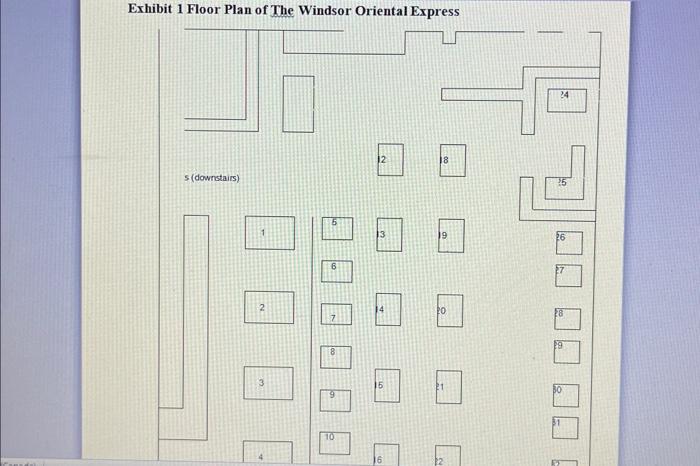
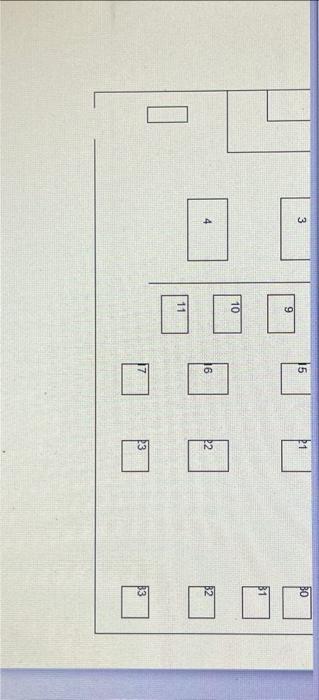
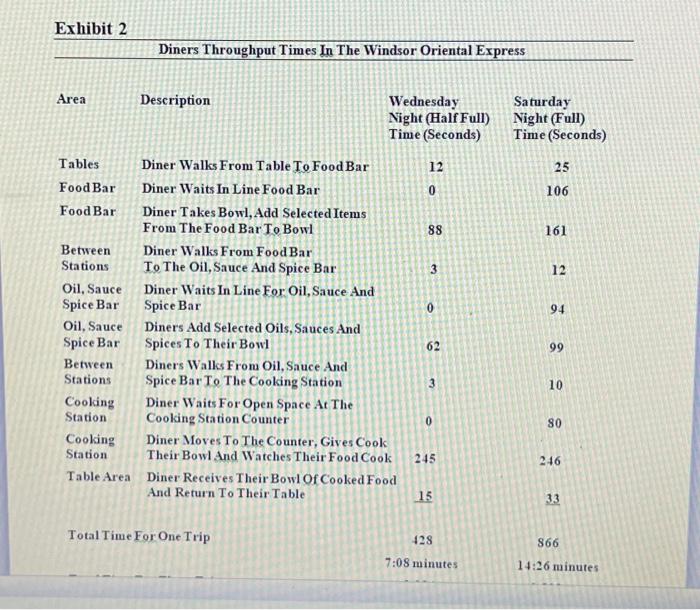
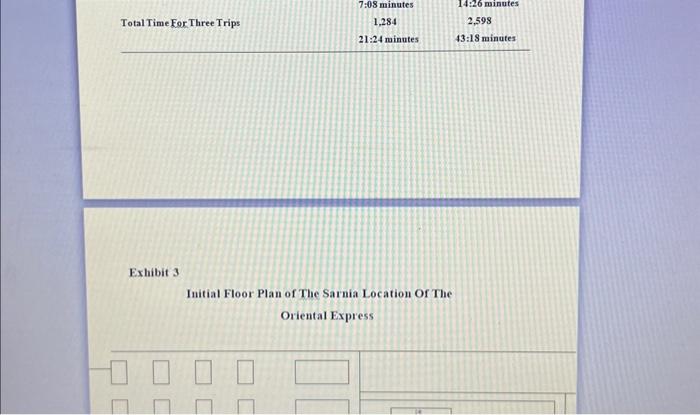
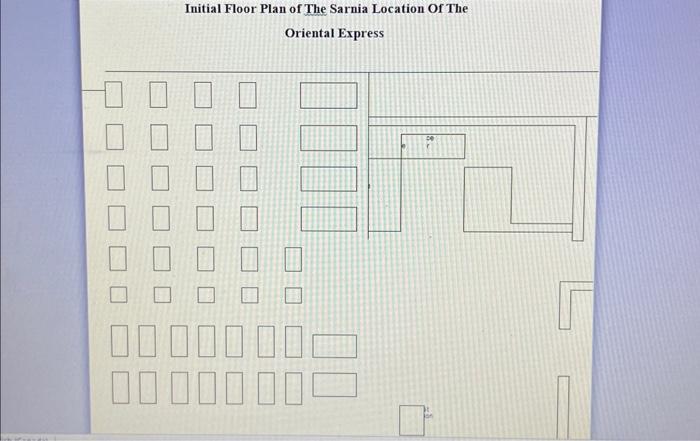
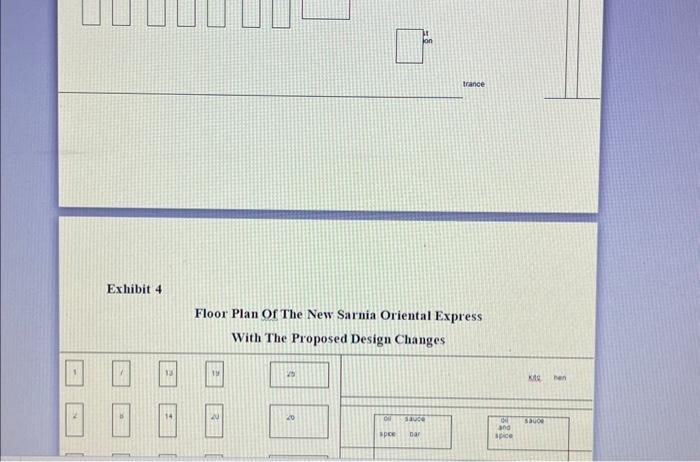
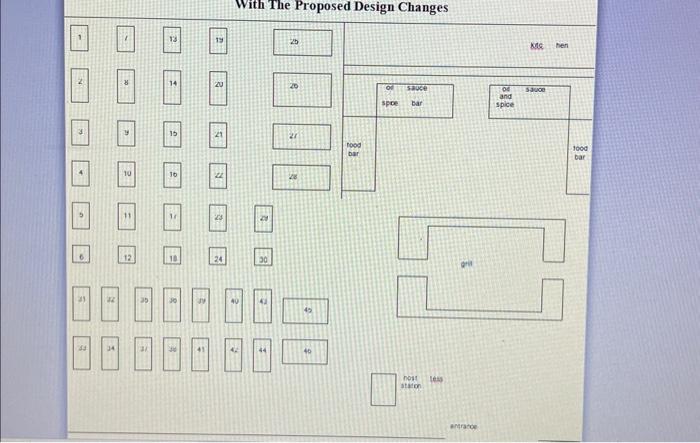
Instructions Please consult the notes on the formatting required and the submission guidelines Individual case submissions (memo and executive summary) must be identified with your student number, last name, first name - in that order. On May, 02 2016, James Chan, the owner of the Onental Express restaurant in Windsor Ontario, was consideringmajor design changes for his new restaurant(his second location) in Samia Ontano. Even though the Windsor location has been very successful, Mr. Chan was considering changing the preliminary design of the Samia locationto increase capacity and to serve his customers quicker and more efficiently. Because James plannedto open his new Samia location in two months, on July 1, he needed to finalize his operational design changes without delay. TRENDS IN THE RESTRAUNT BUSINESS The restraunt business in South-westem, Ontanio, was extremely competitive. Customers were now looking for entertainment and, interesting and unique dining expeniences rather than just receiving good food. Restraunts who stuck with traditional themes were beginning to struggle to meet their customers increasing demands for change. Restraunteurs were now searching for new unique concepts to satisfy those customers in search for something onginal Industry trends indicated that diners wanted top quality ingredients, healthy food offerings and a variety of choices. Diners wanted value for their money and were unwilling to pay inflated prices for their meals. The Oriental Express concept was based on four features, an entertaining an interactive atmosphere, fresh and healthy foodingredients, unlimited food quantities, and customer involvement in the food preparation process. Diners at the Oriental Express were involved directly in their food preparation using three stations in the food preparation area; the foodbar, the sauce and oil and the spice bar and the cooking station. Immediately after entering the establishment, diners were seated. A member of the serving staff then explained the concept to first time diners and took their drink orders. Once they were ready to eat, the diners proceeded to the foodpreparation area and selected their meat and vegetables from the food table and placed them in bowls. Next they proceeded to the sauce, oil and spice table where they selected which sauce, oil or spice they would like and put on their meat and vegetables. Their final destination was the counter surrounding the grill area once there was an open space (spot). Once there a cook took their bowl of food and placed it on the grill, a two metre round cast iron grille, to be cooked. Once the foodwas finished cooking the cook placed the food in a clean bowl, then he or she retumed the food to the diner. The diners then retumed to their table where their drinks were waiting for them and enjoyed their meal. The servers also provided the table with warm tortilla bread and rice to compliment their meal. The diners paid one price for the food, iregardless of how many trips they made to the food bar, but their drinks were extra. Dinner was priced $19.95 per person. When a drink was included the total was approximately $22.00 before taxes. The restaurant enjoyed a profit margin of roughly 50 per cent. The cooking station was the social area for the diners, where they would talk and share recipes amongst each other while watching the cooks move around their food on the grill with long wooden Asian cooking sticks. THE OPERATIONS AT THE WINDSOR ORIENTAL EXPRESS The Windsor establishment, with a seating capacity of approximately 150 , was located on the Detroit River waterfrontroughly halfway betweenthe exits of the Detroit Tunnel andthe Ambassador Bridge, a popular downtown shopping and dining area in the city. Windsor had a population of over 210,000 and Detroit Michigan area had over 700,000 residents. Although many of the tables were for two people, it was relatively simple to move tables together to accommodate larger groups. The Oniental Express did not take reservations and was normally filled to capacity Thursday, Friday and Saturday nights, especially during the hours from 6:00 to 10:00 PM. The restaurant, itself was open from 11:00 AM to 11:00 PM seven days a week. Although, Mr. Chan, was pleased with the restaurant's popularity, he was very concemed with the longlines and waiting times diners experienced in the food preparation area when the establishment was full James decided to observe the food preparation area and time diners to observe how long it took for them to visit the three stations and retum to their tables. Mr. Chanrecorded two sets of observations, one on a Wednesday night, when the restaurant was roughly half full and the diners did not have to wait in line and again on a Saturdaynight when the restaurart was at full capacity and the line ups were longer. James selected three random diners and recorded their times through the three stations and averaged their times, James observed that the vanation in times each night was small. Exhibit 2 displays the averages for both nights. Mr. Chan also observed that on the average each diner made atleast three tnps to the food preparation area throughout dinner, and on busy nights the average group of four to six people spent approximately 90 minutes at the restaurant, from the time they were seated until their departure. The establishmert, in fact, tumed away numerous diners on a busy night. Mr. Chan believed that either adding additional seating, or decreasing the food preparation time, thus serving the customers in a quicker and more efficient marme, he could seat more customers over the course of the evening, thus increasing his sales. One possible way to reduce the amount of time the average group diners require to eat their meal was to expand the food preparation area, thus enabling diners to spend less time waiting in line. James calculated that if he could reduce each group's average dinning time by 15 minutes each table would see 4 sets of diners x ther than the current 3 on busy nights during the 6:00 PM to 10:00 PM time penod. The problem with the Windsor location was the lack of space avalable to expand, though the operation at the new Samia locationhad yet to be finalized. James saw this as an opportunity to avoid the same pitfall in the Samia location as were in the Windsor operation UPERATIUNS AI THE SARNIA LOCATION The Samia location would be able to seat 190 diners and consisted of the surrounding areas including Port Huron Michigan, on the other side of the river from Samia, just a short bridge ride away. The population within 40 kilometres was over 200,000 people. Mr. Chan estimated that the Oriental Express would still tum away approximately 10 to 20 diners on Thursday nights and 20 to 30 diners on both Friday and Saturday nights if he could not reduce dinner times. Seating additional diners would lead to increased sales revenue and to overall profits. Exhibit 3 displays Mr. Chan's initial floor plan for the new Samia location however, he was considering two major design changes to it: adding a second food preparation area, and moving the location of the cooking grill. Exhibit 4 shows the Samia location with the new design changes. Adding a Second Food Preparation Area Diners waiting times should be reduced with the addition of a second food preparation area located close to the grill so that they would not have to wait in line to use the single food preparation area. Adding the second food preparation area would require the installation of a second food bar and a second oil, sauce and spice bar. The food bar would cost $4,200 including the installation, whereas the oil, sauce and spice bar, which was somewhat smaller would cost $3,100 including installation. This option would also require the hiring of an additional kitchen worker to keep the foodpreparation area stocked andclean Kitchen staff cost $15.00 per hour (including benefits) and they sometimes shared in the tips. James Chan estimated that with these additions, diners would save approximately 90 seconds at the food preparationtable and another 80 seconds waiting time in line for the oil, sauce and spice bar. He also estimated that once the diners got to the food bar they would save an additional 60 seconds in making their selections and another approximately 30 seconds per tnp at the oil, sauce and spice bar. Although James was confident that the two food preparation areas was the right way to go and save waiting and foodselection times he was concemed that diners would be confused by the layout and not know where to go. He commented: "Ive noticed in other restaurants that when you have a choice between two foodbars, the natural thing for people to do is to stand there trying to decide which food bar to go to. I'm worried that people entering the food preparation area will create a bottleneck because they are standing still preparation area will create a bottleneck because they are standing still deciding where to go. We might reduce the time diners wait in line, however, if diners take longer to get to the food bar to make their selections, it defeats the purpose." James wondered if this would be a major problem in the new location, and if so what could he do about it to prevent it from happening. Moving The Cooking Grill Mr. Chan was also considering moving the cooking gill from the comer to a more central location By moving the gill he could provide more counter orrailing space around the grill, providing more room for diners to wait while their food was being cooked. James estimated that by doing this diners would save a additional 80 seconds per trip by not having to wait for a spot at the cooking station. Because this would significantly increase the capacity of the cooking area an additional gill cook would be required duning busy periods. Although the gill itself was not a capacity constraint, but working around the intense heat of the gill was very tinng. To overcome this problem two cooks would be utilized, working in 30 minute shifts to cover the entire 5 hour dinnerpenod. The cooks would be paid \$19.00 per hour (including benefits) plus tips for the five hour shift. The cost of the additional counter space would be 9600 installed. James Chan examined the blueprints for the new Samia location and contemplated his options. He was unsure if either one of the options, or both of them were the answer to optimize the restaurants profits without compromising the diner's experience. Exhibit 1 Flonr Plan of The Winrear Oriantal Evovee Exhibit 2 Diners Throughput Times In The Windsor Oriental Express Area Description Tables Diner Walks From Table To Food Bar FoodBar Diner Waits In Line Food Bar FoodBar Diner Takes Bowl, Add Selected Items From The Food BarTo Bowl Between Diner Walks From FoodBar Stations To The Oil, Sauce And Spice Bar Oil, Sauce Diner Waits In Line For Oil, Sauce And Spice Bar SpiceBar Oil, Sauce Diners Add Selected Oils, Sauces And Spice Bar Spices To Their Bowl Between Diners Walks From Oil, Sauce And Stations Spice BarTo The Cooking Station Coolding Diner Waits For Open Space At The Station Cooking Station Counter Cooking Diner Moves To The Counter, Gives Cook Station TheirBowl And Watches Their Food Cook Table Area Diner Receives Their Bowl Of Cooked Food And Return To Their Table Wednesday Night (Half Full) Time (Seconds) 12 0 88 3 0 62 3 0 245 15 428 7:08 minutes Saturday Night (Full) Time (Seconds) 25 106 161 12 94 99 10 80 246 33 866 14:26 minutes Initial Floor Plan of The Sarnia Location Of The Oriental Express Initial Floor Plan of The Sarnia Location Of The Oriental Express Floor Plan Of The New Sarnia Oriental Express With The Proposed Design Changes Instructions Please consult the notes on the formatting required and the submission guidelines Individual case submissions (memo and executive summary) must be identified with your student number, last name, first name - in that order. On May, 02 2016, James Chan, the owner of the Onental Express restaurant in Windsor Ontario, was consideringmajor design changes for his new restaurant(his second location) in Samia Ontano. Even though the Windsor location has been very successful, Mr. Chan was considering changing the preliminary design of the Samia locationto increase capacity and to serve his customers quicker and more efficiently. Because James plannedto open his new Samia location in two months, on July 1, he needed to finalize his operational design changes without delay. TRENDS IN THE RESTRAUNT BUSINESS The restraunt business in South-westem, Ontanio, was extremely competitive. Customers were now looking for entertainment and, interesting and unique dining expeniences rather than just receiving good food. Restraunts who stuck with traditional themes were beginning to struggle to meet their customers increasing demands for change. Restraunteurs were now searching for new unique concepts to satisfy those customers in search for something onginal Industry trends indicated that diners wanted top quality ingredients, healthy food offerings and a variety of choices. Diners wanted value for their money and were unwilling to pay inflated prices for their meals. The Oriental Express concept was based on four features, an entertaining an interactive atmosphere, fresh and healthy foodingredients, unlimited food quantities, and customer involvement in the food preparation process. Diners at the Oriental Express were involved directly in their food preparation using three stations in the food preparation area; the foodbar, the sauce and oil and the spice bar and the cooking station. Immediately after entering the establishment, diners were seated. A member of the serving staff then explained the concept to first time diners and took their drink orders. Once they were ready to eat, the diners proceeded to the foodpreparation area and selected their meat and vegetables from the food table and placed them in bowls. Next they proceeded to the sauce, oil and spice table where they selected which sauce, oil or spice they would like and put on their meat and vegetables. Their final destination was the counter surrounding the grill area once there was an open space (spot). Once there a cook took their bowl of food and placed it on the grill, a two metre round cast iron grille, to be cooked. Once the foodwas finished cooking the cook placed the food in a clean bowl, then he or she retumed the food to the diner. The diners then retumed to their table where their drinks were waiting for them and enjoyed their meal. The servers also provided the table with warm tortilla bread and rice to compliment their meal. The diners paid one price for the food, iregardless of how many trips they made to the food bar, but their drinks were extra. Dinner was priced $19.95 per person. When a drink was included the total was approximately $22.00 before taxes. The restaurant enjoyed a profit margin of roughly 50 per cent. The cooking station was the social area for the diners, where they would talk and share recipes amongst each other while watching the cooks move around their food on the grill with long wooden Asian cooking sticks. THE OPERATIONS AT THE WINDSOR ORIENTAL EXPRESS The Windsor establishment, with a seating capacity of approximately 150 , was located on the Detroit River waterfrontroughly halfway betweenthe exits of the Detroit Tunnel andthe Ambassador Bridge, a popular downtown shopping and dining area in the city. Windsor had a population of over 210,000 and Detroit Michigan area had over 700,000 residents. Although many of the tables were for two people, it was relatively simple to move tables together to accommodate larger groups. The Oniental Express did not take reservations and was normally filled to capacity Thursday, Friday and Saturday nights, especially during the hours from 6:00 to 10:00 PM. The restaurant, itself was open from 11:00 AM to 11:00 PM seven days a week. Although, Mr. Chan, was pleased with the restaurant's popularity, he was very concemed with the longlines and waiting times diners experienced in the food preparation area when the establishment was full James decided to observe the food preparation area and time diners to observe how long it took for them to visit the three stations and retum to their tables. Mr. Chanrecorded two sets of observations, one on a Wednesday night, when the restaurant was roughly half full and the diners did not have to wait in line and again on a Saturdaynight when the restaurart was at full capacity and the line ups were longer. James selected three random diners and recorded their times through the three stations and averaged their times, James observed that the vanation in times each night was small. Exhibit 2 displays the averages for both nights. Mr. Chan also observed that on the average each diner made atleast three tnps to the food preparation area throughout dinner, and on busy nights the average group of four to six people spent approximately 90 minutes at the restaurant, from the time they were seated until their departure. The establishmert, in fact, tumed away numerous diners on a busy night. Mr. Chan believed that either adding additional seating, or decreasing the food preparation time, thus serving the customers in a quicker and more efficient marme, he could seat more customers over the course of the evening, thus increasing his sales. One possible way to reduce the amount of time the average group diners require to eat their meal was to expand the food preparation area, thus enabling diners to spend less time waiting in line. James calculated that if he could reduce each group's average dinning time by 15 minutes each table would see 4 sets of diners x ther than the current 3 on busy nights during the 6:00 PM to 10:00 PM time penod. The problem with the Windsor location was the lack of space avalable to expand, though the operation at the new Samia locationhad yet to be finalized. James saw this as an opportunity to avoid the same pitfall in the Samia location as were in the Windsor operation UPERATIUNS AI THE SARNIA LOCATION The Samia location would be able to seat 190 diners and consisted of the surrounding areas including Port Huron Michigan, on the other side of the river from Samia, just a short bridge ride away. The population within 40 kilometres was over 200,000 people. Mr. Chan estimated that the Oriental Express would still tum away approximately 10 to 20 diners on Thursday nights and 20 to 30 diners on both Friday and Saturday nights if he could not reduce dinner times. Seating additional diners would lead to increased sales revenue and to overall profits. Exhibit 3 displays Mr. Chan's initial floor plan for the new Samia location however, he was considering two major design changes to it: adding a second food preparation area, and moving the location of the cooking grill. Exhibit 4 shows the Samia location with the new design changes. Adding a Second Food Preparation Area Diners waiting times should be reduced with the addition of a second food preparation area located close to the grill so that they would not have to wait in line to use the single food preparation area. Adding the second food preparation area would require the installation of a second food bar and a second oil, sauce and spice bar. The food bar would cost $4,200 including the installation, whereas the oil, sauce and spice bar, which was somewhat smaller would cost $3,100 including installation. This option would also require the hiring of an additional kitchen worker to keep the foodpreparation area stocked andclean Kitchen staff cost $15.00 per hour (including benefits) and they sometimes shared in the tips. James Chan estimated that with these additions, diners would save approximately 90 seconds at the food preparationtable and another 80 seconds waiting time in line for the oil, sauce and spice bar. He also estimated that once the diners got to the food bar they would save an additional 60 seconds in making their selections and another approximately 30 seconds per tnp at the oil, sauce and spice bar. Although James was confident that the two food preparation areas was the right way to go and save waiting and foodselection times he was concemed that diners would be confused by the layout and not know where to go. He commented: "Ive noticed in other restaurants that when you have a choice between two foodbars, the natural thing for people to do is to stand there trying to decide which food bar to go to. I'm worried that people entering the food preparation area will create a bottleneck because they are standing still preparation area will create a bottleneck because they are standing still deciding where to go. We might reduce the time diners wait in line, however, if diners take longer to get to the food bar to make their selections, it defeats the purpose." James wondered if this would be a major problem in the new location, and if so what could he do about it to prevent it from happening. Moving The Cooking Grill Mr. Chan was also considering moving the cooking gill from the comer to a more central location By moving the gill he could provide more counter orrailing space around the grill, providing more room for diners to wait while their food was being cooked. James estimated that by doing this diners would save a additional 80 seconds per trip by not having to wait for a spot at the cooking station. Because this would significantly increase the capacity of the cooking area an additional gill cook would be required duning busy periods. Although the gill itself was not a capacity constraint, but working around the intense heat of the gill was very tinng. To overcome this problem two cooks would be utilized, working in 30 minute shifts to cover the entire 5 hour dinnerpenod. The cooks would be paid \$19.00 per hour (including benefits) plus tips for the five hour shift. The cost of the additional counter space would be 9600 installed. James Chan examined the blueprints for the new Samia location and contemplated his options. He was unsure if either one of the options, or both of them were the answer to optimize the restaurants profits without compromising the diner's experience. Exhibit 1 Flonr Plan of The Winrear Oriantal Evovee Exhibit 2 Diners Throughput Times In The Windsor Oriental Express Area Description Tables Diner Walks From Table To Food Bar FoodBar Diner Waits In Line Food Bar FoodBar Diner Takes Bowl, Add Selected Items From The Food BarTo Bowl Between Diner Walks From FoodBar Stations To The Oil, Sauce And Spice Bar Oil, Sauce Diner Waits In Line For Oil, Sauce And Spice Bar SpiceBar Oil, Sauce Diners Add Selected Oils, Sauces And Spice Bar Spices To Their Bowl Between Diners Walks From Oil, Sauce And Stations Spice BarTo The Cooking Station Coolding Diner Waits For Open Space At The Station Cooking Station Counter Cooking Diner Moves To The Counter, Gives Cook Station TheirBowl And Watches Their Food Cook Table Area Diner Receives Their Bowl Of Cooked Food And Return To Their Table Wednesday Night (Half Full) Time (Seconds) 12 0 88 3 0 62 3 0 245 15 428 7:08 minutes Saturday Night (Full) Time (Seconds) 25 106 161 12 94 99 10 80 246 33 866 14:26 minutes Initial Floor Plan of The Sarnia Location Of The Oriental Express Initial Floor Plan of The Sarnia Location Of The Oriental Express Floor Plan Of The New Sarnia Oriental Express With The Proposed Design Changes
Step by Step Solution
There are 3 Steps involved in it

Get step-by-step solutions from verified subject matter experts
 Study Help