







Question: IV. Measuring Investment Returns > Is there a typical project for Wisynco? If yes, what does it look like in terms of life (long term
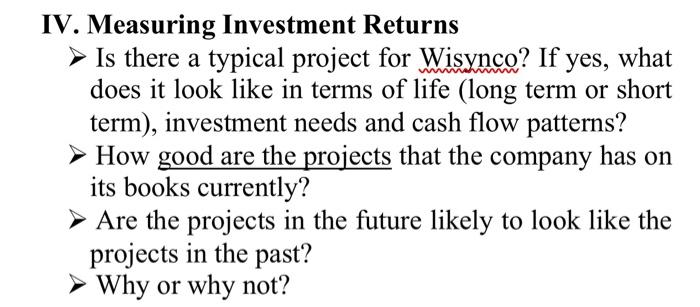
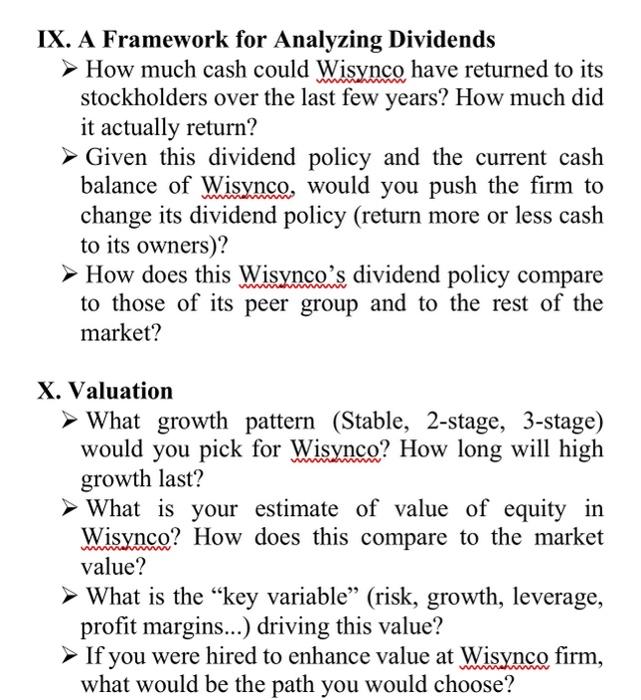
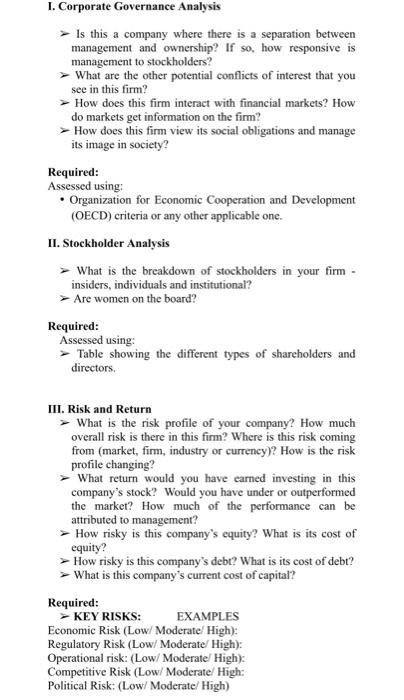
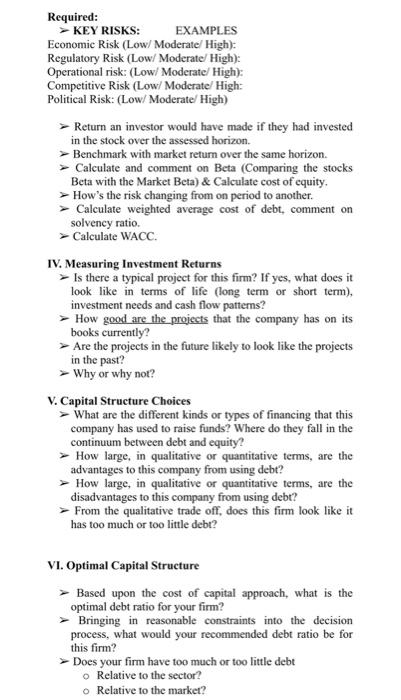
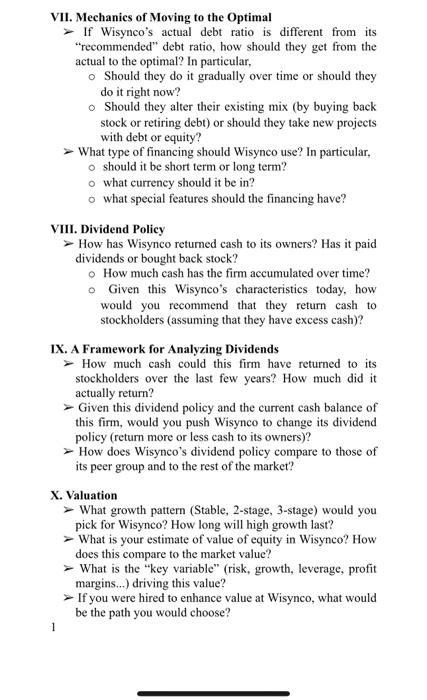
IV. Measuring Investment Returns > Is there a typical project for Wisynco? If yes, what does it look like in terms of life (long term or short term), investment needs and cash flow patterns? How good are the projects that the company has on its books currently? Are the projects in the future likely to look like the projects in the past? Why or why not? IX. A Framework for Analyzing Dividends > How much cash could Wisynco have returned to its stockholders over the last few years? How much did it actually return? Given this dividend policy and the current cash balance of Wisynco, would you push the firm to change its dividend policy (return more or less cash to its owners)? How does this Wisynco's dividend policy compare to those of its peer group and to the rest of the market? X. Valuation > What growth pattern (Stable, 2-stage, 3-stage) would you pick for Wisynco? How long will high growth last? What is your estimate of value of equity in Wisynco? How does this compare to the market value? > What is the "key variable" (risk, growth, leverage, profit margins...) driving this value? If you were hired to enhance value at Wisynco firm, what would be the path you would choose? I. Corporate Governance Analysis - Is this a company where there is a separation between management and ownership? If so, how responsive is management to stockholders? - What are the other potential conflicts of interest that you see in this firm? > How does this firm interact with financial markets? How do markets get information on the firm? - How does this firm view its social obligations and manage its image in society? Required: Assessed using: - Organization for Economic Cooperation and Development (OECD) criteria or any other applicable one. II. Stockholder Analysis What is the breakdown of stockholders in your firm insiders, individuals and institutional? Are women on the board? Required: Assessed using: > Table showing the different types of shareholders and directors. III. Risk and Return - What is the risk profile of your company? How much overall risk is there in this firm? Where is this risk coming from (market, firm, industry or currency)? How is the risk profile changing? - What return would you have earned investing in this company's stock? Would you have under or outperformed the market? How much of the performance can be attributed to management? - How risky is this company's equity? What is its cost of equity? - How risky is this company's debt? What is its cost of debt? - What is this company's current cost of capital? Required: - KEY RISKS: EXAMPLES Economic Risk (Low/ Moderate/ High): Regulatory Risk (Low/ Moderate/High): Operational risk: (Low/ Moderate/ High): Competitive Risk (Low/ Moderate/ High: Political Risk: (Low/ Moderate/ High) - Return an investor would have made if they had inyested in the stock over the assessed horizon. - Benchmark with market retum over the same horizon. - Calculate and comment on Beta (Comparing the stocks Beta with the Market Beta) \& Calculate cost of equity. - How's the risk changing from on period to another. - Calculate weighted average cost of debt, comment on solvency ratio. >alculate WACC. IV. Measuring Investment Returns - Is there a typical project for this firm? If yes, what does it look like in terms of life (long term or short term), investment needs and cash flow patterns? - How good are the projects that the company has on its books currently? 2 Are the projects in the future likely to look like the projects in the past? - Why or why not? V. Capital Structure Choices - What are the different kinds or types of financing that this company has used to raise funds? Where do they fall in the continuum between debt and equity? - How large, in qualitative or quantitative terms, are the advantages to this company from using debt? > How large, in qualitative or quantitative terms, are the disadvantages to this company from using debt? - From the qualitative trade off, does this firm look like it has too much or too little debt? VI. Optimal Capital Structure Based upon the cost of capital approach, what is the optimal debt ratio for your firm? - Bringing in reasonable constraints into the decision process, what would your recommended debt ratio be for this firm? Does your firm have too much or too little debt - Relative to the sector? Relative to the market? VII. Mechanics of Moving to the Optimal - If Wisynco's actual debt ratio is different from its "recommended" debt ratio, how should they get from the actual to the optimal? In particular, Should they do it gradually over time or should they do it right now? Should they alter their existing mix (by buying back stock or retiring debt) or should they take new projects with debt or equity? What type of financing should Wisynco use? In particular, should it be short term or long term? what currency should it be in? what special features should the financing have? VIII. Dividend Policy - How has Wisynco returned cash to its owners? Has it paid dividends or bought back stock? How much cash has the firm accumulated over time? Given this Wisynco's characteristics today, how would you recommend that they return cash to stockholders (assuming that they have excess cash)? IX. A Framework for Analyzing Dividends - How much cash could this firm have returned to its stockholders over the last few years? How much did it actually return? Given this dividend policy and the current cash balance of this firm, would you push Wisynco to change its dividend policy (return more or less cash to its owners)? - How does Wisynco's dividend policy compare to those of its peer group and to the rest of the market? X. Valuation - What growth pattern (Stable, 2-stage, 3-stage) would you pick for Wisynco? How long will high growth last? - What is your estimate of value of equity in Wisynco? How does this compare to the market value? - What is the "key variable" (risk, growth, leverage, profit margins...) driving this value? If you were hired to enhance value at Wisynco, what would be the path you would choose? 1 IV. Measuring Investment Returns > Is there a typical project for Wisynco? If yes, what does it look like in terms of life (long term or short term), investment needs and cash flow patterns? How good are the projects that the company has on its books currently? Are the projects in the future likely to look like the projects in the past? Why or why not? IX. A Framework for Analyzing Dividends > How much cash could Wisynco have returned to its stockholders over the last few years? How much did it actually return? Given this dividend policy and the current cash balance of Wisynco, would you push the firm to change its dividend policy (return more or less cash to its owners)? How does this Wisynco's dividend policy compare to those of its peer group and to the rest of the market? X. Valuation > What growth pattern (Stable, 2-stage, 3-stage) would you pick for Wisynco? How long will high growth last? What is your estimate of value of equity in Wisynco? How does this compare to the market value? > What is the "key variable" (risk, growth, leverage, profit margins...) driving this value? If you were hired to enhance value at Wisynco firm, what would be the path you would choose? I. Corporate Governance Analysis - Is this a company where there is a separation between management and ownership? If so, how responsive is management to stockholders? - What are the other potential conflicts of interest that you see in this firm? > How does this firm interact with financial markets? How do markets get information on the firm? - How does this firm view its social obligations and manage its image in society? Required: Assessed using: - Organization for Economic Cooperation and Development (OECD) criteria or any other applicable one. II. Stockholder Analysis What is the breakdown of stockholders in your firm insiders, individuals and institutional? Are women on the board? Required: Assessed using: > Table showing the different types of shareholders and directors. III. Risk and Return - What is the risk profile of your company? How much overall risk is there in this firm? Where is this risk coming from (market, firm, industry or currency)? How is the risk profile changing? - What return would you have earned investing in this company's stock? Would you have under or outperformed the market? How much of the performance can be attributed to management? - How risky is this company's equity? What is its cost of equity? - How risky is this company's debt? What is its cost of debt? - What is this company's current cost of capital? Required: - KEY RISKS: EXAMPLES Economic Risk (Low/ Moderate/ High): Regulatory Risk (Low/ Moderate/High): Operational risk: (Low/ Moderate/ High): Competitive Risk (Low/ Moderate/ High: Political Risk: (Low/ Moderate/ High) - Return an investor would have made if they had inyested in the stock over the assessed horizon. - Benchmark with market retum over the same horizon. - Calculate and comment on Beta (Comparing the stocks Beta with the Market Beta) \& Calculate cost of equity. - How's the risk changing from on period to another. - Calculate weighted average cost of debt, comment on solvency ratio. >alculate WACC. IV. Measuring Investment Returns - Is there a typical project for this firm? If yes, what does it look like in terms of life (long term or short term), investment needs and cash flow patterns? - How good are the projects that the company has on its books currently? 2 Are the projects in the future likely to look like the projects in the past? - Why or why not? V. Capital Structure Choices - What are the different kinds or types of financing that this company has used to raise funds? Where do they fall in the continuum between debt and equity? - How large, in qualitative or quantitative terms, are the advantages to this company from using debt? > How large, in qualitative or quantitative terms, are the disadvantages to this company from using debt? - From the qualitative trade off, does this firm look like it has too much or too little debt? VI. Optimal Capital Structure Based upon the cost of capital approach, what is the optimal debt ratio for your firm? - Bringing in reasonable constraints into the decision process, what would your recommended debt ratio be for this firm? Does your firm have too much or too little debt - Relative to the sector? Relative to the market? VII. Mechanics of Moving to the Optimal - If Wisynco's actual debt ratio is different from its "recommended" debt ratio, how should they get from the actual to the optimal? In particular, Should they do it gradually over time or should they do it right now? Should they alter their existing mix (by buying back stock or retiring debt) or should they take new projects with debt or equity? What type of financing should Wisynco use? In particular, should it be short term or long term? what currency should it be in? what special features should the financing have? VIII. Dividend Policy - How has Wisynco returned cash to its owners? Has it paid dividends or bought back stock? How much cash has the firm accumulated over time? Given this Wisynco's characteristics today, how would you recommend that they return cash to stockholders (assuming that they have excess cash)? IX. A Framework for Analyzing Dividends - How much cash could this firm have returned to its stockholders over the last few years? How much did it actually return? Given this dividend policy and the current cash balance of this firm, would you push Wisynco to change its dividend policy (return more or less cash to its owners)? - How does Wisynco's dividend policy compare to those of its peer group and to the rest of the market? X. Valuation - What growth pattern (Stable, 2-stage, 3-stage) would you pick for Wisynco? How long will high growth last? - What is your estimate of value of equity in Wisynco? How does this compare to the market value? - What is the "key variable" (risk, growth, leverage, profit margins...) driving this value? If you were hired to enhance value at Wisynco, what would be the path you would choose? 1
Step by Step Solution
There are 3 Steps involved in it

Get step-by-step solutions from verified subject matter experts
 Study Help