Question: last page is instructions Part C: Case: Analyze the case with answers in words limit of 100-150 words in APA pattern as discussed in class.
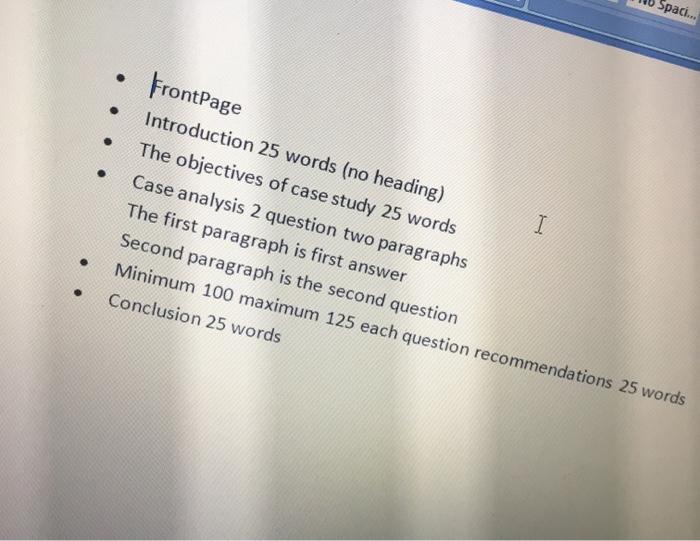
last page is instructions
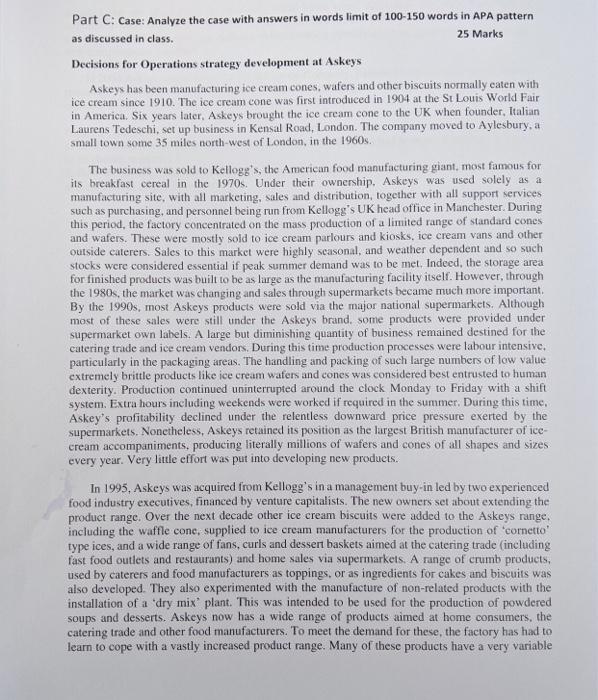
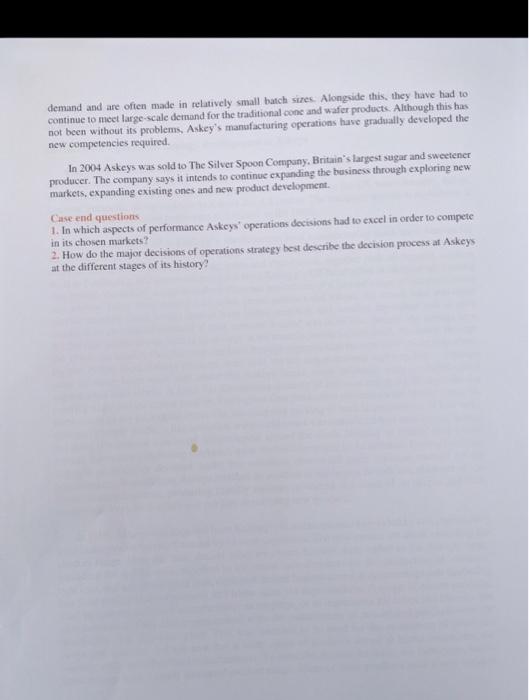
Part C: Case: Analyze the case with answers in words limit of 100-150 words in APA pattern as discussed in class. 25 Marks Decisions for Operations strategy development at Askeys Askeys has been manufacturing ice cream cones, wafers and other biscuits normally eaten with ice cream since 1910. The ice cream cone was first introduced in 1904 at the St Louis World Fair in America. Six years later, Askeys brought the ice cream cone to the UK when founder, Italian Laurens Tedeschi, set up business in Kensal Road, London. The company moved to Aylesbury, a small town some 35 miles north-west of London, in the 1960s. The business was sold to Kellogg's, the American food manufacturing giant, most famous for ils breakfast cereal in the 1970s. Under their ownership. Askeys was used solely as a manufacturing site, with all marketing, sales and distribution, together with all support services such as purchasing, and personnel being run from Kellogg's UK head office in Manchester. During this period, the factory concentrated on the mass production of a limited range of standard cones and wafers. These were mostly sold to ice cream parlours and kiosks, ice cream vans and other outside caterers. Sales to this market were highly seasonal, and weather dependent and so such stocks were considered essential if peak summer demand was to be met. Indeed, the storage area for finished products was built to be as large as the manufacturing facility itself. However, through the 1980s, the market was changing and sales through supermarkets became much more important. By the 1990s, most Askeys products were sold via the major national supermarkets. Although most of these sales were still under the Askeys brand some products were provided under supermarket own labels. A large but diminishing quantity of business remained destined for the catering trade and ice cream vendors. During this time production processes were labour intensive, particularly in the packaging areas. The handling and packing of such large numbers of low value extremely brittle products like ice cream wafers and cones was considered best entrusted to human dexterity. Production continued uninterrupted around the clock Monday to Friday with a shift system. Extra hours including weekends were worked if required in the summer. During this time, Askey's profitability declined under the relentless downward price pressure exerted by the supermarkets. Nonetheless, Askeys retained its position as the largest British manufacturer of ice- cream accompaniments, producing literally millions of wafers and cones of all shapes and sizes every year. Very little effort was put into developing new products. In 1995, Askeys was acquired from Kellogg's in a management buy-in led by two experienced food industry executives, financed by venture capitalists. The new owners set about extending the product range. Over the next decade other ice cream biscuits were added to the Askeys range, including the waffle cone, supplied to ice cream manufacturers for the production of cornetto type ices, and a wide range of fans, curls and dessert baskets aimed at the catering trade (including fast food outlets and restaurants) and home sales via supermarkets. A range of crumb products, used by caterers and food manufacturers as toppings, or as ingredients for cakes and biscuits was also developed. They also experimented with the manufacture of non-related products with the installation of a 'dry mix plant. This was intended to be used for the production of powdered soups and desserts. Askeys now has a wide range of products aimed at home consumers, the catering trade and other food manufacturers. To meet the demand for these, the factory has had to learn to cope with a vastly increased product range. Many of these products have a very variable demand and are often made in relatively small batch sizes. Alongside this, they have had to continue to meet large-scale demand for the traditional cone and wafer products. Although this has not been without its problems, Askey's manufacturing operations have gradually developed the new competencies required. In 2004 Askeys was sold to The Silver Spoon Company. Britain's largest sugar and sweetener producer. The company says it intends to continue expanding the business through exploring new markets, expanding existing ones and new product development. Case end questions 1. In which aspects of performance Askeys operations decisions had to excel in order to compete 2. How do the major decisions of operations strategy best describe the decision process at Askeys, at the different stages of its history Spaci.. . FrontPage Introduction 25 words (no heading) The objectives of case study 25 words Case analysis 2 question two paragraphs The first paragraph is first answer Second paragraph is the second question Minimum 100 maximum 125 each question recommendations 25 words Conclusion 25 words









 Study Help