







Question: m Consider an object moving along a line with the given velocity v. Assume t is time measured in seconds and velocities have units of

![63; [0,8] a. When is the motion in the positive direction? Select](https://s3.amazonaws.com/si.experts.images/answers/2024/06/66797d685fb7a_99266797d683e3e9.jpg)
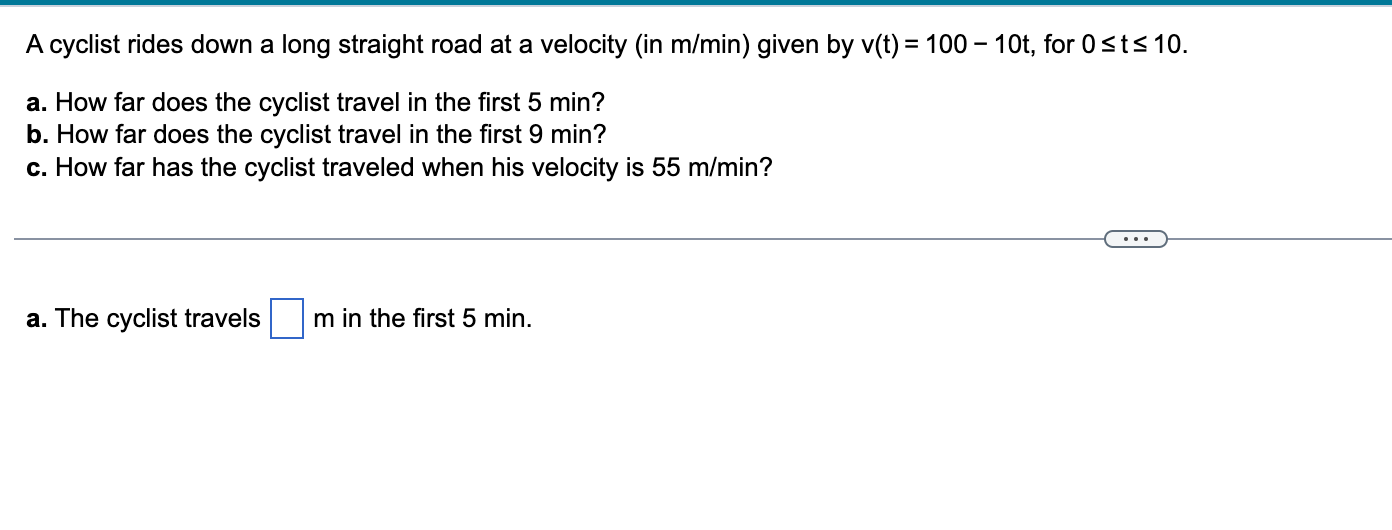
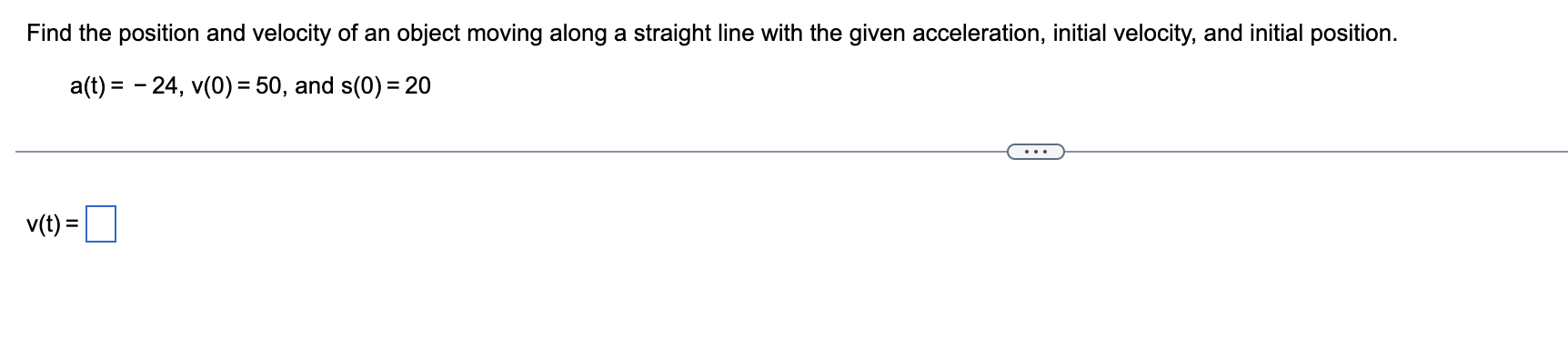
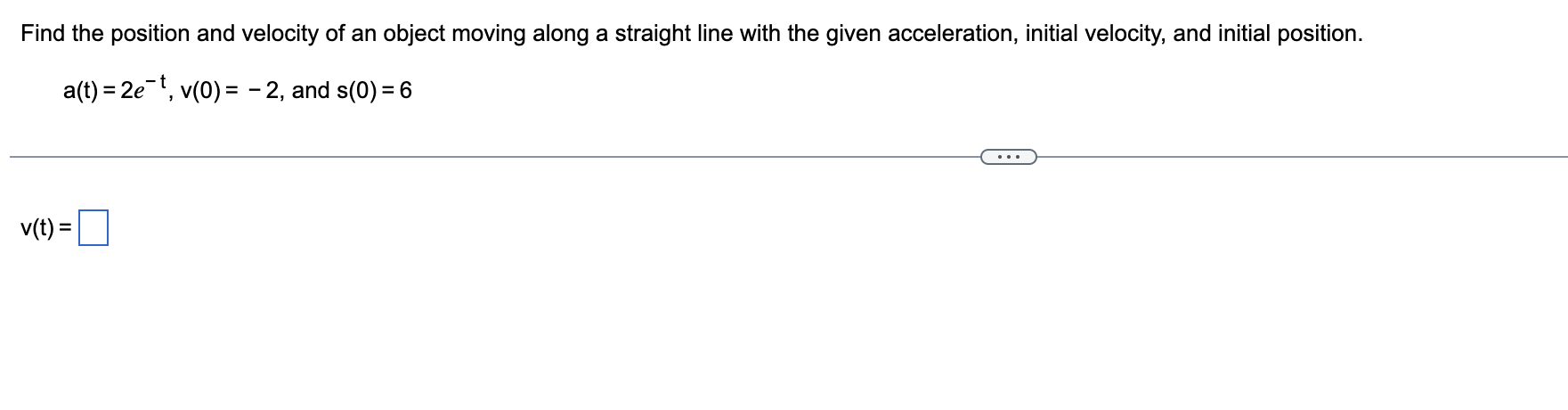

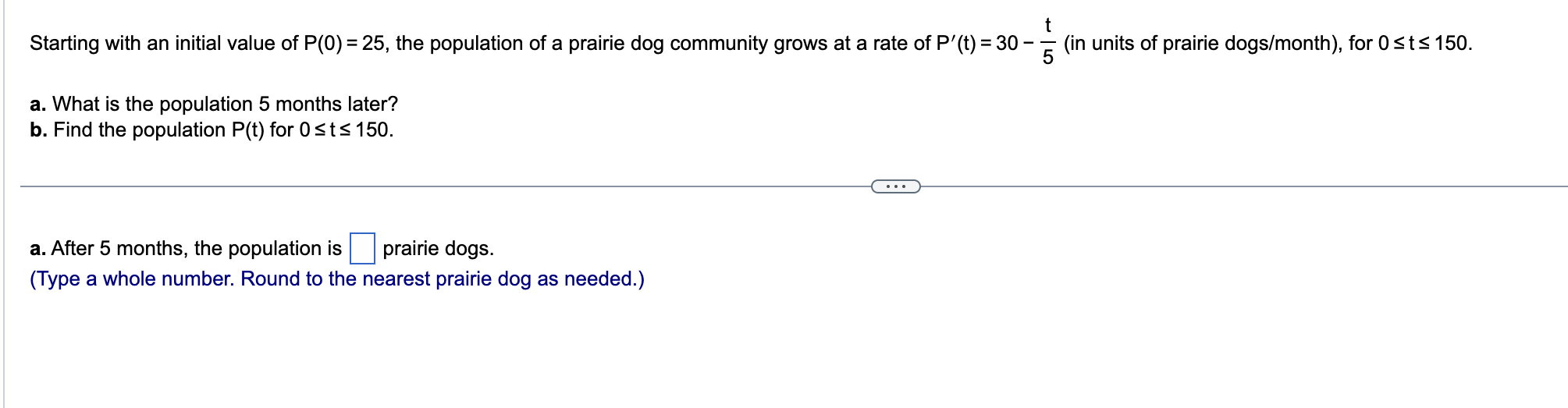
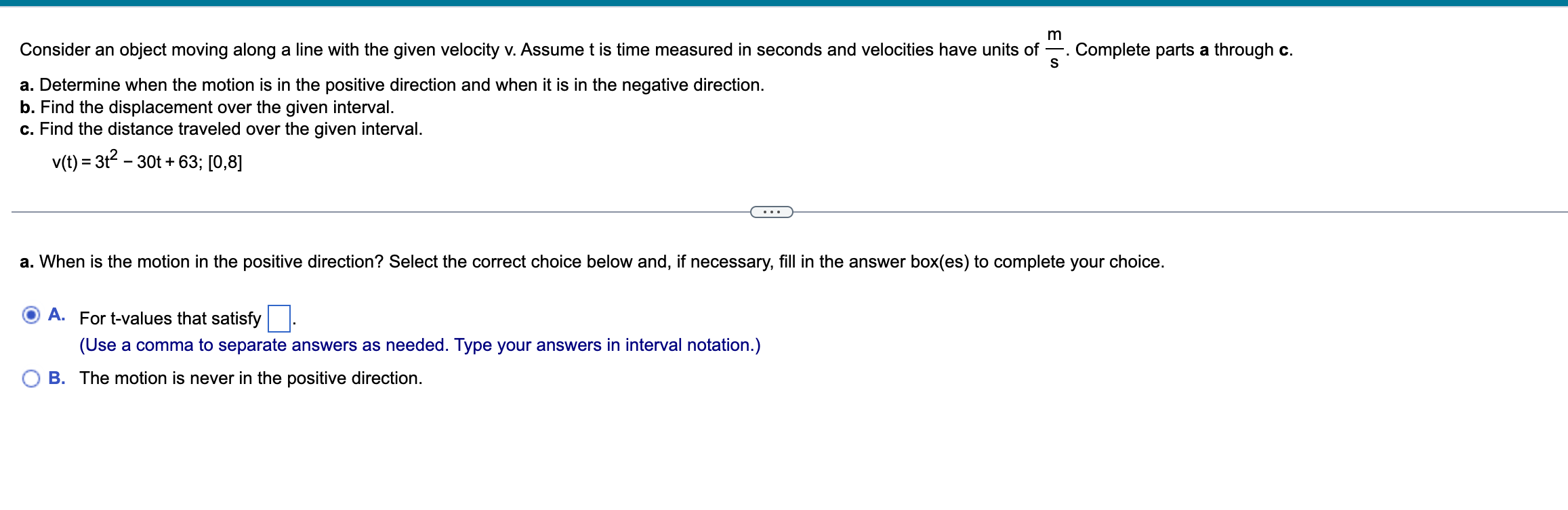
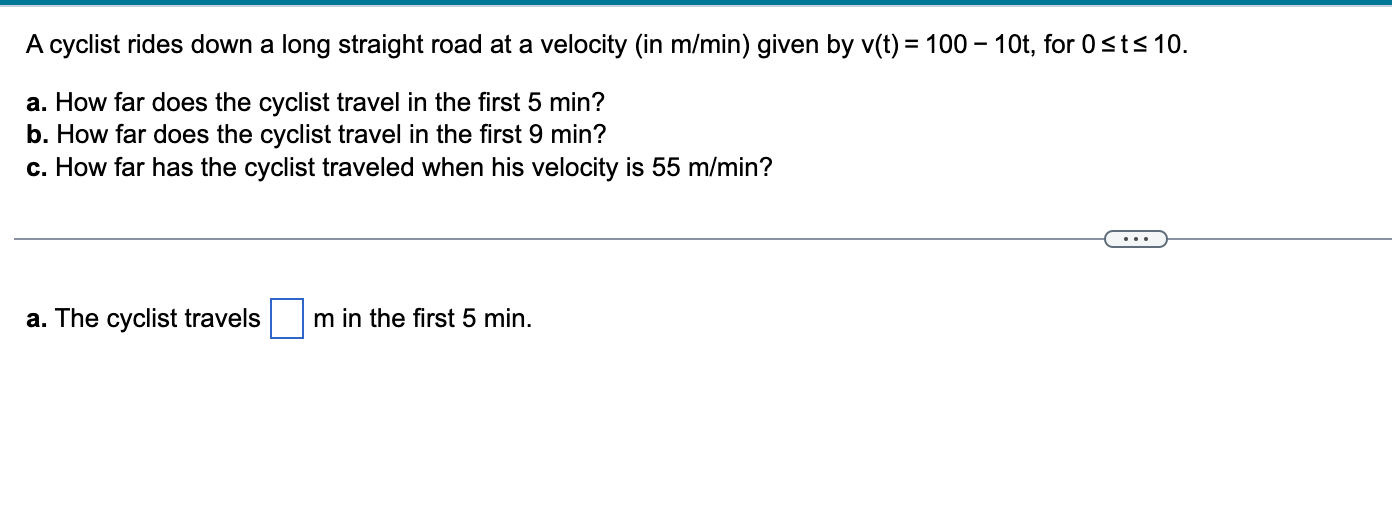
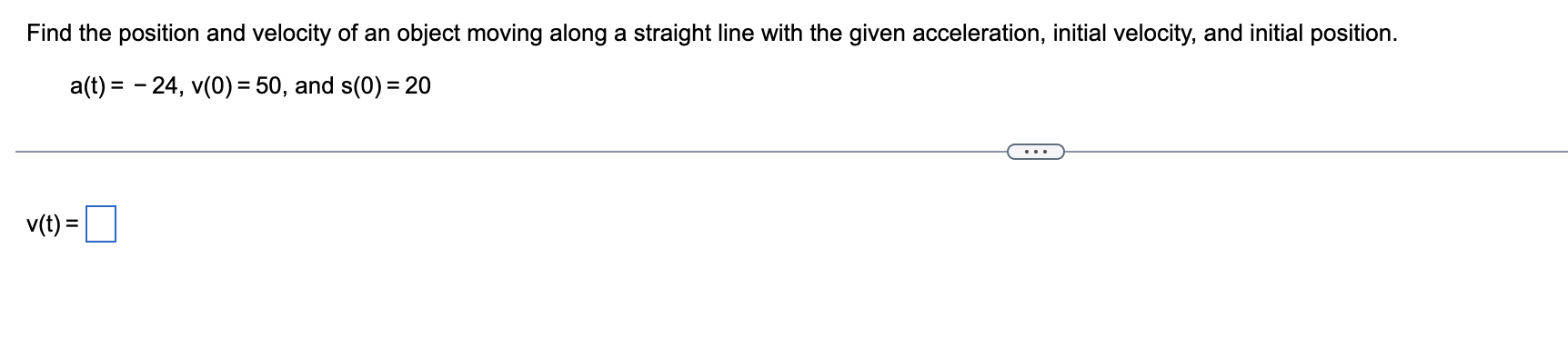
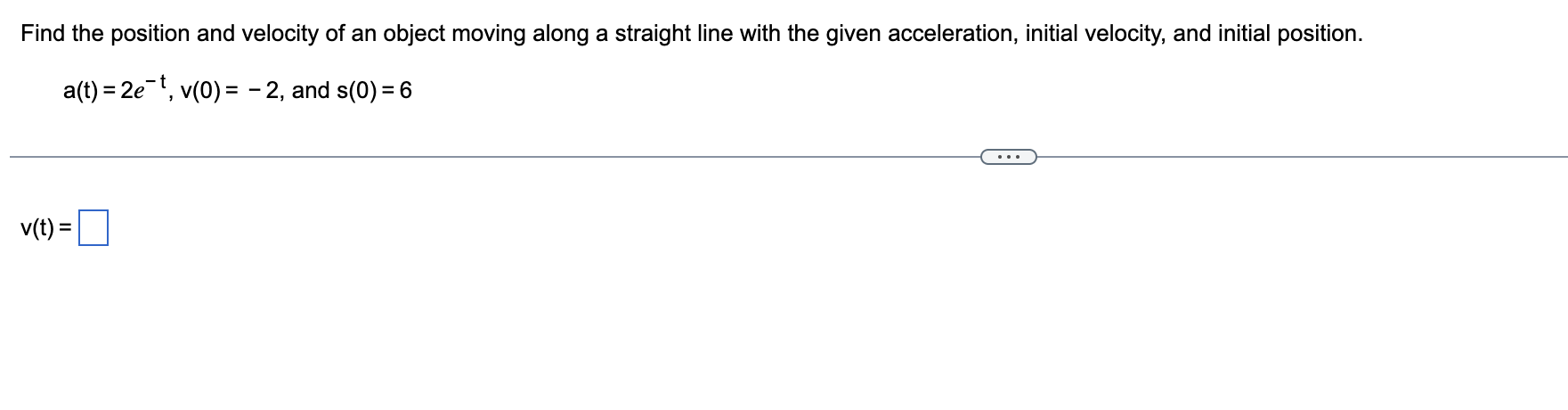
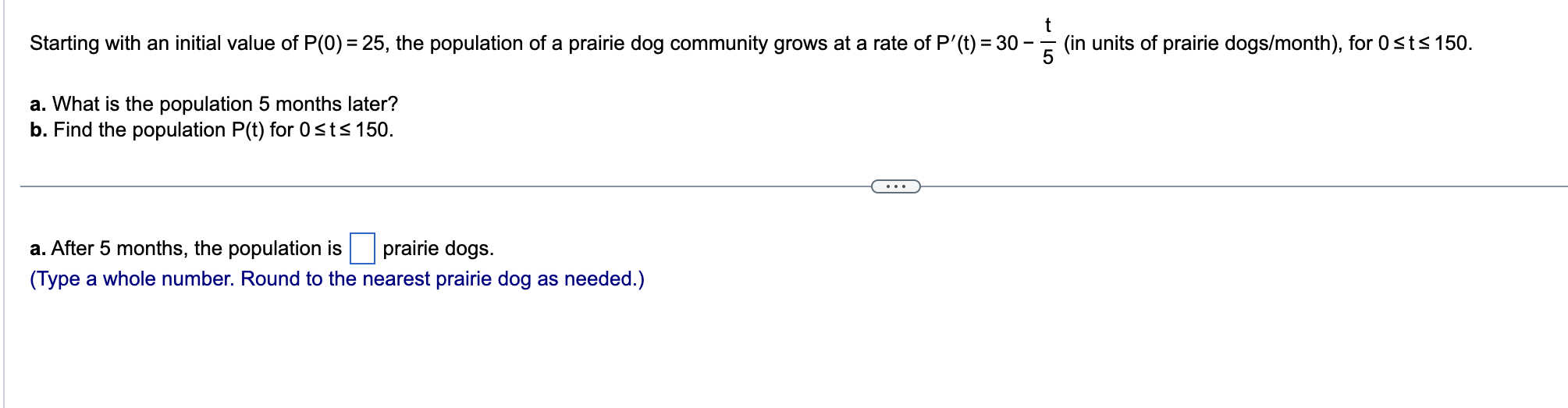
m Consider an object moving along a line with the given velocity v. Assume t is time measured in seconds and velocities have units of :' Complete parts a through c. a. Determine when the motion is in the positive direction and when it is in the negative direction. b. Find the displacement over the given interval. (2. Find the distance traveled over the given interval. v(t) = 3t2 sor + 63; [0,8] a. When is the motion in the positive direction? Select the correct choice below and, if necessary, fill in the answer box(es) to complete your choice. A- For tvalues that satisfy (Use a comma to separate answers as needed. Type your answers in interval notation.) {:1- B. The motion is never in the positive direction. A cyclist rides down a long straight road at a velocity (in m/min) given by v(t) = 100 - 10t, for Osts 10. a. How far does the cyclist travel in the first 5 min? b. How far does the cyclist travel in the first 9 min? c. How far has the cyclist traveled when his velocity is 55 m/min? . . . a. The cyclist travels m in the first 5 min.Find the position and velocity of an object moving along a straight line with the given acceleration, initial velocity, and initial position. a(t) = 24, v(0) = 50, and 5(0) = 20 E> v(t) = |:| Find the position and velocity of an object moving along a straight line with the given acceleration, initial velocity, and initial position. a(t) = 2e\At t = 0, a train approaching a station begins decelerating from a speed of 96 mi/hr according to the acceleration function a(t) = - 1536(1 + 80' 3 mi/hr2, where t 2 0. How far does the train travel between t= 0 and t= 0.2? Between t= 0.2 and t= 0.5? Between t= 0 and t = 0.2 the train travels mi. (Round to three decimal places as needed.) t Starting with an initial value of P(O) = 25, the population of a prairie dog community grows at a rate of P'(t) = 30 E (in units of prairie dogs/month), for 0 its 150. a. What is the population 5 months later? b. Find the population P(t)for05t5150. a. After 5 months, the population is prairie dogs. (Type a whole number. Round to the nearest prairie dog as needed.)
Step by Step Solution
There are 3 Steps involved in it

Get step-by-step solutions from verified subject matter experts
 Study Help