







Question: Making a decision can be very easy or difficult, depending on the amount of information you have about your choices. In choosing a career path,
Making a decision can be very easy or difficult, depending on the amount of information you have about your choices. In choosing a career path, it is important to think about many factors, like the kind of decision-maker you are, what decision-making style you use, and things that can interfere with the decision-making process.
List and Explain Decision Making Styles.
List and Explain Decision Making Steps.
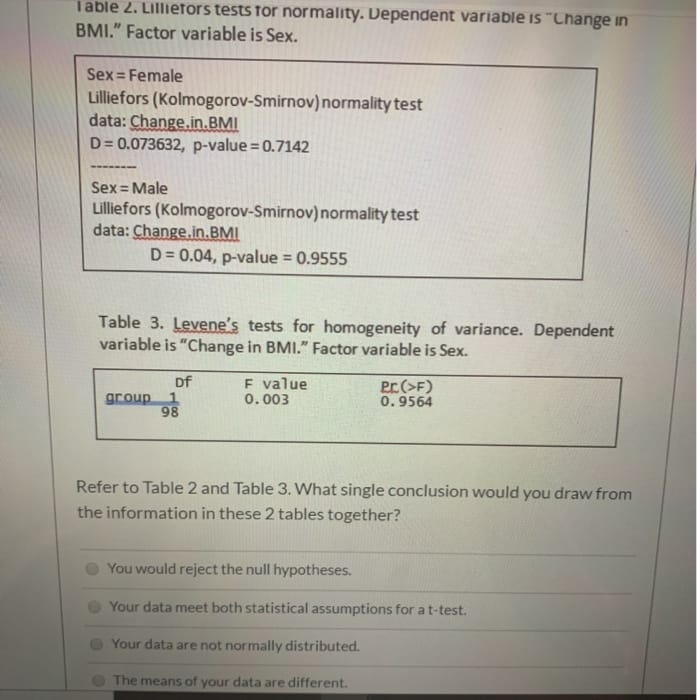
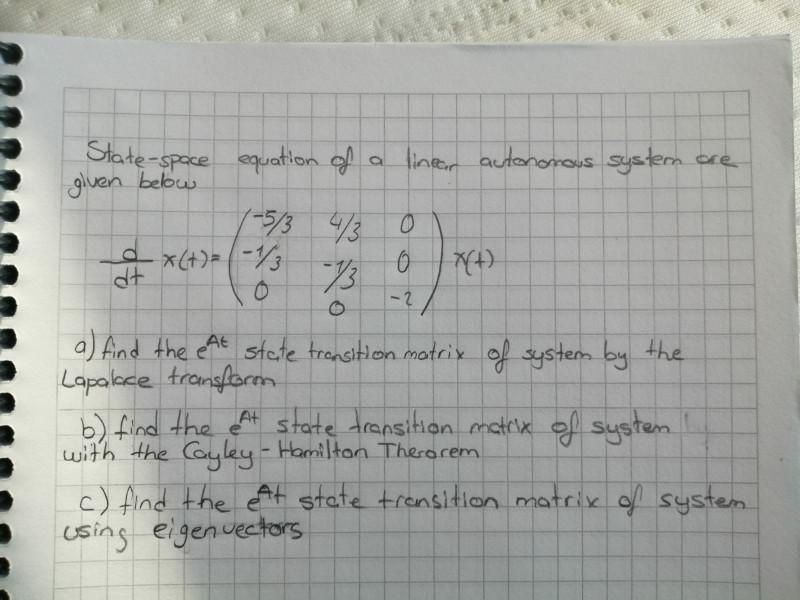
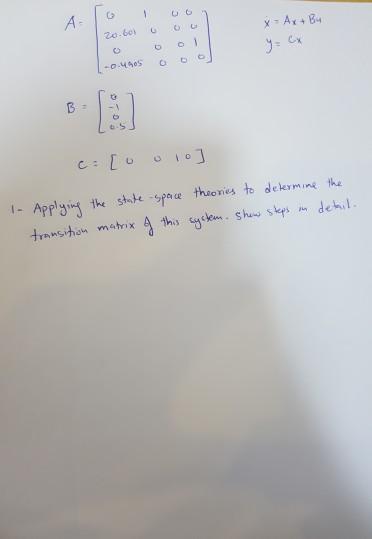
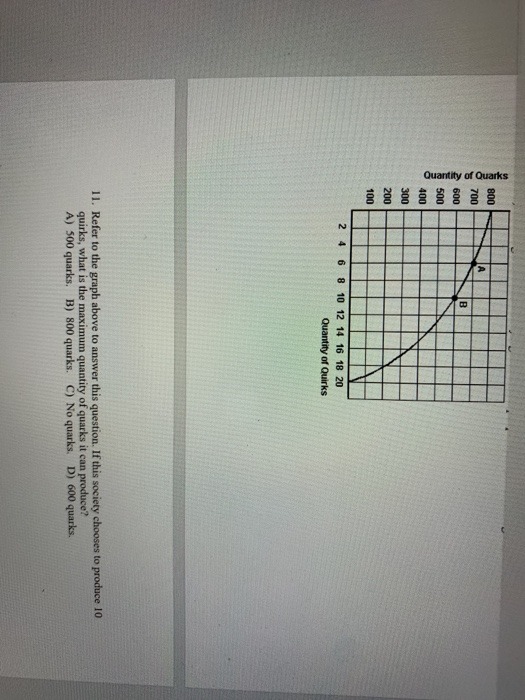
I able 2. Lillietors tests for normality. Dependent variable is "Change in BMI." Factor variable is Sex. Sex = Female Lilliefors (Kolmogorov-Smirnov) normality test data: Change.in.BMI D= 0.073632, p-value =0.7142 Sex = Male Lilliefors (Kolmogorov-Smirnov) normality test data: Change,in.BMI D = 0.04, p-value = 0.9555 Table 3. Levene's tests for homogeneity of variance. Dependent variable is "Change in BMI." Factor variable is Sex. DF F value PC(>F) group 0. 003 0. 9564 98 Refer to Table 2 and Table 3. What single conclusion would you draw from the information in these 2 tables together? You would reject the null hypotheses. Your data meet both statistical assumptions for a t-test. Your data are not normally distributed. The means of your data are different.State-space equation of a linear autonomous system are given below -5/3 4/3 a x ( t ) = - 1/ 3 0 7/3 O - 2 a ) find the eat state transition matrix of system by the Lapalace transform b ) find the At state transition matrix of system with the Cayley - Hamilton Theorem ( ) find the efit state transition matrix of system using eigenvectorsA Y = Ar 4 By 4 0x 1 - Applying the state space theories to determine the transition matrix & this system. show steps in detail.Quantity of Quarks 2 4 6 8 10 12 14 16 18 20 Quantity of Quirks 11. Refer to the graph above to answer this question. If this society chooses to produce 10 quirks, what is the maximum quantity of quarks it can produce? A) 500 quarks. B) 800 quarks. C) No quark quarks. D) 600 quarks
Step by Step Solution
There are 3 Steps involved in it

Get step-by-step solutions from verified subject matter experts
 Study Help