







Question: MANAGEMENT-TESLA ANALYTICS EXERCISE: QUALITY Case Part A: Tesla's Quality Challenge On March 31, 2016, Tesla Motors announced the release of its new Model 3
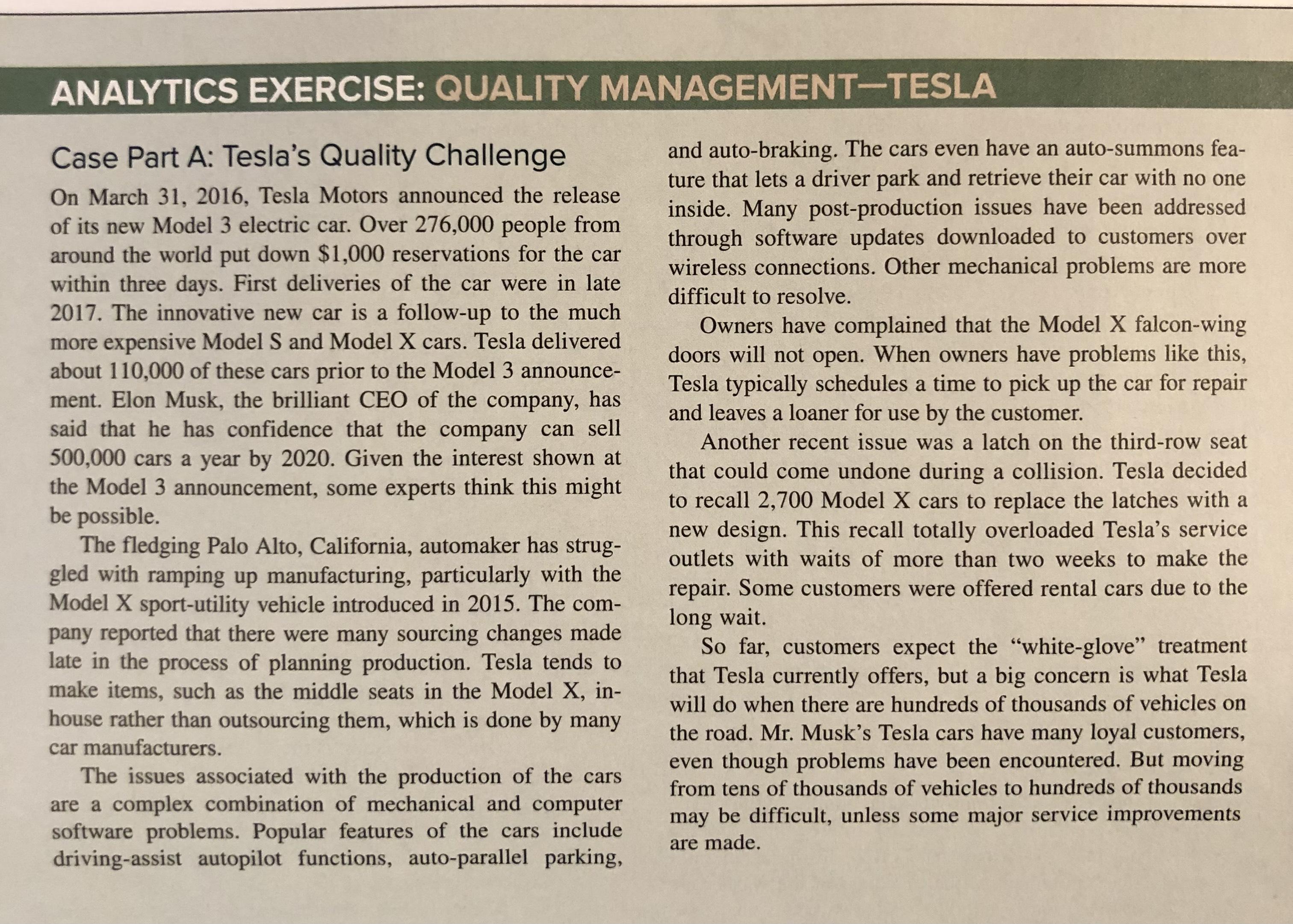
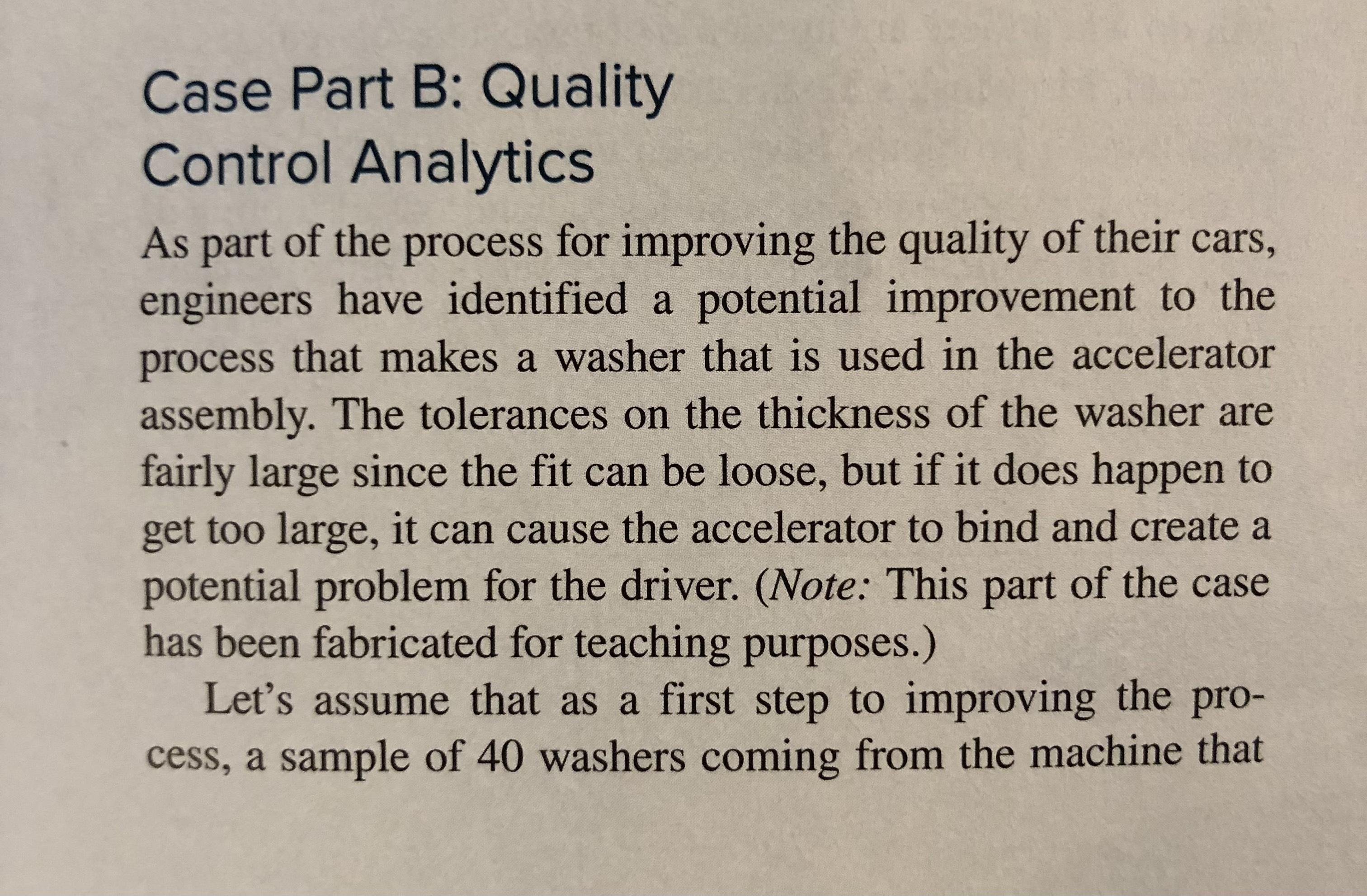
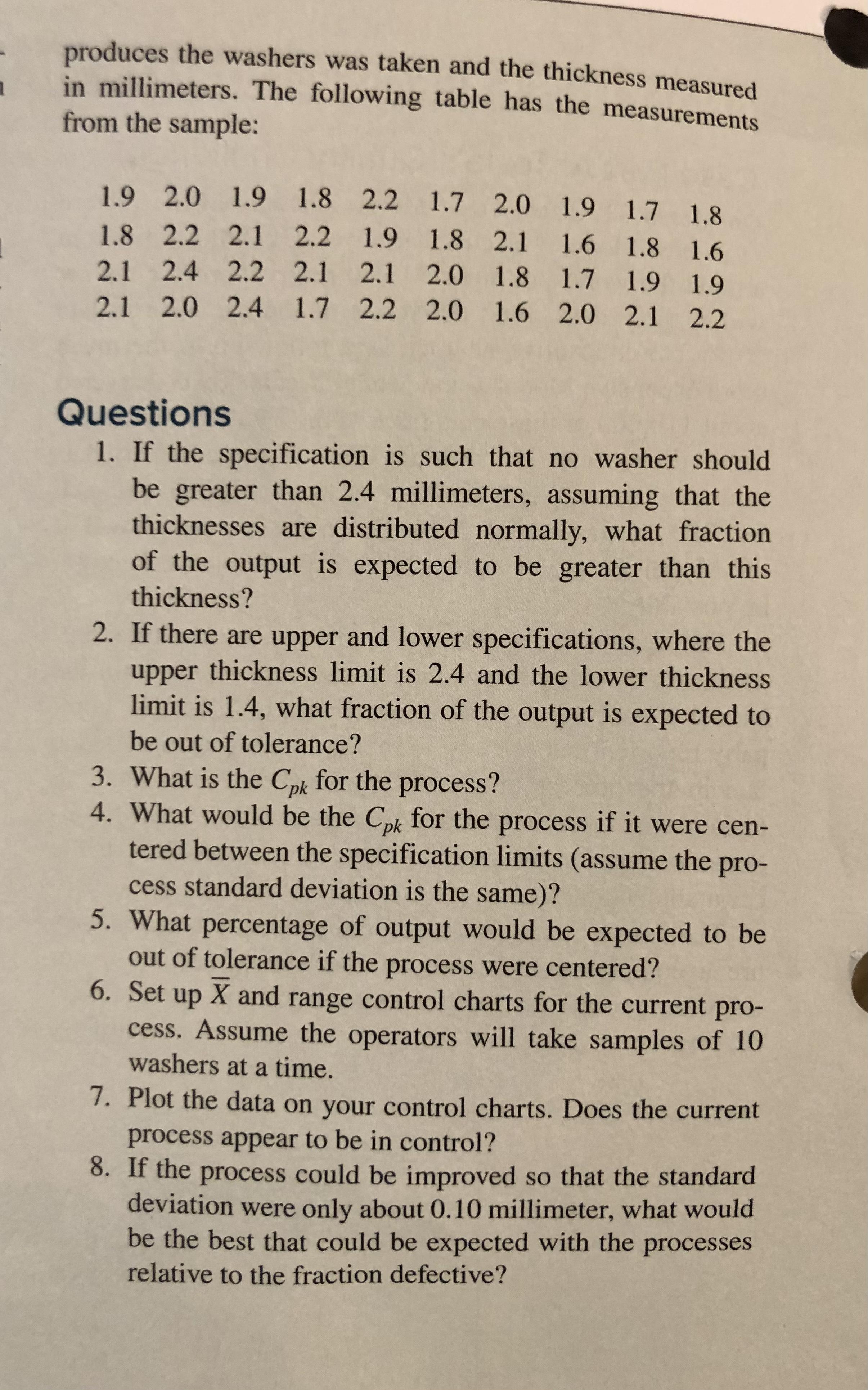
MANAGEMENT-TESLA ANALYTICS EXERCISE: QUALITY Case Part A: Tesla's Quality Challenge On March 31, 2016, Tesla Motors announced the release of its new Model 3 electric car. Over 276,000 people from around the world put down $1,000 reservations for the car within three days. First deliveries of the car were in late 2017. The innovative new car is a follow-up to the much more expensive Model S and Model X cars. Tesla delivered about 110,000 of these cars prior to the Model 3 announce- ment. Elon Musk, the brilliant CEO of the company, has said that he has confidence that the company can sell 500,000 cars a year by 2020. Given the interest shown at the Model 3 announcement, some experts think this might be possible. The fledging Palo Alto, California, automaker has strug- gled with ramping up manufacturing, particularly with the Model X sport-utility vehicle introduced in 2015. The com- pany reported that there were many sourcing changes made late in the process of planning production. Tesla tends to make items, such as the middle seats in the Model X, in- house rather than outsourcing them, which is done by many car manufacturers. The issues associated with the production of the cars are a complex combination of mechanical and computer software problems. Popular features of the cars include driving-assist autopilot functions, auto-parallel parking, and auto-braking. The cars even have an auto-summons fea- ture that lets a driver park and retrieve their car with no one inside. Many post-production issues have been addressed through software updates downloaded to customers over wireless connections. Other mechanical problems are more difficult to resolve. Owners have complained that the Model X falcon-wing doors will not open. When owners have problems like this, Tesla typically schedules a time to pick up the car for repair and leaves a loaner for use by the customer. Another recent issue was a latch on the third-row seat that could come undone during a collision. Tesla decided to recall 2,700 Model X cars to replace the latches with a new design. This recall totally overloaded Tesla's service outlets with waits of more than two weeks to make the repair. Some customers were offered rental cars due to the long wait. So far, customers expect the "white-glove" treatment that Tesla currently offers, but a big concern is what Tesla will do when there are hundreds of thousands of vehicles on the road. Mr. Musk's Tesla cars have many loyal customers, even though problems have been encountered. But moving from tens of thousands of vehicles to hundreds of thousands may be difficult, unless some major service improvements are made. Case Part B: Quality Control Analytics As part of the process for improving the quality of their cars, engineers have identified a potential improvement to the process that makes a washer that is used in the accelerator assembly. The tolerances on the thickness of the washer are fairly large since the fit can be loose, but if it does happen to get too large, it can cause the accelerator to bind and create a potential problem for the driver. (Note: This part of the case has been fabricated for teaching purposes.) Let's assume that as a first step to improving the pro- cess, a sample of 40 washers coming from the machine that produces the washers was taken and the thickness measured in millimeters. The following table has the measurements from the sample: 1.9 2.0 1.9 1.8 2.2 1.7 2.0 1.9 1.7 1.8 1.8 2.2 2.1 2.2 1.9 1.8 2.1 1.6 1.8 1.6 2.1 2.4 2.2 2.1 2.1 2.0 1.8 1.7 1.9 1.9 2.1 2.0 2.4 1.7 2.2 2.0 1.6 2.0 2.1 2.2 Questions 1. If the specification is such that no washer should be greater than 2.4 millimeters, assuming that the thicknesses are distributed normally, what fraction of the output is expected to be greater than this thickness? 2. If there are upper and lower specifications, where the upper thickness limit is 2.4 and the lower thickness limit is 1.4, what fraction of the output is expected to be out of tolerance? 3. What is the Cpk for the process? 4. What would be the Cpk for the process if it were cen- tered between the specification limits (assume the pro- cess standard deviation is the same)? 5. What percentage of output would be expected to be out of tolerance if the process were centered? 6. Set up X and range control charts for the current pro- cess. Assume the operators will take samples of 10 washers at a time. 7. Plot the data on your control charts. Does the current process appear to be in control? 8. If the process could be improved so that the standard deviation were only about 0.10 millimeter, what would be the best that could be expected with the processes relative to the fraction defective?
Step by Step Solution
3.47 Rating (157 Votes )
There are 3 Steps involved in it
Solution We use the formula 7 rpgh where r is the radius of the tube p is ... View full answer

Get step-by-step solutions from verified subject matter experts
 Study Help