



Question: MGT 337 Nestle Shared Value (SV) Homework 1. What did you find most interesting or surprising in this article? 2. How do Shared Value (SV)
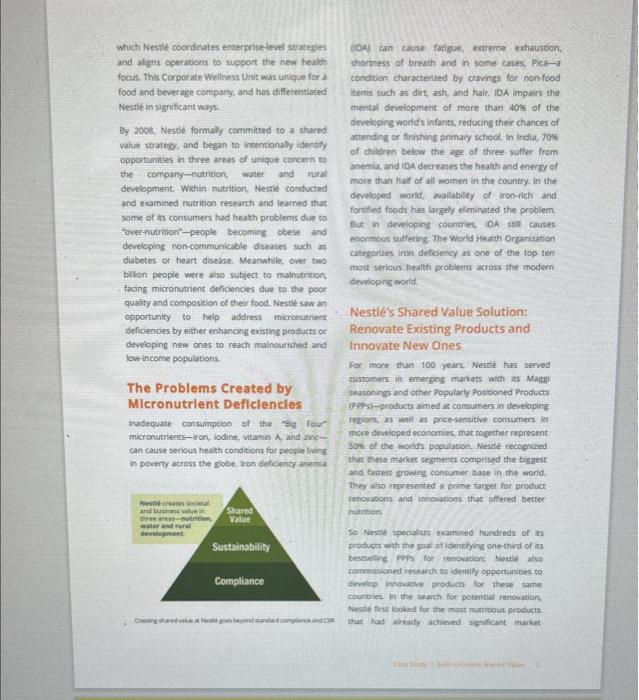
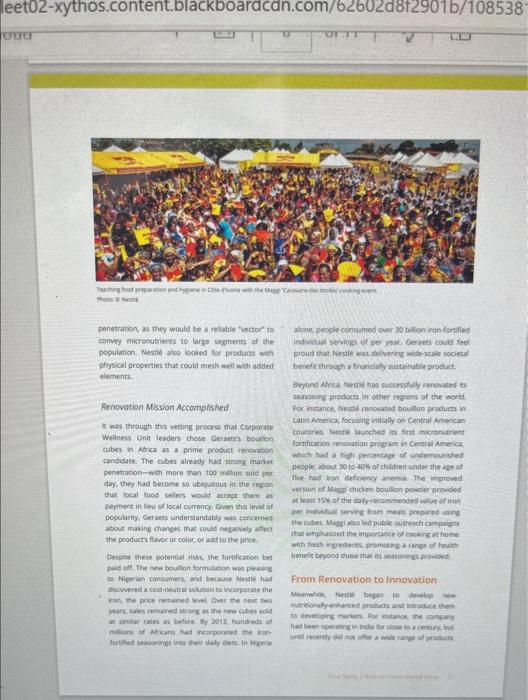
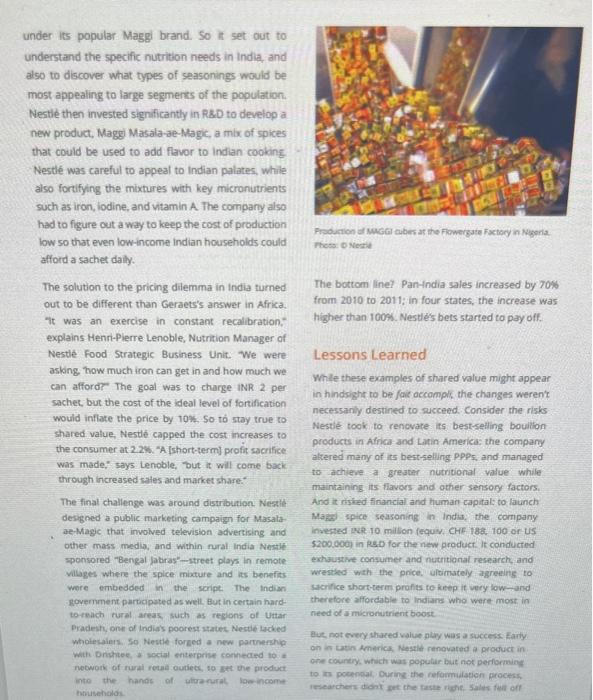
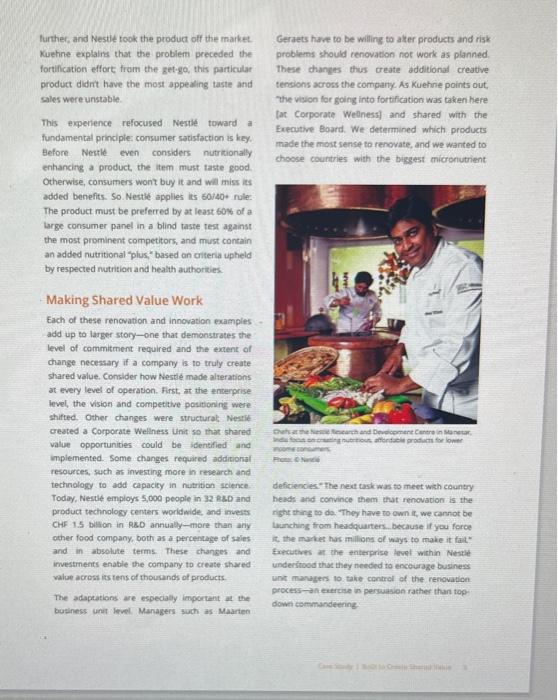
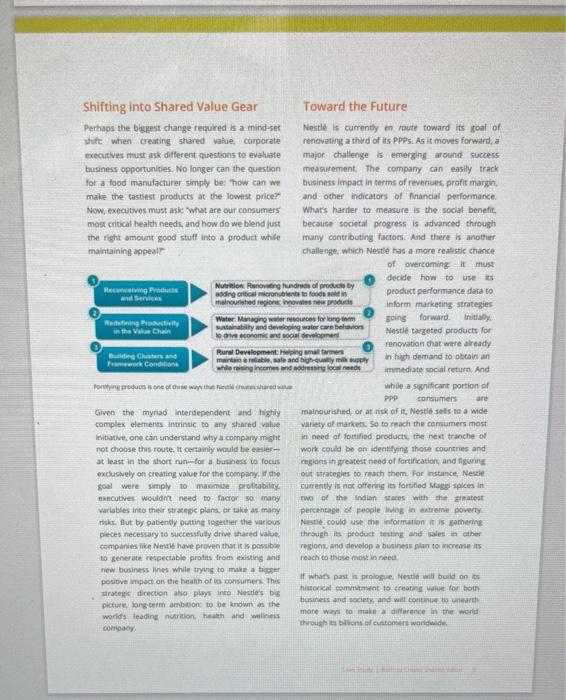
MGT 337 Nestle Shared Value (SV) Homework 1. What did you find most interesting or surprising in this article? 2. How do Shared Value (SV) initiatives, like in this article, impact brand awareness of the organization? 3. In many instances, SV initiatives are developed at the corporate level, and not initially supply chain focused. How can the supply chain take a leadership role in SV programs? 4. Think of an industry that is not related to Nestle. What steps should a company, in that industry, take to replicate Nestle's program? Is SV possible in all industries? Shared Value Initiative Built to Create Shared Value: How Nestl Tackles Malnutrition in Developing Regions Built to Create Shared Value: How Nestl Tackles Malnutrition in Developing Regions By Leslie Crutchfield, Senior Advisor, FSG Justin Bakule, Executive Director, Shared Value Initiative Marc Pfitzer, Managing Director, FSG Shared Value Initiative FSG About Shared Value About FSG The shared Value lritiative io a giobal cornmtinity of practice to dive adoption and himplemenation of thare value strategies among leading companies civil 7 ociety, and parthering with comporatomsifundjdoch. government ofgantzationt. The Shared Value Initative woeks with parthers to launch and curate sturedvalue org divilop tookots to guhice shared vidue implementation, convene prachiogners to peomete best practicess arid expand the network of Atrieled Professional. Fenveg lirms that aim toprovide curtartued shared value strategy and support join is in the Shaced Value initaative to shape the emserging field of pracice, develop case mudies onsharedyalue org acceis our global network of pracutionerw and exchary pe icheat Aas been heatures in the diew rach Ronesh Watr at events wikh Michael Porter, Mark Eramer and C-suite ecocutives Learn more arid join. the coctminitg at www theredvaluedire. NPR. Learm moen ar wivite octh Nestl business manager Maarten Geraets had a problem with one of his products in Nigeria in 2009. Geraets oversaw one of Nestle's most popular foods in Central and West Africa-Maggi spice bouillon cubes. These compact seasonings, used to flavor stews and soups, had become ubiquitous in the region. Nestle sold more than 100 million cubes each day there that year. So the problem wasit sales-rales were extellent. Kuehre, head of the Nestle food 5trategic Butiness Rather, Geraet's challenge was that executhes and Unit " Whe, colcs is very important to the deshes," she: nutribontsts from Nestes Corporate Wellness Unit - continued. Iron can tum food brown, and Africans 3. strategic unit dedicated to driving the Nutrion, cooking at home would be dssatisfied if the coler of Heath and Welness orientation across the their stewn suddenly turned muddy. So researchers compony-had asked him to fortify the boullion in Nestles Product fedinclody Centre in Germany cubes whth iron so that consumers would be less at- tweaked the recipe arel it was just right sigs or. rigk of anemis and other related conditions that Denis Bardoy. Nutricon Advisce at the Nestle atfict malnourished and impoverahed populations. Corporite Weiness unit, 7t was fortified with a form In some parts of Central and Weit Africa, up to vok of iron that was not only nestral in taste but also was of chidren were anemic. in Nigeria, the problem easily absorbable by the body, it had pood aflected more than 75 of preschool-age chlidren. biowalabityy. While the proposed changes would address serious Meanwhile Geraets wrestied with the price. Nestle public health concems, adding iron would rabe ild not want to incrnase costs for contumers from production costs. If that translared ino a, price bower socio economic proups who wiere boch very increase, sales could drog. The changes would also price senstive and the mont atrisk of iron akter the color and tane of the cubes-potentiai cefieience So Necte created different solunons tum-offs to loyal customers. If any of these thas depending en local conditions in Niperia, the racipe ployed out consumption would fall. Then Nesties goal of combating iron deficency would not be whe Westle wantedito set dhe prica- achieved, and the botom line would sufler as well. So Geraets considered how to fox has bemselins byyith be alfforficibie inf product, which at the time washt ewn broken even very poor African and Marketing and kS units to conduat market ehilidreh were mMost at fliskcof versions of the seasonings Nestes firat concerowat flaver Taute is paramoure. There munt be catised by micfortutriert:. absolutely no laste change, explained chrotiane deflieierties: ranging from ithis cereaks and seasonings, to colfee and chocolse bas Early in its history, the business: pew around mik-based products. and Nestle to this day continues to work closely with farmens most of whom cperate simal farms to ensure a relabie, safe, and highi-quality mik suppy Whice hetping improwe tarmert lwahoods: and adaress soctal needs in their comnunitied. As Nestle expunded the variery of foods produced multolind and while some products conitinved to be highly nuaritious such as ies fortifitd milks and infans products, others wereent spedicialy desghed to bet laekalific. WheA pecer Brateckeletm ath was appointed c on 19gat, he set out duew utsion He aimed to repostion setwle ds an nutrition hasthy und weilness comparya axter chan a reneral foicd muryulaciurer. we besere that cur future lies irt helping prople to tow a Aevaltiner dot whether the probiem is deficency in vearnins arid minerats ar obesity. Wha this new yolops fons bezan to find ways on create mriovarve prostuots or renovale existang gotes thw could benefit that heain of consaenenk while conchung to yould prottimand thes create imcore thared value ti condept fiohecerd by Nesteecrention shared valur means that we sybternaticas lake detiont that ponduse value Aor the busness and diresty beyelt monument eitwiored and wupplerh the firmigets and ther cormmunites pisad a uathiteh abcut ensunes par campetithenem Whin kestie nod been practon ketareq vabe ance. is natpe os thus firw eapunch aparcuch to Fied laved and markednt the te brand ionel bunnes manapers nict as Chews n devica. ro eltableled the casprate Weines unt in 200 . Which Newhe coordinates enterpriselevel suateglet ciDel can cause fatigue, extreme exhaistion. and aligns operations to support the new heald shorthess of breath and in some cases. Phca-a focus. This Corporate Wellness Unit was uniqueffor a condition characterized by cravings for nonfood food and beverage company, and has ditferentlated titemis such as dirt, ash, and hair. 1DA impalrs the Neste in significant ways: mental development of more- than 40% of the developing worlds infanty, reducing their thances of By 2008. Westid formaly commited to a shared value strategy, and began to intentionally identify attending or finishing primary schoot, In india, 70% opportunities in three areas of unique concern to of chidren below the age of three.suffer from anemly, and ion decreases the health and enersy of the compsy-nutrition, water and rural more than hat of all women in the country- in the development: Within nutrition, Weitle conducted developed world, availability of iron-rich and and examined nutrition research and learned that dortified foods has largely eliminated the problem. some of its consumers had heath problems due to but in developing countries i0A still causes Fover-nutrition-people bectoming obese and enomous suifering The Wortd Flealth Orgarization developing non-communicable diseases much as categorians iron deficlency as are of the top ten diabetes or heart disease. Meanwhile, over bwo most serious heaith problems across the modern billon people were aiso subject to malnutrition, developing warid. Facing micronatrient deficiencies due to the poor quality and composition of their food. Nestle saw an opportunity to help address micronutinent . Nestl's Shared value Solution: deficiencies by either enhancing existing product or Renovate Existing Products and developing new ones to reach mailnourished and Innovate New Ones lowincome poputations. For more than 100 years, Nestle has served The Problems Created by customers in emerging markets with its Masci Beachningr and other Pogularly Positioned Products Mleronutrlent Deflciancies inadequate consumption of the pig four rfgons, as weit as pricesensitive consumers in micronutrients-iron, iodine, vitamin A, and rink- more diveleped economiks, that together repnesent can cause serious health conditions for people lyeng 5 Jow of the worlits population. Nestie recognized in poverty across the globe. Iron deficiency anems that these madivet segments cornprised the biggeut and factest growing connamer base in the world. They also represented a prime tanger for product ruovations and innovations that offered becter nutrition. So. Nieste specialists examined hundreds of ts produgt with the goal of idegthying one-third of ats bestseling pPfs for renowation; Nertle. alisa contmasioned reseurch to identify opportunibes to develop. innovithe products for these same ceuntries in the search for potential rencivation, Nistle first looked for the mout nutrioour products Peosithinge penetration, as they would be a relable "vectort to " alope, people cocisimed over ad bilign iron-lortified convey enkronutrients to large segmvents of the indwidoal seviogs of per year Geraets could feel population. Nestle also loched for products with proud that Nestle was delnering widescale sociecal physical properties that could mesh well with added beneit through a dinancialy surtainable product. tiements. Figond Afrea, Alent has soccesshuly e whoveked to seascgine products in other regians of the worid Renovation Mission Accomplished For instance, Nestle renovated bouklon products in tatin Americs, focuting inntialy on Centraf Ametican if was through this vetping process that coeporate cubes in Africa as a prime prodact rengeation fortificationrenowation prograrti ini Careral Americal cancitate. The cubes aiready had rercog marhy which had a high percentage of undempuristhed penetration-with more than 100 milhe thid per people abour 30 to 40 ber childeen under the age of day. they had become so ubiqutous in the regan fue had itan deticlency anemia. The irporoued that local food sellers would arcect, thein as weision of Masd chichen bouillon pownter provided peyment in lieu of local currency, Given this level of popularity, Geraets understandably wat concerted per indidual shivily tram meats prepared ating the produat fiavor or color, or add to the price. thic evepharslaed the impertance of cowilise at home Despet these potertial risk. she fortification bet benete beyond thase shat ita seatorand proveded, pakt ofl. The never boutlon formulabon was pleaking to Nigerlan conzunerh and becarse Weiate had Frorn Renovation to Inriovation daconered a costheutral wolucios to incerperase the * rany the peice remained level. Over the near twe Mrawetile, Nietly bekan 10 develso meN yoar. pains meitained stront as the new cibers told rurritionalyecthanced probuari and introdice bert. at similar rates os before. fy 2032, hundiwods of to denecpiry marketh. For intance, the company. fortined seanoninet inte their dally diets. In bemle. until necivily sid fac oifer a wede taragn at proctati under its popular Maggi brand. So it set out to understand the specific nutrition needs in India, and also to discover what types of seasonings would be most appealing to large segmerts of the population. Nestle then invested significantly in RBO to develop a new product, Maggl Masala-ae-Magic, a mix of spices that could be used to add flavor to indian cooking Nestle was careful to appeal to Indian palates, while also fortifying the mixtures with key micronutrients such as iron, iodine, and vitamin A. The company also had to figure out a way to keep the cost of production Arodrion at megl mben at the flowergate fxtory in Ngerla. low so that even low-income indian households could afford a sachet dally. The solution to the pricing dilemma in india turned bottom line? Pan-india sales increased by 70% out to be different than Geraets's answer in Africa. from 2010 to 2011; in four states, the increase was "t was an exercise in constant recalbration. higher than 100\%. Nestle's bets started to pay off. explains Henri-Pierre Lenoble, Nutrition Manager of Nestl food Strategic Business Unit. We were Lessons Learned asking, how much iron can get in and how much we can afford? The goal was to charge INR 2 per Whle these examples of shared value might appear sachec, but the cost of the ideal level of fortification in hindsighr to be faik accomplt the changes werent would inflate the price by 10\%k So to stay true to necessanly destined to succeed. Consider the risks shared value, Nestle capped the cost increases to . Nestie took to renovare its best-selling bouilion the consumer at 22\%6. "A Ishort-term) profit sacrifice products in Africa- and Latin America: the company was made," says Lenoble. but it will come back- akered meny of its best-selling Pp s, and managed to achieve a greater nutritional value while through increased sales and market share." The final challenge was around distribution, Nestle. And it rivied firancial and human capital to launch designed a public marketing campaign for Masala- Maja ipice seasoning in. India, the company ae-Magic that involved television advertising and insested IrR. 10 milton feque. CHE. 188,100 or US other mass medis, and within nural india Nestle 5200,000 in kso for the new product. It conducted sponsored "Bengal latras"-street plays in remote exhoustive consumer and nuthitional research, and vilages where the spice mixture and is benefits wregted wath the price, ultimately agreeing to were embedded in the script. The indian sacrifice shortterm profis to ketp it very low-and govemment parbopated as well But in certain hard- therefore affordable to lndians who were most in toreach rural areas such as reglons of Uttar need of a micronutrient boost. Pradeiti ons of indists poorest staus Nestle Licked wholesaiers so tientle forred a new partmerghip ale not every ahared walue play wis a success Early nowork of rual roual outiech, to ste the product - one countiry, which was populur but not pertorming. inte the hands of bltrenral loe income to is pocensat, Ouring the refommulsticn process husuehaln further, and Nestle took the product off the market. Geraets hare to be willing to alter products and risk Kuehne explalis that the problem preceded the problems should renovation not work as planned. fortification effort from the get-go, this particular. These changes thus create additionat creathe product didnt have the most appealing taste and tensions across the company As Kuehne points out. sales were unstable. the vizon for going into fortification was taken here This experience refocused Nentle toward a Cat Corporate Wellness) and shared with the fundamental principle: consumer satisfaction is kcy. Executive Board. We determined which products Before Nettle even considers nutritionally made the most sense to renovate, and we wanted to enhancirg a product, the item must taste good. choose couritries with the biggest micronutrient Otherwise, consumers wont buy it and wil miss its added benefits. So. Nestle applies its 60740+ rule: The product must be preferred by at least 60 of of a targe consumer panel in a blind taste test against the most prominent competitors, and must contain an added nutritional "plus," based an critenia upheld by respected nutrition and health authorikies. Making Shared Value Work Each of these rencvation and innovation examples add up to larger story-one that demonstrates the level of commitment required and the extent of change necessary if a company is to truly create shared value. Conslder how Nestie made alrerations at every level of operation. First, at the enterprise level, the vision and competitive positioning were shifted, Other changes were structurat Neatie ceated a corporate Wellness Unit so that shared value opportunities could be identified and implemented. Some changes required additional resources, such as investing more in research and technolosy to add capacity in nutribon science. deficiencies. The neut task was to meet with country Today, Nestle employs 5,000 people in 32RBD and heads and convince them that renovation is the product technology centers worldwide, and imuests nght thing to do. They have to own it, we cannot be CHE 1.5 bllion in REO annualy-more than any Luanching from heidquarters. because if you force other food company, borh as a- percentage of sales . It, the market has millions of ways to make it fat" and in absolute terms. These changes and fxecuthes at the enterprise level wichin Nestle imvestments enable the compary to create shared: underistood that they needed to encourage business value across its tens of thousands of products- unt machagens to take control of the renovallon. The adaptations are especiatly important at the- grocess-an eiercise in persuason rather than togbualiess unit level Managers such as Maarten dowe commandeering Shifting into Shared Value Gear Toward the Future Perhags the biggest change required is a mind-set Nestle is currently en route toward its goal of shitt when creating shared vatue, corporate renovating a thind of its PPPs. As it moves forward, a executives must ask different questions to evaluate major challenge is emerging around success business opportunities. No longer can the question measurement. The company can easily track for a food inanufacturer simply be: how can we business inpact in terms of revenues, profit margin, make the tastiest products at the lowest pricer and other indicators of financial performance. Now, executives must asic what are our consumers Whars harder to measure is the sociat benefic, most critical healthneeds, and how do we blend funt because societal progress is advanced through the right amount good stuff into a product while many contributing factors. And there is another maintaining appeat? challenge, which Nestle thas a more realistic chance of overcoming it must decide how to use is product perlormance data to inform marketing strategies going forward. Intialy. Nestle targeted products for renovation that were already in high dermand to obeain an immediate social return, And while a sqviticant portion of PPp. consumers are Given the myriad interdependent and highly mainourished, of at risk of it, Nestle sels to a wide complex elemens intrintic to any shared value varety ot markets to to feach the comsumers most Initative, one can understand why a company imght in need af fortillod products, the next tranche of not choose this route. It certailily would be eatier - work could be on identifyeng those countries and at least in the short nun-tor a bushess to focus regians in greatest need of fortifeation, and figuring exclusively on creating value for the company, if the out whategier to mach them. For ratance, Nesie goal were simply to maumise protgabiiny currenty is not offerng its fortified Maseg spices in executives wouldmt need to factor so many rwo of the indian itaces with the-greatest variables into their stasege plans or takit as many percentage of people Ming in eatreme poverty mix. flut by patienty puting rogether the various Nustle, could use the information it is gathering pieces necessary to successfuty drive tharnd value, throwgh it product atsing and taies in ther companies like Neake have proven that is is posvible regions, and devolop a businear plas to increase its. to generate respectable profits from existing and reach to those most in need. new business lines while tryang to make a bigser positve impact on the heath of is consumers the If whats past is prologie. Westle will bovid on its picture longeerm ambeon, to be known on the businers and societg and will tontante to unearth morlds leadirs nusrition, heath and whilhes more was to imain a difference in the world through ite blions of cittomers warliwide. corpacy
Step by Step Solution
There are 3 Steps involved in it

Get step-by-step solutions from verified subject matter experts