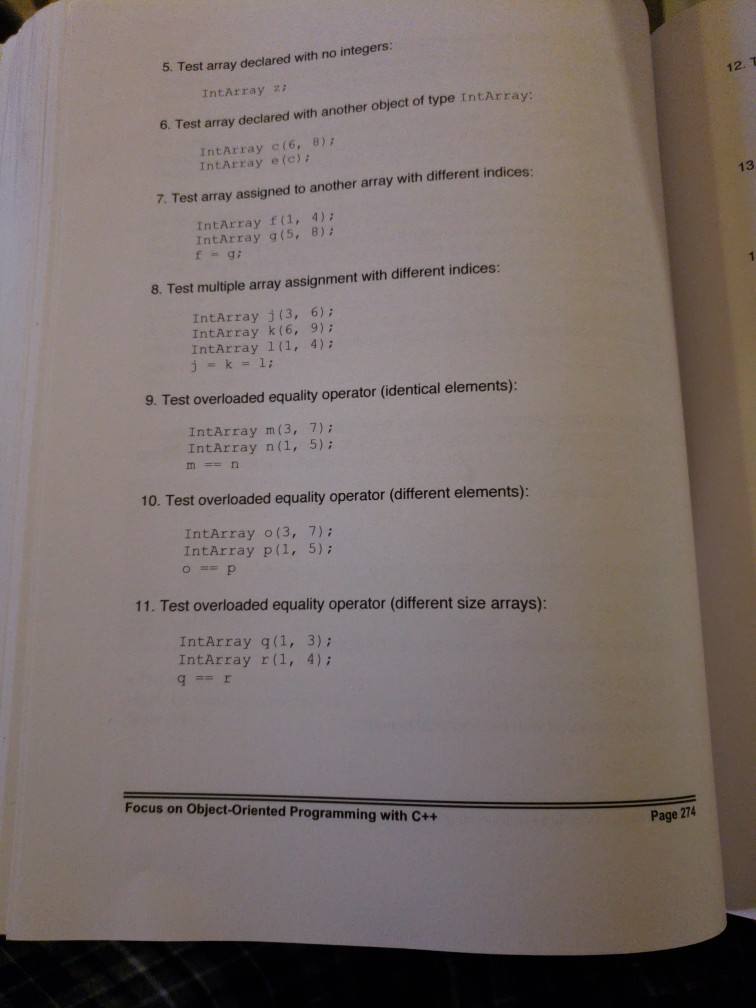
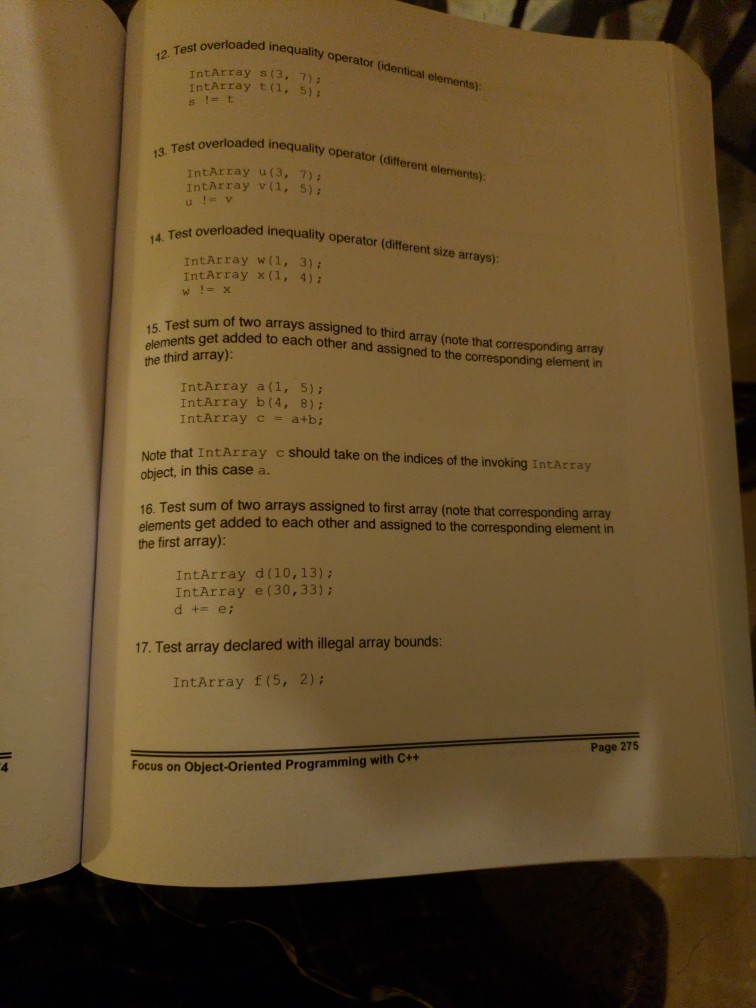
Question: need help with this program in c++ I have posted this question once but the code is wrong please help!!!! *the pictures I unloaded shows
need help with this program in c++ I have posted this question once but the code is wrong please help!!!!
*the pictures I unloaded shows what is being asked please help me!!!*
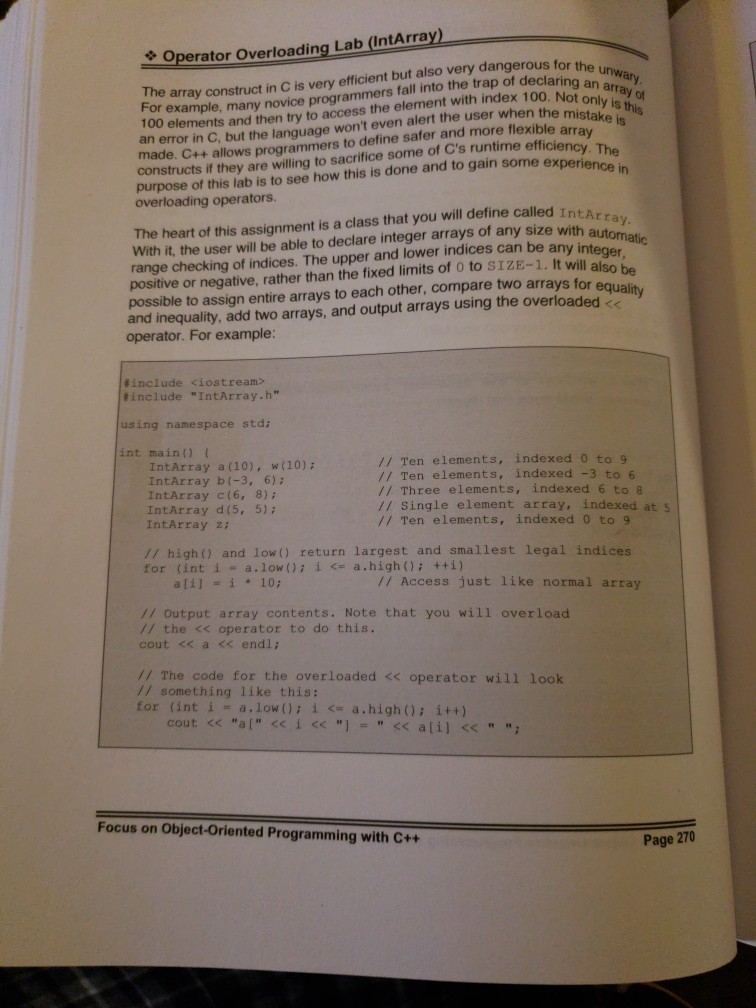
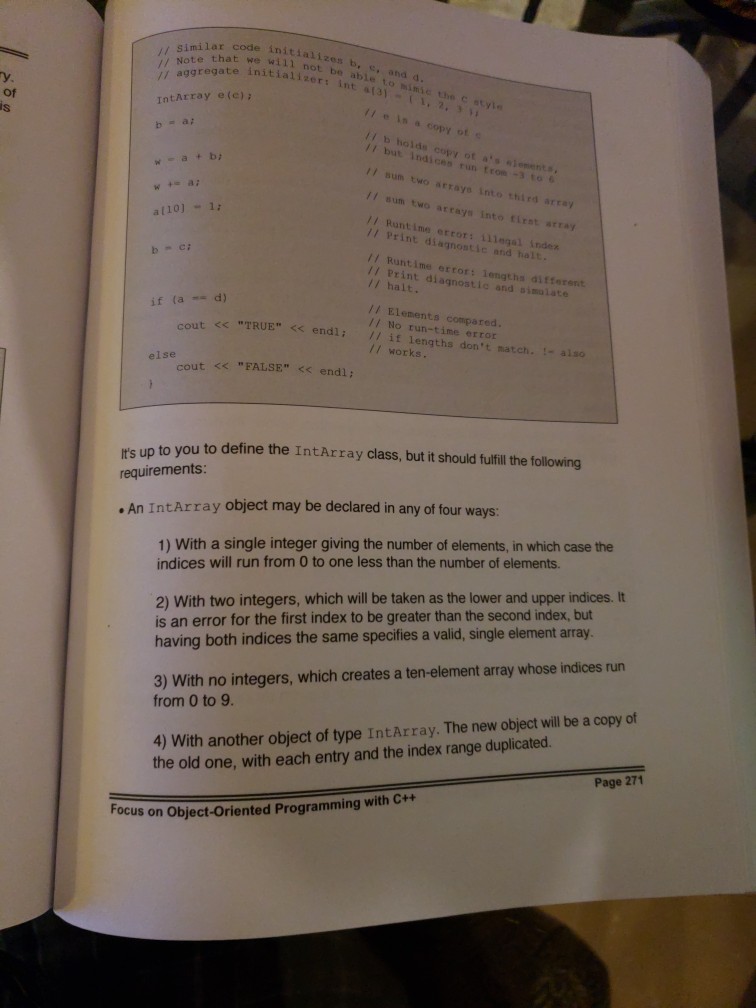
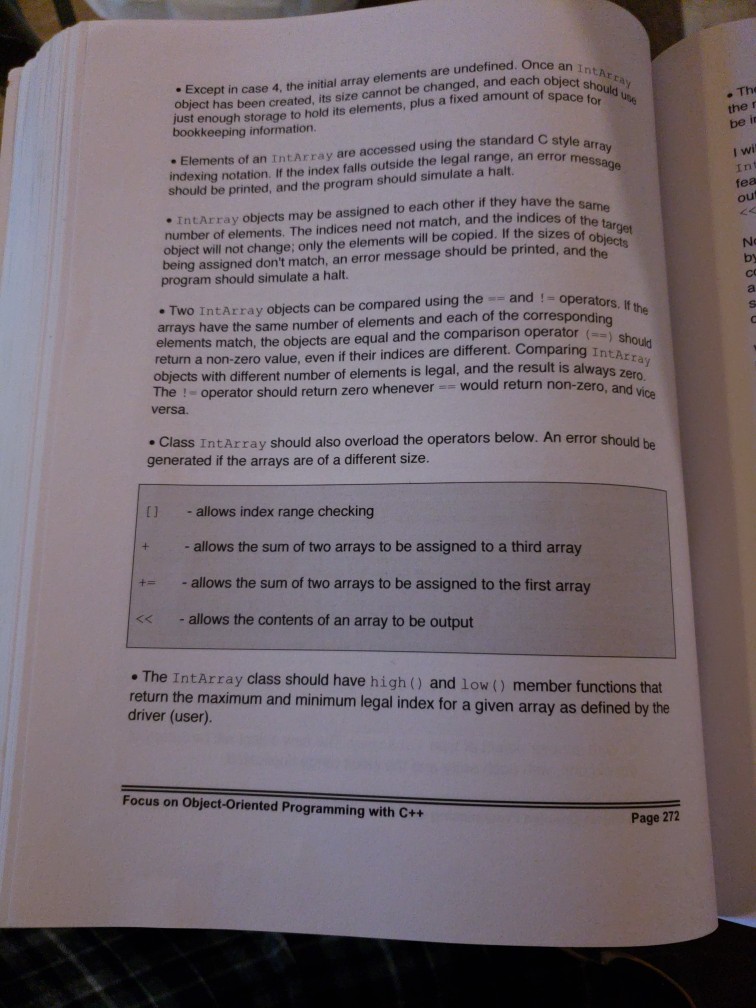
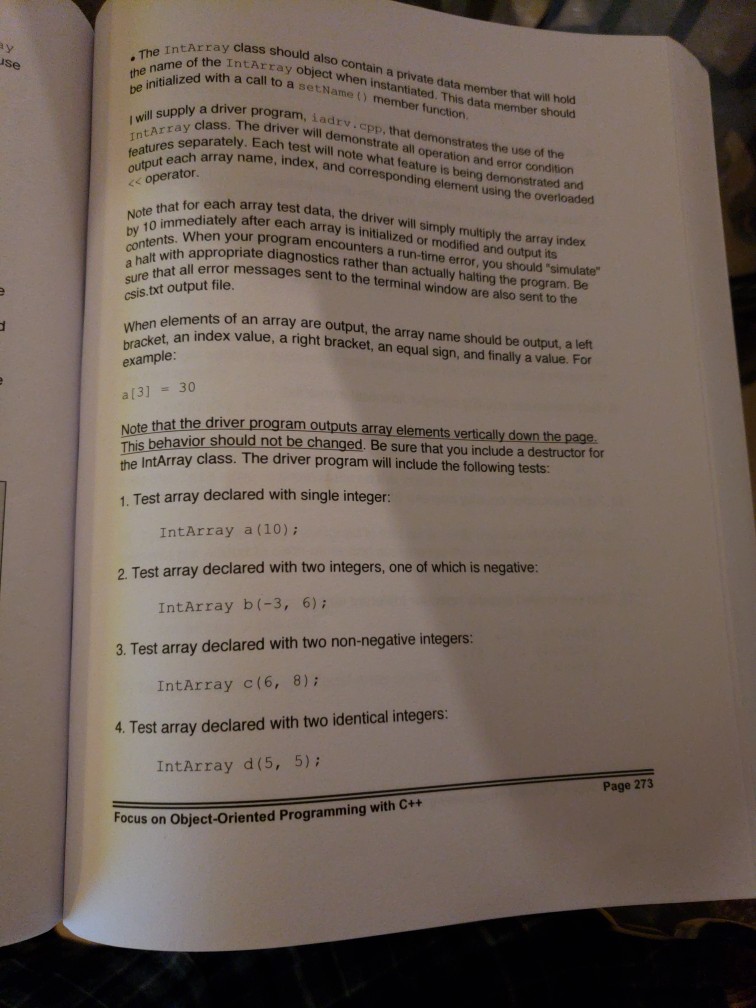
------------------------------------------------------------------------------------------------------------------------- // iadrv.h #ifndef _IADRV_H #define _IADRV_H #include "intarray.h" int main(); void test1(); void test2(); void test3(); void test4(); void test5(); void test6(); void test7(); void test8(); void test9(); void test10(); void test11(); void test12(); void test13(); void test14(); void test15(); void test16(); void test17(); void test18(); void test19(); void test20(); void wait(); #endif ------------------------------------------------------------------------------------------------------------------------- // iadrv.cpp - driver program for testing IntArray class #include #include #include #include #include "iadrv.h" using namespace std; ofstream csis; int main() { csis.open("csis.txt"); test1(); test2(); test3(); test4(); test5(); test6(); test7(); test8(); test9(); test10(); test11(); test12(); test13(); test14(); test15(); test16(); test17(); test18(); test19(); test20(); csis.close(); } void test1() { cout Operator Overloading Lab (IntArray) elements and then try to access the element with index 100. Noaray an error in C, but the language won't even alert the user when the r The array construct in C is very efficient but also very dangerous for the 100 ele array of For example, many novice programmers fall into the trap of declaring annway only is this array s to define safer and more flexible made. C++ allows The purpose of this lab is to see how this is done and to gain some experiencee overloading operators constructs if they are willing to sacrifice some of C's runtime efficie The heart of this assignment is a class that you will define called IntAr With it, the user will be able to declare integer arrays of any size with autor range checking of indices. The upp positive or negative, rather than the fixed limits of o to SIZE-1. It will also be er and lower indices can be any integer possible to assign entire arrays to each other, compare two arrays for and inequality, add two arrays, and output arrays using the overloadedy operator. For example: equality #include include "IntArray.h" using namespace std: int main) ( IntArray a (10), w(10) IntArray b(-3, 6)7 IntArray c(6, 8); IntArray d(5, 5)7 IntArray z: /I Ten elements, indexed 0 to 9 // Ten elements, indexed -3 to 6 // Three elements, indexed 6 to 8 at S // Ten elements, indexed 0 to9 // high) and low) return largest and smallest legal indices for (int ?.low ( ) ;









 Study Help