Question: Need someone to answer this accurately. In your answer be sure to explain how and why you choose what you choose, im kinda new to
Need someone to answer this accurately. In your answer be sure to explain how and why you choose what you choose, im kinda new to this stuff and explanations would be greatly appreciated not just putting the answer: the how and why. Thank you in advance! WRITE CLEARLY AND NEAT (OR TYPED DOCUMENT)
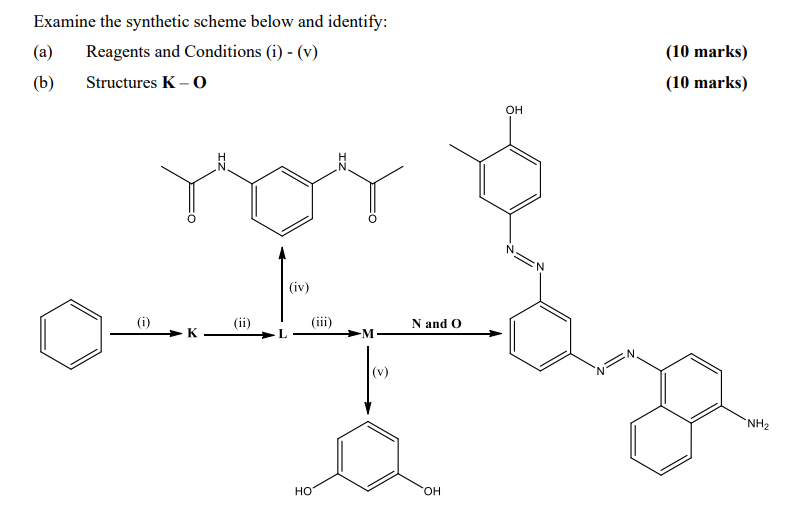
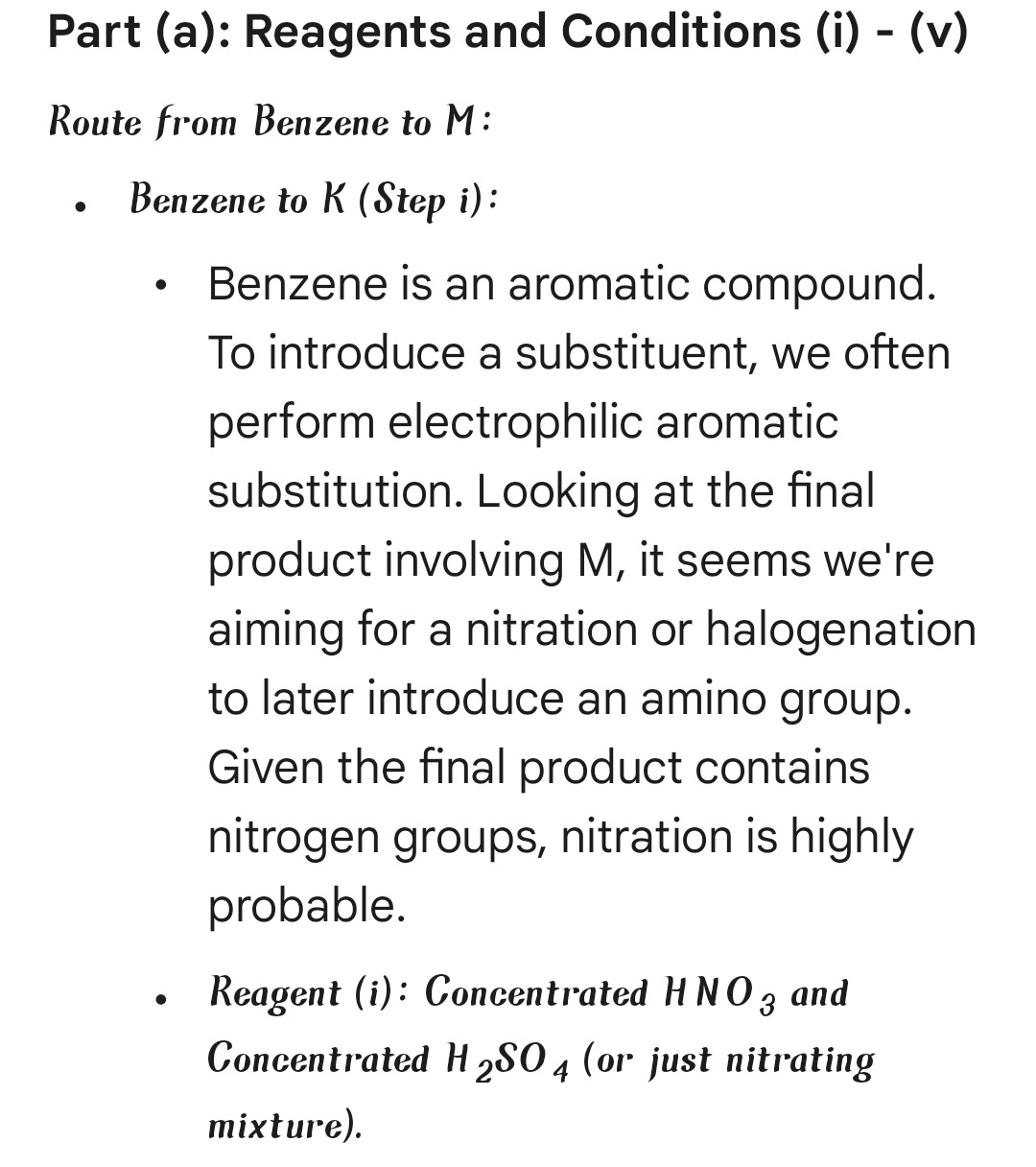
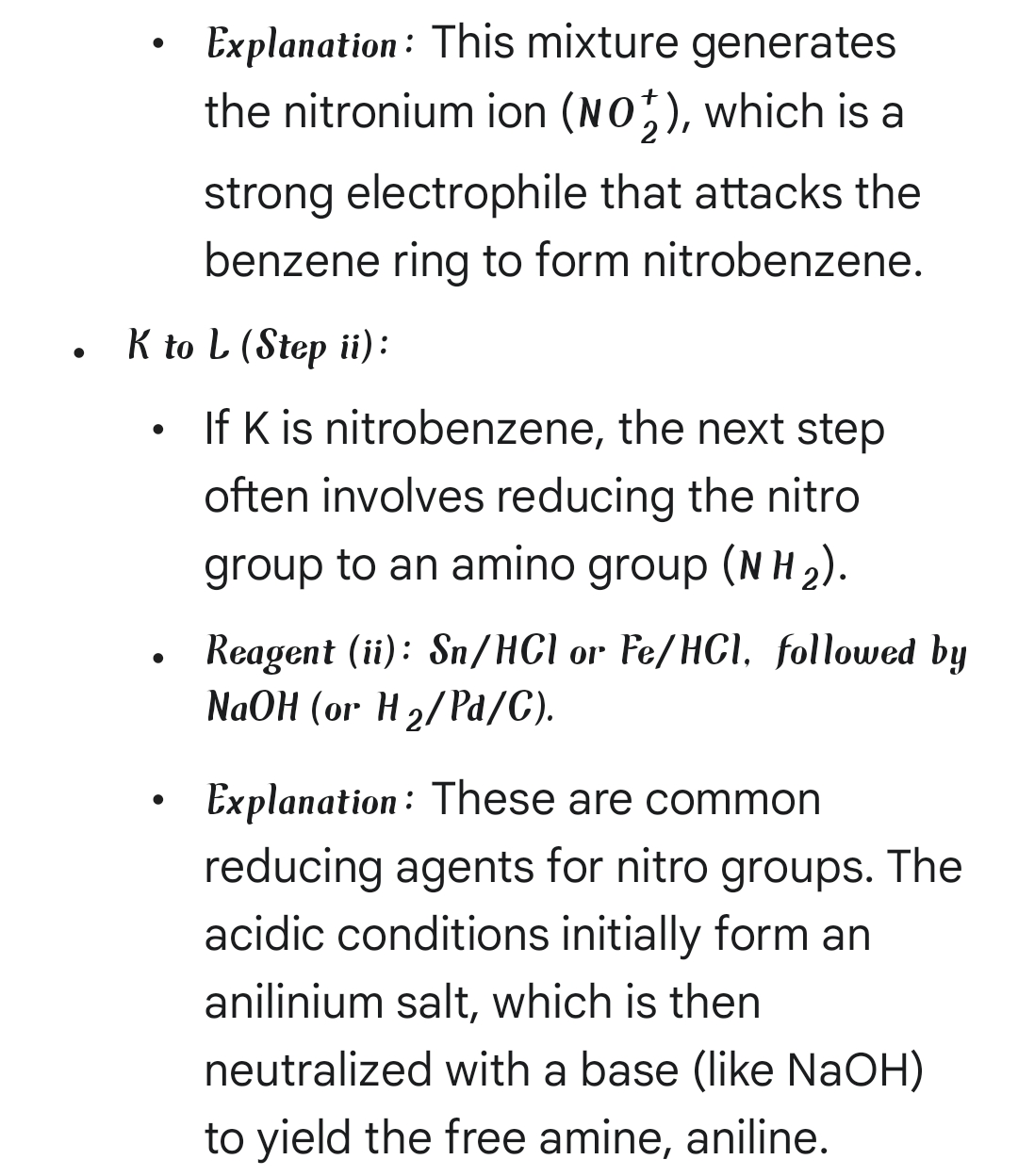
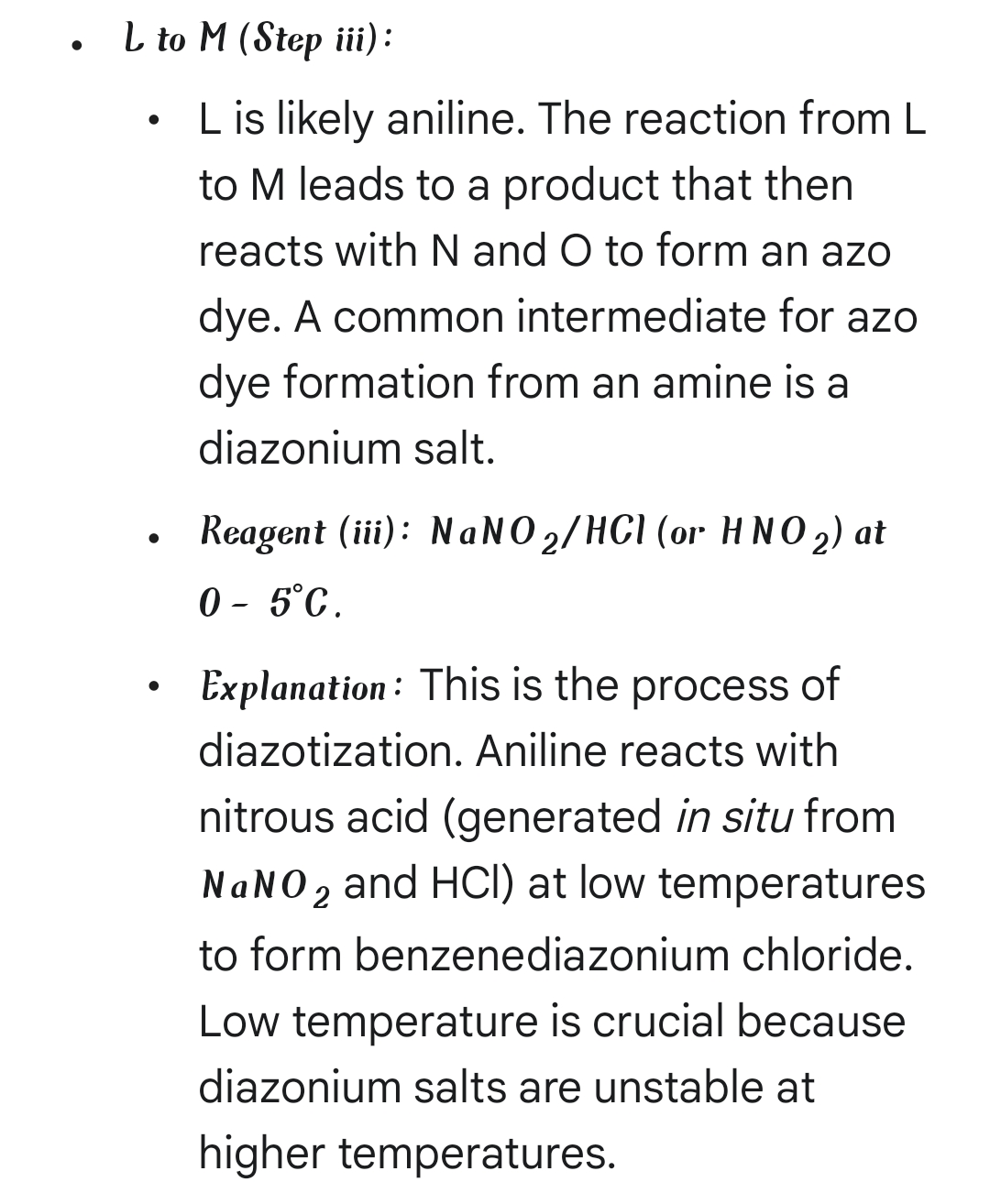
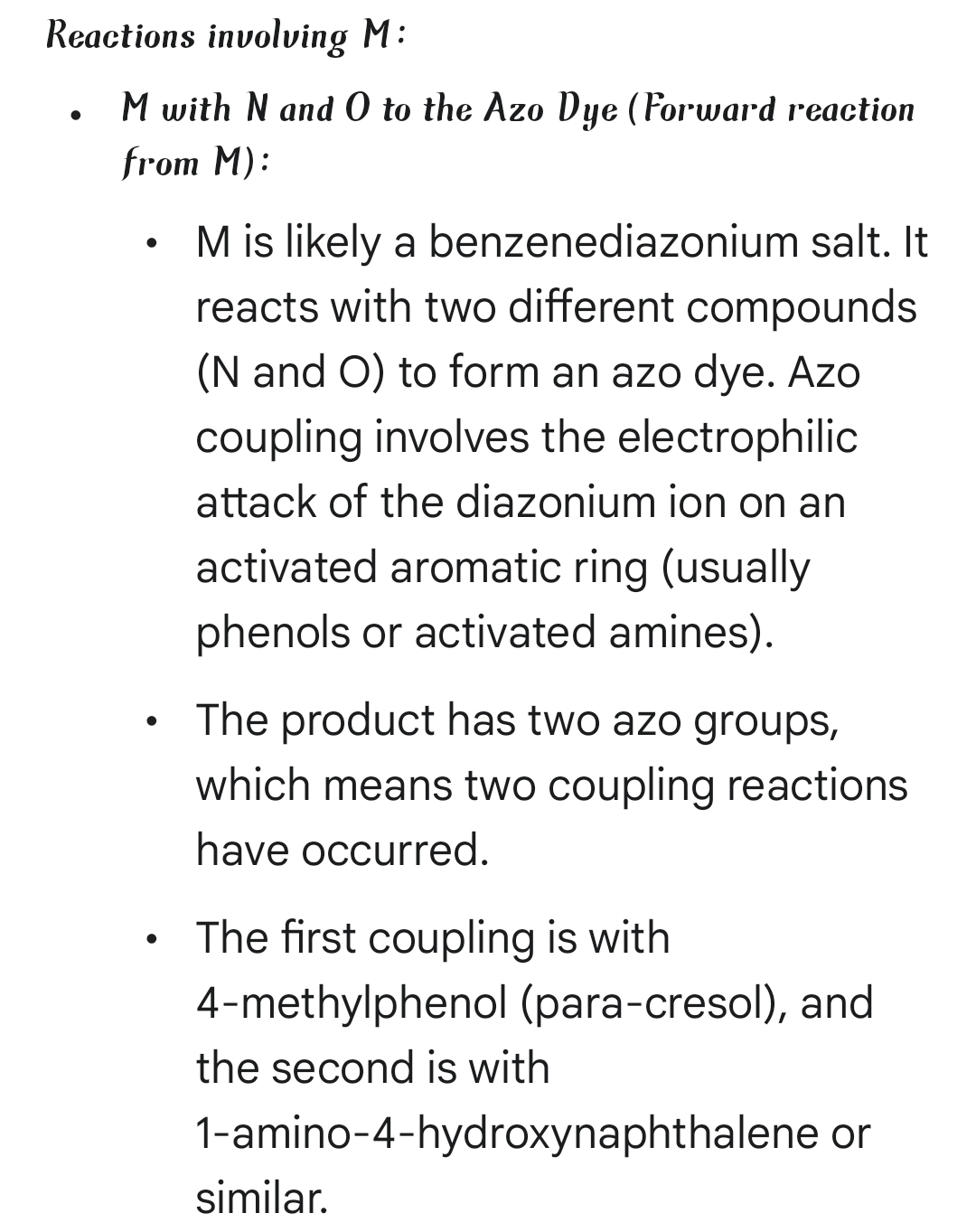
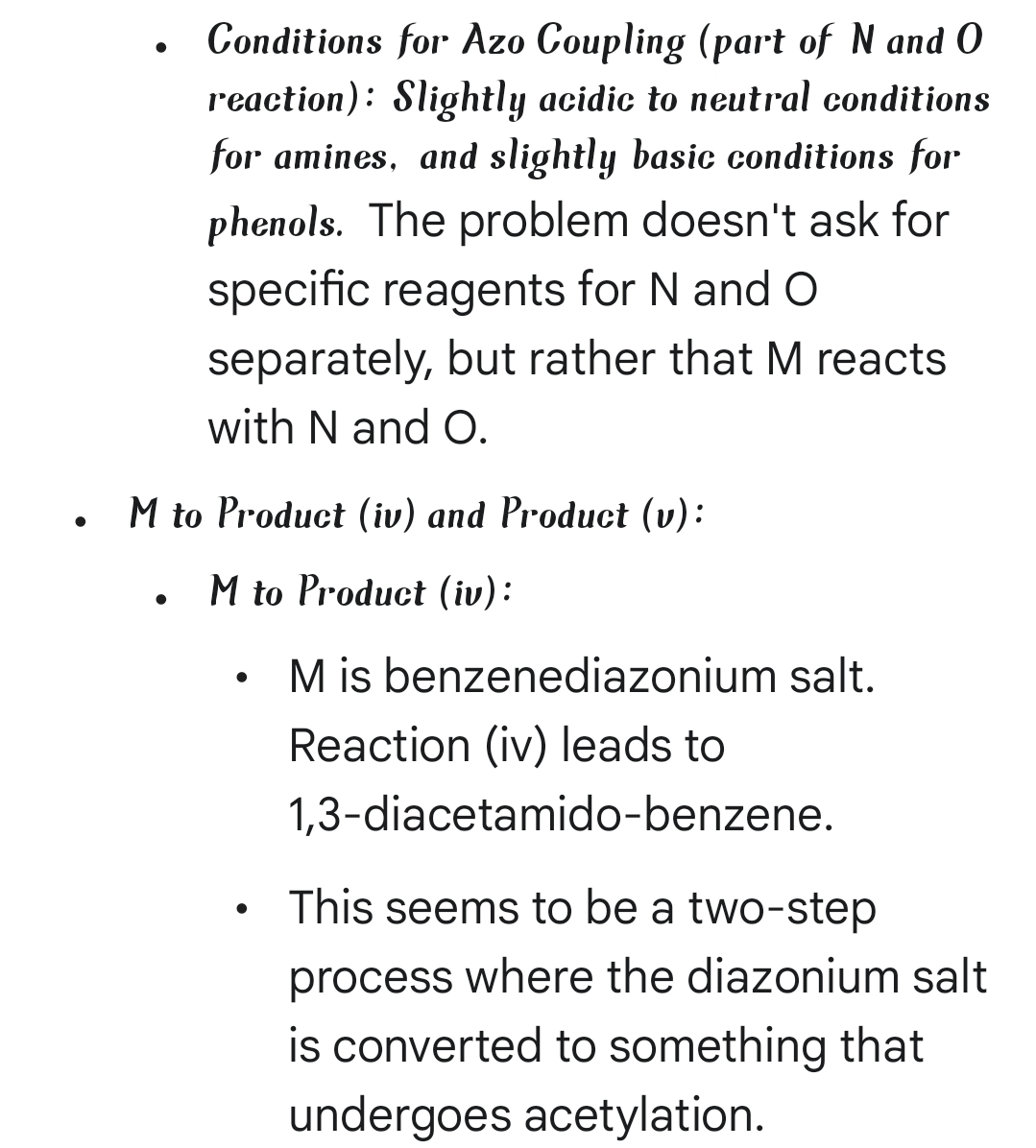
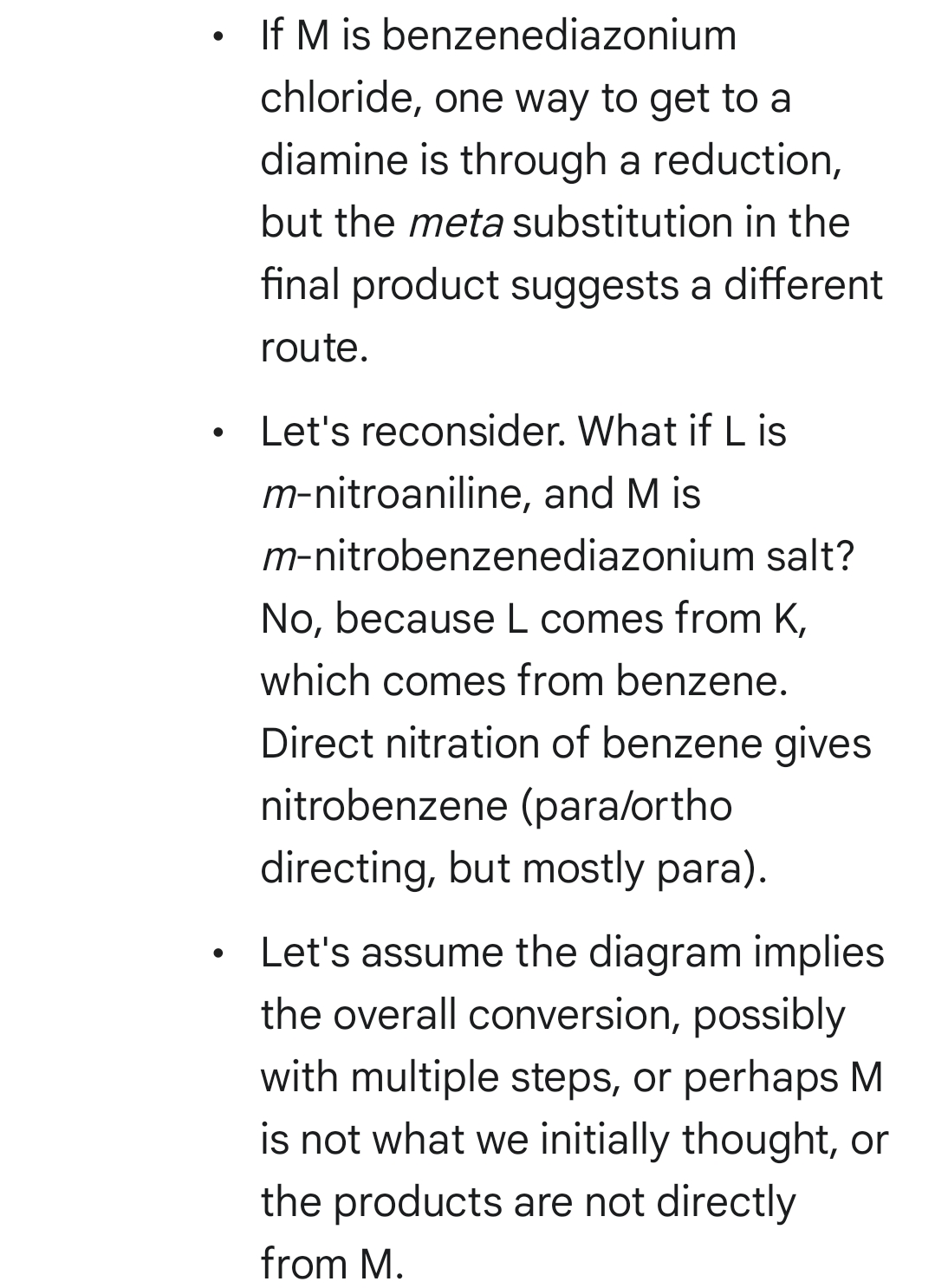
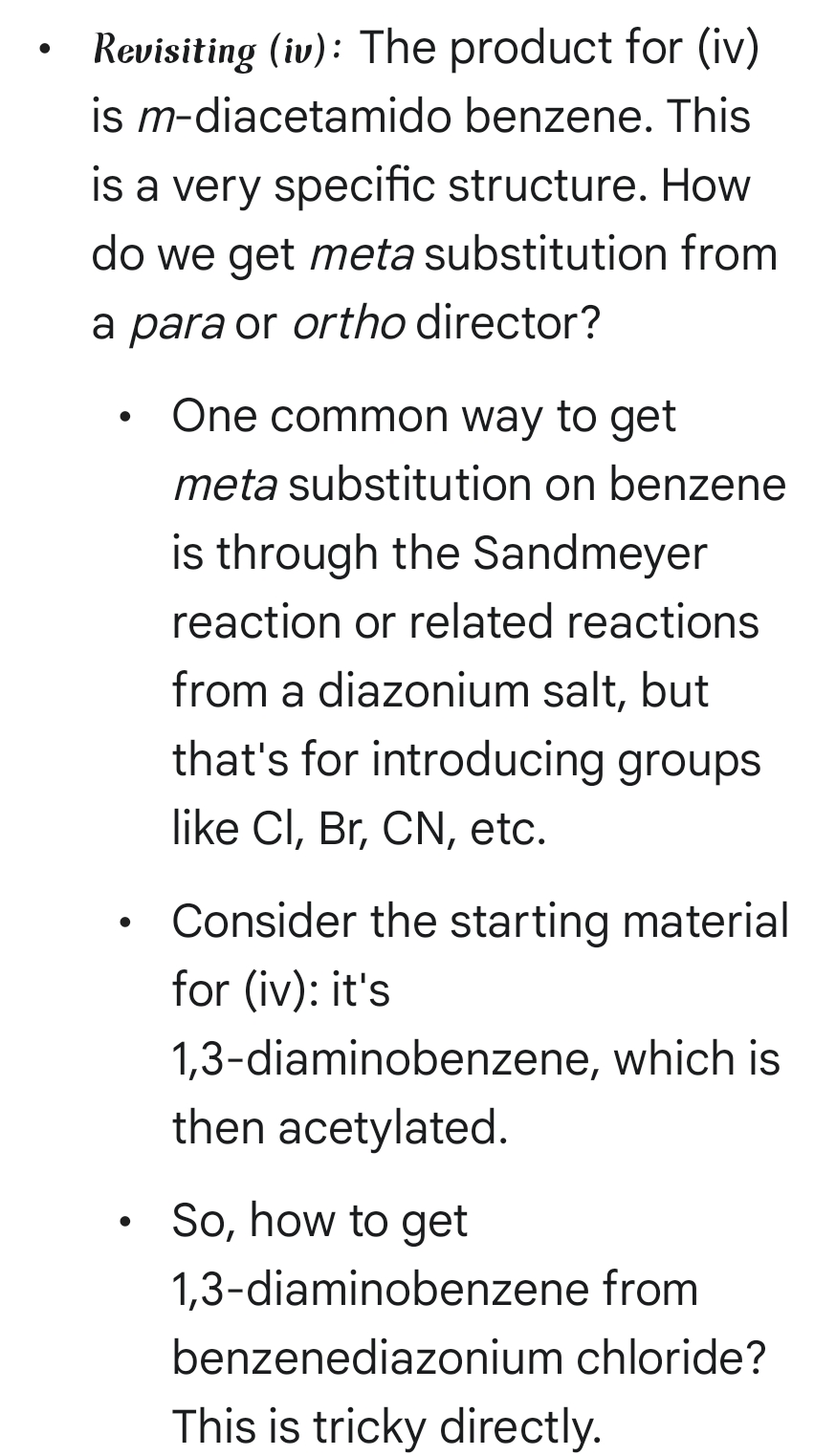
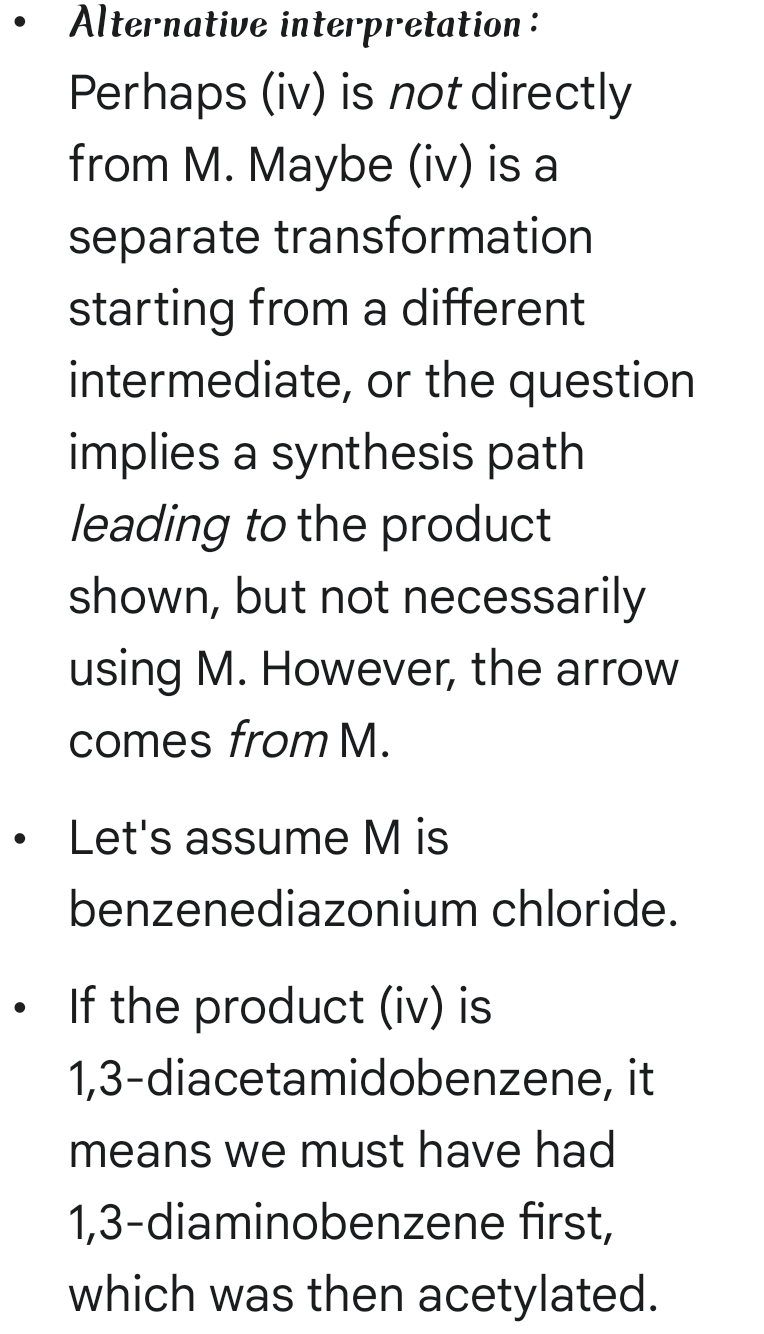
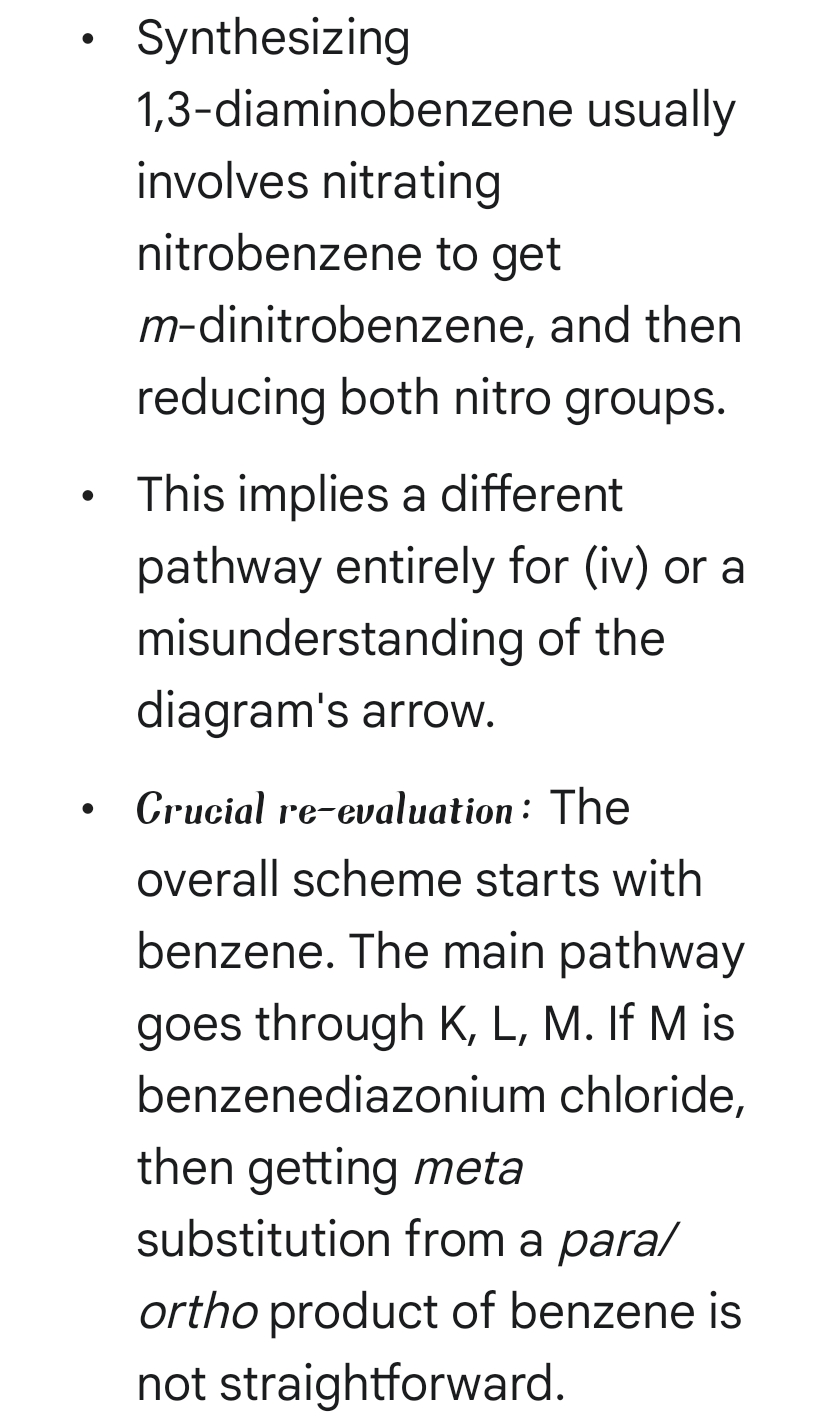
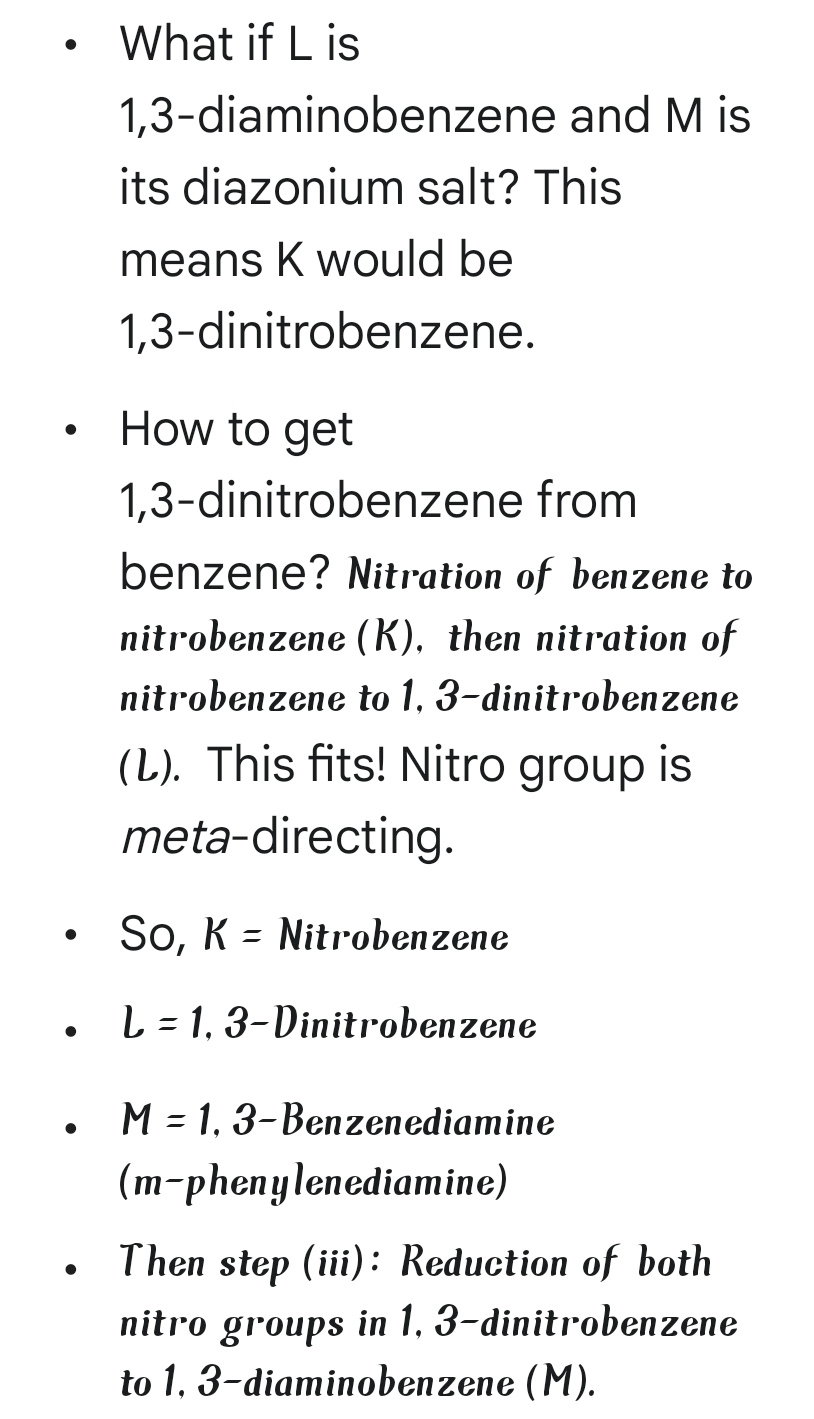
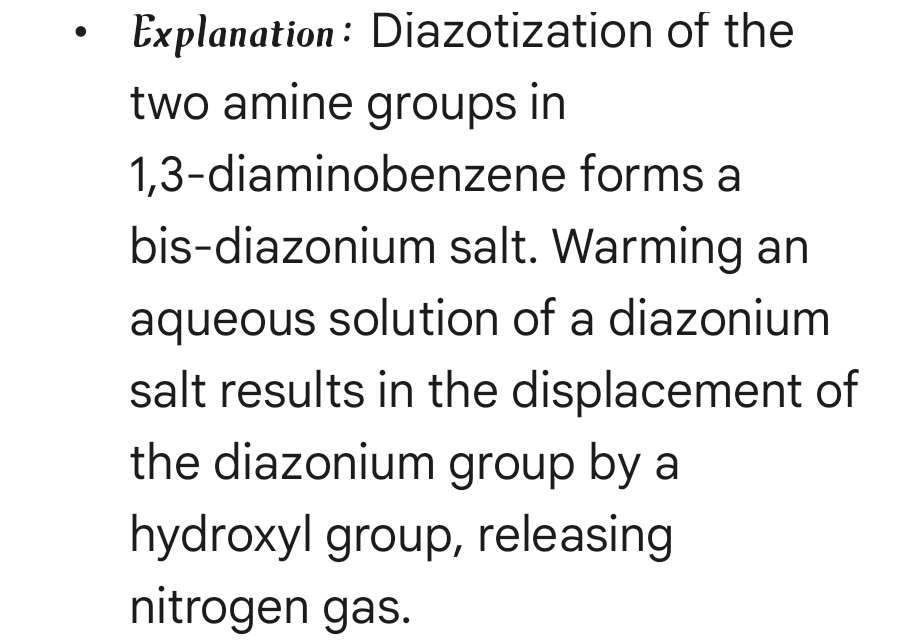
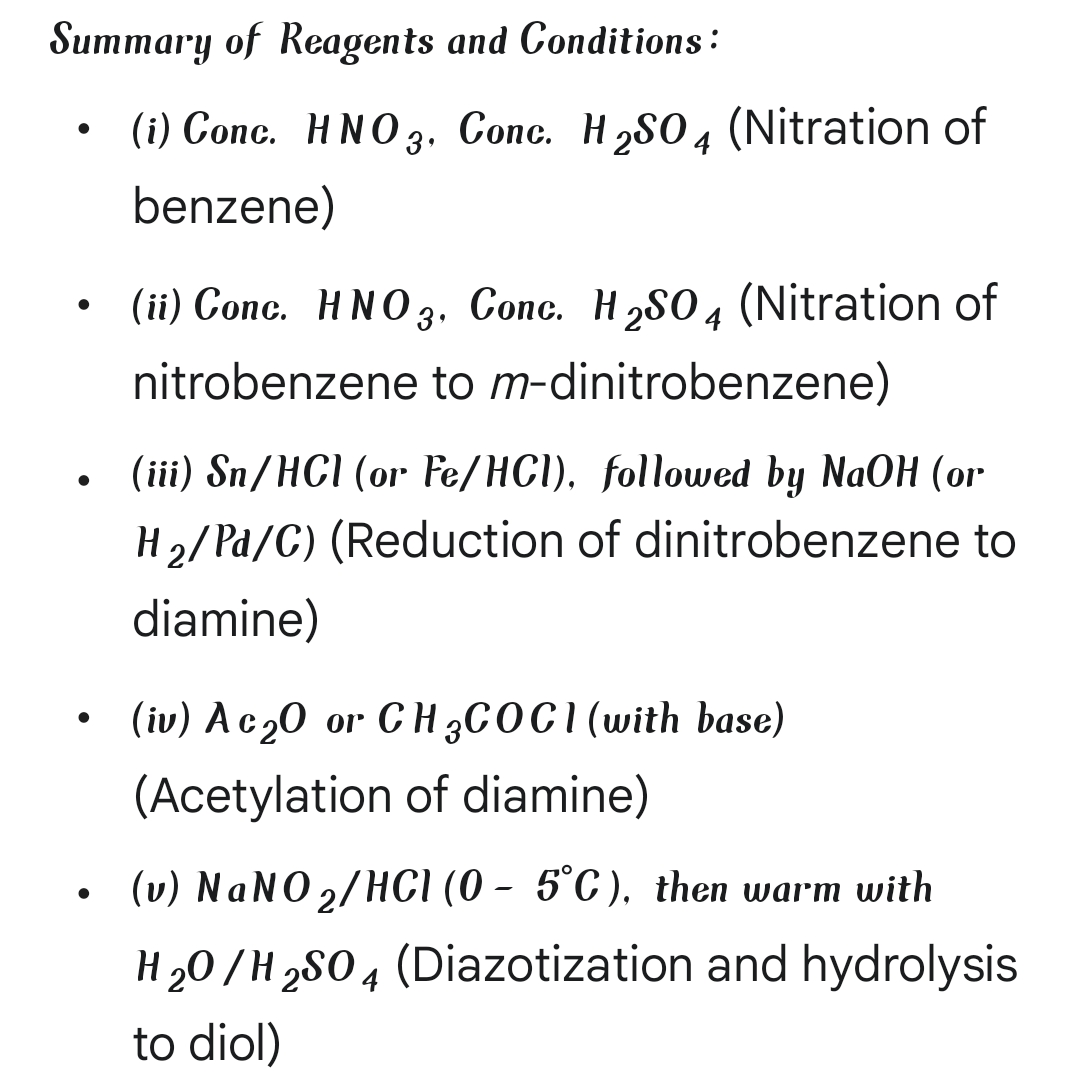
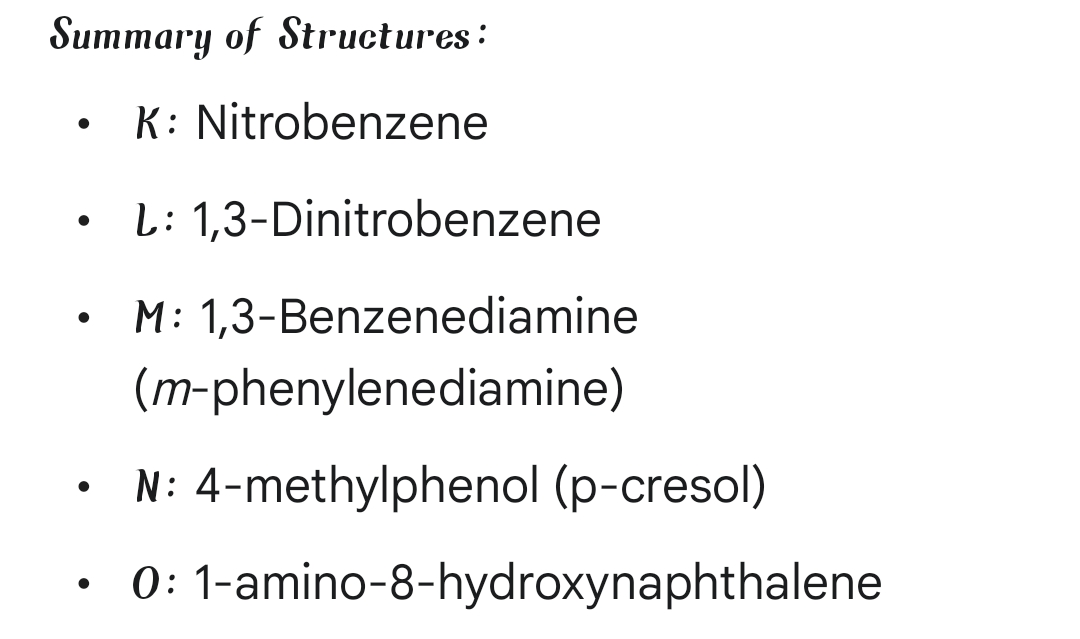
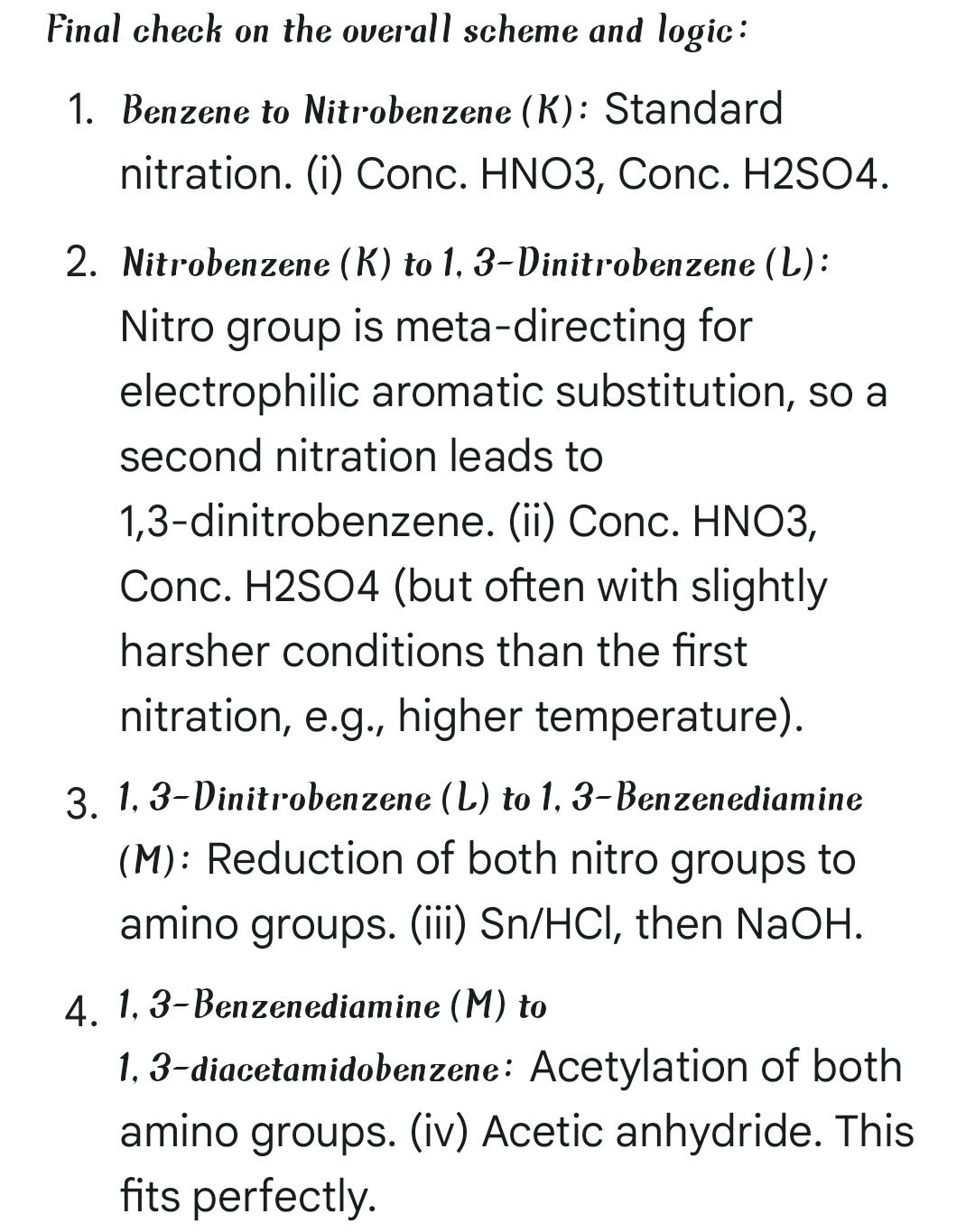
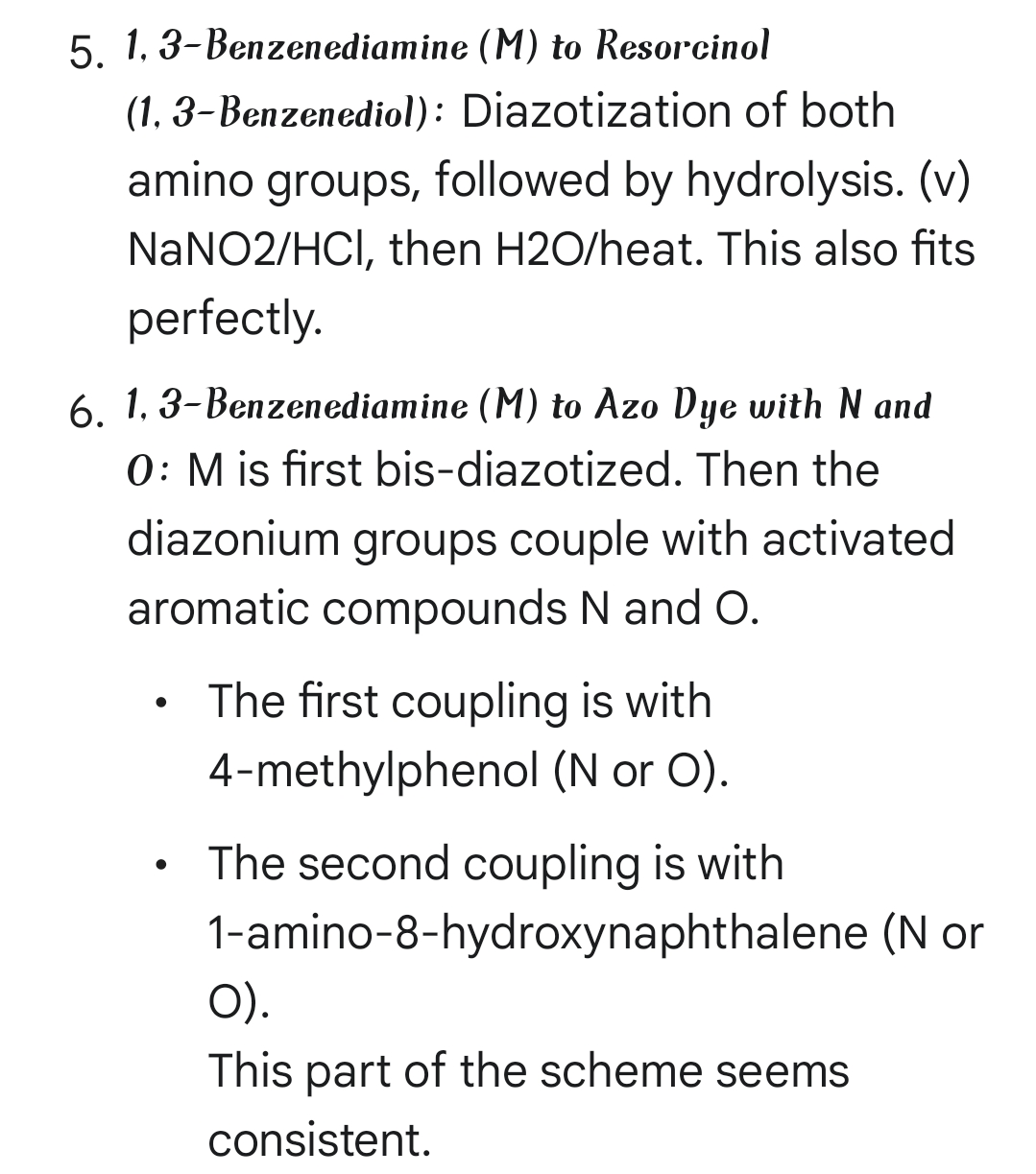
Examine the synthetic scheme below and identify: (a) Reagents and Conditions (i) - (v) (10 marks) (b) Structures K - O (10 marks) OH N. (iv) (i) (ii) (iii) N and O -K - L M- (V) N NH2 HO OHPart (a): Reagents and Conditions (i) - (v) Route from Benzene to M: Benzene to K (Step i): - Benzene is an aromatic compound. To introduce a substituent, we often perform electrophilic aromatic substitution. Looking at the final product involving M, it seems we're aiming for a nitration or halogenation to later introduce an amino group. Given the final product contains nitrogen groups, nitration Is highly probable. Reagent (i): Concentrated HNO and Concentrated H 5SO 4 (or just nitrating mixture). . Explanation : This mixture generates the nitronium ion (NO ) ), which is a strong electrophile that attacks the benzene ring to form nitrobenzene. . K to L ( Step ii) : . If K is nitrobenzene, the next step often involves reducing the nitro group to an amino group (N H 2). . Reagent (ii): Sn/HCl or Fe/ HCI, followed by NaOH (or H 2/ Pd/C). . Explanation : These are common reducing agents for nitro groups. The acidic conditions initially form an anilinium salt, which is then neutralized with a base (like NaOH) to yield the free amine, aniline.. L to M ( Step iii) : . L is likely aniline. The reaction from L to M leads to a product that then reacts with N and O to form an azo dye. A common intermediate for azo dye formation from an amine is a diazonium salt. . Reagent (iii) : NaNO 2/ HCI (or H NO 2) at 0 - 50. . Explanation : This is the process of diazotization. Aniline reacts with nitrous acid (generated in situ from NaNO 2 and HCI) at low temperatures to form benzenediazonium chloride. Low temperature is crucial because diazonium salts are unstable at higher temperatures.Reactions involving M: . M with N and O to the Azo Dye ( Forward reaction from M): . M is likely a benzenediazonium salt. It reacts with two different compounds (N and O) to form an azo dye. Azo coupling involves the electrophilic attack of the diazonium ion on an activated aromatic ring (usually phenols or activated amines). . The product has two azo groups, which means two coupling reactions have occurred. . The first coupling is with 4-methylphenol (para-cresol), and the second is with 1-amino-4-hydroxynaphthalene or similar. Conditions for Azo Coupling (part of N and O reaction): Slightly acidic to neutral conditions for amines, and slightly basic conditions for phenols. The problem doesn't ask for specific reagents for N and O separately, but rather that M reacts with N and O. M to Product (iv) and Product (v): M to Product (iv): Mis benzenediazonium salt. Reaction (iv) leads to 1,3-diacetamido-benzene. - This seems to be a two-step process where the diazonium salt is converted to something that undergoes acetylation. If M is benzenediazonium chloride, one way to get to a diamine is through a reduction, but the meta substitution in the final product suggests a different route. Let's reconsider. What if L is m-nitroaniline, and M is m-nitrobenzenediazonium salt? No, because L comes from K, which comes from benzene. Direct nitration of benzene gives nitrobenzene (para/ortho directing, but mostly para). Let's assume the diagram implies the overall conversion, possibly with multiple steps, or perhaps M is not what we initially thought, or the products are not directly from M. . Revisiting (iv): The product for (iv) is m-diacetamido benzene. This is a very specific structure. How do we get meta substitution from a para or ortho director? . One common way to get meta substitution on benzene is through the Sandmeyer reaction or related reactions from a diazonium salt, but that's for introducing groups like Cl, Br, CN, etc. . Consider the starting material for (iv): it's 1,3-diaminobenzene, which is then acetylated. . So, how to get 1,3-diaminobenzene from benzenediazonium chloride? This is tricky directly. Alternative interpretation: Perhaps (iv) is not directly from M. Maybe (iv) is a separate transformation starting from a different intermediate, or the question implies a synthesis path leading to the product shown, but not necessarily using M. However, the arrow comes from M. - Let's assume M Is benzenediazonium chloride. - |f the product (Iv) is 1,3-diacetamidobenzene, It means we must have had 1,3-diaminobenzene first, which was then acetylated. Alternative interpretation: Perhaps (iv) is not directly from M. Maybe (iv) is a separate transformation Starting from a different intermediate, or the question implies a synthesis path leading to the product shown, but not necessarily using M. However, the arrow comes from M. - Let's assume M Is benzenediazonium chloride. - |f the product (iv) Is 1,3-diacetamidobenzene, It means we must have had 1,3-diaminobenzene first, which was then acetylated. synthesizing 1,3-diaminobenzene usually involves nitrating nitrobenzene to get m-dinitrobenzene, and then reducing both nitro groups. This implies a different pathway entirely for (iv) or a misunderstanding of the diagram's arrow. Crucial re-evaluation: The overall scheme starts with benzene. The main pathway goes through K, L, M. If M is benzenediazonium chloride, then getting meta substitution from a para/ ortho product of benzene is not straightforward. . What if L is 1,3-diaminobenzene and M is its diazonium salt? This means K would be 1,3-dinitrobenzene. . How to get 1,3-dinitrobenzene from benzene? Nitration of benzene to nitrobenzene (K), then nitration of nitrobenzene to 1, 3-dinitrobenzene (L). This fits! Nitro group is meta-directing. . So, K = Nitrobenzene . L = 1, 3-Dinitrobenzene . M = 1, 3-Benzenediamine (m-phenylenediamine) . Then step (iii) : Reduction of both nitro groups in 1, 3-dinitrobenzene to 1, 3-diaminobenzene (M).. Reagent (iii): Sn/HCl or Fe/ HCI, followed by NaOH (or H 2/ Pd/C). . Explanation : Same reduction as before, but for two nitro groups. . Now let's re-evaluate M for the azo coupling and (iv) and (v). . If M is 1,3-diaminobenzene, how does it react with N and O to form the azo dye? It has two amino groups. Each can be diazotized and then coupled. The product shown has two azo groups, one originating from a phenol and the other from a naphthylamine. This suggests the starting material for the azo coupling is a diazotized M.Now let's re-evaluate M for the azo coupling and (iv) and (v). . If M is 1,3-diaminobenzene, how does it react with N and O to form the azo dye? It has two amino groups. Each can be diazotized and then coupled. The product shown has two azo groups, one originating from a phenol and the other from a naphthylamine. This suggests the starting material for the azo coupling is a diazotized M. . So, M must be 1, 3-benzenediamine, and for the azo coupling, it first needs to be diazotized. This is a common strategy where an amine is diazotized to form a diazonium salt, which then couples.. The arrow from M to the azo dye implies M is directly involved. . This means M itself is 1, 3-diaminobenzene. . Then, before the azo coupling, it needs to be bis-diazotized (two diazonium groups). So the full path from M to the final azo dye would involve diazotization of M, then reaction with N, then reaction with O. The scheme simplifies this. Let's re-evaluate (iv) from M: . If M is 1,3-diaminobenzene, then reaction (iv) is simply acetylation of both amino groups. . Reagent (iv): Acetic anhydride ( A c20 ) or Acetyl chloride (C H ,COC1) with a base (e. g. , pyridine).. Explanation : Amines react with acid anhydrides or acid chlorides to form amides. This is a common way to protect amine groups or to synthesize amides. . M to Product (v) : . M is 1,3-diaminobenzene. Product (v) is resorcinol (1,3-benzenediol). . How to convert a diamine to a diol? We can diazotize the amine groups and then hydrolyze the diazonium salt. . Reagent (v) : NaNO 2/ HCI (0 - 5 c). followed by warming with H 20 or H 280 4. . Explanation : Diazotization of the two amine groups in 1,3-diaminobenzene forms a bis-diazonium salt. Warming an. Explanation : Diazotization of the two amine groups in 1,3-diaminobenzene forms a bis-diazonium salt. Warming an aqueous solution of a diazonium salt results in the displacement of the diazonium group by a hydroxyl group, releasing nitrogen gas.\f\fFinal check on the overall scheme and logic: 1. Benzene to Nitrobenzene (K) : Standard nitration. (i) Conc. HNO3, Conc. H2SO4. 2. Nitrobenzene (K) to 1, 3-Dinitrobenzene (L) : Nitro group is meta-directing for electrophilic aromatic substitution, so a second nitration leads to 1,3-dinitrobenzene. (ii) Conc. HNO3, Conc. H2SO4 (but often with slightly harsher conditions than the first nitration, e.g., higher temperature). 3. 1, 3-Dinitrobenzene (L) to 1, 3-Benzenediamine (M): Reduction of both nitro groups to amino groups. (iii) Sn/HCI, then NaOH. 4. 1, 3-Benzenediamine (M) to 1, 3-diacetamidobenzene: Acetylation of both amino groups. (iv) Acetic anhydride. This fits perfectly.5. 1, 3-Benzenediamine (M) to Resorcinol (1, 3-Benzenediol) : Diazotization of both amino groups, followed by hydrolysis. (v) NaNO2/HCI, then H20/heat. This also fits perfectly. 6. 1, 3-Benzenediamine (M) to Azo Dye with N and 0: M is first bis-diazotized. Then the diazonium groups couple with activated aromatic compounds N and O. . The first coupling is with 4-methylphenol (N or O). . The second coupling is with 1-amino-8-hydroxynaphthalene (N or O). This part of the scheme seems consistent
Step by Step Solution
There are 3 Steps involved in it
1 Expert Approved Answer
Step: 1 Unlock
Question Has Been Solved by an Expert!
Get step-by-step solutions from verified subject matter experts
Step: 2 Unlock
Step: 3 Unlock
Students Have Also Explored These Related Accounting Questions!









 Study Help