







Question: Old MathJax webview project note on all project note on all SIT Syntet tonari 11.10 Other Age of Targ albo of Manufacturing and les Strange
Old MathJax webview
project note on all
project note on all
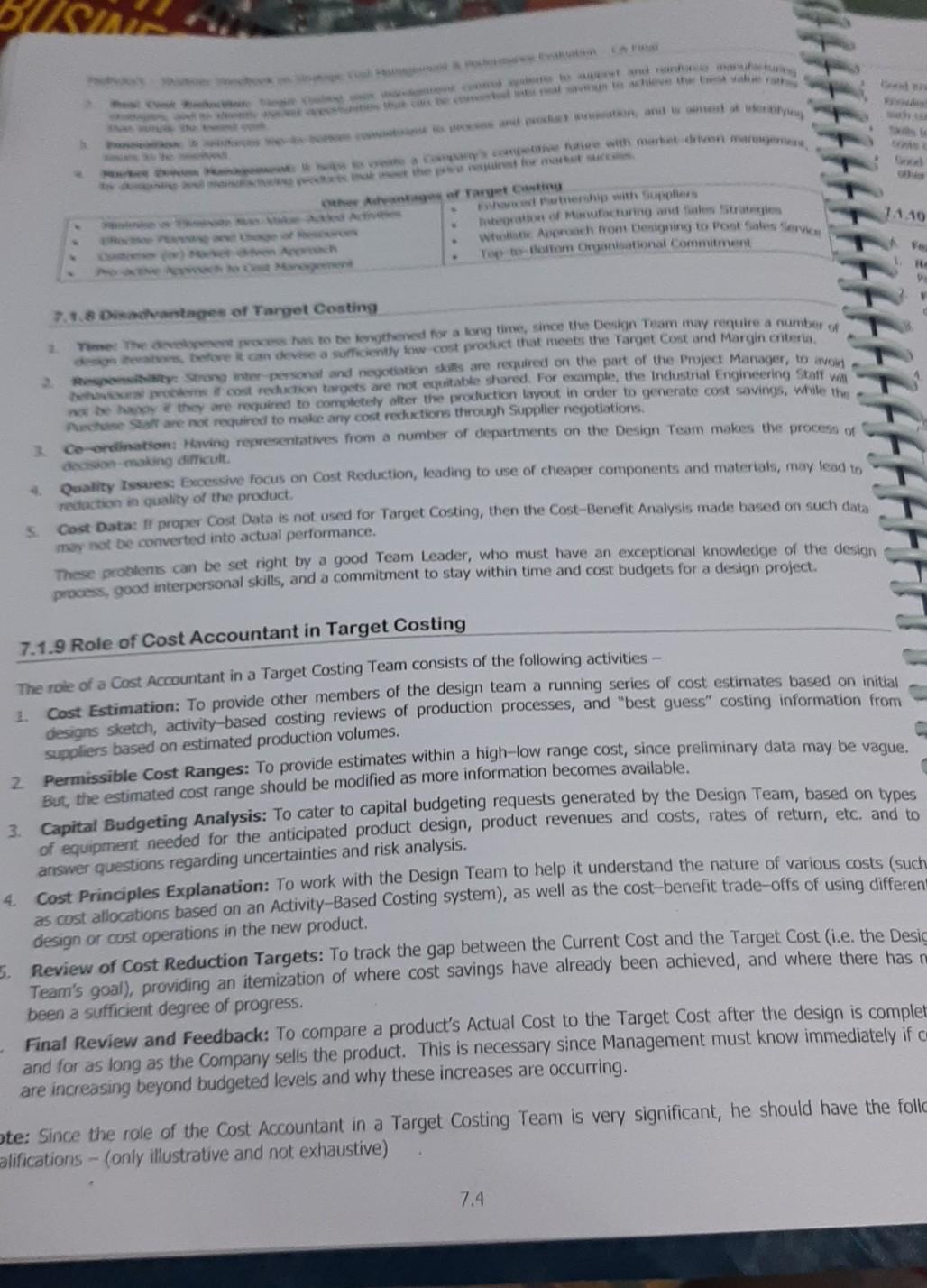
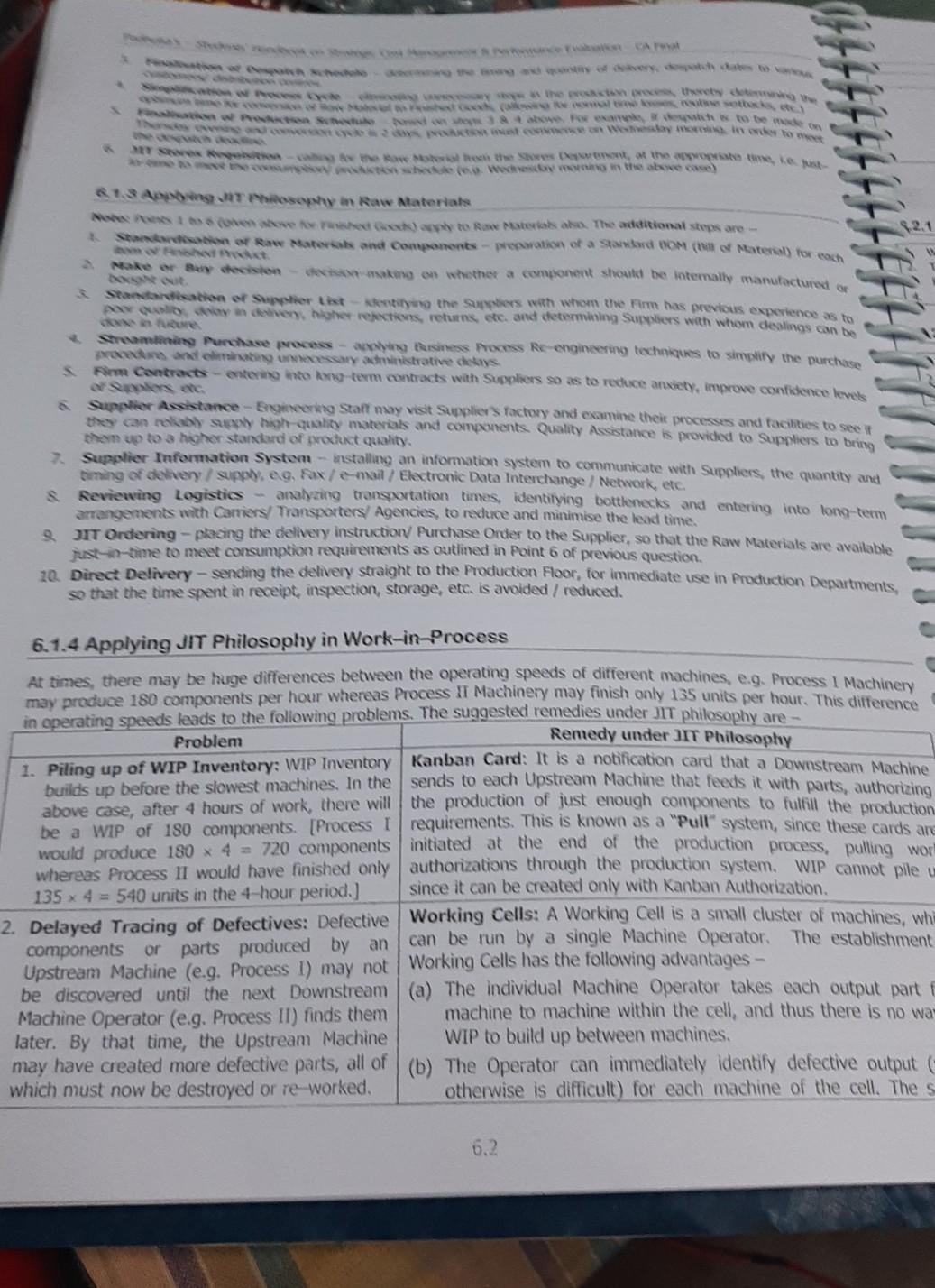
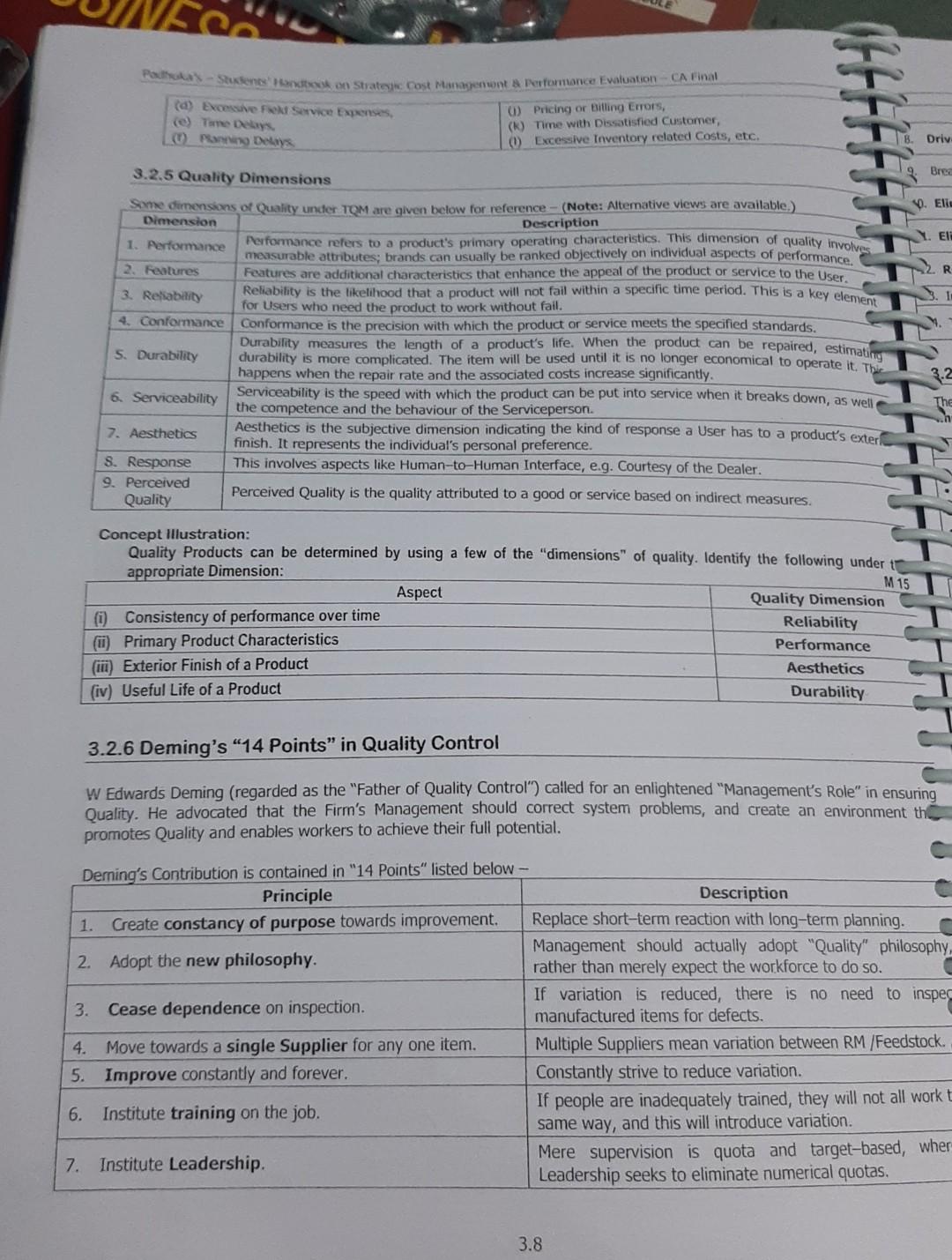
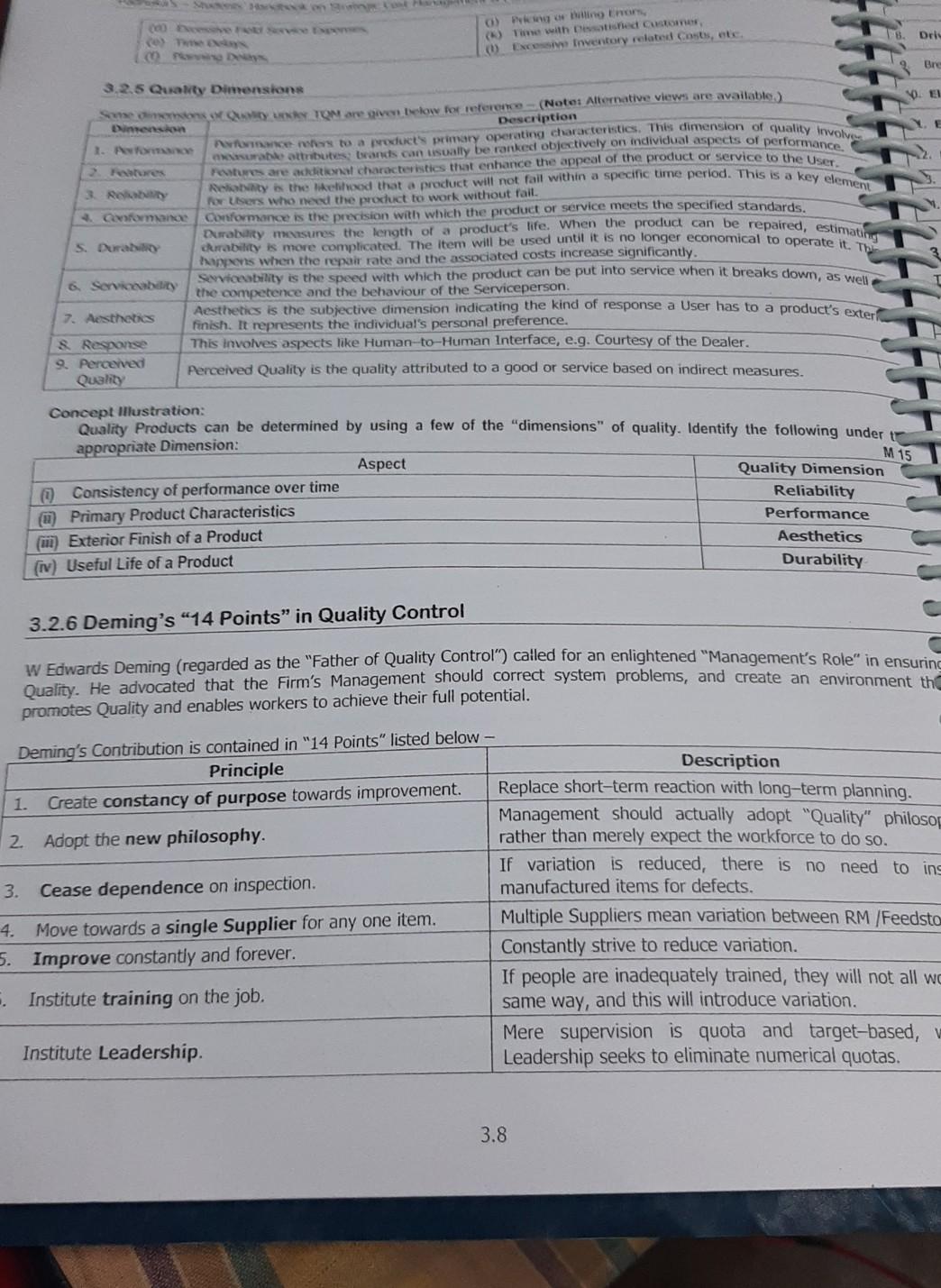
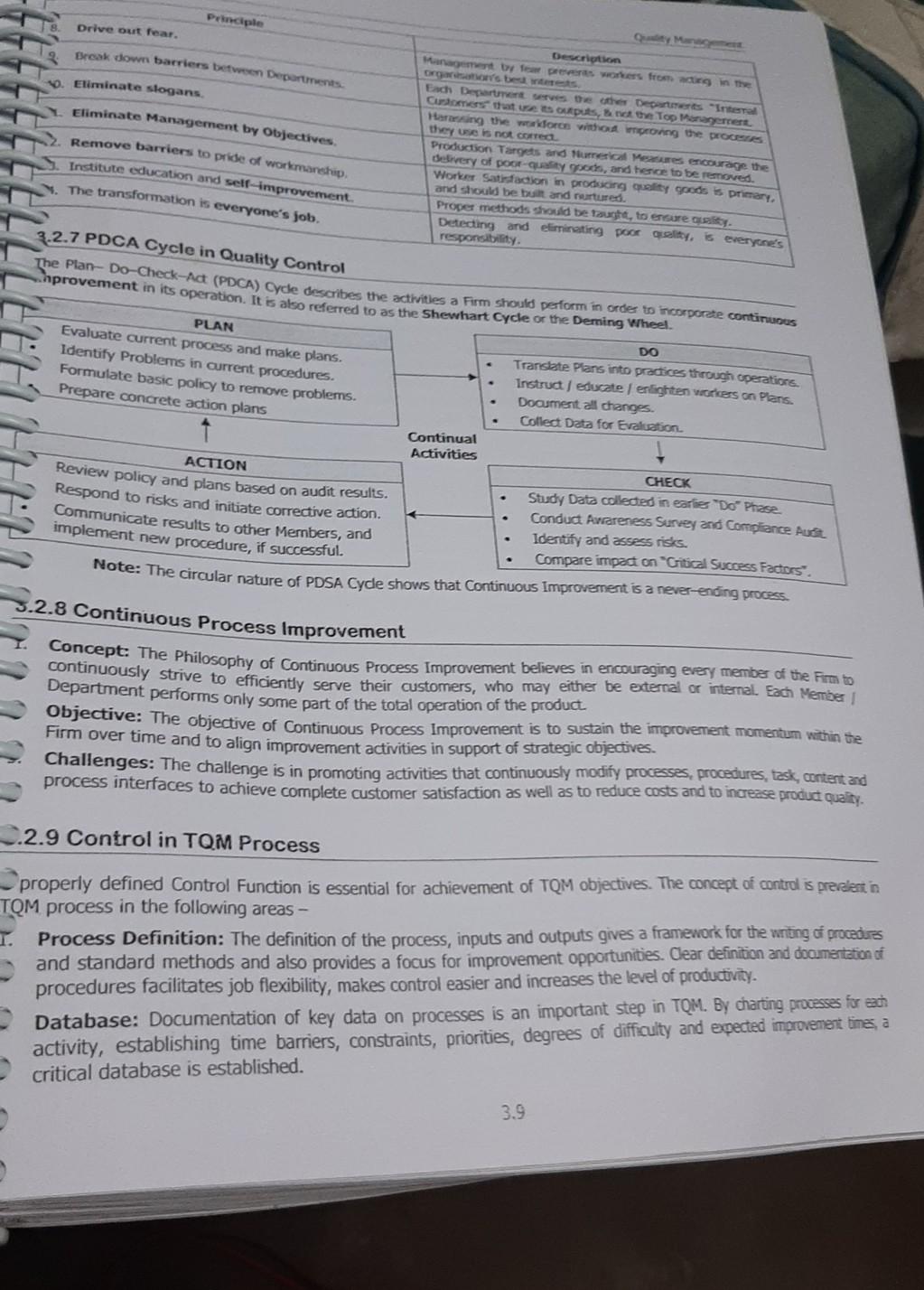
SIT Syntet tonari 11.10 Other Age of Targ albo of Manufacturing and les Strange We Arch Designing to Post Sales Sex Top to bottom Organisational Commitment 7.1.8 Davantages of Target Costing Time Theo has to be thened for a long time since the Design Team may require a number to believe aan devise a sufficiently low cost product that meets the Target Cost and Margin criteris a strong interpersonal and negotiation skills are required on the part of the Project Manager, to vom De cost reduction targets are not equitable shared. For example, the Industrial Engineering Staff wh hy they are required to completely after the production layout in order to generate cost savings, while the che fare not required to make any cost reductions through Supplier negotiations Coordination: Having representatives from a number of departments on the Design Team makes the process of son-making difficult Quality Issues Excessive focus on Cost Reduction, leading to use or cheaper components and materials, may lead to reduction in quality of the product. Cost Data: Il proper Cost Data is not used for Target Costing, then the cost-Benefit Analysis made based on such data may not be converted into actual performance, These problems can be set right by a good Team Leader, who must have an exceptional knowledge of the design process, good interpersonal skills, and a commitment to stay within time and cost budgets for a design project. S 7.1.9 Role of Cost Accountant in Target Costing 1 The role of a Cost Accountant in a Target Costing Team consists of the following activities - Cost Estimation: To provide other members of the design team a running series of cost estimates based on initial designs sketch, activity-based costing reviews of production processes, and "best guess costing information from suppliers based on estimated production volumes. 2 Permissible Cost Ranges: To provide estimates within a high-low range cost, since preliminary data may be vague. But, the estimated cost range should be modified as more information becomes available. 3. Capital Budgeting Analysis: To cater to capital budgeting requests generated by the Design Team, based on types of equipment needed for the anticipated product design, product revenues and costs, rates of return, etc. and to answer questions regarding uncertainties and risk analysis. 4. Cost Principles Explanation: To work with the Design Team to help it understand the nature of various costs (such as cost allocations based on an Activity-Based Costing system), as well as the cost-benefit trade-offs of using differen design or cost operations in the new product. 5. Review of Cost Reduction Targets: To track the gap between the Current Cost and the Target Cost (i.e. the Desic Team's goal), providing an itemization of where cost savings have already been achieved, and where there has n been a sufficient degree of progress. Final Review and Feedback: To compare a product's Actual Cost to the Target Cost after the design is complet and for as long as the Company sells the product. This is necessary since Management must know immediately if are increasing beyond budgeted levels and why these increases are occurring. ote: Since the role of the Cost Accountant in a Target Costing Team is very significant, he should have the follo alifications - (only illustrative and not exhaustive) 7.4 Show det 3. Recome on Whelankstomo awesome seen the shows the teme, la Mose 2 S 1.3 Ang Prosophy in Raw Materials Mes connexe wishes to steal alsoThe additional steps are Star Raw Materials and components - perwation of a standard DOM (of Materal) for each Nake detoken on whether a component should be intemally manufacturer Standorisation of supplier list - kentity the ders with whom the firm has previous experience as to golden higher reactions, returns etc. and determining Suppliers with whom dealings can be Streaming Purchase process ng isiness Process Re-engineering techniques to simplify the purchase processing Xessary administrative detays. Form Contacts enter to Ang-term contracts with suppliers so as to reduce anxiety, improve confidence levels or Sokers etc. & Supplier Asastance - Engineering Staff may visit Suppliers factory and examine their processes and facilities to see it they can meet high quality materials and components. Quality Assistance is provided to suppliers to bring them up to a higher standard of product quality. 7 Supplier Information System anstalling an information system to communicate with Suppliers, the quantity and timing of delivery supply, eg, Fax / e-mail / Electronic Data Interchange / Nehvork, etc. S Reviewing Logistics analyzing transportation times, identifying bottlenecks and entering into long-term arrangements with Carriers Transporters) Agencies, to reduce and minimise the lead time. & IT Ordering -placing the delivery instruction Purchase order to the Supplier, so that the Raw Materials are available -in-time to meet consumption requirements as outlined in Point 6 of previous question. 20 Direct Delivery - sending the delivery straight to the production Floor, for immediate use in Production Departments, so that the time spent in receipt, inspection, storage, etc. is avoided / reduced. Problem 6.1.4 Applying JIT Philosophy in Work-in-Process At times, there may be huge differences between the operating speeds of different machines, e.g. Process 1 Machinery may produce 180 components per hour whereas Process II Machinery may finish only 135 units per hour. This dilference in operating speeds leads to the following problems. The suggested remedies under IT philosophy are Remedy under IT Philosophy 1. Piling up of WIP Inventory: WIP Inventory Kanban Card: It is a notification card that a Downstream Machine builds up before the slowest machines. In the sends to each Upstream Machine that feeds it with parts, authorizine above case, after 4 hours of work, there will the production of just enough components to fulfill the production be a WIP of 180 components. [Process requirements. This is known as a "pull" system, since these cards are would produce 180 x 4 = 720 components initiated at the end of the production process, pulling wor whereas Process II would have finished only authorizations through the production system. WIP cannot piller 135 x 4 = 540 units in the 4-hour period.) since it can be created only with Kanban Authorization. 2. Delayed Tracing of Defectives: Defective Working Cells: A Working Cell is a small cluster of machines, whi components or parts produced by an can be run by a single Machine Operator. The establishment Upstream Machine (e.g. Process 1) may not Working Cells has the following advantages - be discovered until the next Downstream (a) The individual Machine Operator takes each output part Machine Operator (e.g. Process II) finds them machine to machine within the cell, and thus there is no wa later. By that time, the Upstream Machine WIP to build up between machines. may have created more defective parts, all of (b) The Operator can immediately identify defective output which must now be destroyed or re-worked. otherwise is difficult for each machine of the cell. The s 6.2 Pada - Students and Stratex Cost Management & Performance Evaluation CA Final 0) Pricing or Billing Errors, (K) Time with Dissatisfied Customer, (1) Excessive Inventory related Costs, etc. (a) Excessive Fik Service Expenses (e) Time Delays Panin Delays 8. Driv Bree 0. Elie Dimension EIL 2. Features 3.2.5 Quality Dimensions Same dimensions of Quality under TQM are given below for reference - (Note: Altemative views are available.) Description 1. Performance Performance refers to a product's primary operating characteristics. This dimension of quality involves measurable attributes; brands can usually be ranked objectively on individual aspects of performance Features are additional characteristics that enhance the appeal of the product or service to the User. 3. Reliability Reliability is the likelihood that a product will not fail within a specific time period. This is a key element for Users who need the product to work without fail. 4. Conformance Conformance is the precision with which the product or service meets the specified standards. Durability measures the length of a product's life. When the product can be repaired, estimating 5. Durability durability is more complicated. The item will be used until it is no longer economical to operate it. The happens when the repair rate and the associated costs increase significantly 6. Serviceability Serviceability is the speed with which the product can be put into service when it breaks down, as well the competence and the behaviour of the Serviceperson. 7. Aesthetics Aesthetics is the subjective dimension indicating the kind of response a User has to a product's exter finish. It represents the individual's personal preference. S. Response This involves aspects like Human-to-Human Interface, e.g. Courtesy of the Dealer. 9. Perceived Perceived Quality is the quality attributed to a good or service based on indirect measures. Quality The .. Concept Illustration: Quality Products can be determined by using a few of the "dimensions" of quality. Identify the following under appropriate Dimension: M 15 Aspect Quality Dimension (i) Consistency of performance over time Reliability () Primary Product Characteristics Performance (i) Exterior Finish of a Product Aesthetics (iv) Useful Life of a Product Durability 3.2.6 Deming's 14 Points" in Quality Control 2 W Edwards Deming (regarded as the "Father of Quality Control) called for an enlightened "Management's Role" in ensuring Quality. He advocated that the Firm's Management should correct system problems, and create an environment the promotes Quality and enables workers to achieve their full potential. Derning's Contribution is contained in "14 Points" listed below - Principle Description 1. Create constancy of purpose towards improvement. Replace short-term reaction with long-term planning. Management should actually adopt "Quality" philosophy, 2. Adopt the new philosophy. rather than merely expect the workforce to do so. If variation is reduced, there is no need to inspec 3. Cease dependence on inspection. manufactured items for defects. 4. Move towards a single Supplier for any one item. Multiple Suppliers mean variation between RM /Feedstock. 5. Improve constantly and forever. Constantly strive to reduce variation. 6. Institute training on the job. If people are inadequately trained, they will not all workt same way, and this will introduce variation. 7. Institute Leadership. Mere supervision is quota and target-based, wher Leadership seeks to eliminate numerical quotas, 3.8 0) Paling Enor, (1) Tine with Dised Outono, (U) Excessive Inventory related costs, etc. Dri () Bre OLEN Fues Relay the food that a product will not fail within a specific time period. This is a key element 3.2.5 Quality Dimensions Suments Tow are given below for reference - (Note: Alternative views are available) Dimension Description 1. Performance ohes to product's primary operation characteristiche dimension of quality in rabe attributes trands can usually be ranked objectively on individual aspects of performance peatures are actional characteristics that enhance the appeat or the product or service to the User for users who need the prochuct to work without fail. Cormance Contformance is the precision with which the product or service meets the specified standards. Durabunty masures the length of a products listed ben is no longer can be repaired, estimation S. Duran chwability is more complicated. The item will be used untilerts so longer economical to operate into the happens when the repair rate and the associated costs increase significantly & Serviceabdity Serviceability is the speed with which the product can be put into service when it breaks down, as well the competence and the behaviour of the Serviceperson. 7. Aesthetics Aesthetics is the subjective dimension indicating the kind of response a User has to a product's exter finish. It represents the individual's personal preference. & Response This involves aspects like Human-to-Human Interface, e.g. Courtesy of the Dealer. Perceived Perceived Quality is the quality attributed to a good or service based on indirect measures. Quality Concept Illustration: Quality Products can be determined by using a few of the "dimensions" of quality. Identify the following undert appropriate Dimension: M 15 Aspect Quality Dimension Consistency of performance over time Reliability (Primary Product Characteristics Performance (m) Exterior Finish of a Product Aesthetics (iv) Useful Life of a Product Durability 3.2.6 Deming's "14 Points" in Quality Control w Edwards Deming (regarded as the "Father of Quality Control) called for an enlightened "Management's Role" in ensurin Quality. He advocated that the Firm's Management should correct system problems, and create an environment the promotes Quality and enables workers to achieve their full potential. Deming's Contribution is contained in "14 Points" listed below - Principle Description Replace short-term reaction with long-term planning. 1. Create constancy of purpose towards improvement. Management should actually adopt "Quality" philosop 2. Adopt the new philosophy. rather than merely expect the workforce to do so. If variation is reduced, there is no need to ins 3. Cease dependence on inspection. manufactured items for defects. 4. Move towards a single Supplier for any one item. Multiple Suppliers mean variation between RM /Feedsto 5. Improve constantly and forever. Constantly strive to reduce variation. If people are inadequately trained, they will not all wo . Institute training on the job. same way, and this will introduce variation. Mere supervision is quota and target-based, Institute Leadership. Leadership seeks to eliminate numerical quotas. 3.8 Principle Drive out fear. Break down barriers between Departments 10. Eliminate slogans they were without wrong te po Eliminate Management by Objectives Remove barriers to pride of workmanship. Institute education and self-improvement The transformation is everyone's job. Description Management to be workers from dig in the organ's te wet Each Department serve te the Departments "Instead Cut outputs, the Top Management Parating the is not corred Production Targets and Murer Mures encourage the of poor quality good, and hence to be removed Worker Satisfaction in producing quality goods is primary and should be built and nurtured. Proper methods should be toute, to ensure quality Detecting and eliminating poor gelity, is everyone's responsibility delivery 2.2.7 PDCA Cycle in Quality Control The Plan-Do Check-AC (PDCA) Cyde describes the activities a Firm should perform in order to incorporate continuous hprovement in its operation. It is also referred to as the Shewhart Cycle or the Deming Wheel PLAN Evaluate current process and make plans. Translate Plans into practices through operations Identify Problems in current procedures. Instrud educate I enlighten we ees on Plans Formulate basic policy to remove problems. Documental changes. Collect Data for Evaluation Prepare concrete action plans DO Continual Activities ACTION CHECK Review policy and plans based on audit results. Study Data collected in earlies Do Phase Respond to risks and initiate corrective action. Conduct Awareness Survey and compliance Aura Communicate results to other Members, and Identify and assess risks. implement new procedure, if successful. Compare impact on Critical Success Factors. Note: The circular nature of PDSA Cyde shows that continuous Improvement is a never-ending process 3.2.8 Continuous Process Improvement Concept: The Philosophy of Continuous Process Improvement believes in encouraging every member of the Firm to continuously strive to efficiently serve their customers, who may either be external or internal. Each Member Department performs only some part of the total operation of the product. Objective: The objective of Continuous Process Improvement is to sustain the improvement momentum vithin the Firm over time and to align improvement activities in support of strategic objectives. Challenges: The challenge is in promoting activities that continuously modify processes, procedures, task, content and process interfaces to achieve complete customer satisfaction as well as to reduce costs and to increase product quality. 2.2.9 Control in TQM Process properly defined control Function is essential for achievement of TQM objectives. The concept of control is prerdient in TQM process in the following areas - Process Definition: The definition of the process, inputs and outputs gives a framework for the writing of procedures and standard methods and also provides a focus for improvement opportunities. Clear definition and documentation of procedures facilitates job flexibility, makes control easier and increases the level of productivity. Database: Documentation of key data on processes is an important step in TOM. By charting processes for each activity, establishing time barriers, constraints, priorities, degrees of difficulty and expected improvement time, a critical database is established. 3.9
Step by Step Solution
There are 3 Steps involved in it

Get step-by-step solutions from verified subject matter experts
 Study Help