







Question: only solve the first point ** ( context in which study was run / why this study is important) please I want the answer in
only solve the first point ** (context in which study was run / why this study is important) please I want the answer in 80 words or Maximum 83 words
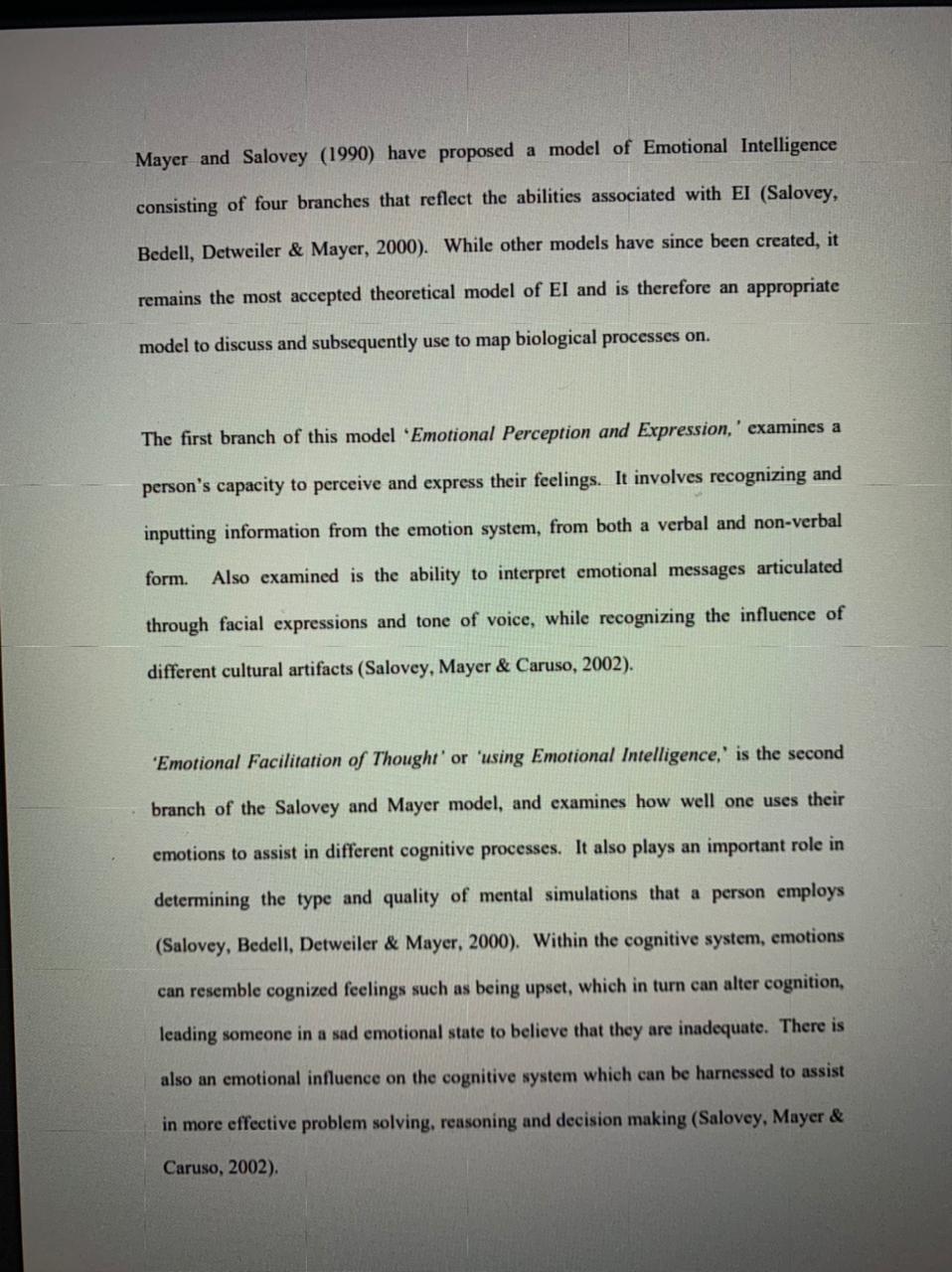
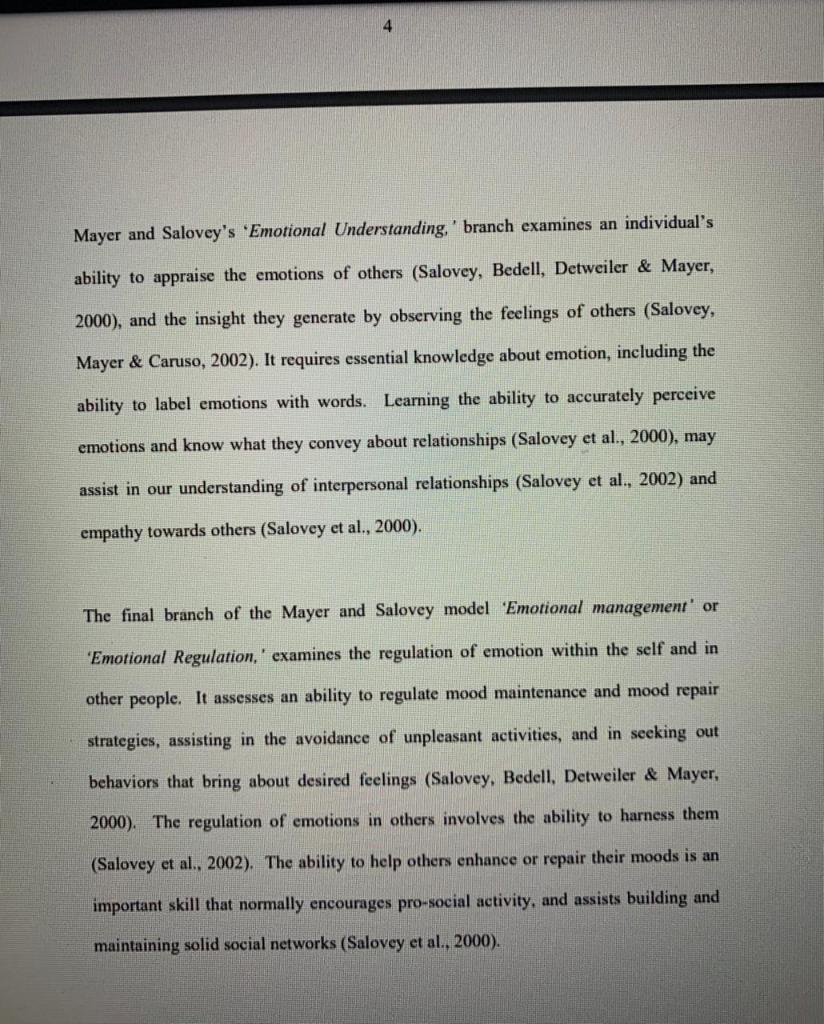
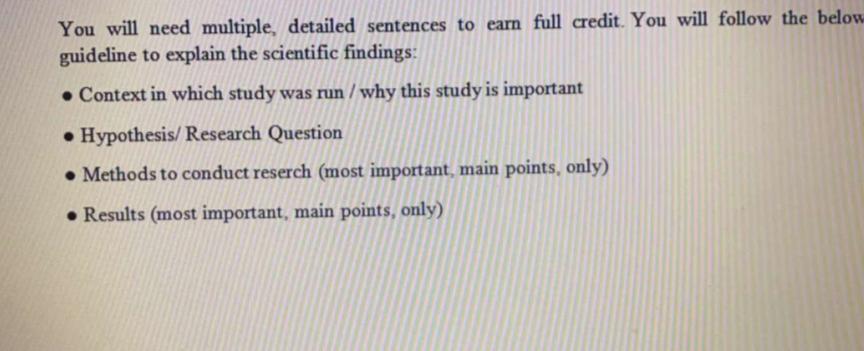
Mayer and Salovey (1990) have proposed a model of Emotional Intelligence consisting of four branches that reflect the abilities associated with EI (Salovey, Bedell, Detweiler & Mayer, 2000). While other models have since been created, it remains the most accepted theoretical model of El and is therefore an appropriate model to discuss and subsequently use to map biological processes on. The first branch of this model 'Emotional Perception and Expression,' examines a person's capacity to perceive and express their feelings. It involves recognizing and inputting information from the emotion system, from both a verbal and non-verbal form. Also examined is the ability to interpret emotional messages articulated through facial expressions and tone of voice, while recognizing the influence of different cultural artifacts (Salovey, Mayer & Caruso, 2002). 'Emotional Facilitation of Thought' or 'using Emotional Intelligence,' is the second branch of the Salovey and Mayer model, and examines how well one uses their emotions to assist in different cognitive processes. It also plays an important role in determining the type and quality of mental simulations that a person employs (Salovey, Bedell, Detweiler & Mayer, 2000). Within the cognitive system, emotions can resemble cognized feelings such as being upset, which in turn can alter cognition, leading someone in a sad emotional state to believe that they are inadequate. There is also an emotional influence on the cognitive system which can be harnessed to assist in more effective problem solving, reasoning and decision making (Salovey, Mayer & Caruso, 2002) Mayer and Salovey's 'Emotional Understanding, 'branch examines an individual's ability to appraise the emotions of others (Salovey, Bedell, Detweiler & Mayer, 2000), and the insight they generate by observing the feelings of others (Salovey, Mayer & Caruso, 2002). It requires essential knowledge about emotion, including the ability to label emotions with words. Learning the ability to accurately perceive emotions and know what they convey about relationships (Salovey et al., 2000), may assist in our understanding of interpersonal relationships (Salovey et al., 2002) and empathy towards others (Salovey et al., 2000). The final branch of the Mayer and Salovey model 'Emotional management' or 'Emotional Regulation,' examines the regulation of emotion within the self and in other people. It assesses an ability to regulate mood maintenance and mood repair strategies, assisting in the avoidance of unpleasant activities, and in seeking out behaviors that bring about desired feelings (Salovey, Bedell, Detweiler & Mayer, 2000). The regulation of emotions in others involves the ability to harness them (Salovey et al., 2002). The ability to help others enhance or repair their moods is an important skill that normally encourages pro-social activity, and assists building and maintaining solid social networks (Salovey et al., 2000). You will need multiple, detailed sentences to earn full credit. You will follow the below guideline to explain the scientific findings: . Context in which study was run / why this study is important Hypothesis/ Research Question Methods to conduct reserch (most important, main points, only) Results (most important, main points, only)Step by Step Solution
There are 3 Steps involved in it
1 Expert Approved Answer
Step: 1 Unlock

Question Has Been Solved by an Expert!
Get step-by-step solutions from verified subject matter experts
Step: 2 Unlock
Step: 3 Unlock
 Study Help