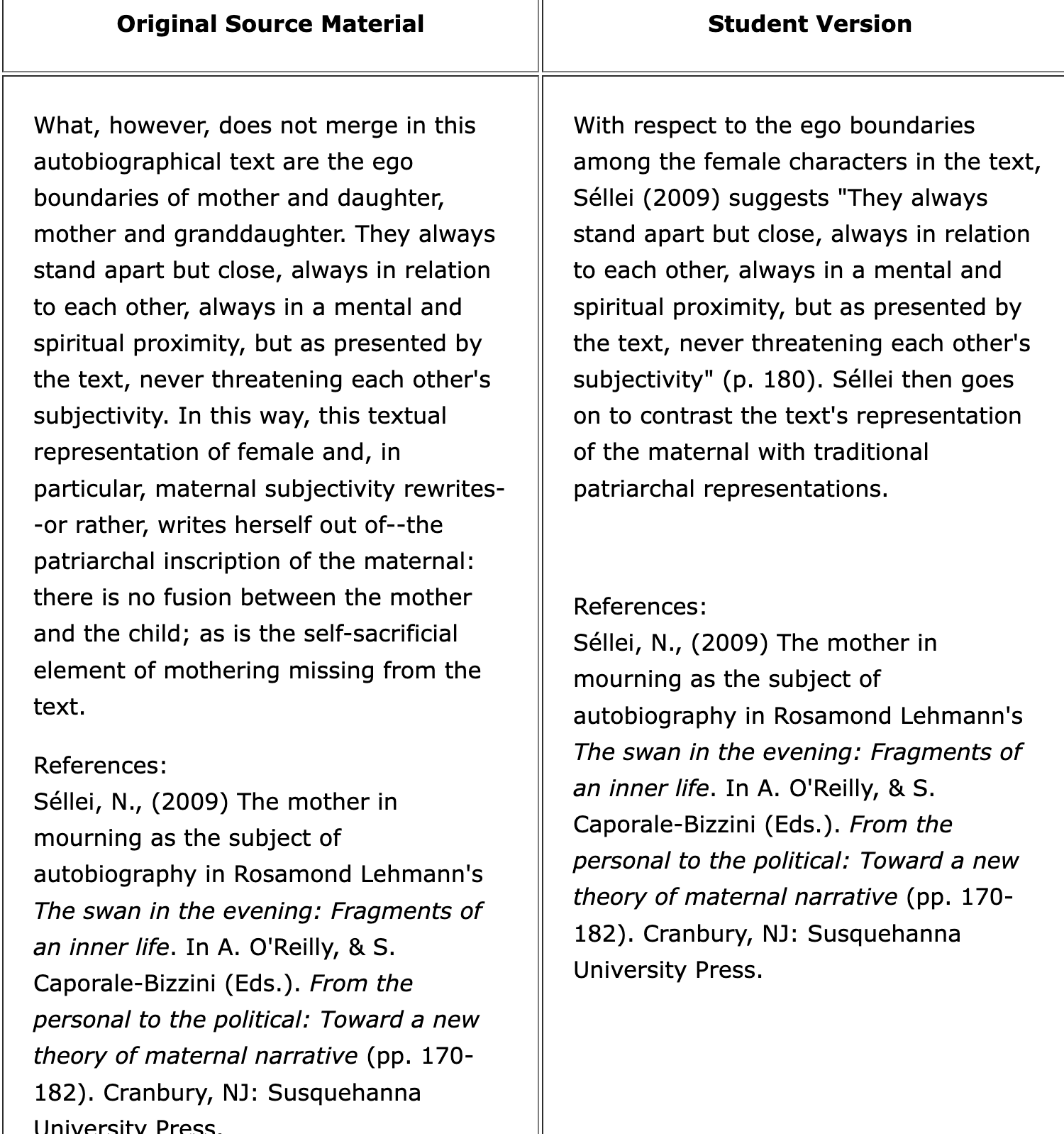
Question: Original Source Material Student Version What, however, does not merge in this autobiographical text are the ego boundaries of mother and daughter, mother and granddaughter.
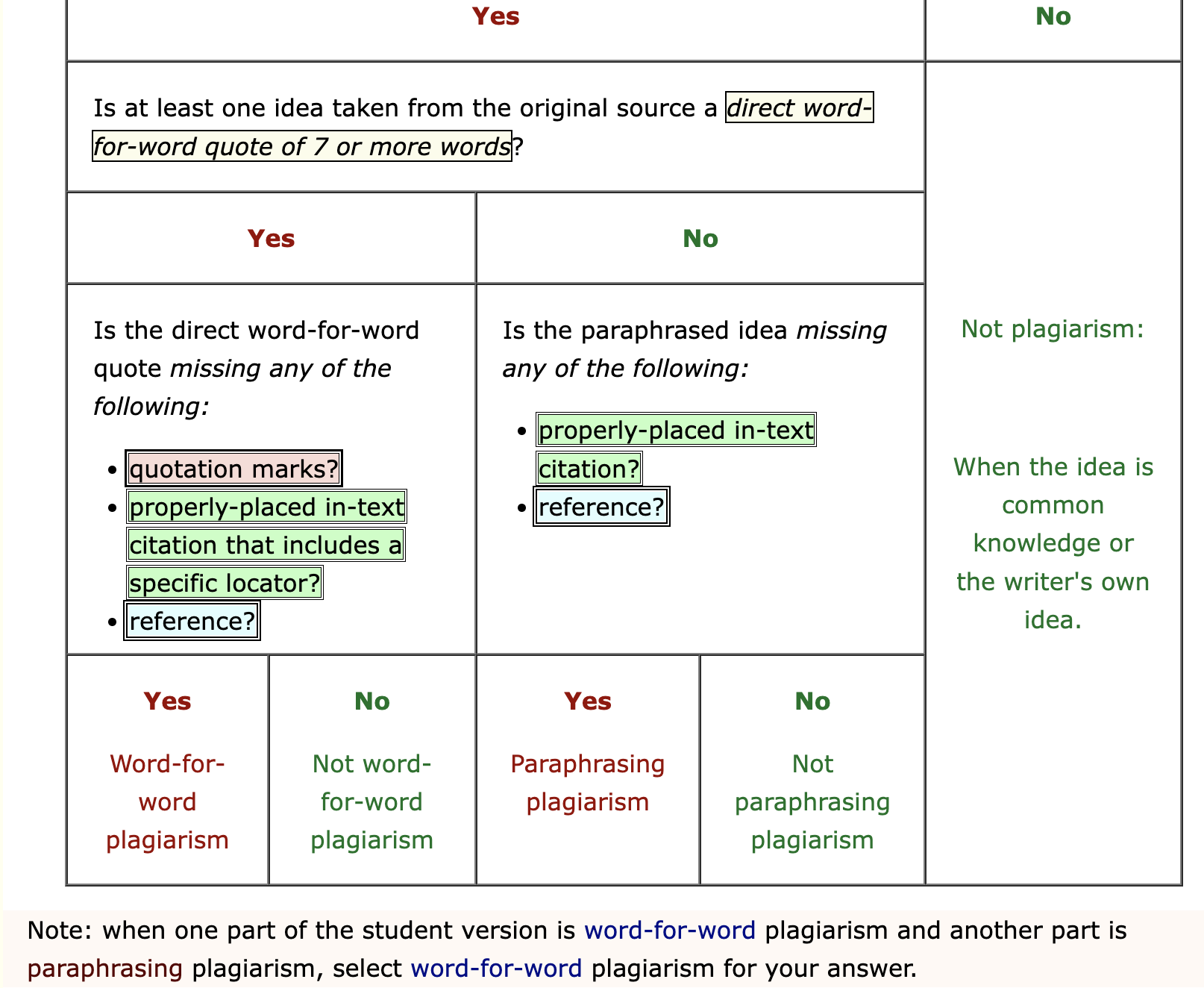
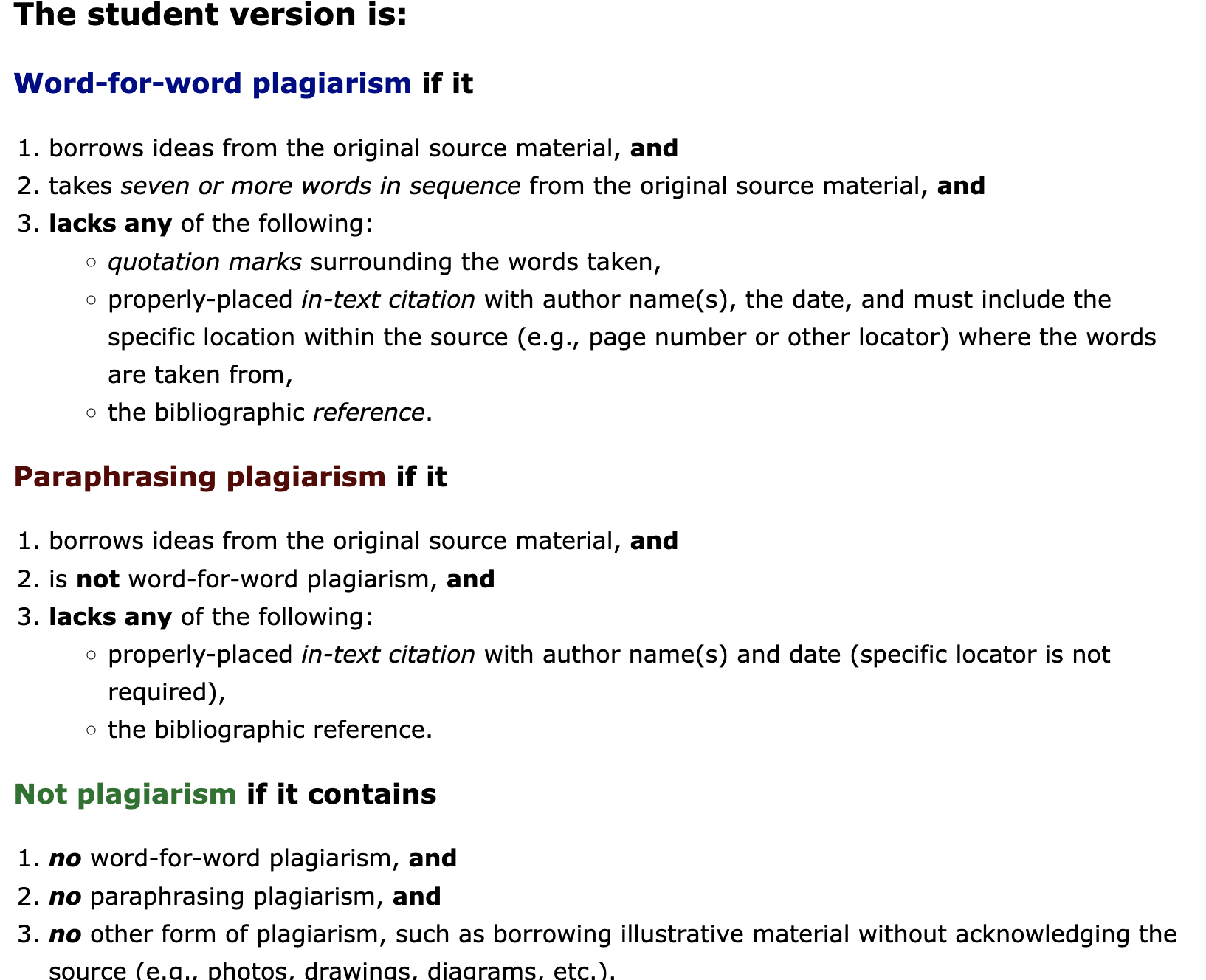
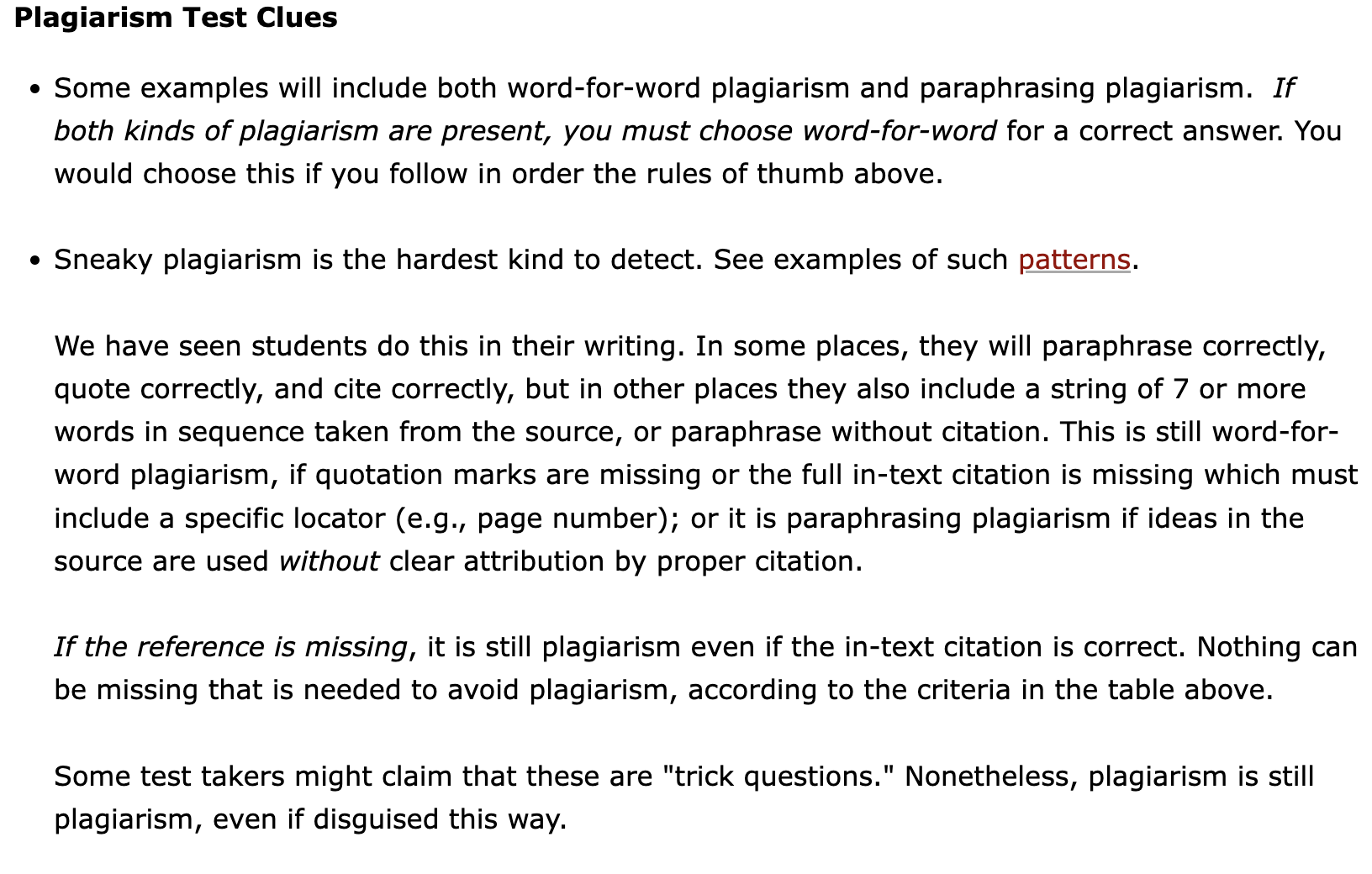
Original Source Material Student Version What, however, does not merge in this autobiographical text are the ego boundaries of mother and daughter, mother and granddaughter. They always stand apart but close, always in relation to each other, always in a mental and spiritual proximity, but as presented by the text, never threatening each other's subjectivity. In this way, this textual representation of female and, in particular, maternal subjectivity rewrites- -or rather, writes herself out of--the patriarchal inscription of the maternal: there is no fusion between the mother and the child; as is the self-sacrificial element of mothering missing from the text. References: Sllei, N., (2009) The mother in mourning as the subject of autobiography in Rosamond Lehmann's The swan in the evening: Fragments of an inner life. In A. O'Reilly, & S. Caporale-Bizzini (Eds.). From the personal to the political: Toward a new theory of maternal narrative (pp. 170- 182). Cranbury, NJ: Susquehanna LIniversitv Press. With respect to the ego boundaries among the female characters in the text, Sllei (2009) suggests "They always stand apart but close, always in relation to each other, always in a mental and spiritual proximity, but as presented by the text, never threatening each other's subjectivity" (p. 180). Sllei then goes on to contrast the text's representation of the maternal with traditional patriarchal representations. References: Sllei, N., (2009) The mother in mourning as the subject of autobiography in Rosamond Lehmann's The swan in the evening: Fragments of an inner life. In A. O'Reilly, & S. Caporale-Bizzini (Eds.). From the personal to the political: Toward a new theory of maternal narrative (pp. 170- 182). Cranbury, NJ: Susquehanna University Press. Yes No Is at least one idea taken from the original source a for-word quote of 7 or more words}? Is the direct word-for-word Is the paraphrased idea missing Not plagiarism: quote missing any of the any of the following: following: properly-placed in-text quotation marks? citation? When the idea is * |properly-placed in-text common citation that includes a knowledge or specific locator? the writer's own e |reference? idea. Yes No Yes No Word-for- Not word- Paraphrasing Not word for-word plagiarism paraphrasing plagiarism plagiarism plagiarism Note: when one part of the student version is word-for-word plagiarism and another part is paraphrasing plagiarism, select word-for-word plagiarism for your answer. The student version is: Word-for-word plagiarism if it 1. borrows ideas from the original source material, and 2. takes seven or more words in sequence from the original source material, and 3. lacks any of the following: o quotation marks surrounding the words taken, properly-placed in-text citation with author name(s), the date, and must include the specific location within the source (e.g., page number or other locator) where the words are taken from, the bibliographic reference. Paraphrasing plagiarism if it 1. borrows ideas from the original source material, and 2. is not word-for-word plagiarism, and 3. lacks any of the following: properly-placed in-text citation with author name(s) and date (specific locator is not required), the bibliographic reference. Not plagiarism if it contains 1. no word-for-word plagiarism, and 2. no paraphrasing plagiarism, and 3. no other form of plagiarism, such as borrowing illustrative material without acknowledging the source (e.a.. photos. drawinas. diaarams. etc.). Plagiarism Test Clues Some examples will include both word-for-word plagiarism and paraphrasing plagiarism. If both kinds of plagiarism are present, you must choose word-for-word for a correct answer. You would choose this if you follow in order the rules of thumb above. Sneaky plagiarism is the hardest kind to detect. See examples of such patterns. We have seen students do this in their writing. In some places, they will paraphrase correctly, quote correctly, and cite correctly, but in other places they also include a string of 7 or more words in sequence taken from the source, or paraphrase without citation. This is still word-for- word plagiarism, if quotation marks are missing or the full in-text citation is missing which must include a specific locator (e.g., page number); or it is paraphrasing plagiarism if ideas in the source are used without clear attribution by proper citation. If the reference is missing, it is still plagiarism even if the in-text citation is correct. Nothing can be missing that is needed to avoid plagiarism, according to the criteria in the table above. Some test takers might claim that these are "trick questions." Nonetheless, plagiarism is still plagiarism, even if disguised this way
Step by Step Solution
There are 3 Steps involved in it
1 Expert Approved Answer
Step: 1 Unlock
Question Has Been Solved by an Expert!
Get step-by-step solutions from verified subject matter experts
Step: 2 Unlock
Step: 3 Unlock
Students Have Also Explored These Related Accounting Questions!









 Study Help