



Question: Paper Two Peer Review Instructions These instructions are lengthy, so I would suggest reading through the entire page once before beginning your peer review .
Paper Two Peer Review Instructions
These instructions are lengthy, so I would suggest reading through the entire page once before beginning your peer review.
1. First, post your own draft of Paper Two by the established deadline (see below) to the Paper Two Peer Review board.You should include any specific questions, comments, or concerns you have about your paper. Again, do not post attached files; paste the text of your draft directly into the discussion board post.
2. Then, select two other student papers to review. The rule is that once an essay has been reviewed twice, no other reviews will count for credit (you can still comment or provide feedback if you like; it just won't count for a grade).Keep in mind that this makes peer review a bit like a "first come, first served" event, meaning that those posting later in the week may have difficulty finding an essay to review for credit or may have to wait around and check back frequently for a fellow late-arrival. Please adhere to the deadlines, however.
Steps for reviewing your peers' papers:
Answer the following within your comments. Do not stray from this format, and answer in complete, coherent sentences. Remember, every essay needs improvement, so anyone offering feedback such as "Everything is fine!" or "I wouldn't change anything!" will be graded down for not performing the peer review correctly.
1. Identify the thesis statement (copy & paste it or retype it). How effective do you find this thesis statement to be? If it is just a statement of fact, it will need to be enhanced and made more argumentative. Explain to your peer at least one way that the thesis could be improved.
2. Identify the topic sentences of each paragraph. Then, read the thesis statement followed by each topic sentence. Do you see a clear connection between each of these statements and the thesis? Explain to the author how they might strengthen the connection between the topic sentences and thesis statement.
3. After commenting on the thesis and topic sentences, review each body paragraph.Examine the evidence and the analysis/support statements for the paragraph.Explain to the writer how well this paragraph works with the topic sentence.Should something be changed? How could the writer improve the paragraph?If the information within the paragraph does not fully match the topic sentence's guidelines, then the writer should be informed.
4. Complete each of these statements for the writer:
- The strongest aspect of this essay is ___________.
- The weakest aspect of this essay is ____________.
- If this were my essay, the one thing I would add would be __________.
- If this were my essay, the one thing I would remove would be _______.
- If I could change one aspect of your paper, it would be ____________.
5. If the writer has asked specific questions about his or her draft, please answer those as well.
Paper Two: Visual Analysis essay
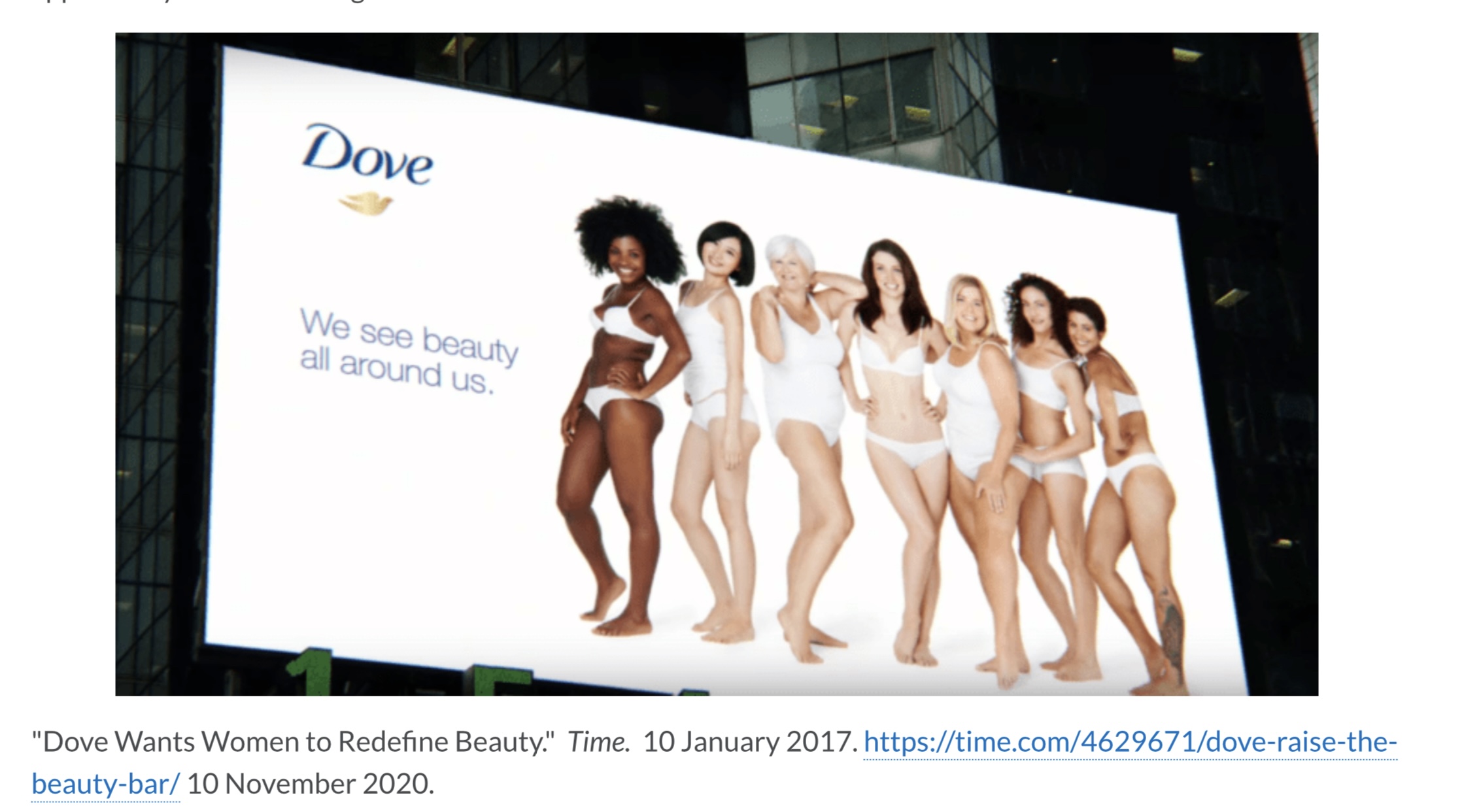
OBJECTIVE: Compose a rhetorical analysis of ONE image; the composition should argue for a particular interpretation of the image.
- Use the select an image below.
- Consider the following elements of your image:
- Therhetorical situationof the image, including the author, audience, purpose, context, tone, genre, design, constraints, and exigence
- The rhetoricalstrategies,or how the image is composed to produce a specific effect (use of color, layout, contrast, etc.)
- The rhetoricalappeals(ethos/pathos/logos), or ways the image seeks to engage its audience
3.Compose a thesis that argues your interpretation (i.e. a particular way of viewing the image) based on the choices made in its construction.See the Introduction to Visual Analysis page and PowerPointposted in the current module.
4. Support your thesis by describing AND analyzing various elements of your image (see #2 above) that support your overall argument about the image.
5. Conclude by reinforcing the key points and highlighting why the image is effective or ineffective in relation to the argument you see it making.
Requirements:A 600-800 wordingvisual analysis including:
- Analysis of an approved image (see #1 above)
- A thesis that argues for a specific interpretation of the image
- Several detailed supporting examples from the image that explain the rhetorical appeals at work
- A clear connection between your way of viewing this image and its context
- A coherent organizational structure that supports your thesis (with introduction and conclusion)
- A strong sense of audience (To whom are you directing this analysis? (It shouldn't be me, the instructor.)
- MLA documentation for all sources (including the image(s) through in-text citation and a Works Cited page
- Proofreading
- Double spacing
PLEASE NOTE: You are not allowed to use generative AI tools like ChatGPT for any work in this course, including both graded and ungraded work. Prohibited AI usage includes idea or text generation, writing or revising your work, development of media assets, or data analysis and presentation.
Step by Step Solution
There are 3 Steps involved in it

Get step-by-step solutions from verified subject matter experts