







Question: Part 1: Ratios - Using Proportions to Solve Triangles Directions: 1. Find two objects that cast shadows that are parallel (you can move one so
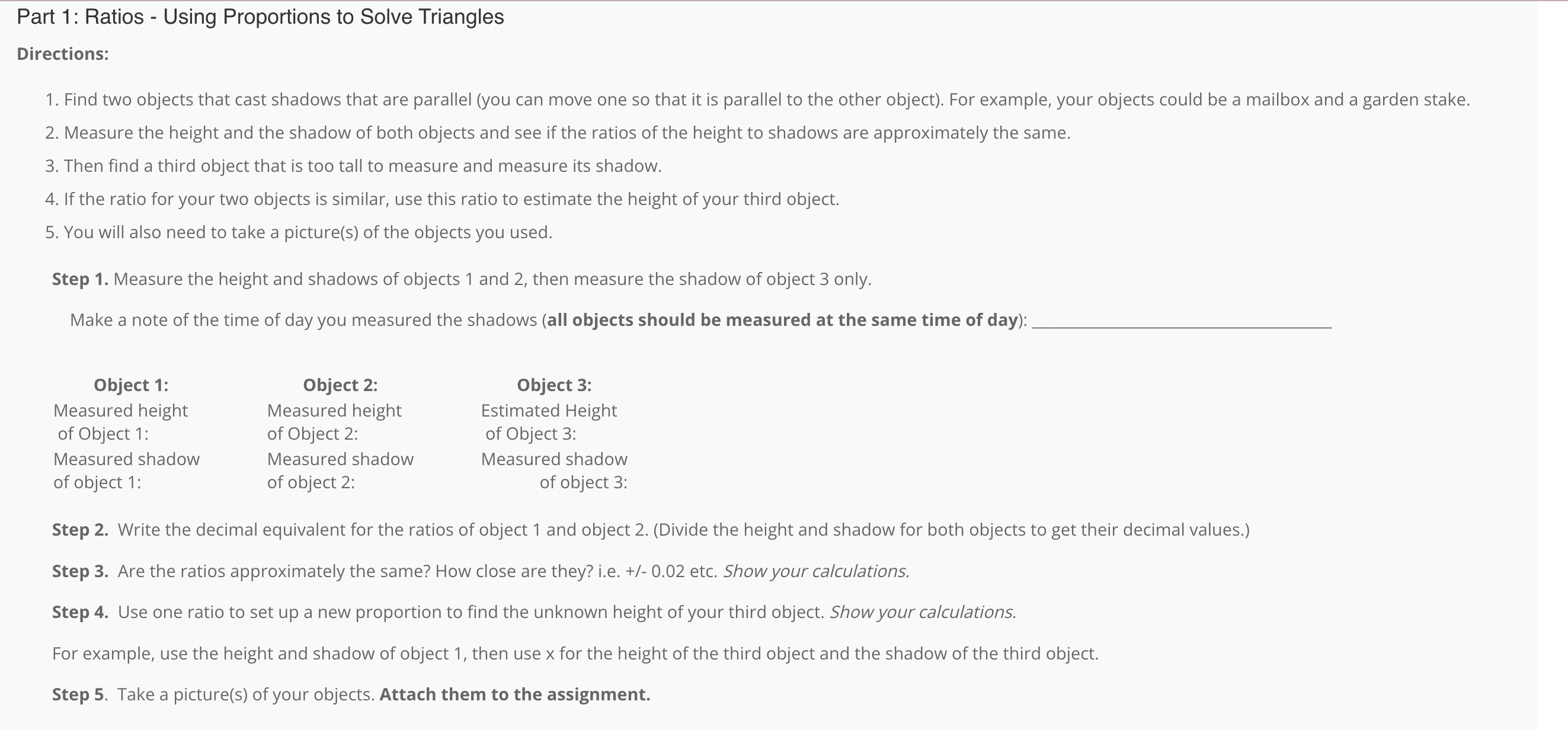
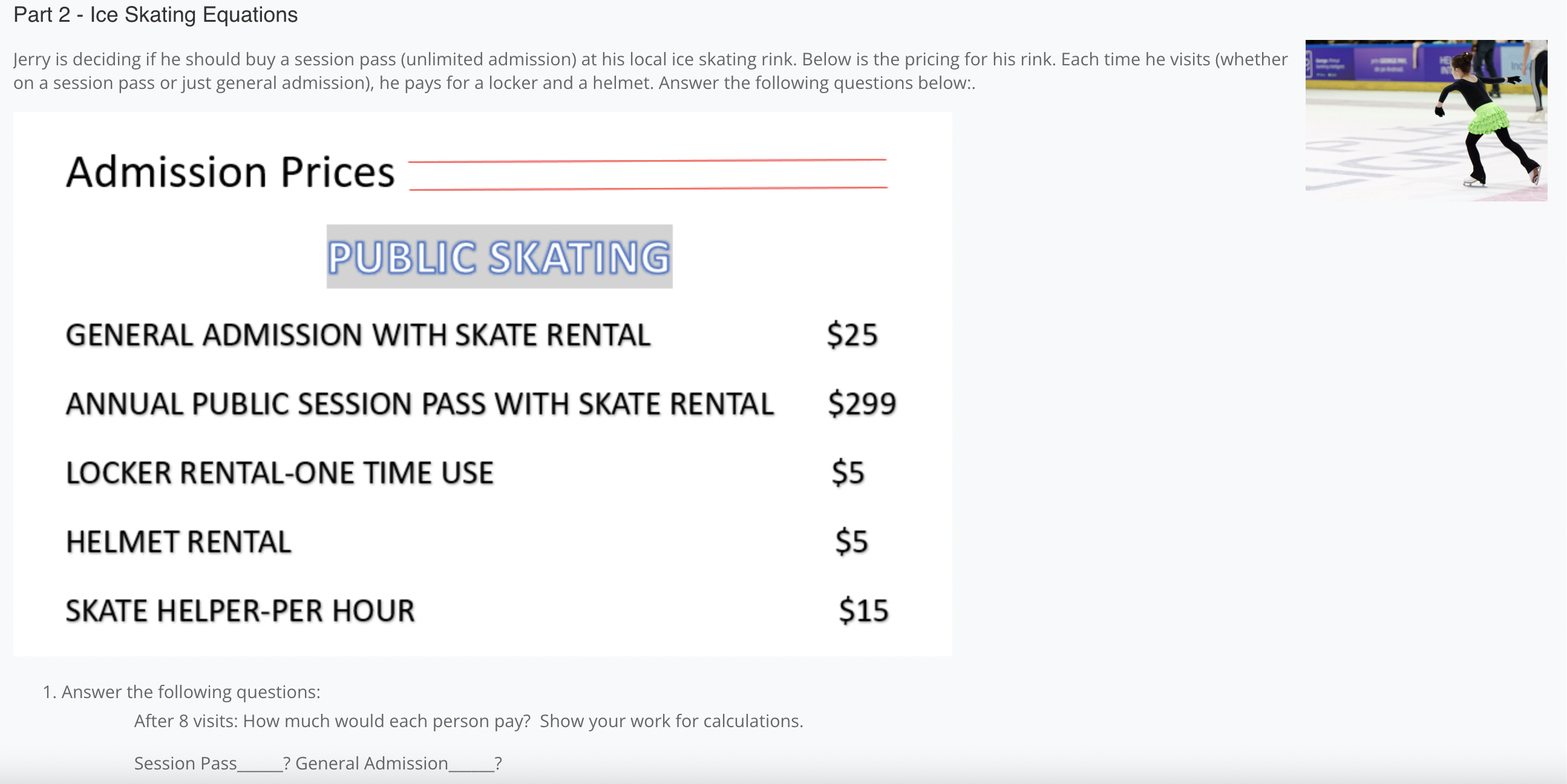
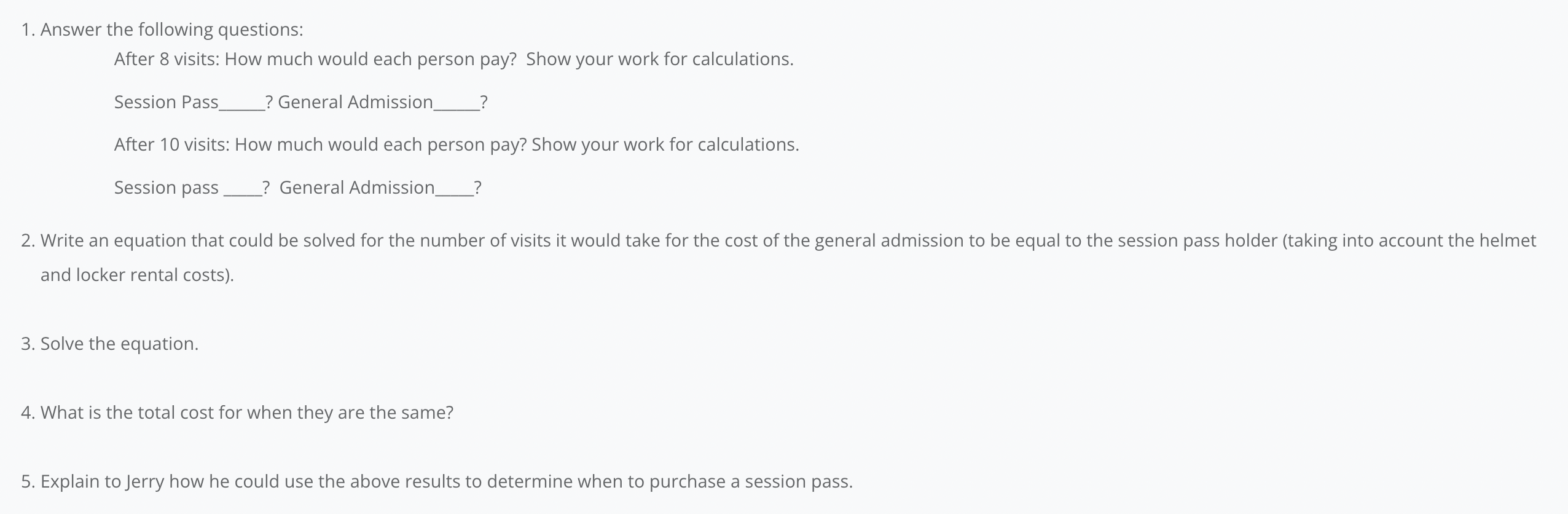
Part 1: Ratios - Using Proportions to Solve Triangles Directions: 1. Find two objects that cast shadows that are parallel (you can move one so that it is parallel to the other object). For example, your objects could be a mailbox and a garden stake. 2. Measure the height and the shadow of both objects and see if the ratios of the height to shadows are approximately the same. 3. Then find a third object that is too tall to measure and measure its shadow. 4. If the ratio for your two objects is similar, use this ratio to estimate the height of your third object. 5. You will also need to take a picture(s) of the objects you used. Step 1. Measure the height and shadows of objects 1 and 2, then measure the shadow of object 3 only. Make a note of the time of day you measured the shadows (all objects should be measured at the same time of day): Object 1: Object 2: Object 3: Measured height Measured height Estimated Height of Object 1: of Object 2: of Object 3: Measured shadow Measured shadow Measured shadow of object 1: of object 2: of object 3: Step 2. Write the decimal equivalent for the ratios of object 1 and object 2. (Divide the height and shadow for both objects to get their decimal values.) Step 3. Are the ratios approximately the same? How close are they? i.e. +/- 0.02 etc. Show your calculations. Step 4. Use one ratio to set up a new proportion to find the unknown height of your third object. Show your calculations. For example, use the height and shadow of object 1, then use x for the height of the third object and the shadow of the third object. Step 5. Take a picture(s) of your objects. Attach them to the assignment. Part 2 - Ice Skating Equations Jerry is deciding if he should buy a session pass (unlimited admission) at his local ice skating rink. Below is the pricing for his rink. Each time he visits (whether on a session pass or just general admission), he pays for a locker and a helmet. Answer the following questions below:. GENERAL ADMISSION WITH SKATE RENTAL $25 ANNUAL PUBLIC SESSION PASS WITH SKATE RENTAL ~ $299 LOCKER RENTAL-ONE TIME USE S5 HELMET RENTAL S5 SKATE HELPER-PER HOUR $15 1. Answer the following questions: After 8 visits: How much would each person pay? Show your work for calculations. Session Pass, ? General Admission v 1. Answer the following questions: After 8 visits: How much would each person pay? Show your work for calculations. Session Pass ? General Admission ? After 10 visits: How much would each person pay? Show your work for calculations. Session pass ? General Admission 2 2. Write an equation that could be solved for the number of visits it would take for the cost of the general admission to be equal to the session pass holder (taking into account the helmet and locker rental costs). 3. Solve the equation. 4. What is the total cost for when they are the same? 5. Explain to Jerry how he could use the above results to determine when to purchase a session pass
Step by Step Solution
There are 3 Steps involved in it

Get step-by-step solutions from verified subject matter experts
 Study Help