







Question: Part 2: Given the following simulacrum, (a) state the appropriate Hypothesis for each H# and state whether the hypothesis is (b) null or alternative, (c)
Part 2: Given the following simulacrum, (a) state the appropriate Hypothesis for each H# and state whether the hypothesis is (b) null or alternative, (c) directional or non-directional and (d) whether it is showing significant differences, relationships or effects
Work-to-family conflict as mediator between its antecedents and job satisfaction: A case in the Philippines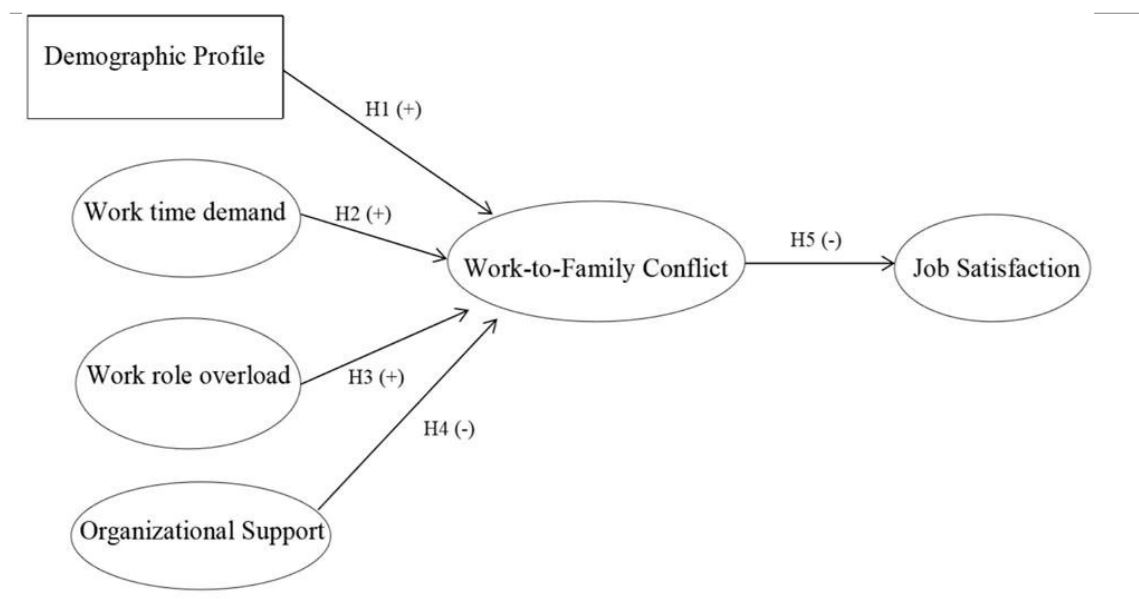
The Mediating Role of Attitudes toward Labor Piracy and Organizational Commitment to Workplace Training and Turnover Intention: A Structural Equation Model (SEM)
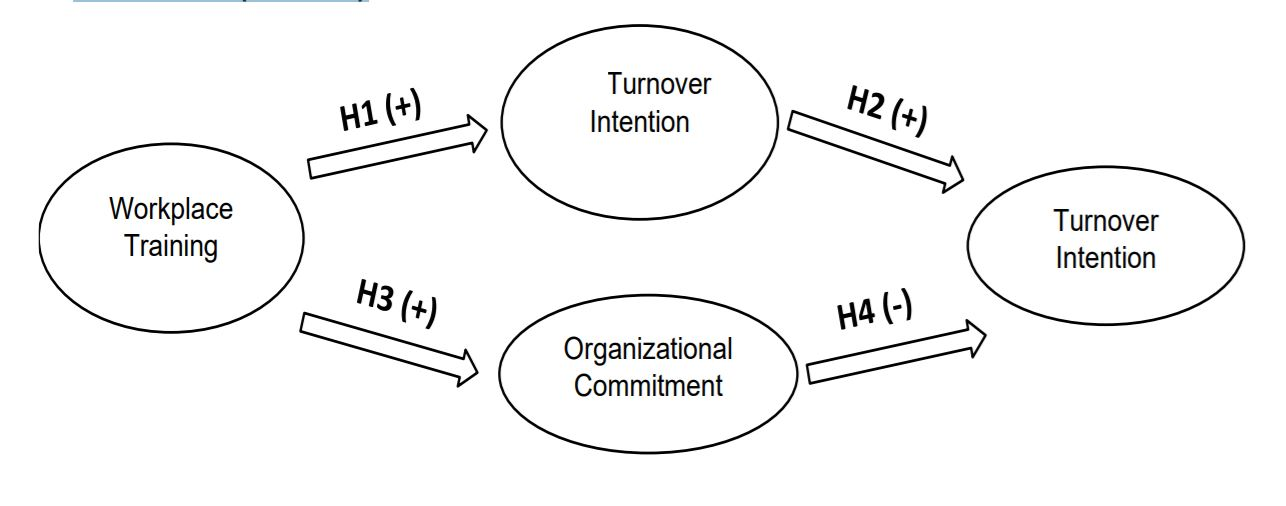
Part 3: Given the following hypotheses, (a) construct the corresponding conceptual framework or simulacrum.
The Relevance of Work-life Balance Programs in the Reduction of Work-life Conflict and Turnover Intention in the Business Process Outsourcing Industry: A Structural Equation Model (SEM)
H1: The more frequent an employee uses an organizations worklife balance programs, the lesser an employee intends to leave the organization.
H2: The more frequent an employee uses an organizations worklife balance programs, the lesser an employee experiences work-life conflict.
H3: The more work-life conflict an employee experiences, the more an employee intends to leave the organization.
The Effect of job satisfaction, transformational leadership and job embeddedness on the self- efficacy of non-life insurance rank and file sales/marketing employees: A regression analysis
H1: Sales/marketing employees that are satisfied with their jobs have high self-efficacy.
H2: Transformational leaders may strengthen the self-efficacy of an employee.
H3: A highly job embedded employee is highly self-efficacious.
The Effects of Organizational Culture on Employee Satisfaction and Work Motivation in the BPO Industry in Metro Manila
Hypothesis 1: The stronger organizational culture a company has, the higher motivation its employees will have.
Hypothesis 2: The stronger organizational culture a company has, the higher satisfaction its employees will have.
Hypothesis 3: The higher satisfaction an employee gets from the company, the higher motivation he has to continue performing well on his job and vice versa
Demographic Profile HI (+) Work time demand H2 (+) H5 () Work-to-Family Conflict Job Satisfaction Work role overload H3 (+) H4 (-) Organizational Support H1 (+) Turnover Intention H2 (+) Workplace Training Turnover Intention H3 (+) H4 (-) Organizational Commitment Demographic Profile HI (+) Work time demand H2 (+) H5 () Work-to-Family Conflict Job Satisfaction Work role overload H3 (+) H4 (-) Organizational Support H1 (+) Turnover Intention H2 (+) Workplace Training Turnover Intention H3 (+) H4 (-) Organizational Commitment
Step by Step Solution
There are 3 Steps involved in it

Get step-by-step solutions from verified subject matter experts
 Study Help