Question: Performance Management: Redesigning a Performance Appraisal System Learning objectives: Understand the different methods of rating performance Integrate performance management concepts with concepts of organizational culture
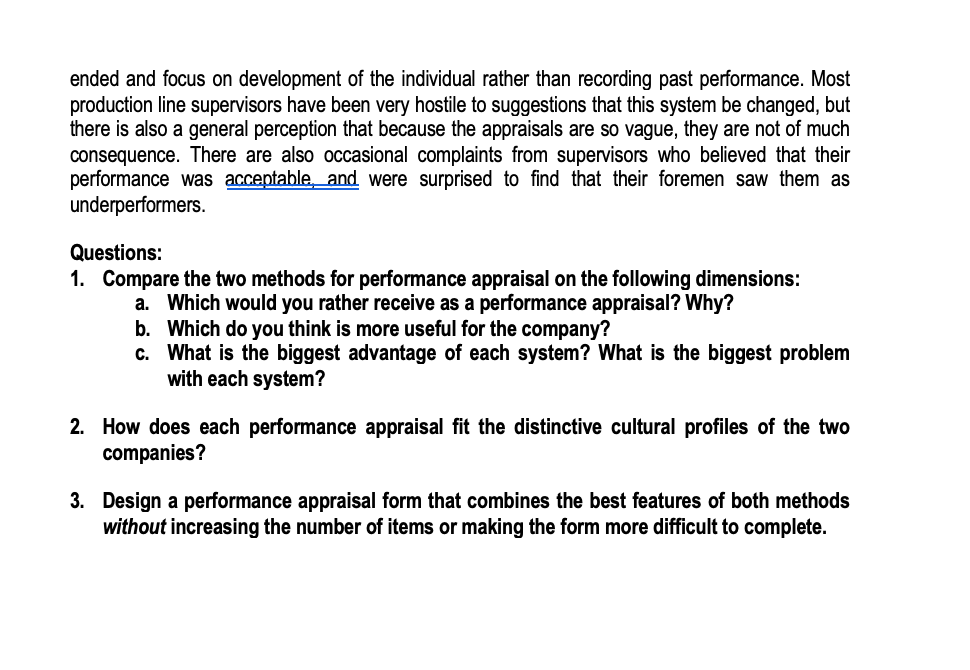
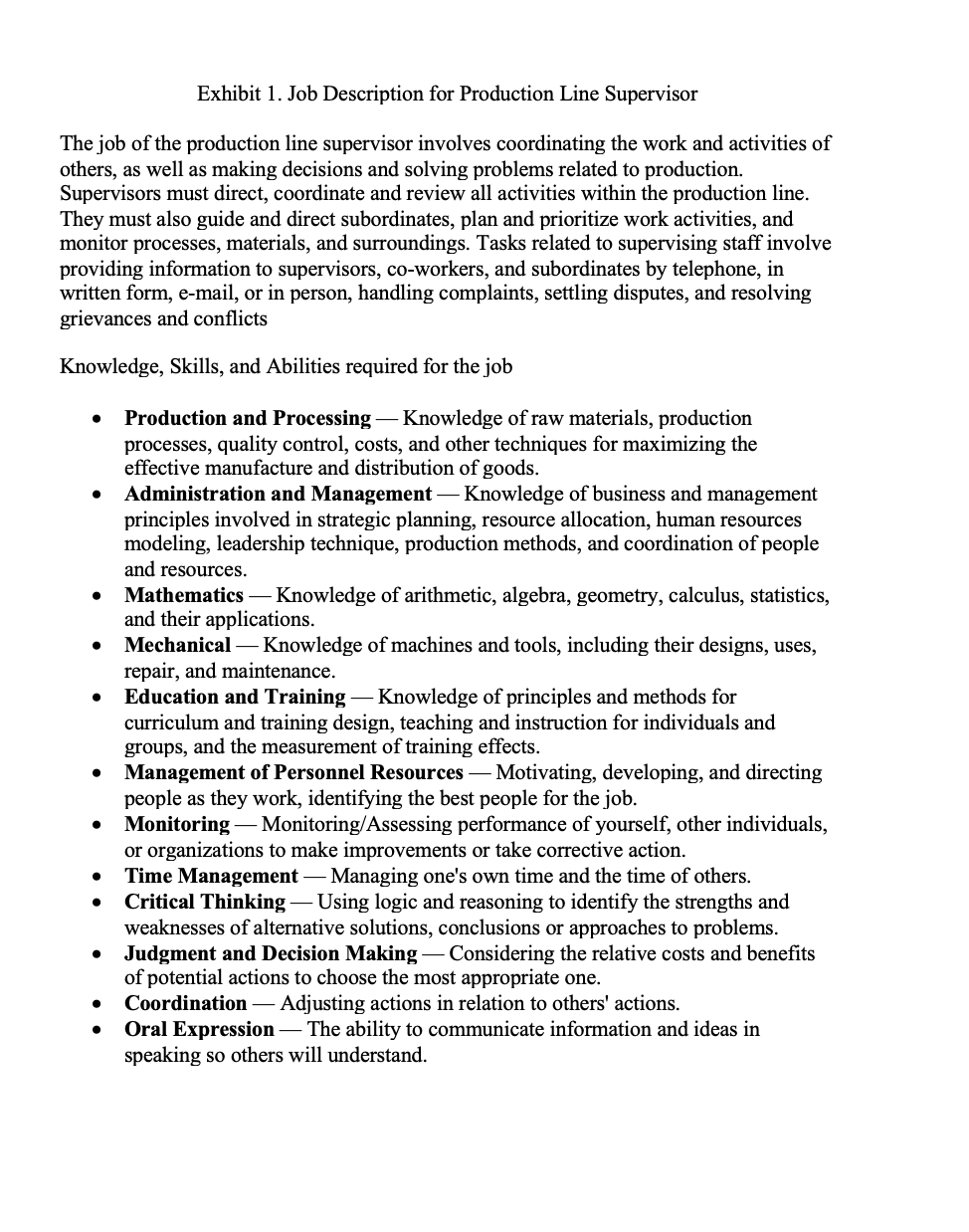
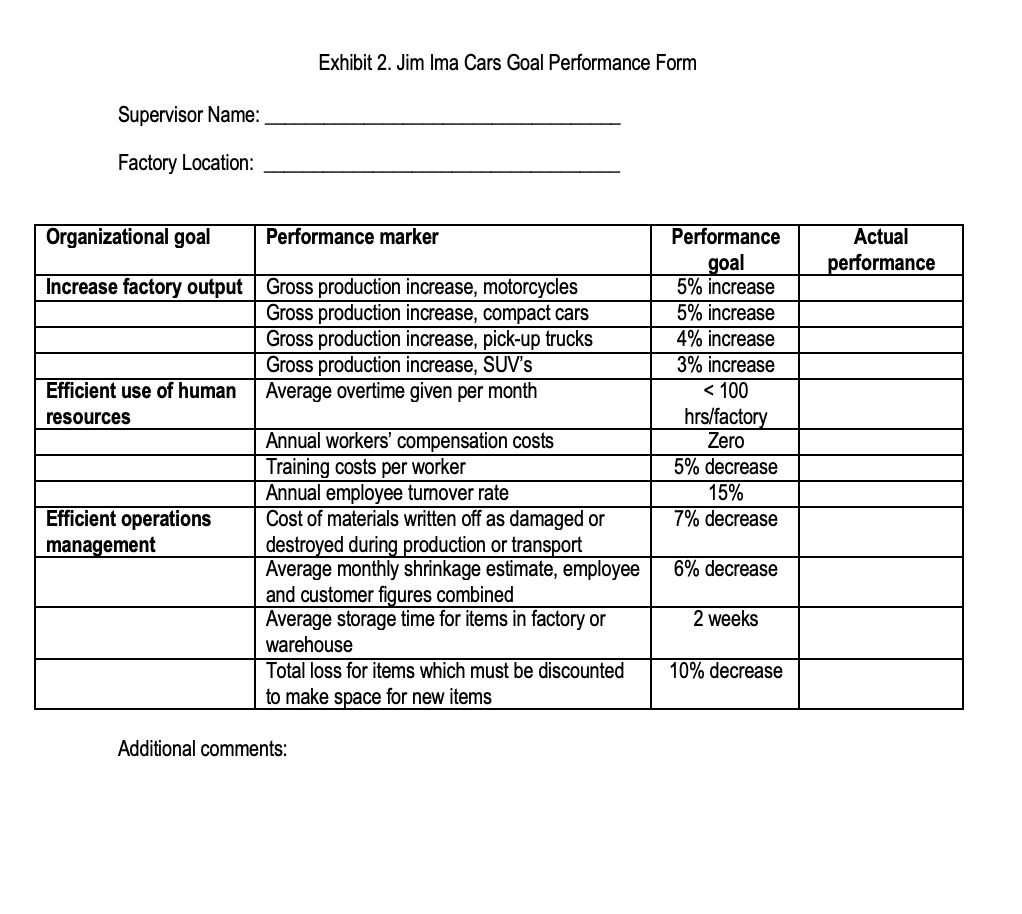
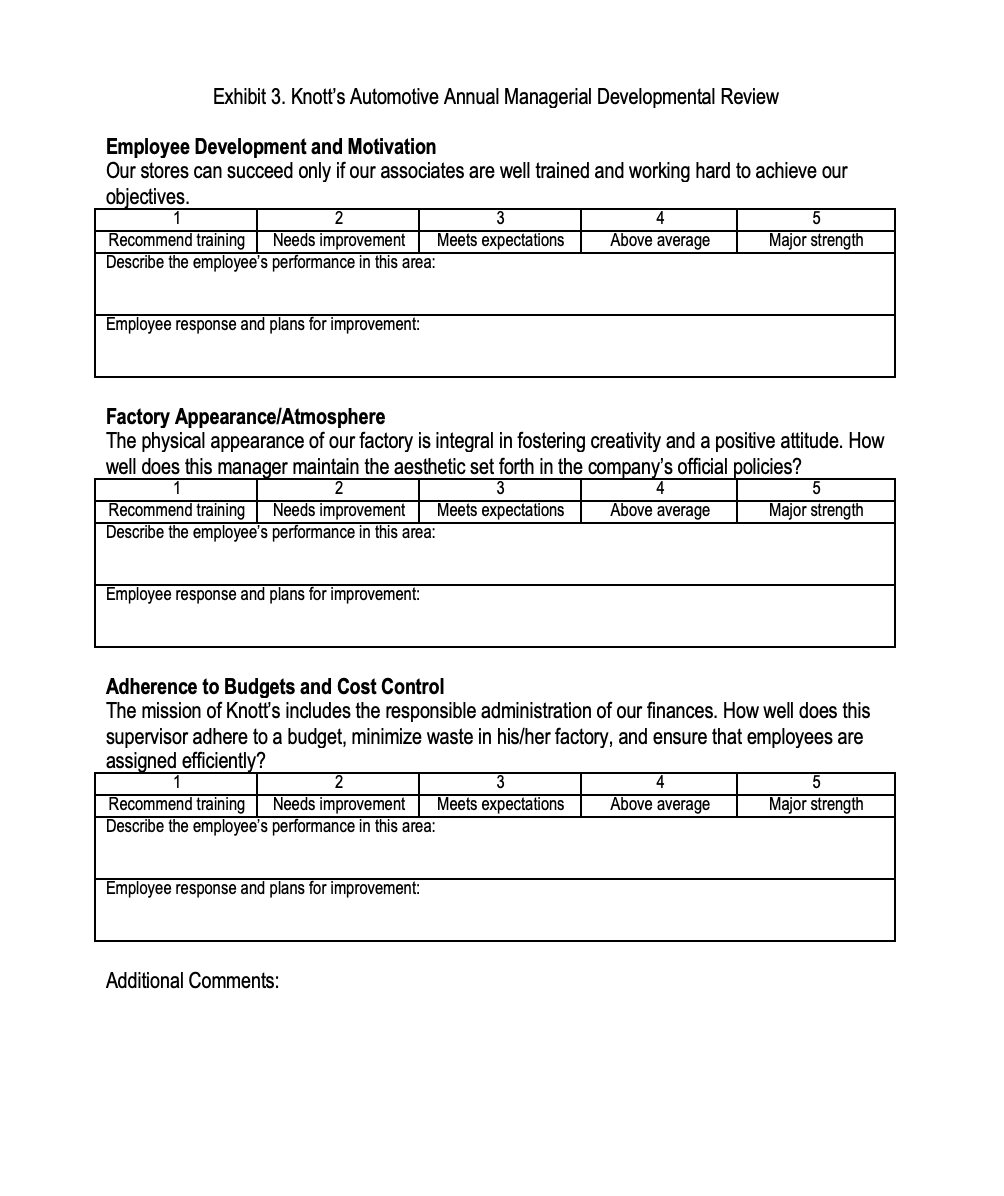
Performance Management: Redesigning a Performance Appraisal System Learning objectives: Understand the different methods of rating performance Integrate performance management concepts with concepts of organizational culture . Rationale: Companies face difficult decisions when it comes to monitoring employee performance. The more specific and individual the monitoring, the more each employee can control his or her outcomes. On the other hand, these specific individual monitoring policies can create an air of suspicion and reduce teamwork. In this case, these problems are brought to a head by considering two companies that are merging. Scenario Knott's Automotive is a manufacturer of luxury automobiles, based primarily in the Northwest states of Washington and Oregon. Knott's has recently been acquired by its less expensive rival, Jim Ima Cars, based in the same region. While the financial aspects of the merger have run smoothly, the administration across the companies is very different. Jim Ima Cars has focused on efficiency, low production costs, and production output. This focus requires that their workers be dependable and cooperative. Knott's, on the other hand, has kept their focus on being able to manufacture the unique luxury designs of the higher-end automobiles. This means that their workers need to be more concerned with independence and attention to detail. In developmental meetings between executive teams for the two stores, the training and performance management of supervisors has been identified as the primary concern. It is believed that if factory foremen are all working off the same basic set of priorities and goals, there will be a better outcome for the factories as a whole. The main job of interest is the Production Line Supervisor. A job description is provided in Exhibit 1. The Jim Ima philosophy for performance management centers around objective measurement systems, goals linked to organizational performance, and consequences for success or failure in reference to standards. An example of their appraisal form is provided in Exhibit 2. Although goals change from year to year, the goals are identical for all supervisors in the company. Some foremen claim that this aspect of the system makes it difficult to customize goals to each individual's developmental needs, but the overall corporate philosophy is that uniform goals enhance perceptions of fairness and keep employees motivated towards a common corporate target for performance. Knott's Automotive has a much more informal, personal style of performance appraisals. While the company does encourage foremen to take account of objective measures of success in their appraisal questions, they also allow each foreman considerable latitude in determining performance goals. Performance goals are set for each individual supervisor based on previous performance levels. The actual forms used by Knott's, shown in Exhibit 3, are much more open- ended and focus on development of the individual rather than recording past performance. Most production line supervisors have been very hostile to suggestions that this system be changed, but there is also a general perception that because the appraisals are so vague, they are not of much consequence. There are also occasional complaints from supervisors who believed that their performance was acceptable, and were surprised to find that their foremen saw them as underperformers. Questions: 1. Compare the two methods for performance appraisal on the following dimensions: a. Which would you rather receive as a performance appraisal? Why? b. Which do you think is more useful for the company? C. What is the biggest advantage of each system? What is the biggest problem with each system? 2. How does each performance appraisal fit the distinctive cultural profiles of the two companies? 3. Design a performance appraisal form that combines the best features of both methods without increasing the number of items or making the form more difficult to complete. Exhibit 1. Job Description for Production Line Supervisor The job of the production line supervisor involves coordinating the work and activities of others, as well as making decisions and solving problems related to production. Supervisors must direct, coordinate and review all activities within the production line. They must also guide and direct subordinates, plan and prioritize work activities, and monitor processes, materials, and surroundings. Tasks related to supervising staff involve providing information to supervisors, co-workers, and subordinates by telephone, in written form, e-mail, or in person, handling complaints, settling disputes, and resolving grievances and conflicts Knowledge, Skills, and Abilities required for the job Production and Processing Knowledge of raw materials, production processes, quality control, costs, and other techniques for maximizing the effective manufacture and distribution of goods. Administration and Management Knowledge of business and management principles involved in strategic planning, resource allocation, human resources modeling, leadership technique, production methods, and coordination of people and resources. Mathematics Knowledge of arithmetic, algebra, geometry, calculus, statistics, and their applications. Mechanical Knowledge of machines and tools, including their designs, uses, repair, and maintenance. Education and Training - Knowledge of principles and methods for curriculum and training design, teaching and instruction for individuals and groups, and the measurement of training effects. Management of Personnel Resources Motivating, developing, and directing people as they work, identifying the best people for the job. Monitoring Monitoring/Assessing performance of yourself, other individuals, or organizations to make improvements or take corrective action. Time Management - Managing one's own time and the time of others. Critical Thinking Using logic and reasoning to identify the strengths and weaknesses of alternative solutions, conclusions or approaches to problems. Judgment and Decision Making Considering the relative costs and benefits of potential actions to choose the most appropriate one. Coordination Adjusting actions in relation to others' actions. Oral Expression The ability to communicate information and ideas in speaking so others will understand. . Exhibit 2. Jim Ima Cars Goal Performance Form Supervisor Name: Factory Location: Organizational goal Performance marker Actual performance Increase factory output Gross production increase, motorcycles Gross production increase, compact cars Gross production increase, pick-up trucks Gross production increase, SUV's Efficient use of human Average overtime given per month resources Annual workers' compensation costs Training costs per worker Annual employee turnover rate Efficient operations Cost of materials written off as damaged or management destroyed during production or transport Average monthly shrinkage estimate, employee and customer figures combined Average storage time for items in factory or warehouse Total loss for items which must be discounted to make space for new items Performance goal 5% increase 5% increase 4% increase 3% increase









 Study Help