







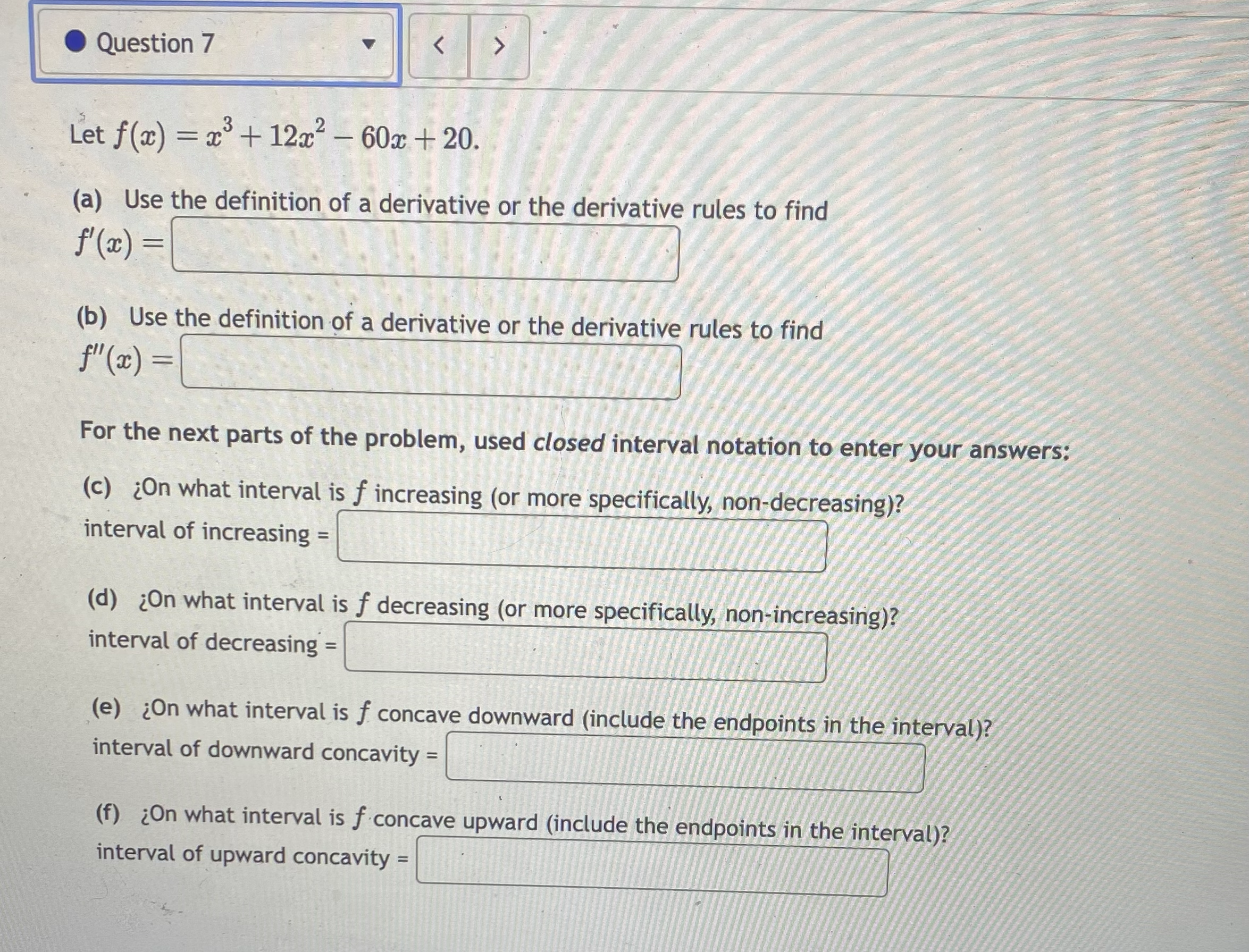
Question: Please answer all questions, correctly! Thank you. Question 7 Let f(a) = 23+ 12x2- 60x + 20. (a) Use the definition of a derivative or
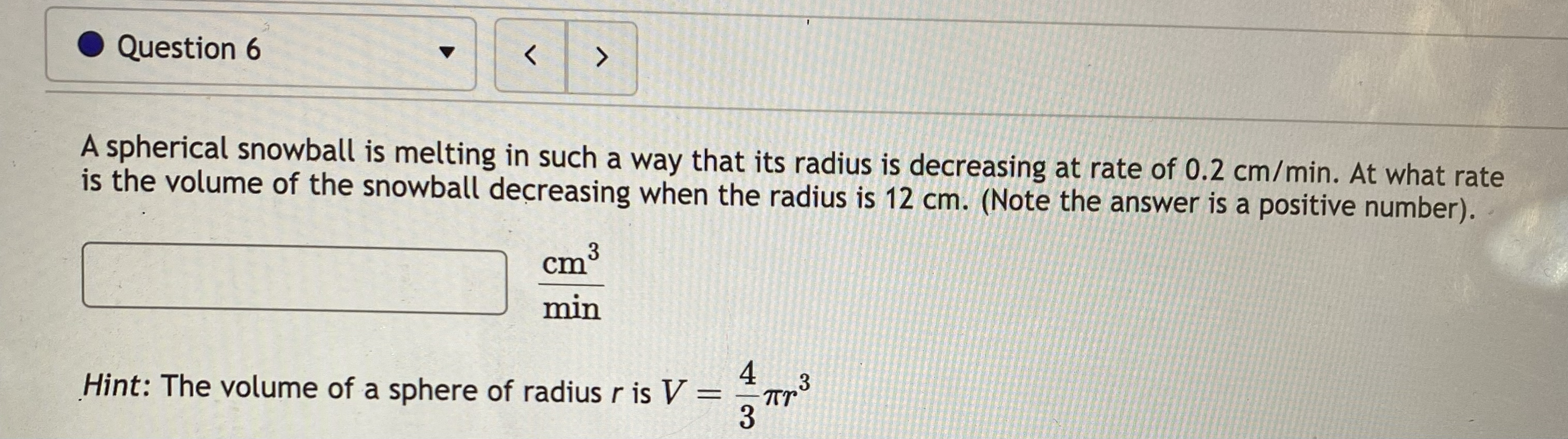
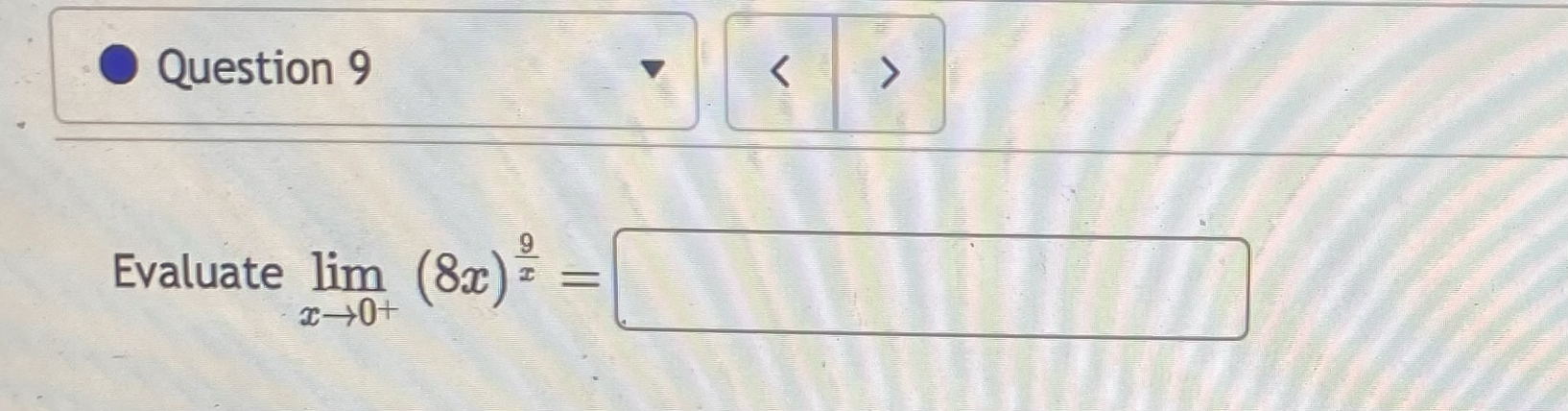
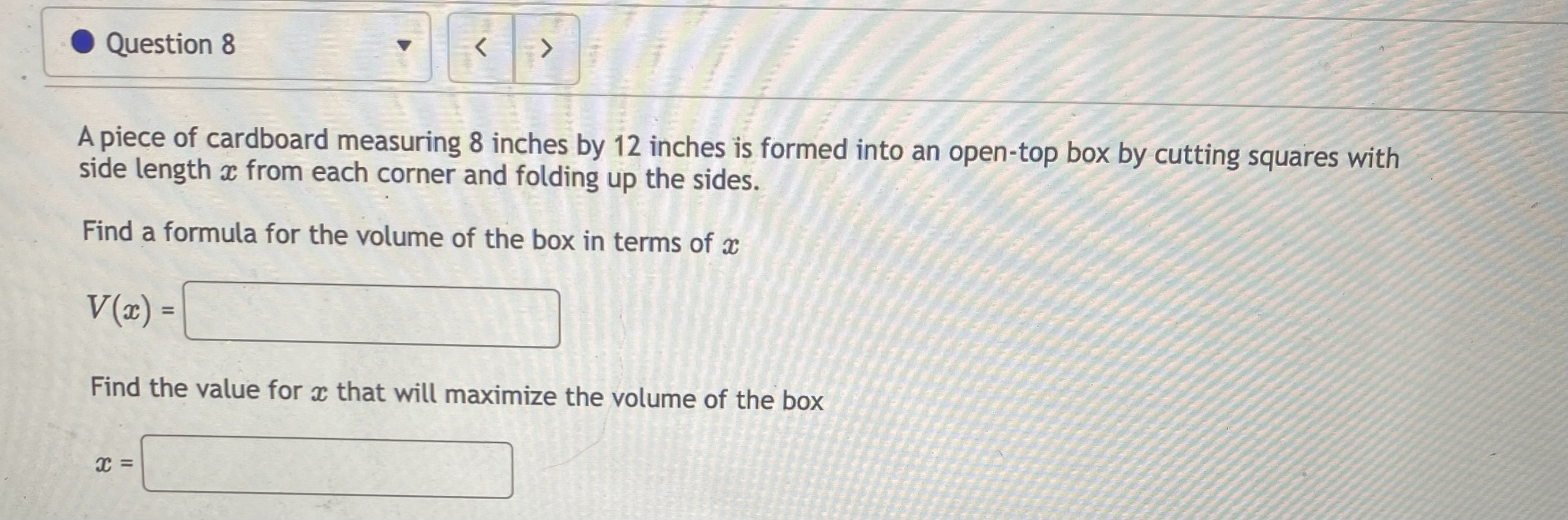

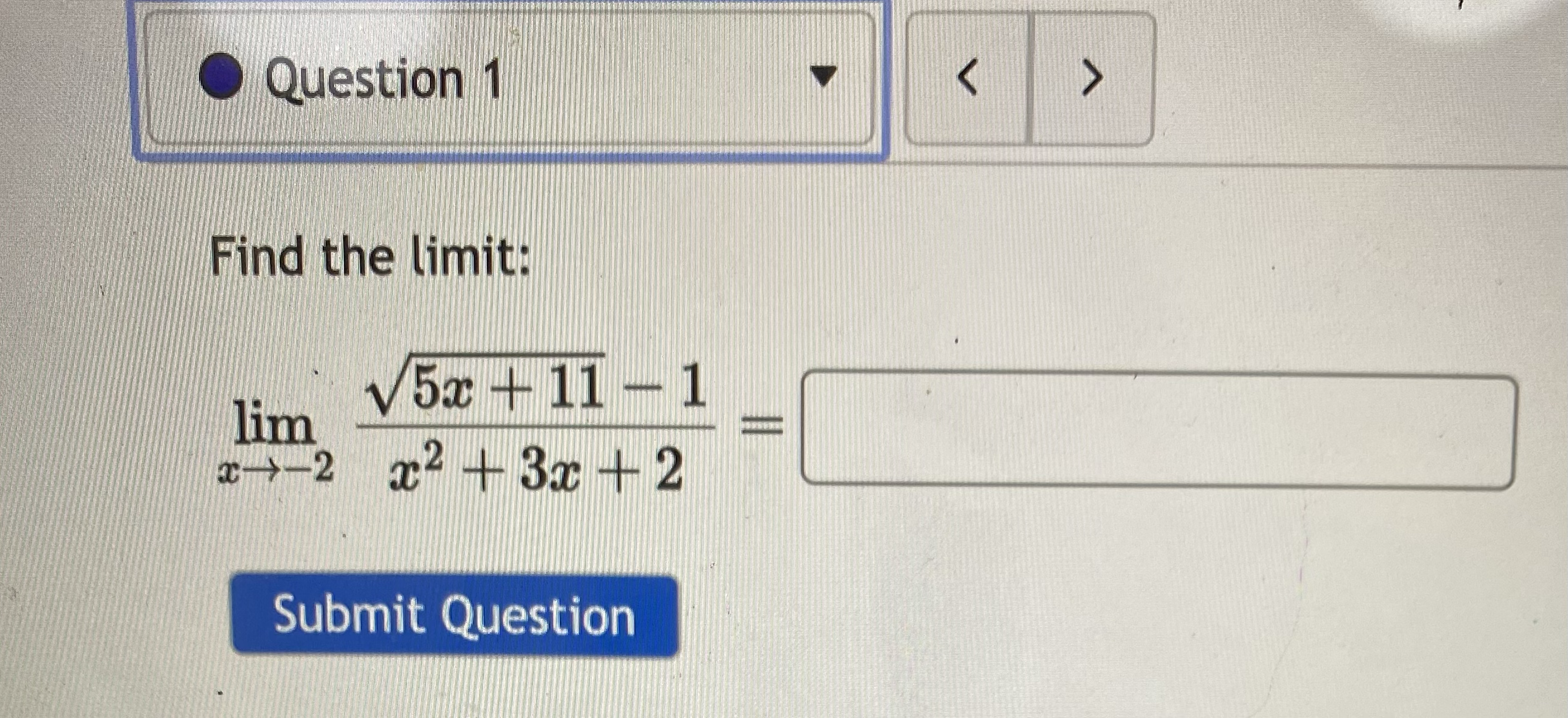
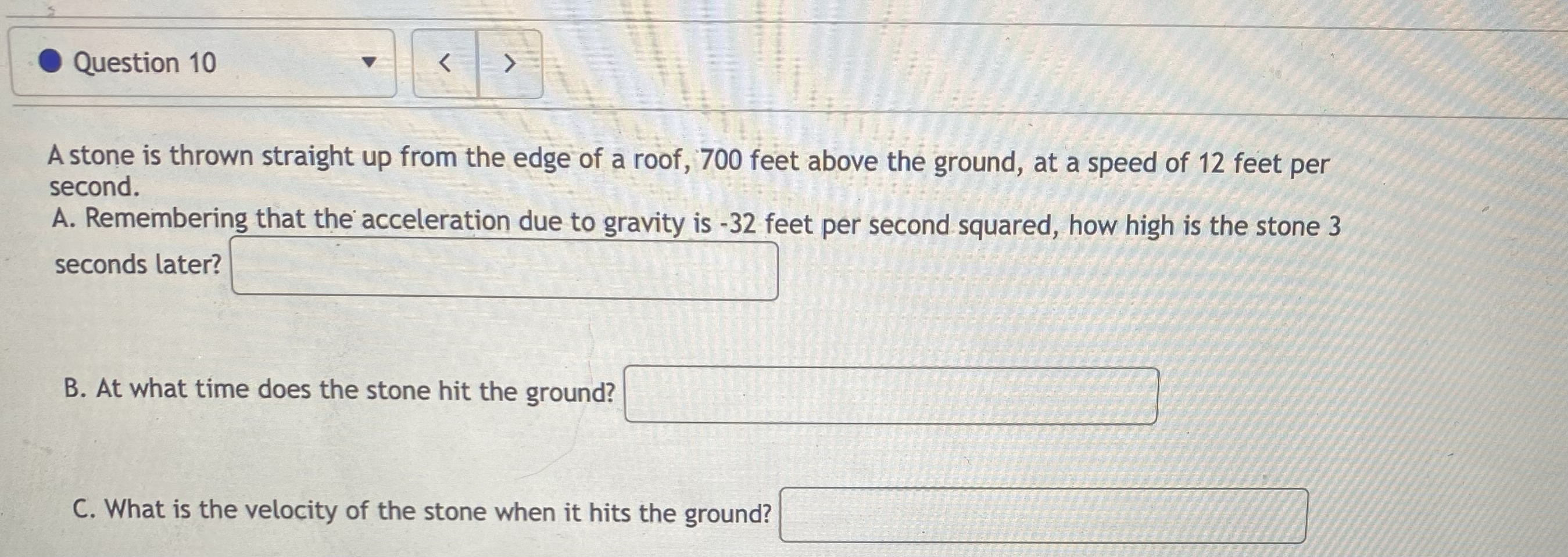
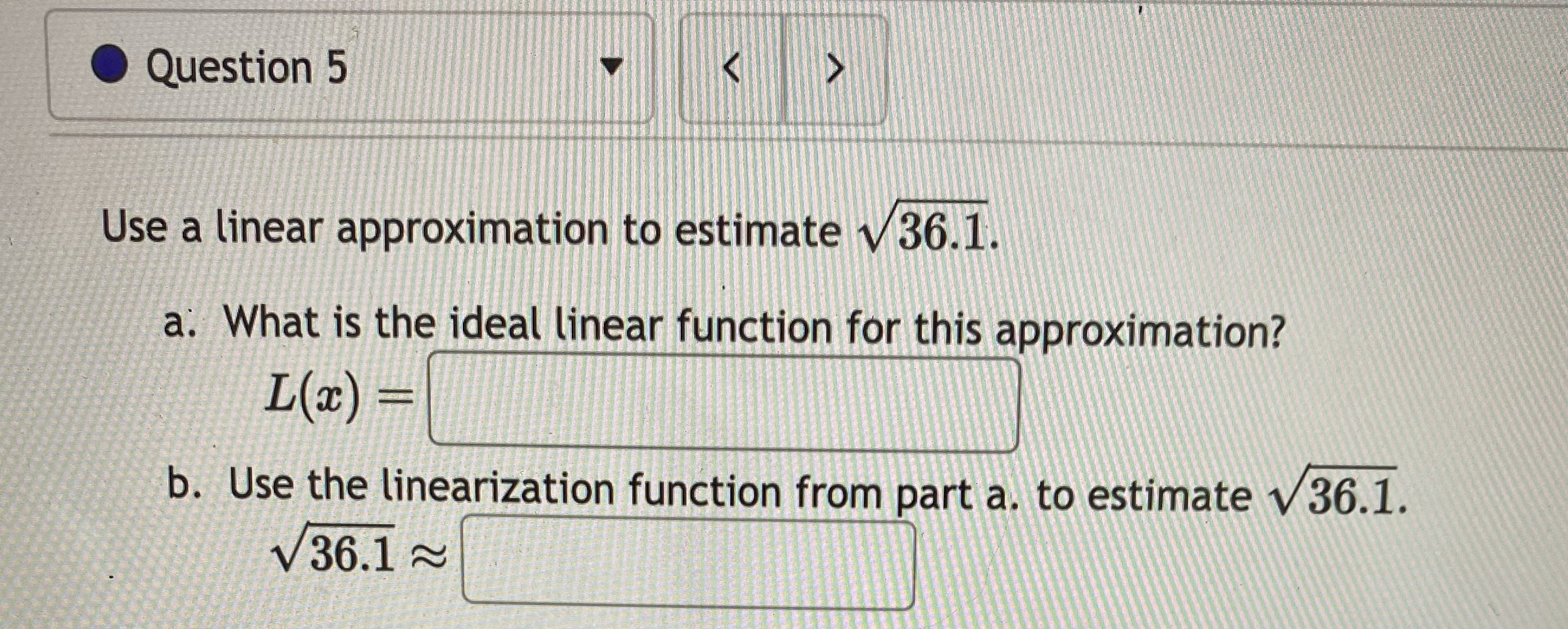
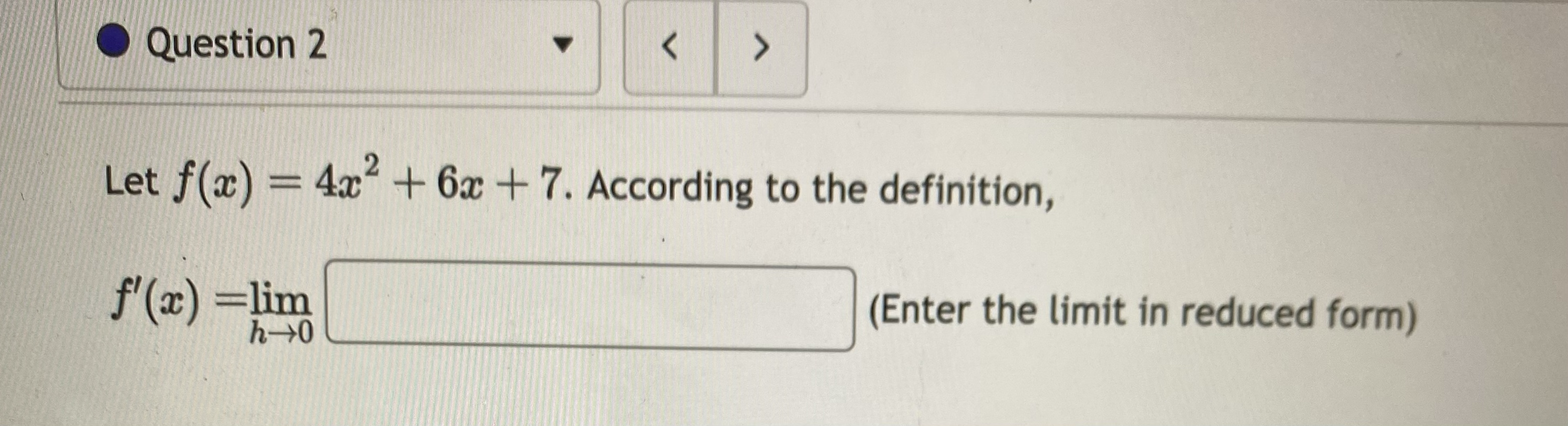
Please answer all questions, correctly! Thank you.
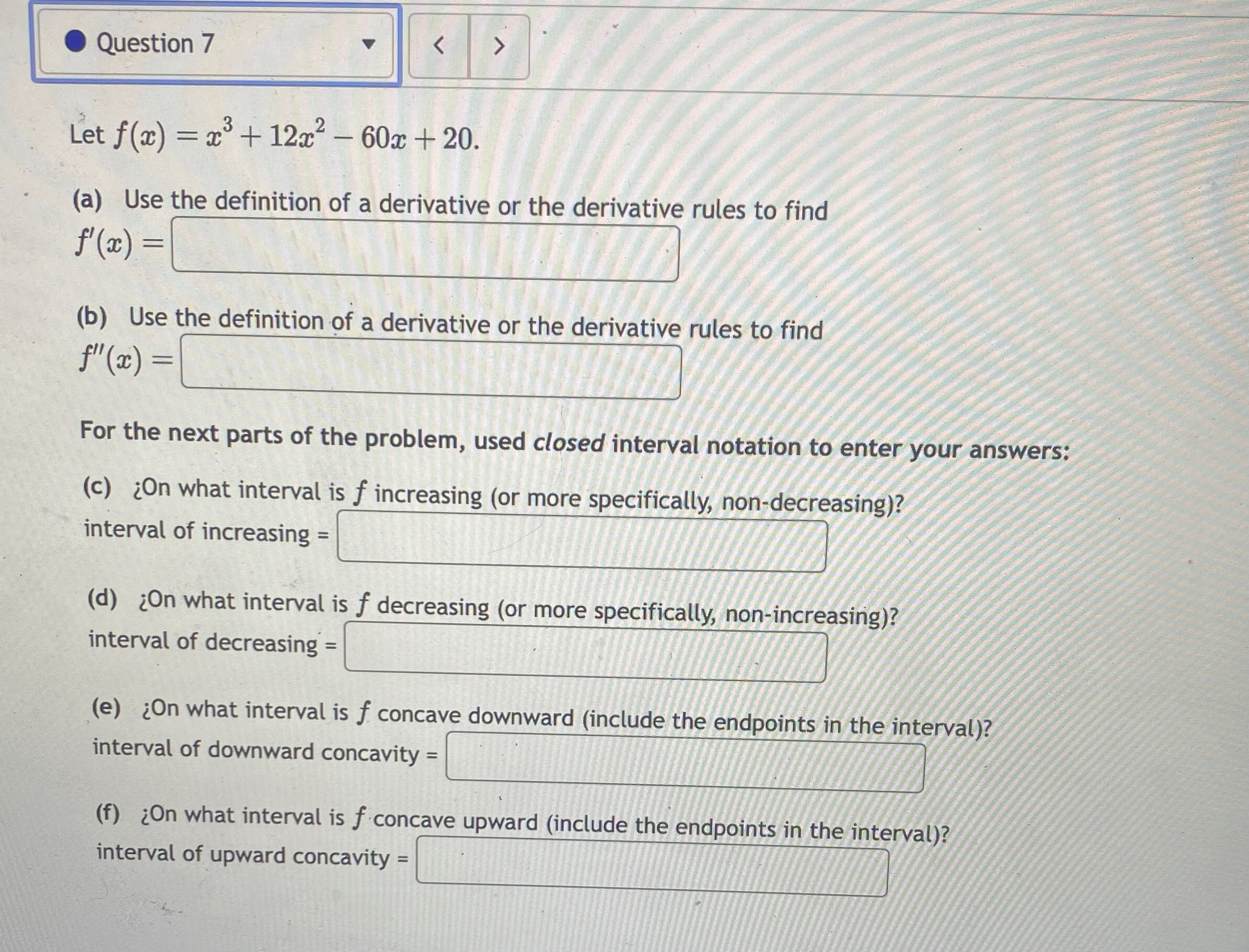
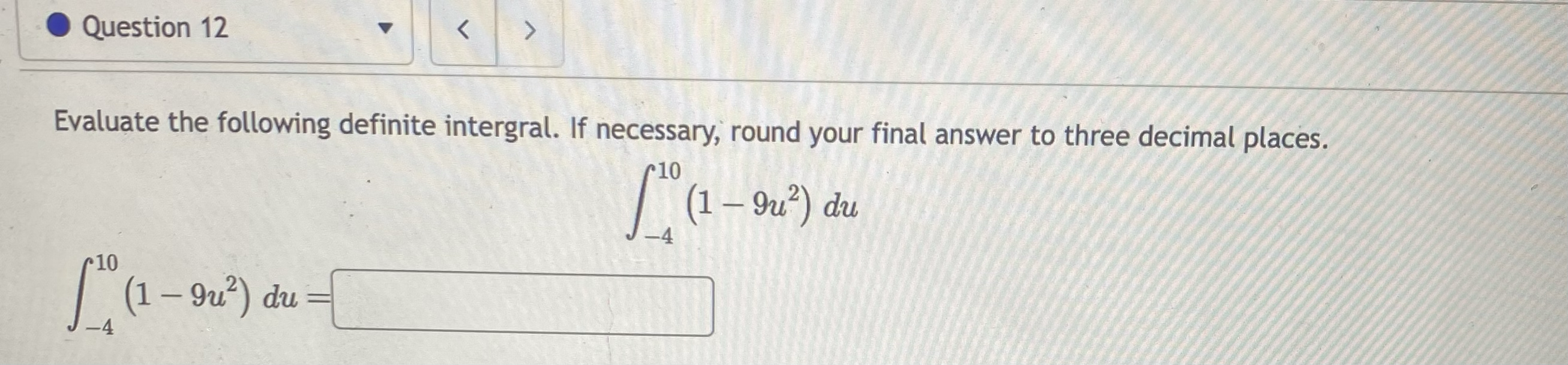
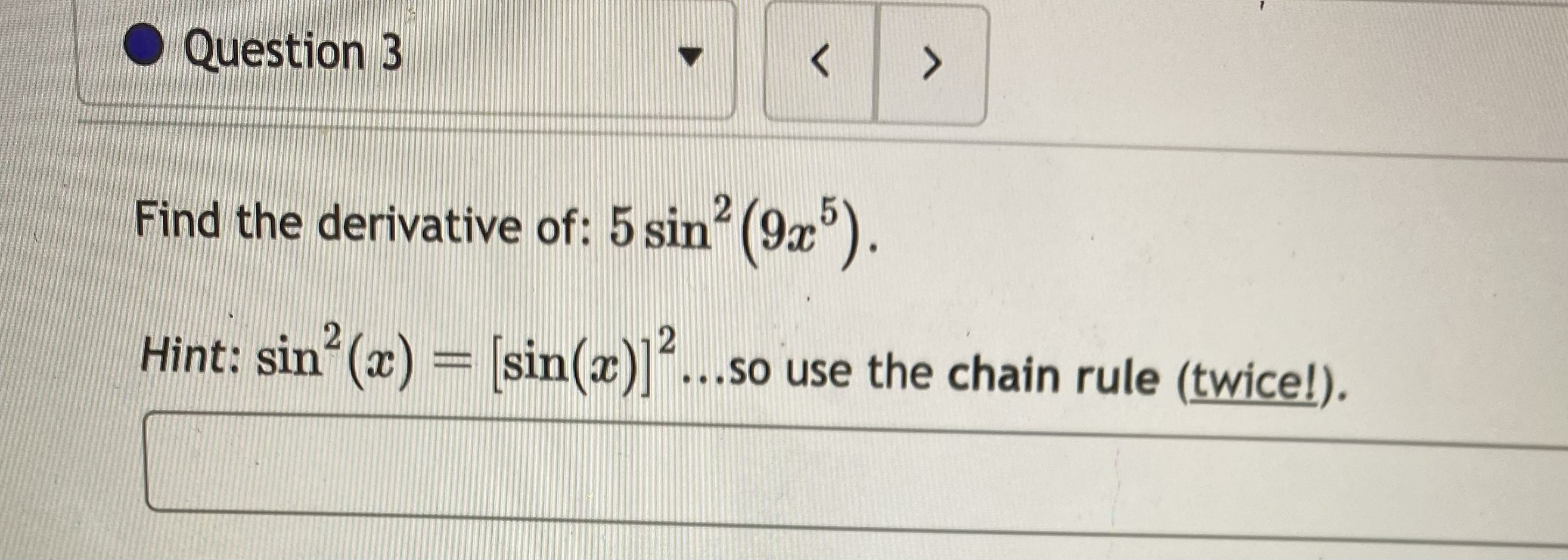
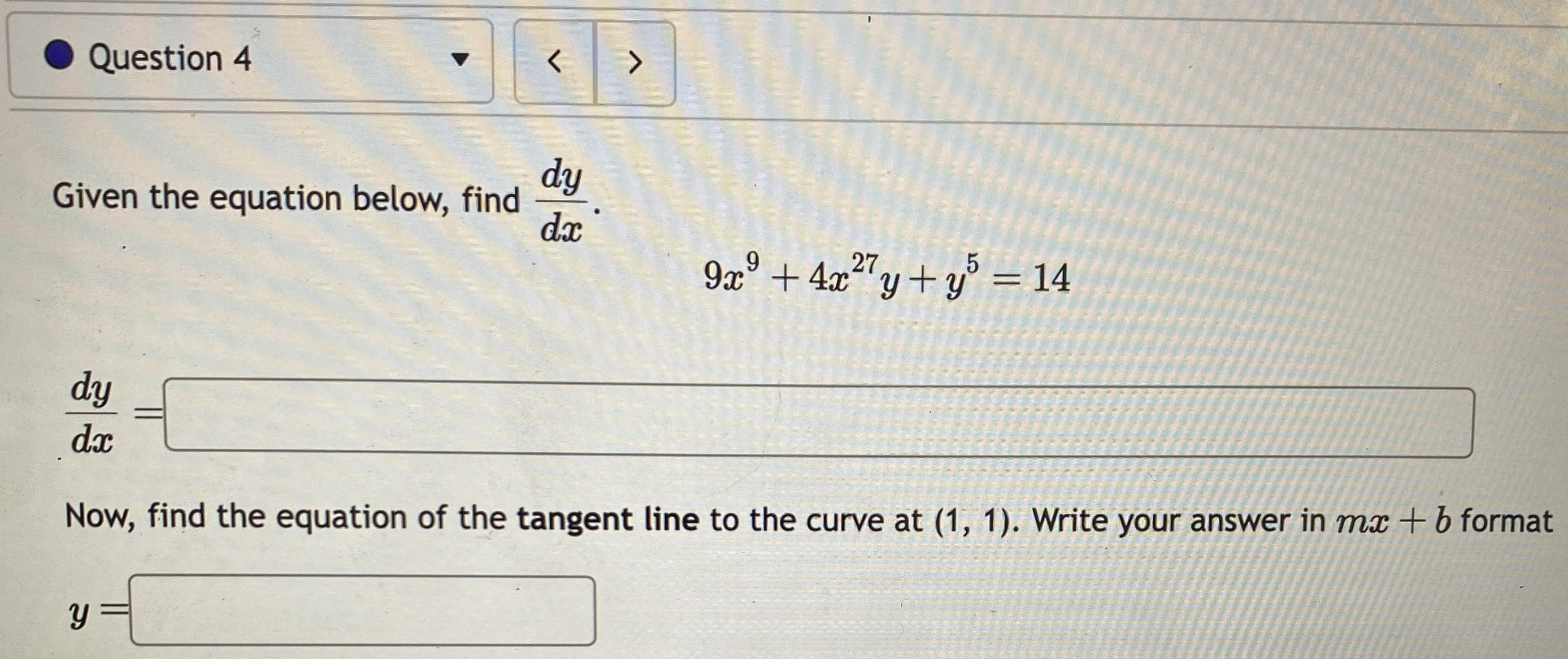
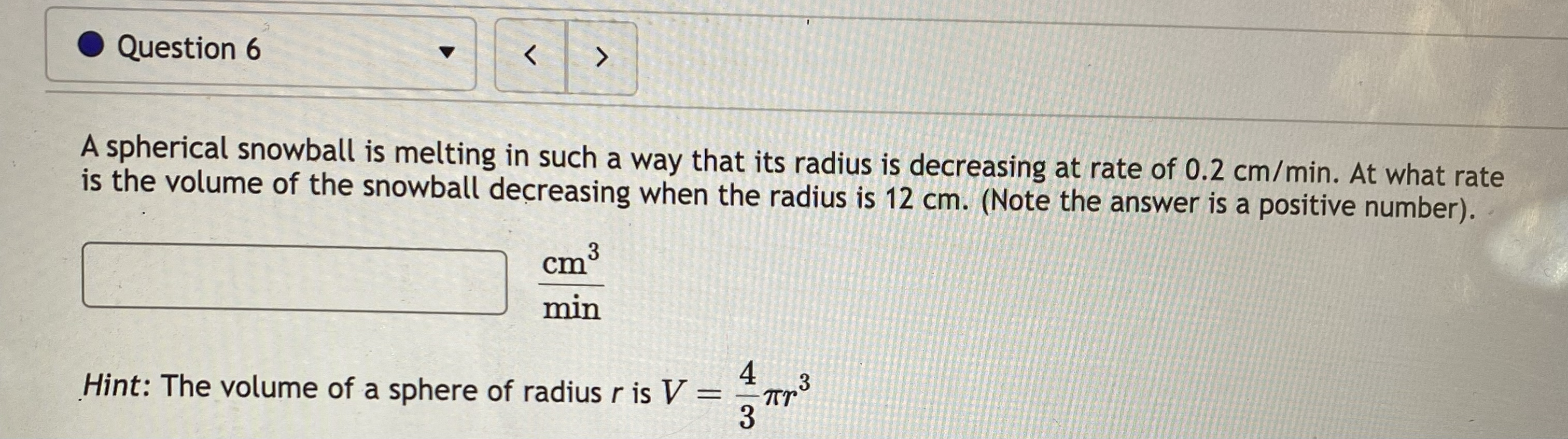
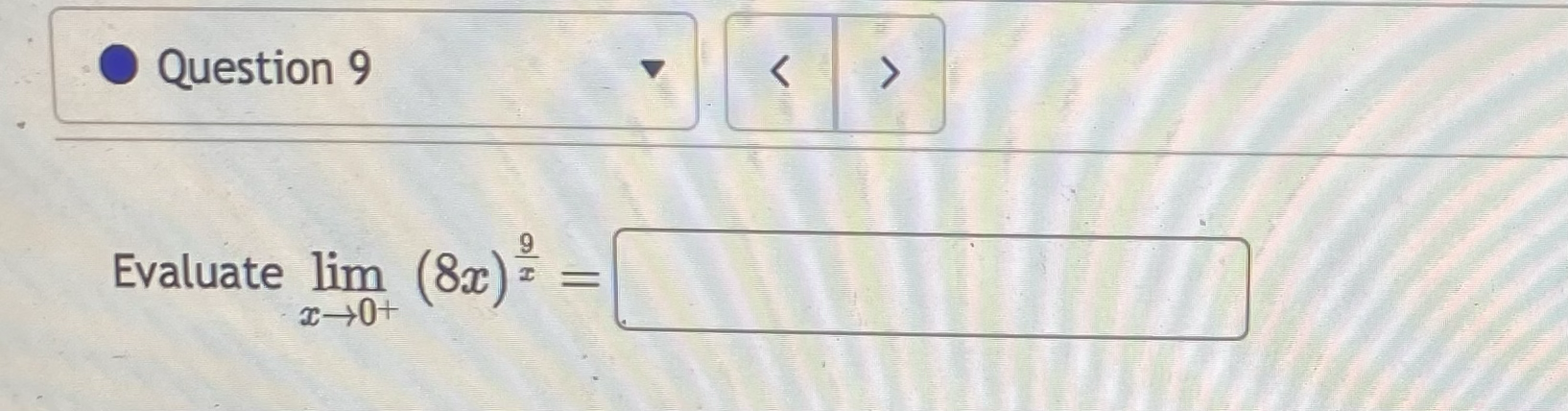
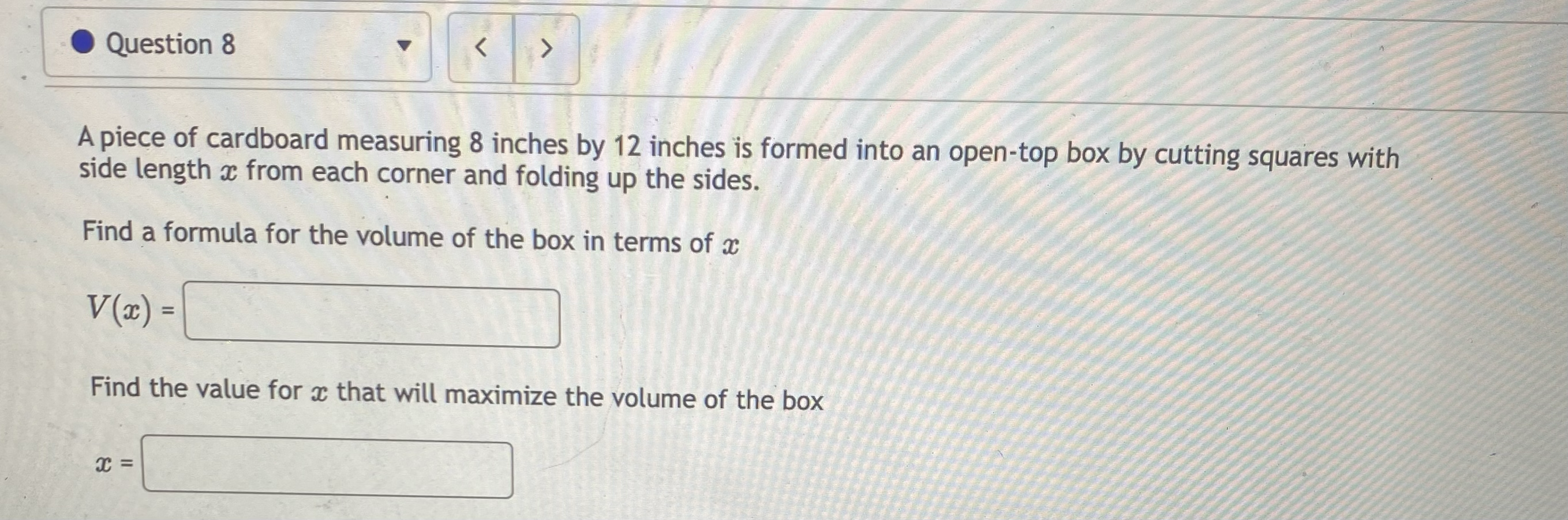

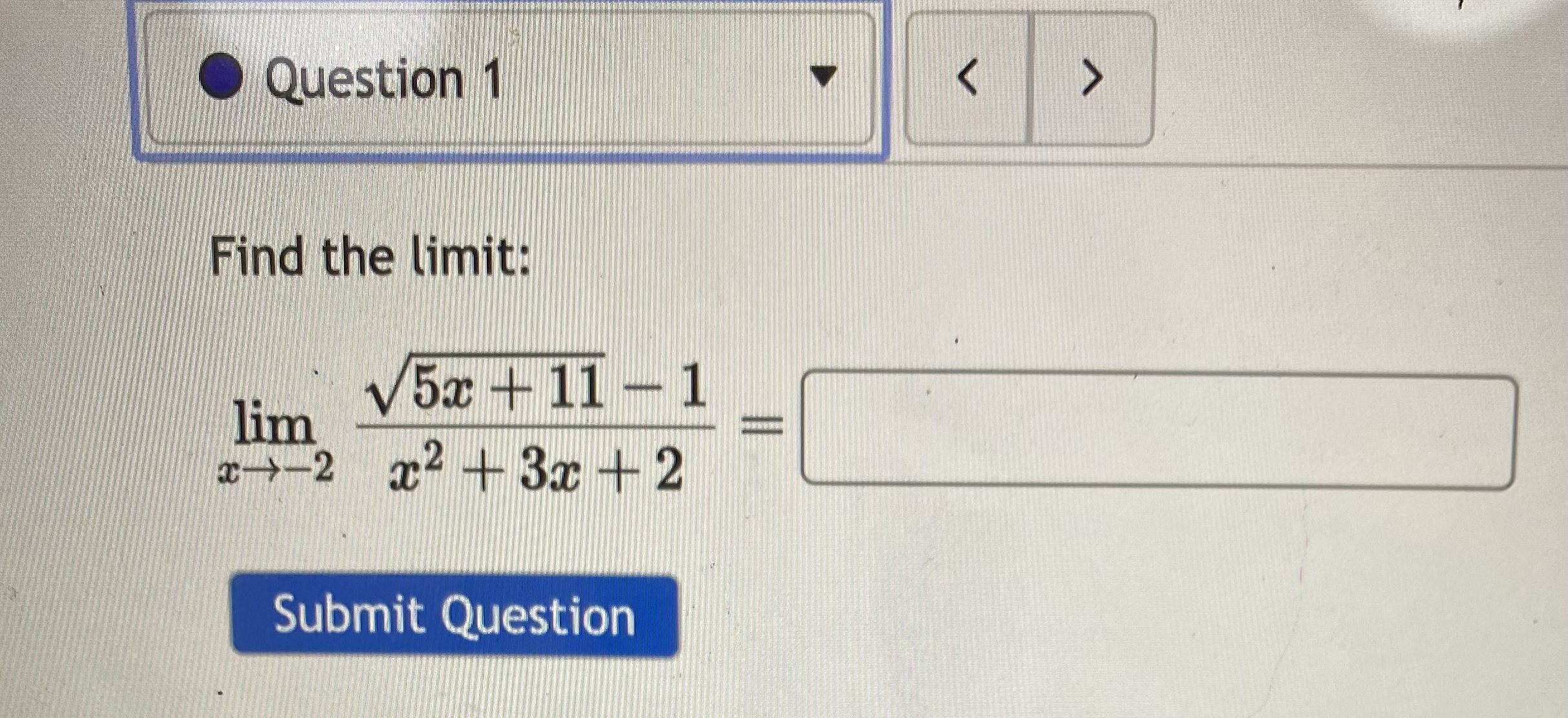
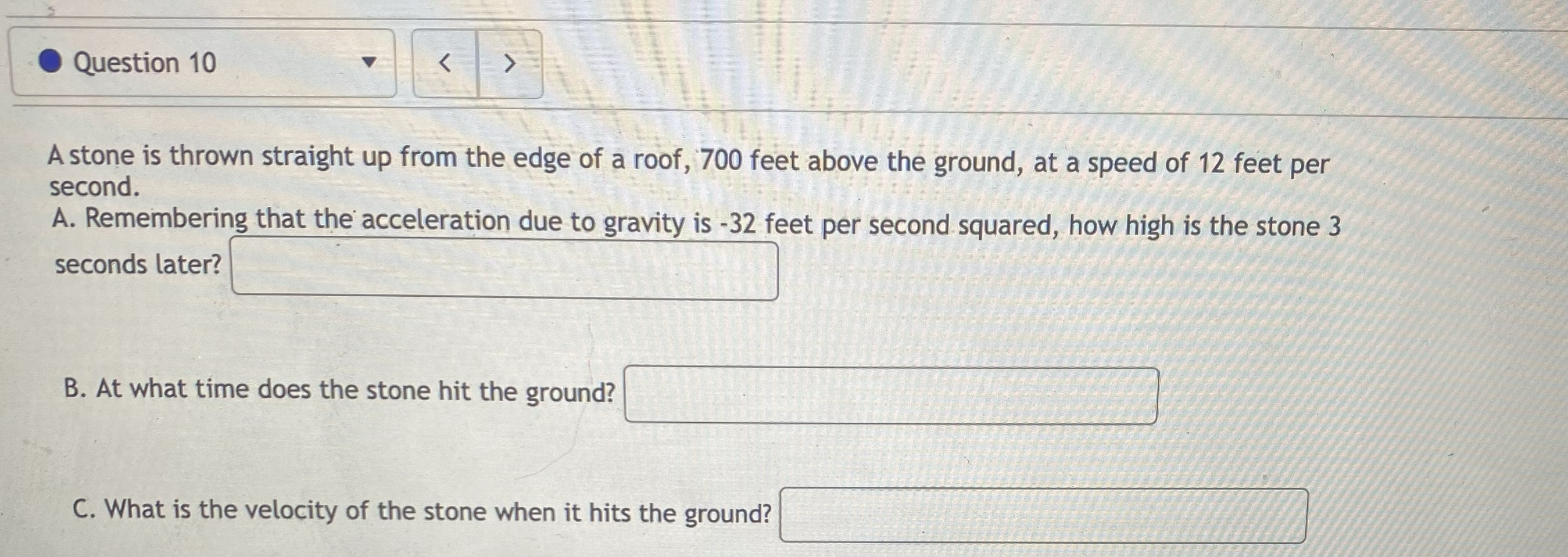
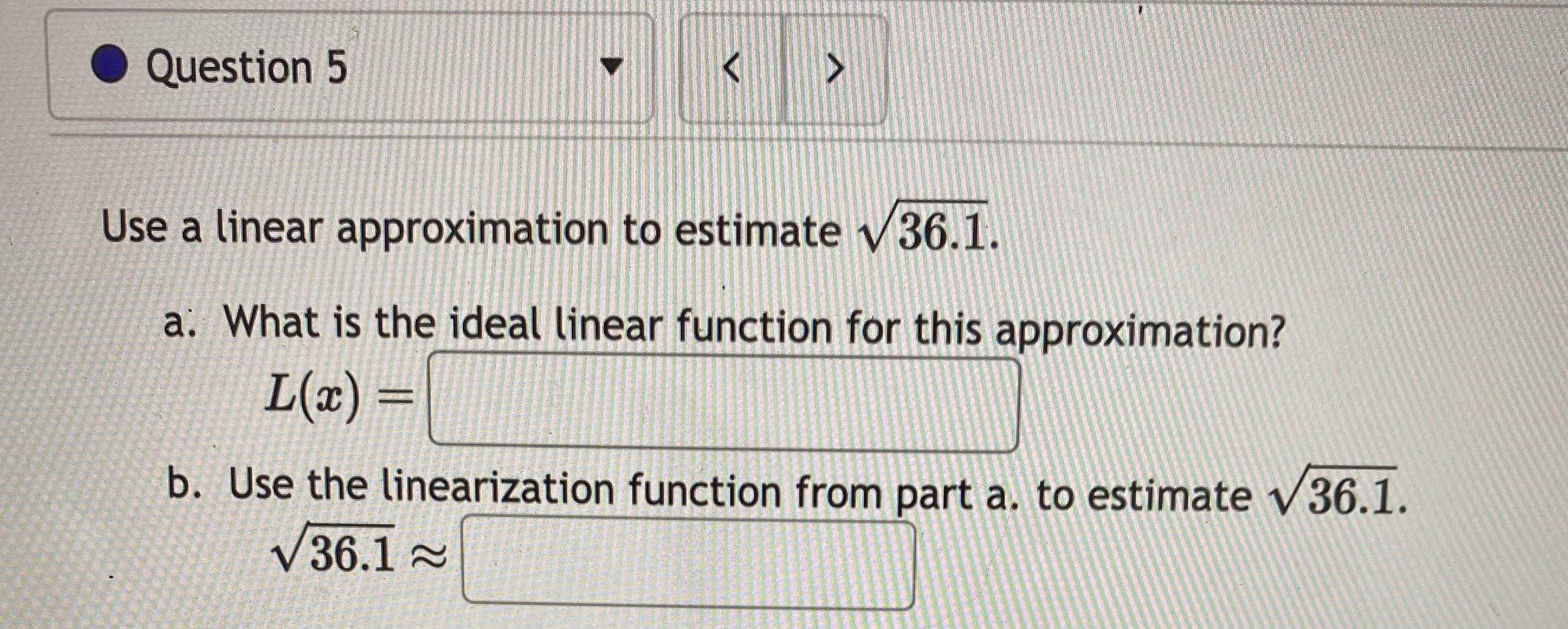
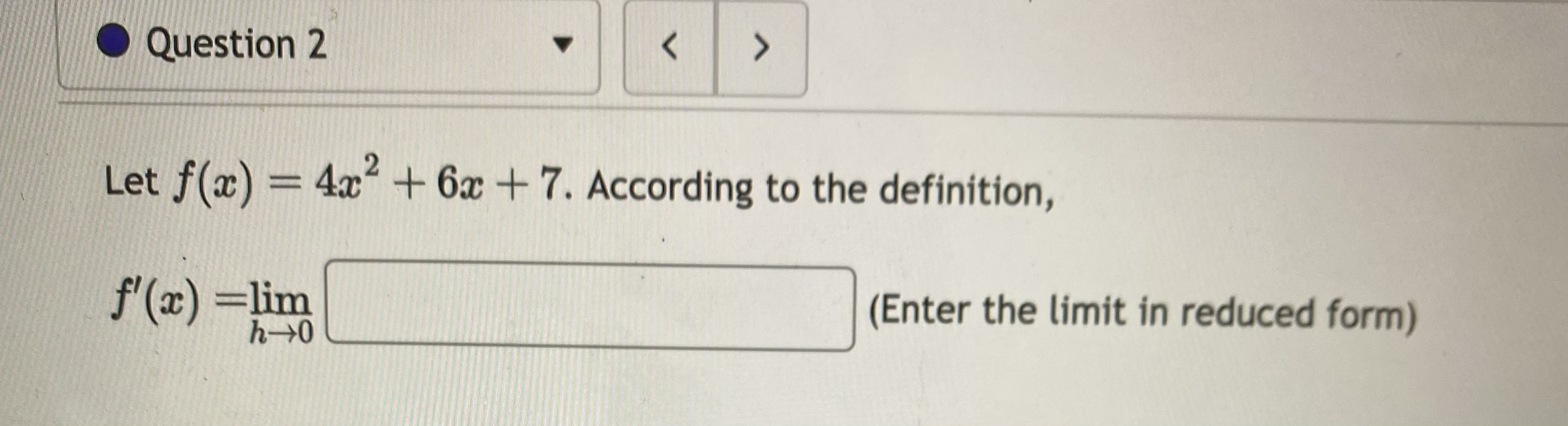
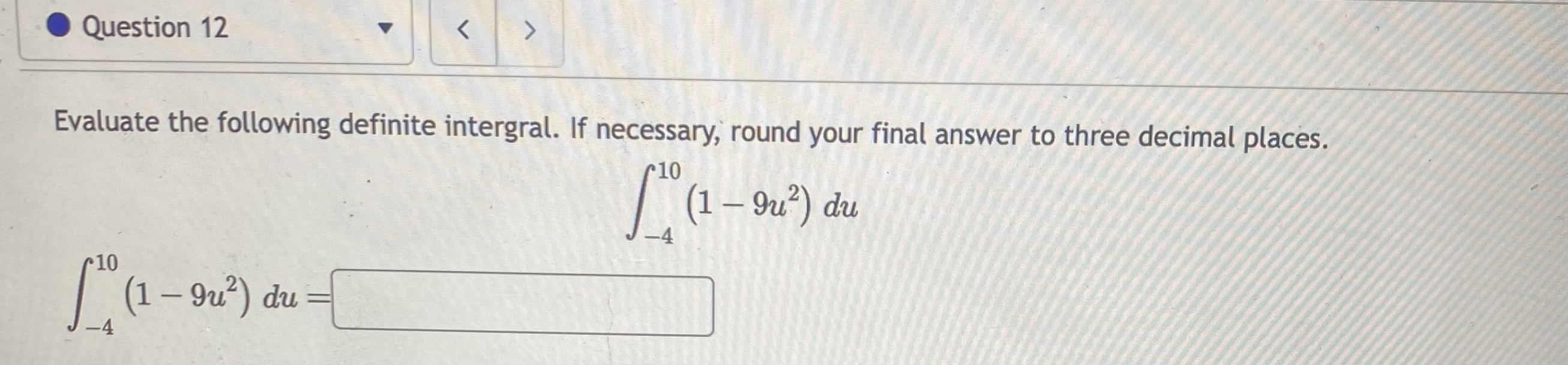
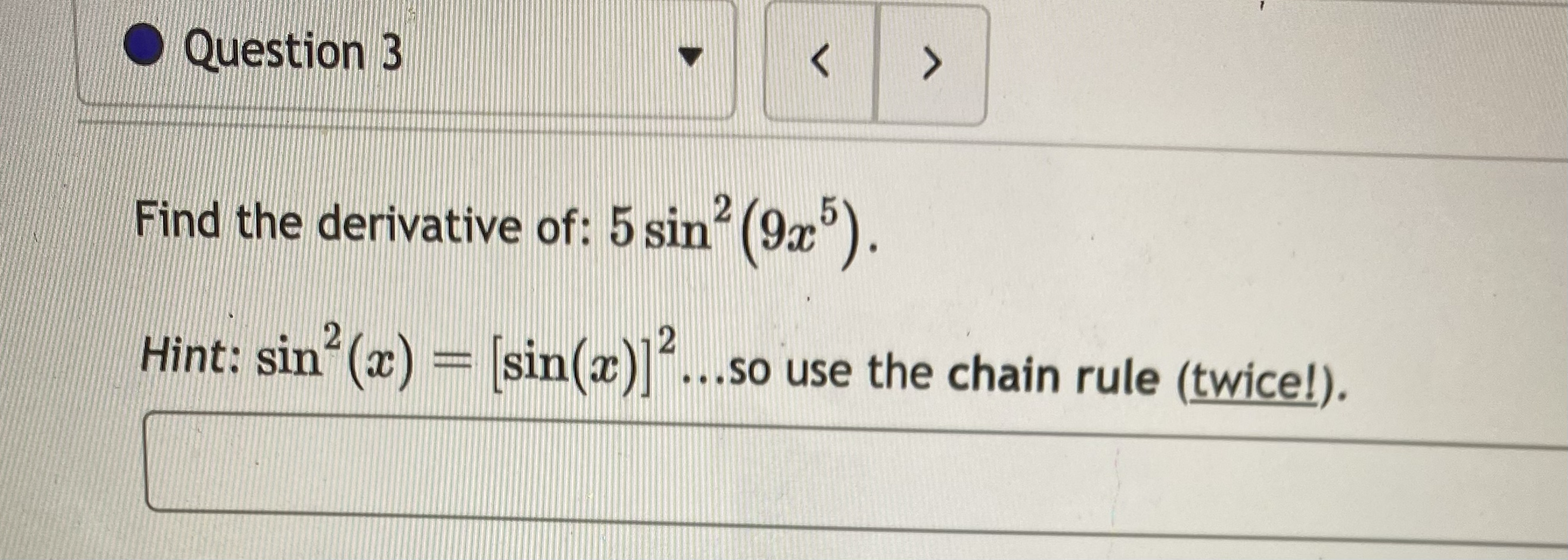
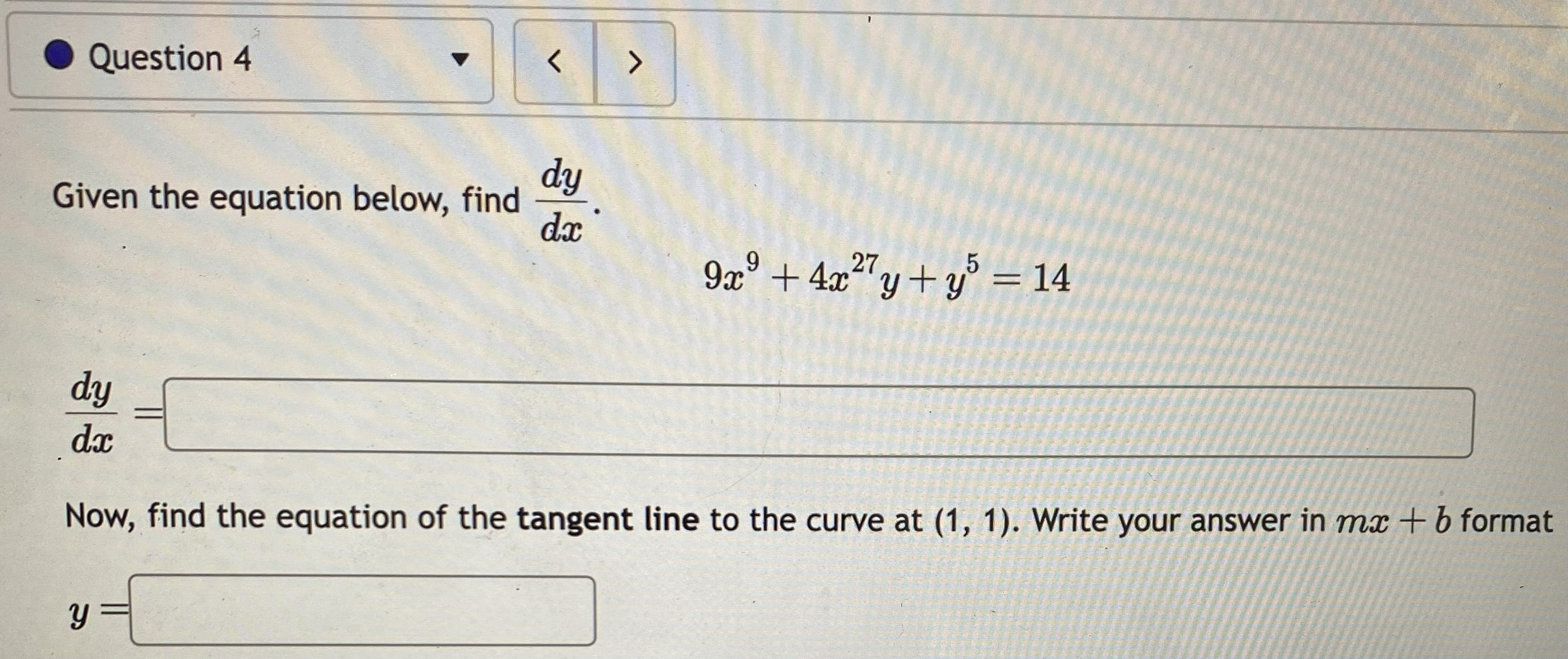
Question 7 Let f(a) = 23+ 12x2- 60x + 20. (a) Use the definition of a derivative or the derivative rules to find f' (2 ) = (b) Use the definition of a derivative or the derivative rules to find f" (ac) = For the next parts of the problem, used closed interval notation to enter your answers: (c) On what interval is f increasing (or more specifically, non-decreasing)? interval of increasing = (d) On what interval is f decreasing (or more specifically, non-increasing)? interval of decreasing = (e) On what interval is f concave downward (include the endpoints in the interval)? interval of downward concavity = (f) On what interval is f concave upward (include the endpoints in the interval)? interval of upward concavity =O Question 12 Evaluate the following definite intergral. If necessary, round your final answer to three decimal places. .10 (1 - gu?) du (1 - gu? ) duQuestion 3 A > Find the derivative of: 5 sin (9x-5). Hint: sin (x) = sin(x) ...so use the chain rule (twice!).Question 4 > dy Given the equation below, find da 9x + 4x y+ y' =14 dy dx Now, find the equation of the tangent line to the curve at (1, 1). Write your answer in max + b format yQuestion 6 Let f(ac) = 4x + 6x + 7. According to the definition, f'(x) =lim (Enter the limit in reduced form) h-0
Step by Step Solution
There are 3 Steps involved in it

Get step-by-step solutions from verified subject matter experts
 Study Help