







Question: please answer all questions Several methods can be used to compute the intrinsic value of a share of a company's common stock. One method uses
 please answer all questions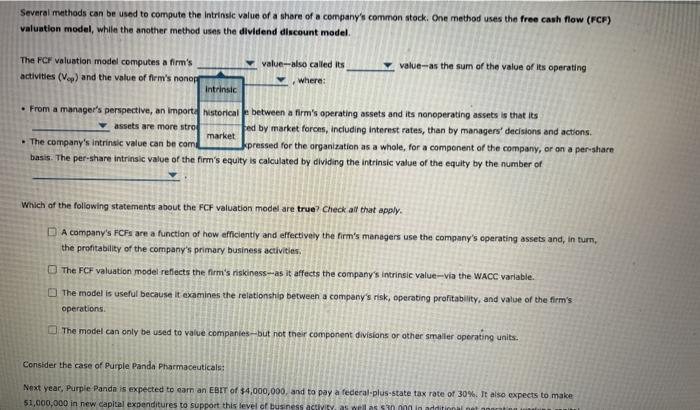
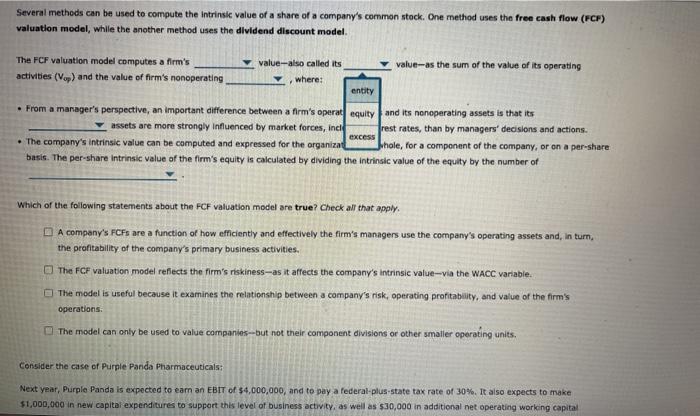
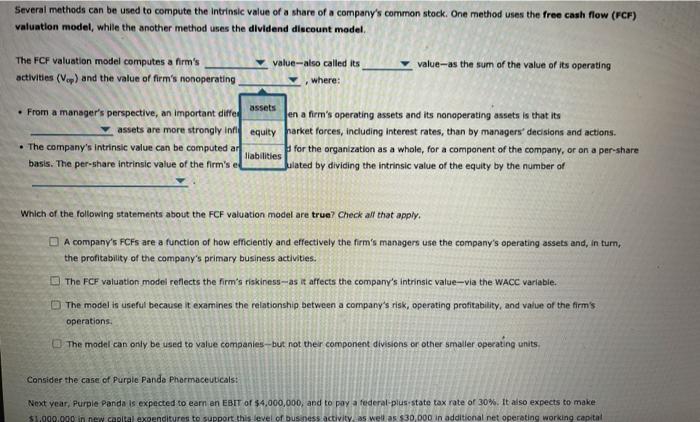
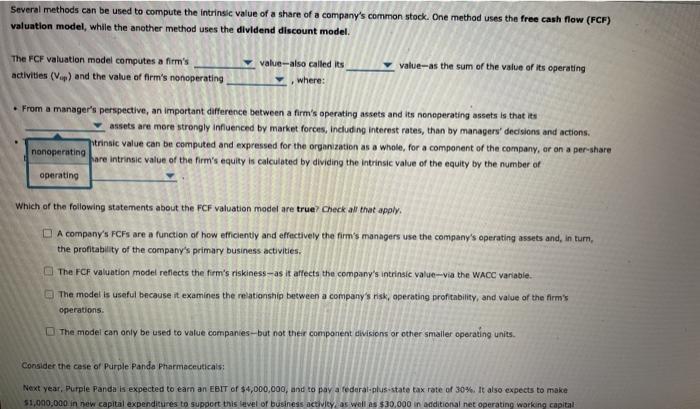
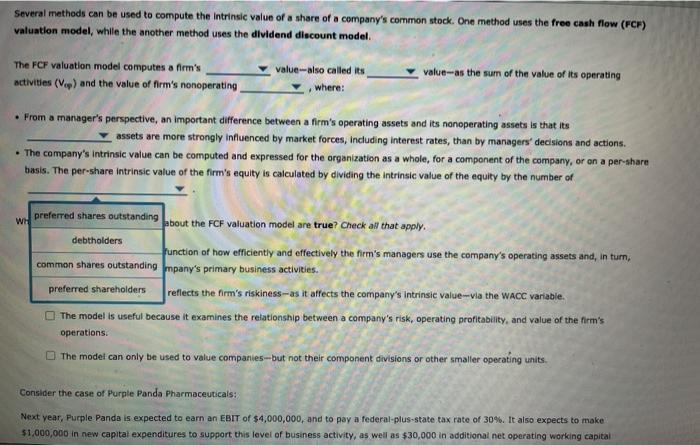
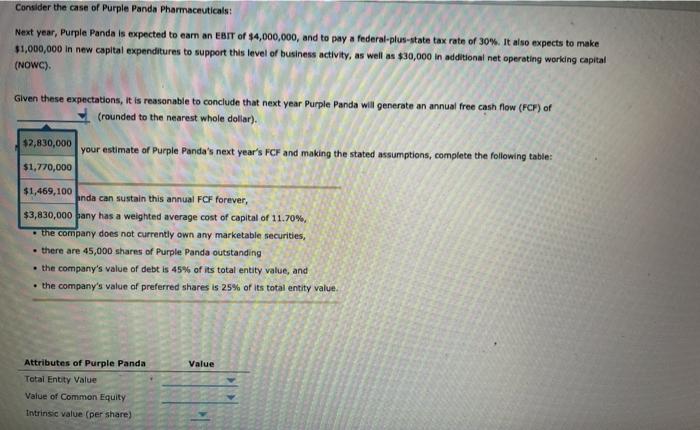
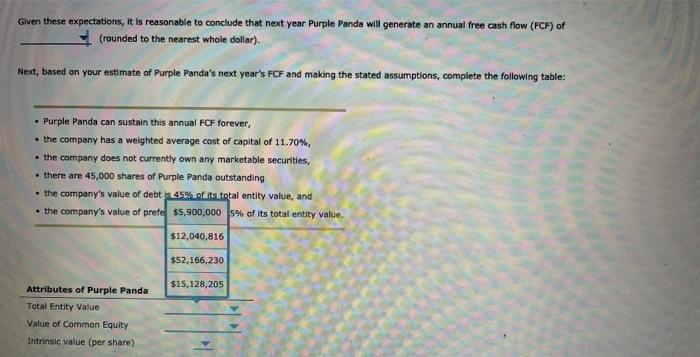
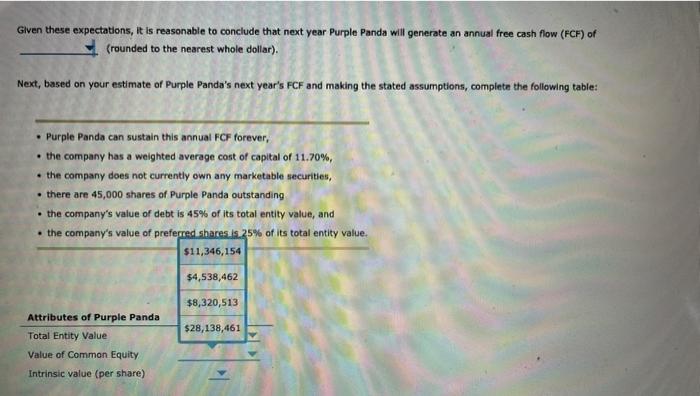
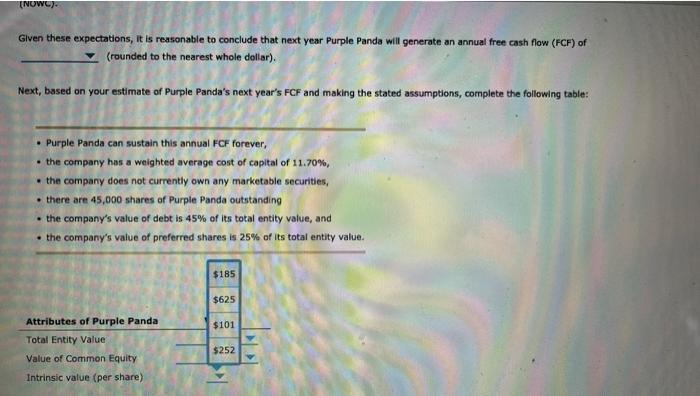
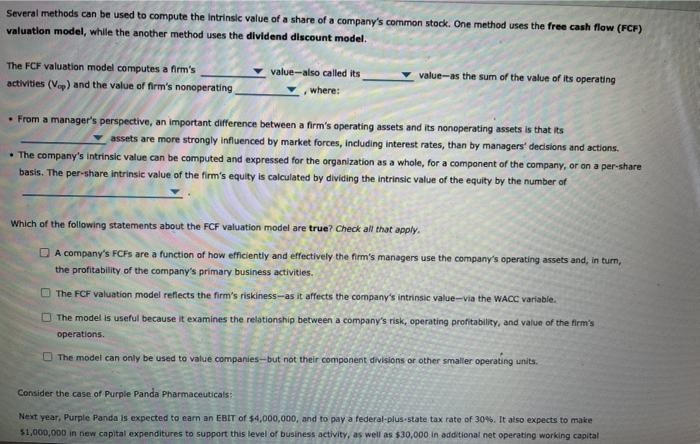
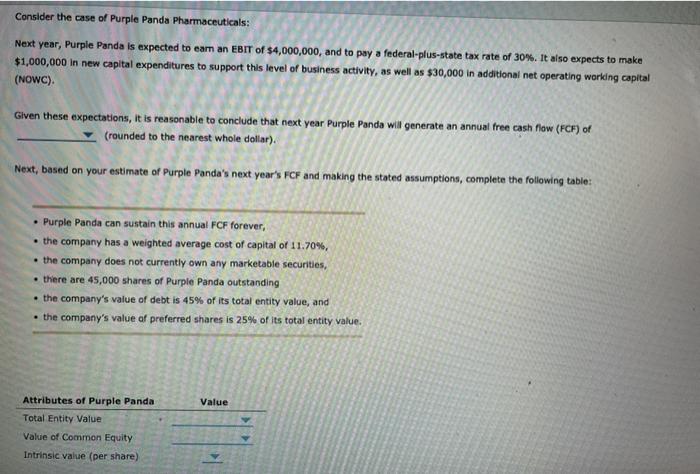
Several methods can be used to compute the intrinsic value of a share of a company's common stock. One method uses the free cash flow (FCF) valuation model, while the another method uses the dividend discount model The FCF valuation model computes a firm's activities (Vop) and the value of firm's nonoperating value-also called its where: value-as the sum of the value of its operating From a manager's perspective, an important difference between a firm's operating assets and its nonoperating assets is that its assets are more strongly influenced by market forces, including interest rates, than by managers' decisions and actions. The company's intrinsic value can be computed and expressed for the organization as a whole, for a component of the company, or on a per-share basis. The per-share intrinsic value of the firm's equity is calculated by dividing the intrinsic value of the equity by the number of Which of the following statements about the FCF valuation model are true? Check all that apply. A company's FCFs are a function of how efficiently and effectively the firm's managers use the company's operating assets and, in turn, the profitability of the company's primary business activities. The FCF valuation model reflects the firm's riskiness-as it affects the company's intrinsic value-via the WACC variable. The model is useful because it examines the relationship between a company's risk, operating profitability, and value of the firm's operations. The model can only be used to value companies--but not their component divisions or other smaller operating units. Consider the case of Purple Panda Pharmaceuticals: Next year, Purple Panda is expected to earn an EBIT of $4,000,000, and to pay a federal-plus-state tax rate of 30%. It also expects to make 51,000,000 in new capital expenditures to support this level of business activity, as well as $30,000 in additional net operating working capital Consider the case of Purple Panda Pharmaceuticals: Next year, Purple Panda is expected to earn an EBIT of $4,000,000, and to pay a federal-plus-state tax rate of 30%. It also expects to make $1,000,000 in new capital expenditures to support this level of business activity, as well as $30,000 in additional net operating working capital (NOWC). Given these expectations, it is reasonable to conclude that next year Purple Panda will generate an annual free cash flow (FCF) of (rounded to the nearest whole dollar). Next, based on your estimate of Purple Panda's next year's FCF and making the stated assumptions, complete the following table: Purple Panda can sustain this annual FCF forever, the company has a weighted average cost of capital of 11.70%, . the company does not currently own any marketable securities, . there are 45,000 shares of Purple Panda outstanding the company's value of debt is 45% of its total entity value, and . the company's value of preferred shares is 25% of its total entity value. Value Attributes of Purple Panda Total Entity Value Value of Common Equity Intrinsic value (per share) Several methods can be used to compute the intrinsic value of a share of a company's common stock. One method uses the free cash flow (FCF) valuation model, while the another method uses the dividend discount model. The FCF valuation model computes a firm's activities (Vop) and the value of firm's nono value-also called its where: value-as the sum of the value of its operating intrinsic From a manager's perspective, an import istorical between a firm's operating assets and its nanoperating assets is that its assets are more stro fed by market forons, including interest rates, than by managers' decisions and actions. market - The company's intrinsic value can be com Jxpressed for the organization as a whole, for a component of the company, or on a per-share basis. The per-share intrinsic value of the firm's equity is calculated by dividing the intrinsic value of the equity by the number of Which of the following statements about the FCF valuation model are true? Check all that apply. A company's FCFs are a function of how efficiently and effectively the firm's managers use the company's operating assets and, in turn, the profitability of the company's primary business activities, The FCF valuation model reflects the firm's riskiness--as it affects the company's intrinsic value-via the WACC variable. The model is useful because it examines the relationship between a company's risk, operating profitability, and value of the firm's operations The model can only be used to value companies--but not their component divisions or other smaller operating units. Consider the case of Purple Panda Pharmaceuticals: Next year, Purple Panda is expected to earn an EBIT of $4,000,000, and to pay a federal-plus-state tax rate of 30%. It also expects to make $1,000,000 in new capital expenditures to support this level of business Style well as in add Several methods can be used to compute the intrinsic value of a share of a company's common stock. One method uses the free ca the free cash flow (FCF) valuation model, while the another method uses the dividend discount model The FCF valuation model computes afirm's activities (Vow) and the value of firm's nonoperating value-also called its ywhere: value-as the sum of the value of its operating entity From a manager's perspective, an important difference between a firm's operat equity and its nonoperating assets is that its assets are more strongly influenced by market forces, Inch rest rates, than by managers' decisions and actions. The company's intrinsic value can be computed and expressed for the organizat whole, for a component of the company, or on a per-share basis. The per-share Intrinsic value of the firm's equity is calculated by dividing the intrinsic value of the equity by the number of excess Which of the following statements about the FCF valuation model are true? Check all that apply. A company's FCFs are a function of how efficiently and effectively the firm's managers use the company's operating assets and, in turn, the profitability of the company's primary business activities. The FCF valuation model reflects the firm's riskiness-as it affects the company's intrinsic value-via the WACC variable. The model is useful because it examines the relationship between a company's risk, operating profitability, and value of the firm's operations The model can only be used to value companies--but not their component divisions or other smaller operating units. Consider the case of Purple Panda Pharmaceuticals: Next year, Purple Panda is expected to eam an EBIT of $4,000,000, and to pay a federal-plus-state tax rate of 30%. It also expects to make $1,000,000 in new capital expenditures to support this level of business activity, as well as $30,000 in additional net operating working capital Several methods can be used to compute the intrinsic value of a share of a company's common stock. One method uses the free cash flow (FCF) valuation model, while the another method uses the dividend discount model The FCF valuation model computes a firm's activities (Vox) and the value of firm's nonoperating value-also called its where: value-as the sum of the value of its operating From a manager's perspective, an important dired assets en a firm's operating assets and its nanoperating assets is that its assets are more strongly innequity parket forces, including interest rates, than by managers decisions and actions. The company's intrinsic value can be computed ar for the organization as a whole, for a component of the company, or on a per-share liabilities basis. The per-share intrinsic value of the firm's el Julated by dividing the intrinsic value of the equity by the number of Which of the following statements about the FCF valuation model are true? Check all that apply. A company's FCFs are a function of how efficiently and effectively the firm's managers use the company's operating assets and, in tur, the profitability of the company's primary business activities. The FCF valuation model reflects the firm's riskinass-as it affects the company's intrinsic value=via the WACC variable. The model is useful because it examines the relationship between a company's risk, operating profitability, and value of the firm's operations The model can only be used to value companies-but not ther component divisions or other smaller operating units Consider the case of Purple Pande Pharmaceuticals: Next year, Purple Panda is expected to earn an EBIT of $4,000,000, and to pay a federal-plus-state tax rate of 30%. It also expects to make $1.000.000 in new capital expenditures to support this level of business activity, as well as $30,000 in additional net operating working capital Several methods can be used to compute the intrinsic value of a share of a company's common stock. One method uses the free cash flow (FCF) valuation model, while the another method uses the dividend discount model. The FCF valuation model computes a firm's activities (..) and the value of firm's nonoperating value-also called its value-as the sum of the value of its operating Where: . From a manager's perspective, an important difference between a firm's operating assets and its nonoperating assets is that its assets are more strongly influenced by market forces, including interest rates, than by managers' decisions and actions. trinsic value can be computed and expressed for the organization as a whole, for a component of the company, or on a per-share nonoperating pare intrinsic value of the firm's equity is calculated by dividing the intrinsic value of the equity by the number of operating Which of the following statements about the FCF valuation model are true? Check all that apply. A company's FCFs are a function of how efficiently and effectively the firm's managers use the company's operating assets and, in turn, the profitability of the company's primary business activities, The FCF valuation model reflects the firm's riskiness-as it affects the company's intrinsic value-via the WACC variable. The model is useful because it examines the relationship between a company's risk, operating profitability, and value of the firm's operations The model can only be used to value companies-but not ther component divisions or other smaller operating units. Consider the case of Purple Panda Pharmaceuticals Next year, Purple Panda is expected to earn an EBIT of $4,000,000, and to pay a federal-plus-state tax rate of 30%. It also expects to make 51,000,000 in new capital expenditures to support this level of business activity as well as $30,000 in additional net operating working capital Several methods can be used to compute the intrinsic value of a share of a company's common stock. One method uses the free cash flow (FCF) valuation model, while the another method uses the dividend discount model The FCF valuation model computes a firm's value-also called its value-as the sum of the value of its operating activities (Vom) and the value of firm's nonoperating Where: . From a manager's perspective, an important difference between a firm's operating assets and its nonoperating assets is that its assets are more strongly influenced by market forces, including interest rates, than by managers' decisions and actions. . The company's intrinsic value can be computed and expressed for the organization as a whole, for a component of the company, or on a per-share basis. The per-share intrinsic value of the firm's equity is calculated by dividing the intrinsic value of the equity by the number of WH preferred shares outstanding about the FCF valuation model are true? Check all that apply. debtholders function of how efficiently and effectively the firm's managers use the company's operating assets and, in turn, common shares outstanding mpany's primary business activities. preferred shareholders reflects the firm's riskiness--as it affects the company's intrinsic value-via the WACC variable. The model is useful because it examines the relationship between a company's risk, operating profitability, and value of the firm's operations The model can only be used to value companies--but not their component divisions or other smaller operating units. Consider the case of Purple Panda Pharmaceuticals: Next year, Purple Panda is expected to earn an EBIT of $4,000,000, and to pay a federal-plus-state tax rate of 30%. It also expects to make $1,000,000 in new capital expenditures to support this level of business activity, as well as $30,000 in additional net operating working capital Consider the case of Purple Panda Pharmaceuticals: Next year, Purple Panda is expected to earn an EBIT of $4,000,000, and to pay a federal-plus-state tax rate of 30%. It also expects to make $1,000,000 in new capital expenditures to support this level of business activity, as well as $30,000 in additional net operating working capital (NOWC). Given these expectations, it is reasonable to conclude that next year Purple Panda will generate an annual free cash flow (FCF) of (rounded to the nearest whole dollar). $2,830,000 your estimate of Purple Panda's next year's FCF and making the stated assumptions, complete the following table: $1.770,000 $1,469,100 unda can sustain this annual FCF forever, $3,830,000 bany has a weighted average cost of capital of 11.70%. the company does not currently own any marketable securities, there are 45,000 shares of Purple Panda outstanding the company's value of debt is 45% of its total entity value, and the company's value of preferred shares is 25% of its total entity value. Value Attributes of Purple Panda Total Entity Value Value of Common Equity Intrinsic value (per share) Given these expectations, it is reasonable to conclude that next year Purple Panda will generate an annual free cash flow (FCF) of (rounded to the nearest whole dollar). Next, based on your estimate of Purple Panda's next year's FCF and making the stated assumptions, complete the following table: Purple Panda can sustain this annual FCF forever, the company has a weighted average cost of capital of 11.70%, the company does not currently own any marketable securities, . there are 45,000 shares of Purple Panda outstanding the company's value of debt is 45% of its total entity value, and the company's value of prefe $5,900,000 5% of its total entity value, $12,040,816 $52,166,230 $15,128,205 Attributes of Purple Panda Total Entity Value Value of Common Equity Intrinsic value (per share) Given these expectations, it is reasonable to conclude that next year Purple Panda will generate an annual free cash flow (FCF) of (rounded to the nearest whole dollar), Next, based on your estimate of Purple Panda's next year's FCF and making the stated assumptions, complete the following table: Purple Panda can sustain this annual FCF forever, . the company has a weighted average cost of capital of 11.70%, the company does not currently own any marketable securities, . there are 45,000 shares of Purple Panda outstanding the company's value of debt is 45% of its total entity value, and . the company's value of preferred shares is 25% of its total entity value. $11,346,154 $4,538,462 $8,320,513 $28,138,461 Attributes of Purple Panda Total Entity Value Value of Common Equity Intrinsic value (per share) INOWO) Given these expectations, it is reasonable to conclude that next year Purple Panda will generate an annual free cash flow (FCF) of (rounded to the nearest whole dollar), Next, based on your estimate of Purple Panda's next year's FCF and making the stated assumptions, complete the following table: Purple Panda can sustain this annual FCF forever, the company has a weighted average cost of capital of 11.70%, the company does not currently own any marketable securities, . there are 45,000 shares of Purple Panda outstanding . the company's value of debt is 45% of its total entity value, and the company's value of preferred shares is 25% of its total entity value. $185 $625 $101 Attributes of Purple Panda Total Entity Value Value of Common Equity Intrinsic value (per share) $252 Several methods can be used to compute the intrinsic value of a share of a company's common stock. One method uses the free cash flow (FCF) valuation model, while the another method uses the dividend discount model The FCF valuation model computes a firm's activities (Vop) and the value of firm's nonoperating value-also called its where: value-as the sum of the value of its operating From a manager's perspective, an important difference between a firm's operating assets and its nonoperating assets is that its assets are more strongly influenced by market forces, including interest rates, than by managers' decisions and actions. The company's intrinsic value can be computed and expressed for the organization as a whole, for a component of the company, or on a per-share basis. The per-share intrinsic value of the firm's equity is calculated by dividing the intrinsic value of the equity by the number of Which of the following statements about the FCF valuation model are true? Check all that apply. A company's FCFs are a function of how efficiently and effectively the firm's managers use the company's operating assets and, in turn, the profitability of the company's primary business activities. The FCF valuation model reflects the firm's riskiness-as it affects the company's intrinsic value-via the WACC variable. The model is useful because it examines the relationship between a company's risk, operating profitability, and value of the firm's operations. The model can only be used to value companies--but not their component divisions or other smaller operating units. Consider the case of Purple Panda Pharmaceuticals: Next year, Purple Panda is expected to earn an EBIT of $4,000,000, and to pay a federal-plus-state tax rate of 30%. It also expects to make 51,000,000 in new capital expenditures to support this level of business activity, as well as $30,000 in additional net operating working capital Consider the case of Purple Panda Pharmaceuticals: Next year, Purple Panda is expected to earn an EBIT of $4,000,000, and to pay a federal-plus-state tax rate of 30%. It also expects to make $1,000,000 in new capital expenditures to support this level of business activity, as well as $30,000 in additional net operating working capital (NOWC). Given these expectations, it is reasonable to conclude that next year Purple Panda will generate an annual free cash flow (FCF) of (rounded to the nearest whole dollar). Next, based on your estimate of Purple Panda's next year's FCF and making the stated assumptions, complete the following table: Purple Panda can sustain this annual FCF forever, the company has a weighted average cost of capital of 11.70%, . the company does not currently own any marketable securities, . there are 45,000 shares of Purple Panda outstanding the company's value of debt is 45% of its total entity value, and . the company's value of preferred shares is 25% of its total entity value. Value Attributes of Purple Panda Total Entity Value Value of Common Equity Intrinsic value (per share) Several methods can be used to compute the intrinsic value of a share of a company's common stock. One method uses the free cash flow (FCF) valuation model, while the another method uses the dividend discount model. The FCF valuation model computes a firm's activities (Vop) and the value of firm's nono value-also called its where: value-as the sum of the value of its operating intrinsic From a manager's perspective, an import istorical between a firm's operating assets and its nanoperating assets is that its assets are more stro fed by market forons, including interest rates, than by managers' decisions and actions. market - The company's intrinsic value can be com Jxpressed for the organization as a whole, for a component of the company, or on a per-share basis. The per-share intrinsic value of the firm's equity is calculated by dividing the intrinsic value of the equity by the number of Which of the following statements about the FCF valuation model are true? Check all that apply. A company's FCFs are a function of how efficiently and effectively the firm's managers use the company's operating assets and, in turn, the profitability of the company's primary business activities, The FCF valuation model reflects the firm's riskiness--as it affects the company's intrinsic value-via the WACC variable. The model is useful because it examines the relationship between a company's risk, operating profitability, and value of the firm's operations The model can only be used to value companies--but not their component divisions or other smaller operating units. Consider the case of Purple Panda Pharmaceuticals: Next year, Purple Panda is expected to earn an EBIT of $4,000,000, and to pay a federal-plus-state tax rate of 30%. It also expects to make $1,000,000 in new capital expenditures to support this level of business Style well as in add Several methods can be used to compute the intrinsic value of a share of a company's common stock. One method uses the free ca the free cash flow (FCF) valuation model, while the another method uses the dividend discount model The FCF valuation model computes afirm's activities (Vow) and the value of firm's nonoperating value-also called its ywhere: value-as the sum of the value of its operating entity From a manager's perspective, an important difference between a firm's operat equity and its nonoperating assets is that its assets are more strongly influenced by market forces, Inch rest rates, than by managers' decisions and actions. The company's intrinsic value can be computed and expressed for the organizat whole, for a component of the company, or on a per-share basis. The per-share Intrinsic value of the firm's equity is calculated by dividing the intrinsic value of the equity by the number of excess Which of the following statements about the FCF valuation model are true? Check all that apply. A company's FCFs are a function of how efficiently and effectively the firm's managers use the company's operating assets and, in turn, the profitability of the company's primary business activities. The FCF valuation model reflects the firm's riskiness-as it affects the company's intrinsic value-via the WACC variable. The model is useful because it examines the relationship between a company's risk, operating profitability, and value of the firm's operations The model can only be used to value companies--but not their component divisions or other smaller operating units. Consider the case of Purple Panda Pharmaceuticals: Next year, Purple Panda is expected to eam an EBIT of $4,000,000, and to pay a federal-plus-state tax rate of 30%. It also expects to make $1,000,000 in new capital expenditures to support this level of business activity, as well as $30,000 in additional net operating working capital Several methods can be used to compute the intrinsic value of a share of a company's common stock. One method uses the free cash flow (FCF) valuation model, while the another method uses the dividend discount model The FCF valuation model computes a firm's activities (Vox) and the value of firm's nonoperating value-also called its where: value-as the sum of the value of its operating From a manager's perspective, an important dired assets en a firm's operating assets and its nanoperating assets is that its assets are more strongly innequity parket forces, including interest rates, than by managers decisions and actions. The company's intrinsic value can be computed ar for the organization as a whole, for a component of the company, or on a per-share liabilities basis. The per-share intrinsic value of the firm's el Julated by dividing the intrinsic value of the equity by the number of Which of the following statements about the FCF valuation model are true? Check all that apply. A company's FCFs are a function of how efficiently and effectively the firm's managers use the company's operating assets and, in tur, the profitability of the company's primary business activities. The FCF valuation model reflects the firm's riskinass-as it affects the company's intrinsic value=via the WACC variable. The model is useful because it examines the relationship between a company's risk, operating profitability, and value of the firm's operations The model can only be used to value companies-but not ther component divisions or other smaller operating units Consider the case of Purple Pande Pharmaceuticals: Next year, Purple Panda is expected to earn an EBIT of $4,000,000, and to pay a federal-plus-state tax rate of 30%. It also expects to make $1.000.000 in new capital expenditures to support this level of business activity, as well as $30,000 in additional net operating working capital Several methods can be used to compute the intrinsic value of a share of a company's common stock. One method uses the free cash flow (FCF) valuation model, while the another method uses the dividend discount model. The FCF valuation model computes a firm's activities (..) and the value of firm's nonoperating value-also called its value-as the sum of the value of its operating Where: . From a manager's perspective, an important difference between a firm's operating assets and its nonoperating assets is that its assets are more strongly influenced by market forces, including interest rates, than by managers' decisions and actions. trinsic value can be computed and expressed for the organization as a whole, for a component of the company, or on a per-share nonoperating pare intrinsic value of the firm's equity is calculated by dividing the intrinsic value of the equity by the number of operating Which of the following statements about the FCF valuation model are true? Check all that apply. A company's FCFs are a function of how efficiently and effectively the firm's managers use the company's operating assets and, in turn, the profitability of the company's primary business activities, The FCF valuation model reflects the firm's riskiness-as it affects the company's intrinsic value-via the WACC variable. The model is useful because it examines the relationship between a company's risk, operating profitability, and value of the firm's operations The model can only be used to value companies-but not ther component divisions or other smaller operating units. Consider the case of Purple Panda Pharmaceuticals Next year, Purple Panda is expected to earn an EBIT of $4,000,000, and to pay a federal-plus-state tax rate of 30%. It also expects to make 51,000,000 in new capital expenditures to support this level of business activity as well as $30,000 in additional net operating working capital Several methods can be used to compute the intrinsic value of a share of a company's common stock. One method uses the free cash flow (FCF) valuation model, while the another method uses the dividend discount model The FCF valuation model computes a firm's value-also called its value-as the sum of the value of its operating activities (Vom) and the value of firm's nonoperating Where: . From a manager's perspective, an important difference between a firm's operating assets and its nonoperating assets is that its assets are more strongly influenced by market forces, including interest rates, than by managers' decisions and actions. . The company's intrinsic value can be computed and expressed for the organization as a whole, for a component of the company, or on a per-share basis. The per-share intrinsic value of the firm's equity is calculated by dividing the intrinsic value of the equity by the number of WH preferred shares outstanding about the FCF valuation model are true? Check all that apply. debtholders function of how efficiently and effectively the firm's managers use the company's operating assets and, in turn, common shares outstanding mpany's primary business activities. preferred shareholders reflects the firm's riskiness--as it affects the company's intrinsic value-via the WACC variable. The model is useful because it examines the relationship between a company's risk, operating profitability, and value of the firm's operations The model can only be used to value companies--but not their component divisions or other smaller operating units. Consider the case of Purple Panda Pharmaceuticals: Next year, Purple Panda is expected to earn an EBIT of $4,000,000, and to pay a federal-plus-state tax rate of 30%. It also expects to make $1,000,000 in new capital expenditures to support this level of business activity, as well as $30,000 in additional net operating working capital Consider the case of Purple Panda Pharmaceuticals: Next year, Purple Panda is expected to earn an EBIT of $4,000,000, and to pay a federal-plus-state tax rate of 30%. It also expects to make $1,000,000 in new capital expenditures to support this level of business activity, as well as $30,000 in additional net operating working capital (NOWC). Given these expectations, it is reasonable to conclude that next year Purple Panda will generate an annual free cash flow (FCF) of (rounded to the nearest whole dollar). $2,830,000 your estimate of Purple Panda's next year's FCF and making the stated assumptions, complete the following table: $1.770,000 $1,469,100 unda can sustain this annual FCF forever, $3,830,000 bany has a weighted average cost of capital of 11.70%. the company does not currently own any marketable securities, there are 45,000 shares of Purple Panda outstanding the company's value of debt is 45% of its total entity value, and the company's value of preferred shares is 25% of its total entity value. Value Attributes of Purple Panda Total Entity Value Value of Common Equity Intrinsic value (per share) Given these expectations, it is reasonable to conclude that next year Purple Panda will generate an annual free cash flow (FCF) of (rounded to the nearest whole dollar). Next, based on your estimate of Purple Panda's next year's FCF and making the stated assumptions, complete the following table: Purple Panda can sustain this annual FCF forever, the company has a weighted average cost of capital of 11.70%, the company does not currently own any marketable securities, . there are 45,000 shares of Purple Panda outstanding the company's value of debt is 45% of its total entity value, and the company's value of prefe $5,900,000 5% of its total entity value, $12,040,816 $52,166,230 $15,128,205 Attributes of Purple Panda Total Entity Value Value of Common Equity Intrinsic value (per share) Given these expectations, it is reasonable to conclude that next year Purple Panda will generate an annual free cash flow (FCF) of (rounded to the nearest whole dollar), Next, based on your estimate of Purple Panda's next year's FCF and making the stated assumptions, complete the following table: Purple Panda can sustain this annual FCF forever, . the company has a weighted average cost of capital of 11.70%, the company does not currently own any marketable securities, . there are 45,000 shares of Purple Panda outstanding the company's value of debt is 45% of its total entity value, and . the company's value of preferred shares is 25% of its total entity value. $11,346,154 $4,538,462 $8,320,513 $28,138,461 Attributes of Purple Panda Total Entity Value Value of Common Equity Intrinsic value (per share) INOWO) Given these expectations, it is reasonable to conclude that next year Purple Panda will generate an annual free cash flow (FCF) of (rounded to the nearest whole dollar), Next, based on your estimate of Purple Panda's next year's FCF and making the stated assumptions, complete the following table: Purple Panda can sustain this annual FCF forever, the company has a weighted average cost of capital of 11.70%, the company does not currently own any marketable securities, . there are 45,000 shares of Purple Panda outstanding . the company's value of debt is 45% of its total entity value, and the company's value of preferred shares is 25% of its total entity value. $185 $625 $101 Attributes of Purple Panda Total Entity Value Value of Common Equity Intrinsic value (per share) $252
Step by Step Solution
There are 3 Steps involved in it

Get step-by-step solutions from verified subject matter experts
 Study Help