







Question: 1. What is the difference between a neurotransmitter and a hormone? 2. Describe the relationship between receptors, chemical messengers and secondary messengers? 3. What
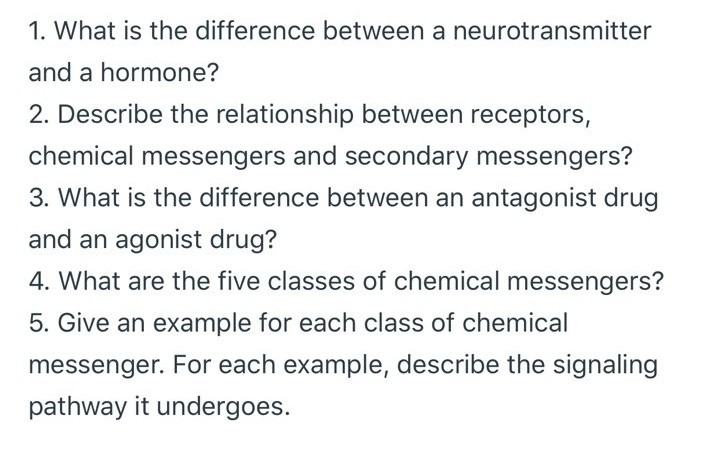
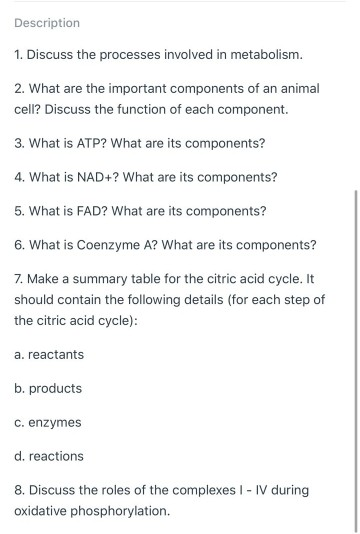
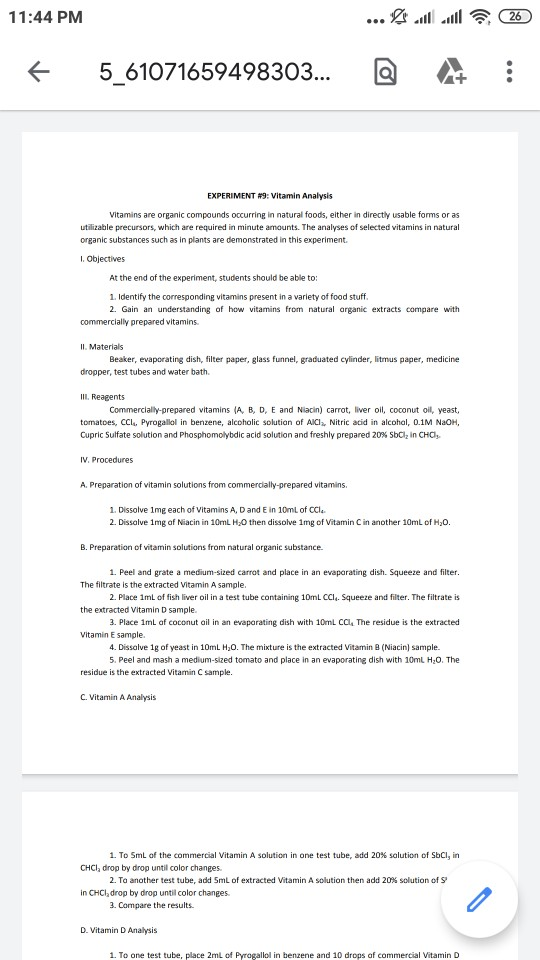
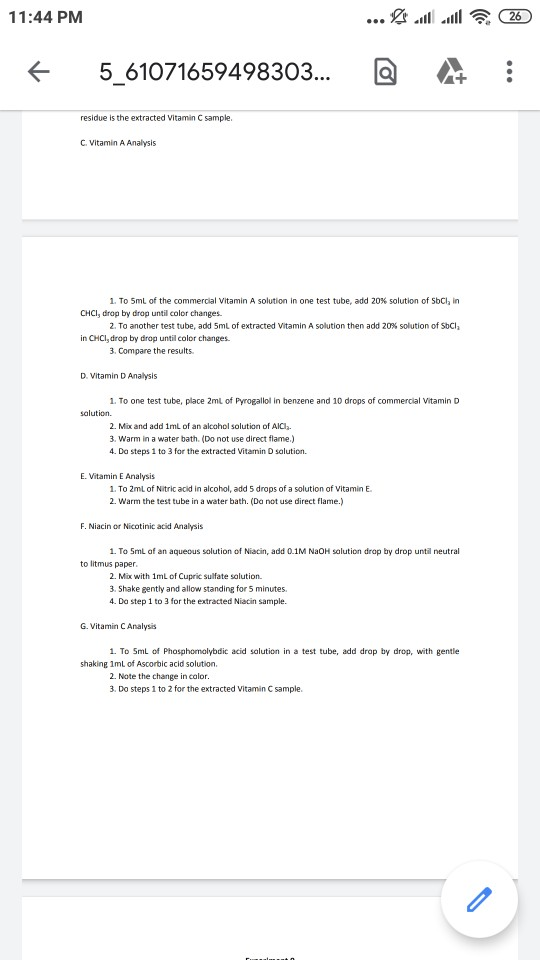
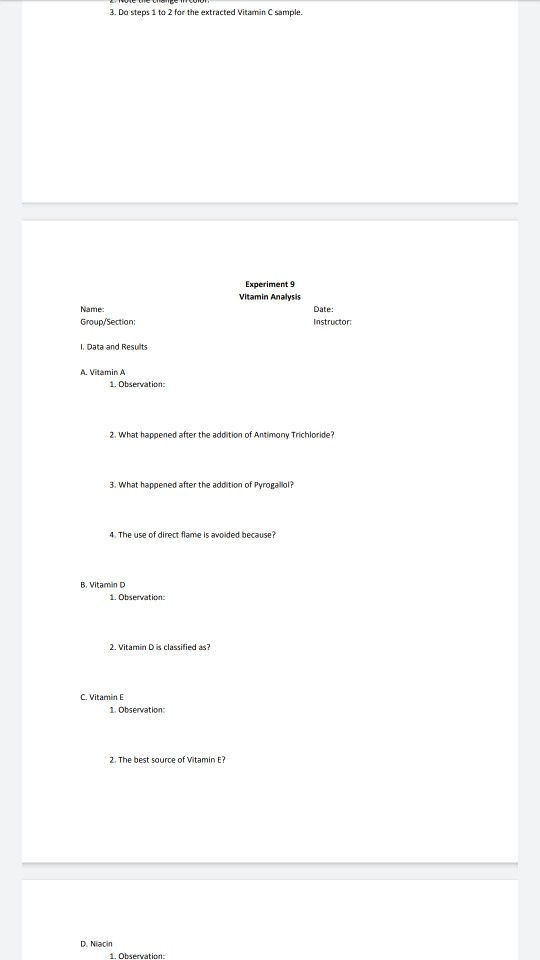
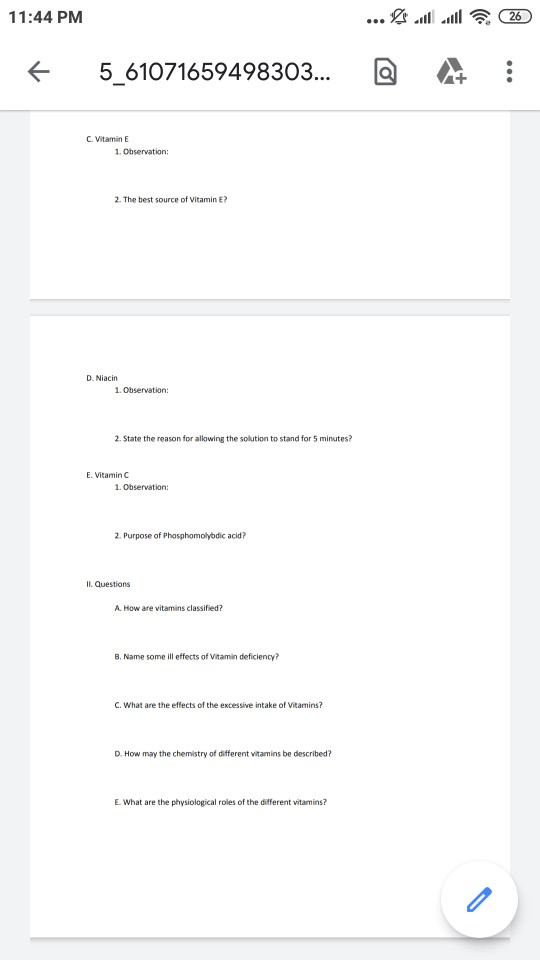
1. What is the difference between a neurotransmitter and a hormone? 2. Describe the relationship between receptors, chemical messengers and secondary messengers? 3. What is the difference between an antagonist drug and an agonist drug? 4. What are the five classes of chemical messengers? 5. Give an example for each class of chemical messenger. For each example, describe the signaling pathway it undergoes. Description 1. Discuss the processes involved in metabolism. 2. What are the important components of an animal cell? Discuss the function of each component. 3. What is ATP? What are its components? 4. What is NAD+? What are its components? 5. What is FAD? What are its components? 6. What is Coenzyme A? What are its components? 7. Make a summary table for the citric acid cycle. It should contain the following details (for each step of the citric acid cycle): a. reactants b. products c. enzymes d. reactions 8. Discuss the roles of the complexes I-IV during oxidative phosphorylation. 11:44 PM 5_61071659498303... EXPERIMENT #9: Vitamin Analysis Vitamins are organic compounds occurring in natural foods, either in directly usable forms or as utilizable precursors, which are required in minute amounts. The analyses of selected vitamins in natural organic substances such as in plants are demonstrated in this experiment. 1. Objectives At the end of the experiment, students should be able to: 1. Identify the corresponding vitamins present in a variety of food stuff. 2. Gain an understanding of how vitamins from natural organic extracts compare with commercially prepared vitamins. II. Materials Beaker, evaporating dish, filter paper, glass funnel, graduated cylinder, litmus paper, medicine dropper, test tubes and water bath. III. Reagents Commercially-prepared vitamins (A, B, D, E and Niacin) carrot, liver oil, coconut oil, yeast, tomatoes, CCI,, Pyrogallol in benzene, alcoholic solution of AICI, Nitric acid in alcohol, 0.1M NaOH, Cupric Sulfate solution and Phosphomolybdic acid solution and freshly prepared 20% SbCl in CHCI, IV. Procedures A. Preparation of vitamin solutions from commercially-prepared vitamins. 1. Dissolve 1mg each of Vitamins A, D and E in 10mL of CCI.. 2. Dissolve 1mg of Niacin in 10mL HO then dissolve 1mg of Vitamin C in another 10mL of HO. B. Preparation of vitamin solutions from natural organic substance. 1. Peel and grate a medium-sized carrot and place in an evaporating dish. Squeeze and filter. The filtrate is the extracted Vitamin A sample. 2. Place 1mL of fish liver oil in a test tube containing 10mL CCI. Squeeze and filter. The filtrate is the extracted Vitamin D sample. 3. Place 1mL of coconut oil in an evaporating dish with 10mL CCI, The residue is the extracted Vitamin E sample. 4. Dissolve 1g of yeast in 10mL HO. The mixture is the extracted Vitamin B (Niacin) sample. 5. Peel and mash a medium-sized tomato and place in an evaporating dish with 10mL HO. The residue is the extracted Vitamin C sample. C. Vitamin A Analysis 1. To SmL of the commercial Vitamin A solution in one test tube, add 20% solution of SbCl, in CHCI, drop by drop until color changes. 2. To another test tube, add 5mL of extracted Vitamin A solution then add 20% solution of S in CHCI, drop by drop until color changes. 3. Compare the results. D. Vitamin D Analysis 1. To one test tube, place 2mL of Pyrogallol in benzene and 10 drops of commercial Vitamin D 26 11:44 PM 5_61071659498303... residue is the extracted Vitamin C sample. C. Vitamin A Analysis 1. To 5mL of the commercial Vitamin A solution in one test tube, add 20% solution of SbCl, in CHCI, drop by drop until color changes. 2. To another test tube, add 5mL of extracted Vitamin A solution then add 20% solution of SbCl; in CHCI, drop by drop until color changes. 3. Compare the results. D. Vitamin D Analysis 1. To one test tube, place 2mL of Pyrogallol in benzene and 10 drops of commercial Vitamin D solution. 2. Mix and add 1mL of an alcohol solution of AICI,. 3. Warm in a water bath. (Do not use direct flame.) 4. Do steps 1 to 3 for the extracted Vitamin D solution. E. Vitamin E Analysis 1. To 2mL of Nitric acid in alcohol, add 5 drops of a solution of Vitamin E. 2. Warm the test tube in a water bath. (Do not use direct flame.) F. Niacin or Nicotinic acid Analysis 1. To 5mL of an aqueous solution of Niacin, add 0.1M NaOH solution drop by drop until neutral to litmus paper. 2. Mix with 1mL of Cupric sulfate solution. 3. Shake gently and allow standing for 5 minutes. 4. Do step 1 to 3 for the extracted Niacin sample. G. Vitamin C Analysis 1. To SmL of Phosphomolybdic acid solution in a test tube, add drop by drop, with gentle shaking 1mL of Ascorbic acid solution. 2. Note the change in color. 3. Do steps 1 to 2 for the extracted Vitamin C sample. 26 Name: 3. Do steps 1 to 2 for the extracted Vitamin C sample. Group/Section: 1. Data and Results A. Vitamin A 1. Observation: 2. What happened after the addition of Antimony Trichloride? 3. What happened after the addition of Pyrogallol? 4. The use of direct flame is avoided because? B. Vitamin D 1. Observation: 2. Vitamin D is classified as? C. Vitamin E 1. Observation: Experiment 9 Vitamin Analysis 2. The best source of Vitamin E? D. Niacin 1. Observation: Date: Instructor: 11:44 PM 5_61071659498303... C. Vitamin E 1. Observation: 2. The best source of Vitamin E? D. Niacin 1. Observation: 2. State the reason for allowing the solution to stand for 5 minutes? E. Vitamin C 1. Observation: 2. Purpose of Phosphomolybdic acid? II. Questions A. How are vitamins classified? B. Name some ill effects of Vitamin deficiency? C. What are the effects of the excessive intake of Vitamins? D. How may the chemistry of different vitamins be described? E. What are the physiological roles of the different vitamins? 26
Step by Step Solution
3.40 Rating (163 Votes )
There are 3 Steps involved in it
1 What is the difference between a neurotransmitter and a neurohormone Neurotransmitters only have action at a small volume where release occurs but n... View full answer

Get step-by-step solutions from verified subject matter experts
 Study Help